
A September 2026 UK study of 177,000 people linked plant-forward food preferences with lower all-cause mortality. Learn how these habits support healthy aging.





In September 2026, a report published in the New York Post detailed a study of more than 177,000 people in the United Kingdom. Researchers looked at specific food preferences and checked mortality outcomes more than three years later. The data suggested that liking certain plant-rich foods and seasonings was associated with a lower risk of all-cause mortality. This research offers an interesting look at how daily habits might influence healthy aging and overall wellness.
The findings contribute to a growing body of evidence supporting plant-forward nutrition for long-term health. The study is particularly notable because it shifts the focus away from restrictive diets toward overall dietary affinity. Understanding these lifestyle links provides health-conscious women with practical knowledge for their personal routines. Evaluating these associations carefully helps separate meaningful scientific data from aggressive marketing claims.
The findings emphasize that food preferences often serve as markers for broader lifestyle behaviors. People who enjoy plant-based ingredients typically consume more nutrient-dense meals overall. These wider eating habits support cardiometabolic health and cellular function over time. We see similar themes across multiple large-scale investigations tracking human longevity.
For example, a separate report from Mass General Brigham followed 200,000 people for more than 30 years. The researchers noted that higher intake of plant-based oils was associated with lower total, cancer, and cardiovascular mortality. They specifically highlighted olive oil as highly beneficial for long-term health. Conversely, a higher intake of butter was associated with higher total and cancer mortality over the same period.
The wider group of foods associated with lower mortality in the United Kingdom study reinforces this pattern. Participants showed positive outcomes linked to whole-wheat bread, spinach, salad, and onions. The researchers also noted favorable associations for mushrooms, lentils, beans, and bell peppers. These habits can complement other longevity measures like choosing specific antioxidants for skin longevity through whole foods.
The recent United Kingdom study identified specific mortality risk associations based on what participants liked to eat. A preference for extra-virgin olive oil was associated with a 33 percent lower risk of death from any cause. Liking black pepper was associated with a 28 percent lower risk. A preference for asparagus and broccoli each showed a 31 percent lower risk of all-cause mortality.
Other vegetables demonstrated positive associations in the reported data as well. Butternut squash preference correlated with a 25 percent lower risk, while eggplant preference showed a 21 percent lower risk. Rather than relying only on dietary-recall questionnaires, researchers asked participants which foods and ingredients they liked, then checked outcomes more than three years later.
The researchers also noted distinct risk associations in the opposite direction for certain beverages. A preference for sugar-sweetened soda was linked with a 38 percent higher risk of death. Liking diet soda was linked with a 23 percent higher risk in the same analysis.
These trends closely align with a 2026 meta-analysis of prospective cohort studies regarding dietary patterns. That review found a healthy plant-based diet index was associated with a relative risk of 0.86 for all-cause mortality. In contrast, an unhealthy plant-based diet index showed a relative risk of 1.20 for all-cause mortality.
It is vital to understand that this study measured food preference rather than exact daily intake. Liking a specific vegetable does not confirm how often a person eats it or how it is prepared. These results are relative associations instead of guaranteed outcomes. The data does not establish that eating a single food directly extends a person's life.
A person who prefers olive oil might also exercise regularly, avoid smoking, or have better access to medical care. The reported associations cannot isolate these other lifestyle influences on their own. These findings must be viewed as correlations rather than proof of a direct cause and effect. Understanding this distinction helps readers evaluate collagen supplement safety and quality concerns when reviewing claims for other wellness products.
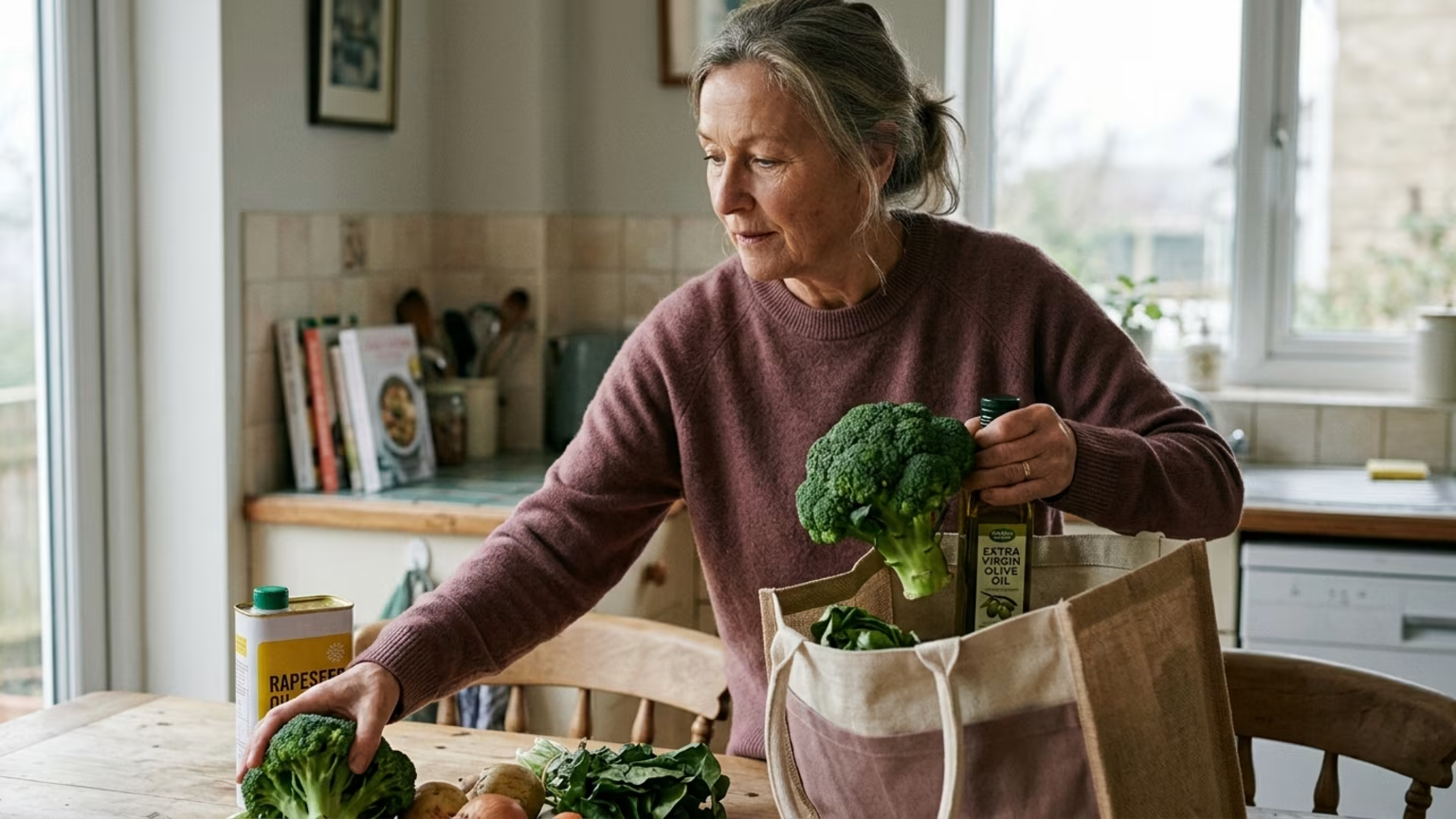
Health-conscious women can use this data as encouragement to make plant-rich foods more enjoyable in their daily routines. We do not need to rigidly consume all six highlighted foods every day to support healthy aging. One practical step is to substitute butter with extra-virgin olive oil where appropriate in your cooking. You can easily rotate broccoli, asparagus, squash, and eggplant through your weekly lunch menus.
Adding black pepper to vegetable dishes is a simple way to enhance flavor without adding excess sodium. Pairing these items with legumes, nuts, seeds, or whole grains aligns perfectly with broader healthy eating patterns. The broader evidence strongly favors overall dietary quality rather than a rigid food checklist. Treating nutrition as a comprehensive system is much more effective than treating a single ingredient as a complete intervention.
At Younell, our editorial philosophy centers on realistic health rather than chasing impossible standards. "I remember speaking with a dermatologist who told me her patients were coming in with severe anxiety about normal skin aging. That anxiety was driven entirely by social media filters and aggressive marketing. That conversation became a cornerstone of our philosophy."
"We decided right then that our publication would never frame natural changes like wrinkles or thinning hair as personal failures." By applying this measured perspective to nutrition, we encourage readers to build sustainable dietary habits. This approach allows women to enjoy healthy foods without treating every meal as a strict longevity regimen. Small adjustments over time generally yield better results than highly restrictive diets.
These dietary choices support long-term wellness and cardiometabolic health, but they are not medical treatments. It is important to keep beauty and longevity expectations realistic regarding food. Readers with specific health conditions should always consult a registered dietitian before fundamentally altering their meals. Balancing these vegetables with appropriate grains is an important part of choosing carbohydrates for energy and healthy aging.
As researchers continue mapping the connections between dietary patterns and healthy aging, the focus will likely remain on overall food quality. The evolution of this field promises to provide even clearer insights into how our daily meals influence our long-term vitality. For now, finding joy in wholesome foods remains one of the best strategies for a sustainable longevity routine. Will future studies identify more precise ways that specific plant compounds interact with our cellular health?
Stay connected for research and practical guidance on skin, hair, collagen, nutrition and beauty longevity. Clear ideas for people who want to understand how appearance changes with age and make better-informed choices over time.





Understand your skin, hair and body better without chasing every new trend, treatment or promise.
explore the Blog