
An analysis of 2026 guidance from Canyon Ranch on resistance training and recovery. We explain how sleep, rest days, and strength routines support healthy aging.





In September 2026, Canyon Ranch published a new article detailing the hidden longevity benefits of resistance training and recovery. The core announcement frames these two habits as complementary foundations for maintaining independence, mobility, and physical resilience. Rather than treating exercise as an isolated habit, this guidance highlights how building muscle and resting intentionally support long-term metabolic balance. The approach offers a calm, evidence-informed framework for healthy aging without relying on extreme protocols.
The primary scientific finding centers on how the body adapts to physical stress through structured repair. Resistance training creates a stimulus by challenging muscle tissue, but the biological improvements occur during the recovery phase. During this rest period, the body repairs cellular structures, regulates the nervous system, and manages systemic inflammation. Canyon Ranch presents this recovery window as the time when metabolic health, hormone balance, and immune function are actively supported.
Understanding the difference between mobility and flexibility helps clarify how the body responds to this stimulus. The guidance notes that mobility concerns how freely joints move through their range of motion. Flexibility concerns a muscle's ability to lengthen without restriction. Improving both aspects requires consistent physical stress followed by adequate recovery time.
During our research into environmental aging, our team tested how various lifestyle factors impact skin barrier recovery. It was fascinating to see the data clearly show that simple habits like sleep and basic hydration often outperform the most expensive topical treatments. This observation reinforced our commitment to emphasizing foundational health over product hype. We learned that the body uses these quiet recovery periods to clear cellular waste and repair daily oxidative damage.
When examining specific metrics, the physical adaptations are measurable but highly dependent on training intensity. The Canyon Ranch publication cites research involving inactive men aged 65 to 78 who participated in structured strength programs. In this group, low-intensity resistance training was associated with flexibility improvements of 3 to 12 percent. High-intensity training in that same group was associated with improvements ranging from 8 to 28 percent.
Crucially, the study noted that these gains reversed completely after the training stopped. This statistical reality check emphasizes that physical adaptation requires ongoing maintenance rather than a temporary effort. Additionally, a 2026 systematic review of 11 randomized controlled trials evaluated supplemental interventions for older adults. The review found that combining creatine with resistance training produced only a small improvement in muscle strength.
The same systematic review noted that effects on muscle mass and physical function were not statistically significant. Those specific findings also carried low or very low certainty. These details remind us that while strength work is beneficial, supplemental additions offer modest results. Real-world outcomes rely far more on consistent training and rest than on single isolated ingredients.
U.S. healthy-aging resources increasingly emphasize a combined lifestyle approach rather than treating exercise as an isolated intervention. Federal guidance points to physical activity, healthy eating, and active participation in health care as habits supporting healthy aging. This broader trend pairs strength work with sustainable recovery habits to build long-term resilience. The objective is to preserve the ability to live with independence, freedom, and physical capability.
When discussing this combined approach, Canyon Ranch describes resistance training and recovery as two often-overlooked components of aging. Proper nutrition, stress management, and appropriate exercise must all work together to support metabolic function. The emphasis remains on preserving muscle strength and movement capacity that tend to decline with age. Doing so potentially reduces fall risk while supporting functional independence in everyday activities.
We must make the scientific uncertainty and limitations of this guidance visible. First, the Canyon Ranch article is an expert wellness resource rather than a newly published clinical trial. The strongest quantitative flexibility data comes from older men, meaning these exact percentages cannot be generalized to women aged 30 to 60. Furthermore, the publication does not provide a women-specific protocol or sex-specific outcome data.
It is also important to highlight what this research does not prove regarding cosmetic changes. The available sources do not establish a direct causal effect on wrinkles, hair density, collagen production, or visible skin age. While federal resources emphasize physical activity and nutritious eating, research does not prove that rituals like saunas are necessary for longevity. Canyon Ranch simply presents these practices as optional recovery rituals.
Individual needs and health status also dictate how training and recovery should be applied. People with cardiovascular disease, significant pain, previous injuries, or other medical conditions may require individualized advice. Training responses depend heavily on baseline fitness, health status, and recovery capacity between sessions. Protein and sleep needs also remain context-dependent rather than universally fixed for every single person.
Health-conscious women reading our beauty longevity blog can realistically apply these findings by treating strength and rest as one unified plan. Start by scheduling at least two days per week of moderately intense muscle-strengthening activity involving all major muscle groups. You can begin with manageable resistance, such as bodyweight movements, and progress gradually as your technique improves. The objective is controlled movement for everyday function rather than chasing maximum possible loads.
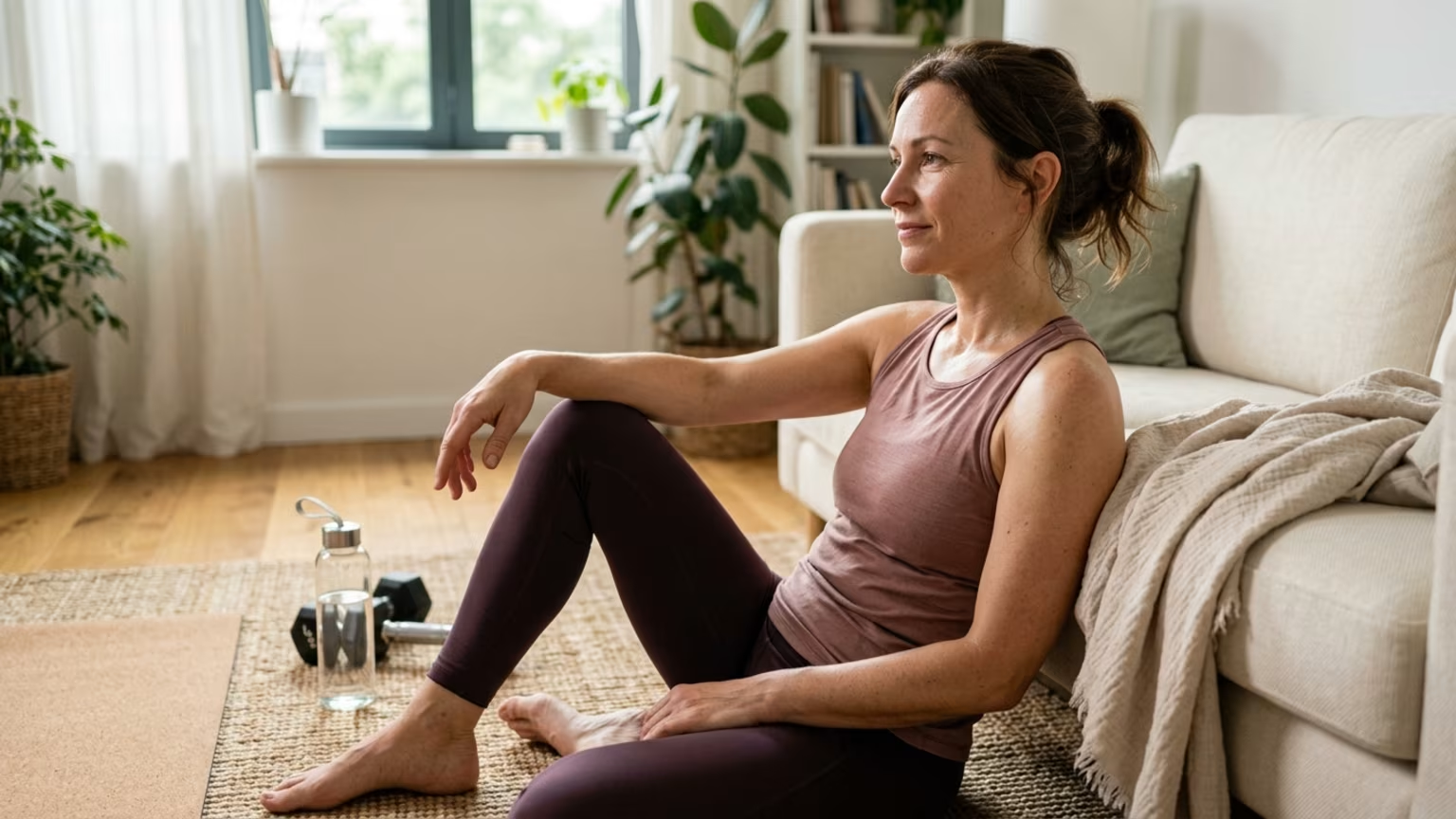
Next, build a dedicated recovery checklist into your weekly schedule to support better lifestyle, recovery, and environmental aging outcomes. Plan for one or two rest days each week using gentle movement like walking or easy yoga. Protect your sleep environment to help reach the Centers for Disease Control and Prevention recommendation of at least seven hours nightly. This rest period is vital for immune function, hormone balance, and nervous system regulation.
Pair this routine with regular meals containing adequate protein and nutrient-dense foods. A recent review notes that the adult protein recommendation is 0.8 grams per kilogram of body weight. However, higher intakes are often discussed for older adults managing physical function and resilience. You can adapt these movement guidelines to fit your lifestyle and support long-term skin longevity and healthy aging.
Frame this entire approach as a way to support whole-person vitality over time. Avoid using muscle soreness as the only measure of an effective workout. Instead, view recovery as a skill you can develop to improve how your body handles stress. By intentionally planning your rest periods, you allow your physical foundation to grow stronger.
As expert guidance increasingly views physical activity and rest as equal partners, our perspective on wellness continues to mature. We are moving away from the idea that physical resilience requires endless, exhausting exertion. Instead, the future of wellness focuses on how intelligently we allow our bodies to recover and adapt. As clinical research continues to explore the intersections of muscular health and systemic recovery, what new markers will emerge to help us measure the true effectiveness of our daily rest?
Stay connected for research and practical guidance on skin, hair, collagen, nutrition and beauty longevity. Clear ideas for people who want to understand how appearance changes with age and make better-informed choices over time.


Understand your skin, hair and body better without chasing every new trend, treatment or promise.
explore the Blog