
A Nature Medicine analysis links diet and activity with aging-related biomarker changes. A measured look at the findings and their limits.





The Nature Medicine paper “Responsiveness of epigenetic aging biomarkers to longevity interventions in humans” was published on August 19, 2026. It assessed aging-related measurements across studies of medication and lifestyle interventions.
In its November 1, 2026 report, BGNES highlighted a lifestyle finding: several dietary patterns and regular physical activity were associated with improvements in aging-related biomarkers. For readers following longevity research, the important question is what those measurements establish about healthy aging.
According to the Nature Medicine listing, the paper assessed 16 epigenetic aging clocks across 51 longitudinal studies of pharmacological and lifestyle interventions. Its focus was whether these biomarkers responded to interventions over time.
BGNES reports that researchers examined more than 110 DNA-methylation biomarkers. These measurements are central to the reported findings. The analysis concerns how aging-related markers change following interventions rather than a single trial of one diet or exercise routine.
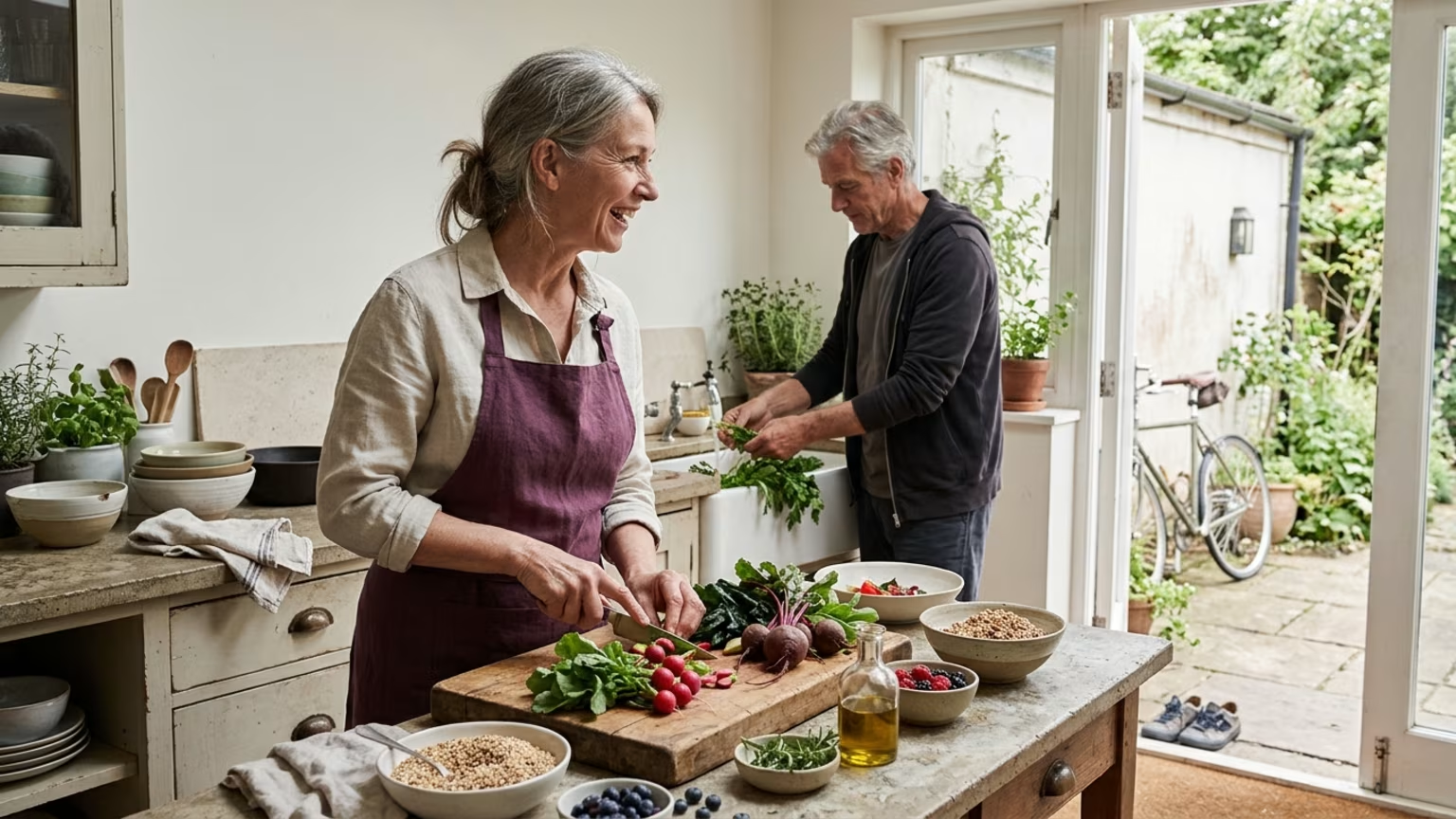
In the lifestyle findings, BGNES names Mediterranean, low-carbohydrate, and low-fat diets as dietary patterns associated with improvements in aging-related markers. Regular physical activity was also associated with favorable changes.
The presence of several dietary approaches is worth noting. The report describes a signal across different ways of eating rather than presenting one menu as the central finding. Diet and movement belong within the broader intervention analysis alongside medications and other approaches.
BGNES also reports that the strongest biomarker effects were observed with metformin, semaglutide, and anti-TNF therapies. That finding concerns the relative response of biomarkers within the reported analysis. Its practical interpretation requires a separate discussion from the lifestyle findings.
The useful scientific question is therefore specific: which interventions are associated with changes in these measurements? Keeping that question clear makes the findings easier to assess without turning the language of aging research into a promise about an individual's future.
The central limitation is the distance between a biomarker result and a demonstrated health outcome. BGNES explicitly cautions that changes in biological-age markers do not establish that an intervention extends life or slows aging itself. A favorable measurement is not proof of biological-age reversal.
The accessible Nature Medicine listing does not provide the full study text. The available material also does not supply participant totals or intervention-specific effect sizes. That prevents a detailed assessment of how large the reported lifestyle changes were or how consistently they appeared across the underlying studies.
The counts of clocks and studies describe the scope of the analysis. They are not measures of benefit. Likewise, the report's description of the “strongest” medication effects does not provide a numerical estimate that readers can apply to their own circumstances.
The lifestyle findings do not establish that one diet is best for every person. They also do not provide a particular exercise prescription. Naming a dietary pattern is not the same as identifying the details of a routine that would reproduce the reported result.
For supplements, BGNES describes the evidence for aging-related benefits as limited and inconsistent. That finding does not justify a blanket conclusion about every supplement or every possible use. It does leave supplement claims without a clear endorsement from this report.
Finally, the available sources do not establish skin, hair, collagen or appearance outcomes. Those are separate questions from the aging-related biomarkers discussed here. Readers interested in visible aging should keep that distinction in view when interpreting this study's relevance.
The practical value of this report is a clearer way to evaluate longevity claims. It brings diet and regular physical activity into a discussion of measurable biological responses. It does not need to become a personalized program to be useful.
A measured reading keeps a few priorities separate:
For personal decisions about diet or activity, qualified care can help place research findings alongside individual health needs. The report is best used to inform that conversation rather than replace it. No particular schedule or dietary restriction follows from the findings described here.
This is also a useful reading habit beyond this paper: identify the intervention, identify the measurement, and identify the outcome being claimed. If the wording shifts between those categories, pause before treating them as equivalent. That approach supports Younell's aim of separating useful evidence from marketing noise.
Related questions appear in our coverage of plant-forward eating and biological-aging research and our examination of sleep duration and aging measurements. Each topic deserves attention to the outcome actually measured rather than the broad appeal of a longevity headline.
This analysis puts the responsiveness of aging biomarkers at the center of the discussion. Its reported lifestyle findings give researchers a reason to investigate how dietary patterns and regular activity relate to those measurements.
The next question is not simply which intervention moves an aging clock most. It is whether those changes reliably track meaningful health outcomes over time, and under what circumstances.
For now, the most useful takeaway is a disciplined distinction between an interesting biological signal and an established personal benefit. Keeping that distinction clear allows curiosity about longevity research without asking one analysis to answer every question about aging well.
Stay connected for research and practical guidance on skin, hair, collagen, nutrition and beauty longevity. Clear ideas for people who want to understand how appearance changes with age and make better-informed choices over time.



Understand your skin, hair and body better without chasing every new trend, treatment or promise.
explore the Blog


