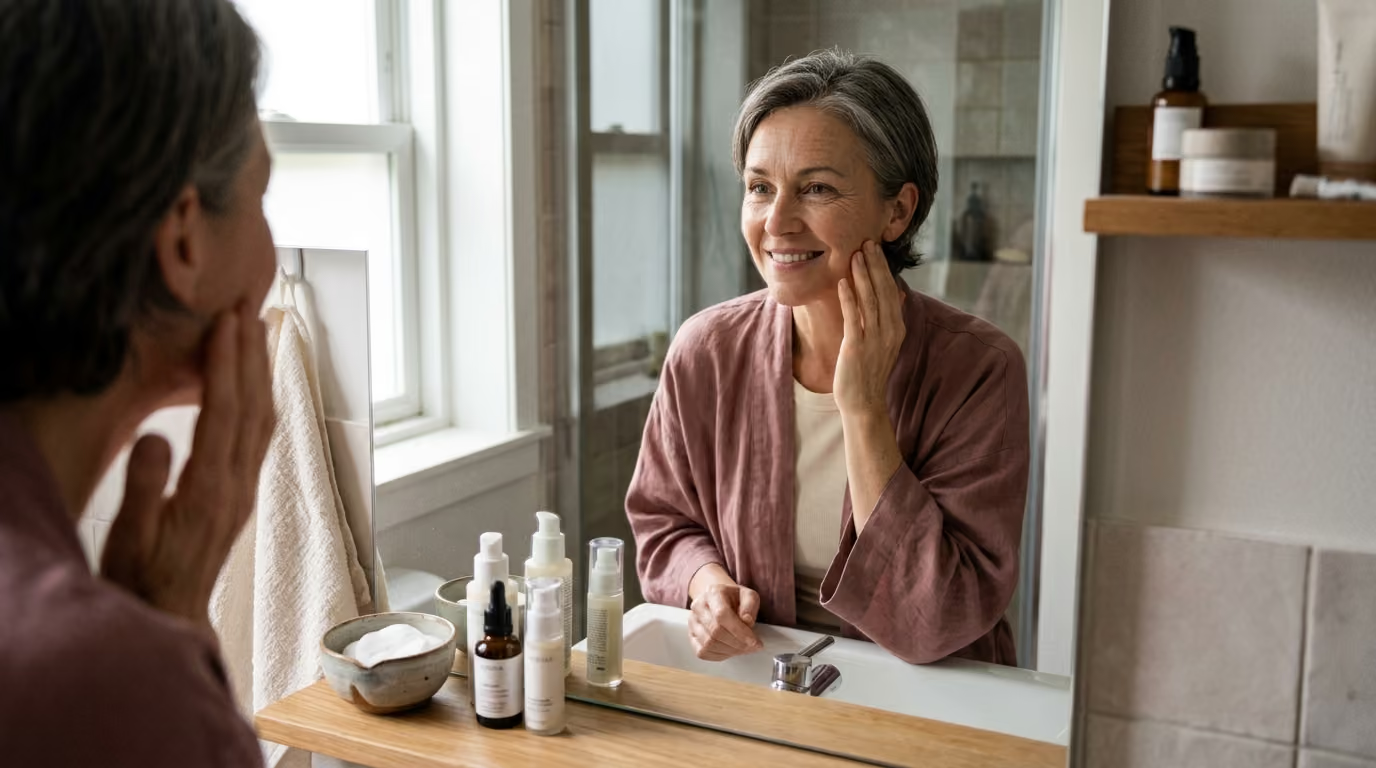

Estrogen loss during midlife slows natural collagen production and reduces skin hydration, leading to thinner tissue, increased dryness, and slower cellular repair.





You wash your face with the same gentle cleanser you have used for five years, but your skin suddenly feels tight, rough, and reactive. Products that once gave you a dewy finish now seem to disappear within minutes. Fine lines appear more noticeable around your mouth and neck, and minor scratches take weeks to fade.
These subtle yet distinct shifts often coincide with the menopausal transition. While chronological aging affects everyone, the midlife drop in ovarian hormones introduces a biological shift that changes how skin cells behave.
Navigating these changes requires separating biological realities from marketing promises. This comprehensive guide examines how declining estrogen influences dermal collagen, skin thickness, hydration, and wound repair. It outlines what changes to expect, which evidence-based interventions can help, and when symptoms require clinical evaluation.
Midlife skin changes stem from a combination of chronological aging, environmental exposure, and hormonal shifts. Research into postmenopausal skin biology reveals several consistent findings:
Skin is a major target organ for steroid hormones. Estrogen exerts its biological effects by binding to specific estrogen receptors known as ER-alpha and ER-beta. These receptors reside in almost every cutaneous compartment. When estrogen levels fall during perimenopause and menopause, the signaling pathways that maintain skin structure and repair begin to slow down.
The dermis provides structural strength, elasticity, and nutritional support to the skin. Fibroblasts are the primary cells within the dermis responsible for synthesizing the extracellular matrix. This matrix contains type I and type III collagen, elastic fibers, and ground substance.
Estrogen directly stimulates fibroblasts to produce procollagen, the precursor to mature collagen fibers. It also regulates matrix metalloproteinases, which are enzymes that break down damaged matrix proteins. When estrogen levels decline, fibroblast proliferation slows and collagen synthesis drops. At the same time, matrix degradation often continues unchecked, leading to a thinner and less organized dermal scaffold.
For a broader perspective on how structural proteins change over time, see our resource on collagen and structural aging.
While collagen gives the skin tensile strength, elastin provides recoil. Elastic fibers allow the skin to stretch and return to its original position. Postmenopausal estrogen loss alters the architecture of these elastic fibers.
Without sufficient estrogenic signaling, elastic fibers become fragmented, thinner, and less organized. This structural change diminishes skin snapback, producing visible skin laxity, crepey textures, and increased sagging along the jawline and neck.
Skin hydration depends on two distinct factors: the skin barrier's ability to keep water inside, and the presence of water-binding molecules in the dermis. Glycosaminoglycans, particularly hyaluronic acid, act as molecular sponges in the extracellular matrix. They bind water molecules to maintain dermal volume, firmness, and turgor.
As estrogen declines, dermal glycosaminoglycan synthesis drops significantly. In the outer epidermis, the production of essential barrier lipids such as ceramides, cholesterol, and free fatty acids also slows. Sebaceous glands produce less surface sebum due to shifting androgen-to-estrogen ratios.
This combination creates high transepidermal water loss. Water evaporates rapidly through the epidermis, leaving the skin feeling dry, flaky, itchy, and sensitive to environmental changes.
Estrogen promotes the proliferation and differentiation of keratinocytes, the cells that make up the epidermal layers. Under normal estrogen signaling, keratinocytes move upward through the epidermis in an orderly cycle of renewal.
With hypoestrogenism, this turnover cycle slows down. The epidermal layer becomes thinner and more fragile, while the dead stratum corneum on the surface can become irregular and rough. This slowdown creates a dull skin tone and impairs the skin's defense against mechanical friction.
Estrogen plays an active role in all phases of wound healing, including inflammation, cell migration, extracellular matrix deposition, and re-epithelialization. It modulates cytokine release, including transforming growth factor beta-1, which guides fibroblast migration to injured areas.
When estrogen is depleted, the inflammatory response to injury can become prolonged and dysregulated. Re-epithelialization occurs more slowly, and new collagen deposition at the wound site is reduced. This means minor cuts, scrapes, or blemishes often take longer to resolve and may leave lingering marks.
To learn more about cellular renewal and skin defense mechanisms, read our guide on skin longevity and healthy aging.
Dermatological and endocrine studies have documented specific structural shifts in skin after menopause. Understanding these clinical data points provides a realistic picture of midlife skin changes.
Classic dermatological studies indicate that cutaneous collagen decreases rapidly following the cessation of ovarian function. A widely cited study by Mark Brincat and colleagues demonstrated that women lose up to thirty percent of their dermal collagen within the first five years after menopause.
Following this initial decline, collagen content continues to drop at a rate of roughly two percent per postmenopausal year. Dermal thickness decreases in parallel by approximately 1.13 percent annually. These findings highlight that collagen decline is not uniform across adulthood; rather, it accelerates during the early postmenopausal period before settling into a slower, continuous drop.
Randomized controlled trials evaluating hormone therapy show consistent biological effects on the skin matrix. In one clinical investigation, twelve months of oral hormone therapy increased dermal thickness by approximately thirty percent in postmenopausal participants compared to untreated controls.
Another study reported a 6.5 percent increase in skin collagen content after just six months of systemic hormone therapy. Skin biopsy analyses confirm that estrogen administration can reactivate quiescent fibroblasts, resulting in increased procollagen mRNA expression and improved matrix density.
Studies using suction-based skin elasticity instruments demonstrate that skin firmness correlates negatively with years since menopause. In clinical evaluations, postmenopausal women receiving hormone therapy showed an average five percent improvement in skin elasticity over twelve months.
While an instrument-measured five percent increase in elasticity represents genuine biological activity, it does not completely restructure mature skin. Clinical data demonstrate that estrogen improves tissue mechanics, but it does not reproduce the skin structure of early adulthood.
The effects of estrogen withdrawal extend beyond facial and body skin to the vulvovaginal tissues. Genitourinary syndrome of menopause, or GSM, affects up to fifty percent of postmenopausal women. The vulvar and vaginal epithelium contains a high concentration of estrogen receptors.
Without estrogen, the vaginal mucosa thins, loses its rugae, and experiences a sharp decline in blood flow and lubrication. Clinical trials show that low-dose local vaginal estrogen increases superficial epithelial cells, restores healthy acidic pH, and alleviates dryness and discomfort far more effectively than non-hormonal lubricants alone.
Interpreting dermatological research requires an objective understanding of study design limitations and clinical variables. Not every finding translates uniformly to every person.
A major limitation in menopause research is separating the structural effects of hormonal decline from the cumulative effects of ultraviolet radiation. Ultraviolet light activates enzymes that fragment collagen and destroy elastin, creating deep wrinkles and uneven pigmentation.
Many postmenopausal skin trials have small sample sizes and do not fully control for lifetime sun exposure, smoking status, or baseline photodamage. While estrogen loss weakens the dermal foundation, ultraviolet radiation remains the primary external driver of visible matrix breakdown.
For an analysis of how environmental factors interact with cellular biology, review our overview of lifestyle, recovery, and environmental aging.
Studies evaluating skin thickness and collagen content employ varied measurement techniques, ranging from high-frequency ultrasound and skin biopsies to optical coherence tomography and suction elastometry. Because these instruments measure different tissue depths and physical properties, results cannot always be directly compared across trials.
Additionally, many studies focus on Caucasian skin types, leaving an evidence gap regarding how hormonal decline affects diverse skin tones with different baseline melanin levels and dermal densities.
Systemic menopausal hormone therapy has established benefits for vasomotor symptoms and bone mineral density. However, medical guidelines from the North American Menopause Society clarify that systemic hormone therapy should not be initiated solely for cosmetic skin improvements.
Systemic therapies carry specific vascular, thromboembolic, and breast health considerations that require individualized medical evaluation. Dermatological changes are secondary benefits of systemic care rather than primary clinical indications.
Managing midlife skin requires a thoughtful routine focused on barrier repair, moisture retention, photoprotection, and targeted active ingredients. A supportive approach addresses both epidermal hydration and dermal integrity.
Because falling estrogen levels reduce natural lipid and sebum synthesis, the skin barrier becomes vulnerable to irritation. Harsh cleansers strip away the remaining surface lipids, leading to chronic low-grade inflammation.
Topical humectants draw moisture from the environment and deeper tissue layers into the stratum corneum, compensating for the reduction in natural glycosaminoglycans.
Topical retinoids remain the most thoroughly researched non-hormonal ingredients for supporting dermal collagen. Retinoids bind to retinoic acid receptors in the skin, stimulating fibroblasts to produce new collagen while inhibiting matrix-degrading enzymes.
Protecting existing collagen from ultraviolet-induced breakdown is essential when hormonal collagen synthesis slows down. Daily sun protection preserves structural proteins and prevents further matrix damage.
For women experiencing systemic menopausal symptoms such as hot flashes, sleep disturbances, or joint pain, systemic hormone therapy may be considered alongside a healthcare provider.
Vulvovaginal dryness and discomfort do not resolve over time without treatment and should not be managed with regular facial skincare products.
For an in-depth look at science-backed self-care protocols, visit our beauty longevity resources.
Confusing marketing claims can make it difficult to determine which skincare approaches truly work. Examining common myths through an evidence-based lens brings clarity.
Reality: Estrogen decline contributes to structural thinning and reduced hydration, but it is not the sole factor. Photoaging from lifetime ultraviolet exposure, natural chronological aging, lifestyle habits, and genetics interact continuously. A person with substantial past sun exposure will experience deeper wrinkles and pigmentary changes regardless of their hormone levels.
Reality: Ingested collagen is broken down during digestion into individual amino acids and small bioactive peptides. While some randomized trials show modest improvements in skin elasticity and hydration, these peptides act as nutritional substrates and signaling fragments. They do not automatically replace the thirty percent dermal collagen deficit driven by ovarian hormone withdrawal.
For more details on nutritional science, see our educational resources on nutrition and beauty from within.
Reality: Compounded or over-the-counter facial estrogen creams lack the standardized dosing and rigorous safety data of FDA-approved therapies. Hormones applied topically can be absorbed into systemic circulation in unpredictable amounts. Unregulated facial application can lead to uneven dosing and unintended systemic effects.
Reality: While staying hydrated is important for overall health, postmenopausal skin dryness is fundamentally a barrier and matrix issue. When the skin lacks structural glycosaminoglycans to bind moisture and intercellular lipids to seal it in, ingested water evaporates rapidly through the epidermis. Resolving dryness requires topical lipids and humectants to repair the barrier.
Reality: Aggressive exfoliation or intense laser treatments can backfire on estrogen-depleted skin. Because hypoestrogenism slows down cellular turnover and delays wound healing, aggressive procedures carry a higher risk of prolonged redness, barrier disruption, and post-inflammatory hyperpigmentation. Gentle, progressive approaches yield safer outcomes.
To stay informed on emerging scientific evaluations, browse the Younell beauty longevity blog.
While gradual skin dryness, fine lines, and slight changes in texture are expected during midlife, certain symptoms indicate underlying dermatological or systemic conditions that require professional medical assessment.
The risk of non-melanoma skin cancers (such as basal cell carcinoma and squamous cell carcinoma) and melanoma increases with age. Any new, growing, asymmetrical, multicolored, bleeding, or non-healing spot must be evaluated by a board-certified dermatologist. Never attribute a physical lesion or persistent scab to hormonal changes.
While dry skin frequently itches, severe or widespread itching that occurs without an obvious rash can occasionally be a sign of systemic conditions. Thyroid dysfunction, renal disease, liver disorders, iron deficiency, or certain hematological conditions can present as persistent pruritus. If liberal application of thick moisturizers does not resolve the itch within two weeks, seek a medical evaluation.
A minor cut or scratch may heal somewhat more slowly after menopause, but a wound that remains open for several weeks is not normal. Persistent open sores, particularly on the lower legs or feet, require evaluation for venous insufficiency, arterial disease, diabetes mellitus, or localized skin infections.
Any episode of vaginal bleeding or spotting occurring twelve months or more after your final menstrual period requires prompt gynecological evaluation. While vaginal atrophy from estrogen depletion can cause minor spotting due to fragile tissue tears, postmenopausal bleeding is considered an abnormal finding that must be investigated to rule out endometrial hyperplasia or malignancy before initiating local therapies.
Women with a personal history of hormone-receptor-positive breast cancer or other estrogen-dependent malignancies face unique considerations. While systemic hormone therapy is generally contraindicated, managing severe GSM symptoms requires close collaboration between the patient, their gynecologist, and their oncology team. In select situations, non-hormonal therapies or carefully monitored low-dose local options may be considered after a thorough risk evaluation.
Yes. Hormone levels, particularly progesterone and estrogen, fluctuate significantly during perimenopause. Many women notice increased skin dryness, sudden sensitivity to products they previously tolerated, or unexpected midlife acne breakouts several years before their final menstrual period.
Topical ingredients support skin structure through different mechanisms. While ingredients like prescription retinoids, peptides, and vitamin C have strong evidence showing they stimulate fibroblast activity and support collagen synthesis, they do not replace the broader physiological signaling that systemic estrogen provides across all skin layers. They are complementary strategies rather than identical replacements.
As ovarian estrogen levels decline, the ratio of androgens (such as testosterone) to estrogen increases. Even normal levels of androgens can become relatively dominant when estrogen drops. This relative androgen excess can stimulate sebaceous glands to produce thicker sebum, leading to clogged pores and inflammatory breakouts along the lower face, jawline, and chin.
Not necessarily. While vasomotor hot flashes cause temporary flushing of the face, neck, and chest, persistent redness may indicate rosacea. The incidence of rosacea peaks between the ages of thirty and sixty. Estrogen decline, vascular reactivity, and barrier impairment can trigger or worsen rosacea, which requires targeted dermatological management rather than general moisturizers alone.
When transitioning to a gentle, barrier-supportive routine, surface hydration and comfort often improve within three to seven days. However, rebuilding the intercellular lipid matrix and normalizing stratum corneum turnover generally takes four to six weeks of consistent care. Collagen maintenance and structural improvements from active ingredients like retinoids require three to six months of regular use.
The term "bioidentical" simply means the hormone is chemically identical to the estradiol produced by the human ovary. Many FDA-approved, commercially available hormone therapies use plant-derived bioidentical estradiol and are subject to strict quality control and dosing standards. Custom-compounded hormone creams, by contrast, lack standardized safety testing and consistent batch-to-batch dosing, meaning they carry unregulated absorption risks.
Revisit this guide if your skin experiences a sudden change in texture or sensitivity, when transitioning through different stages of perimenopause or postmenopause, or before scheduling intensive dermatological procedures. It also serves as a helpful reference when discussing treatment options, such as topical retinoids or hormone therapy, with your healthcare provider.
Understanding the biology of midlife skin allows you to make calm, informed choices that protect your skin barrier, maintain tissue strength, and support healthy aging over the long term.
Stay connected for research and practical guidance on skin, hair, collagen, nutrition and beauty longevity. Clear ideas for people who want to understand how appearance changes with age and make better-informed choices over time.


Understand your skin, hair and body better without chasing every new trend, treatment or promise.
explore the Blog