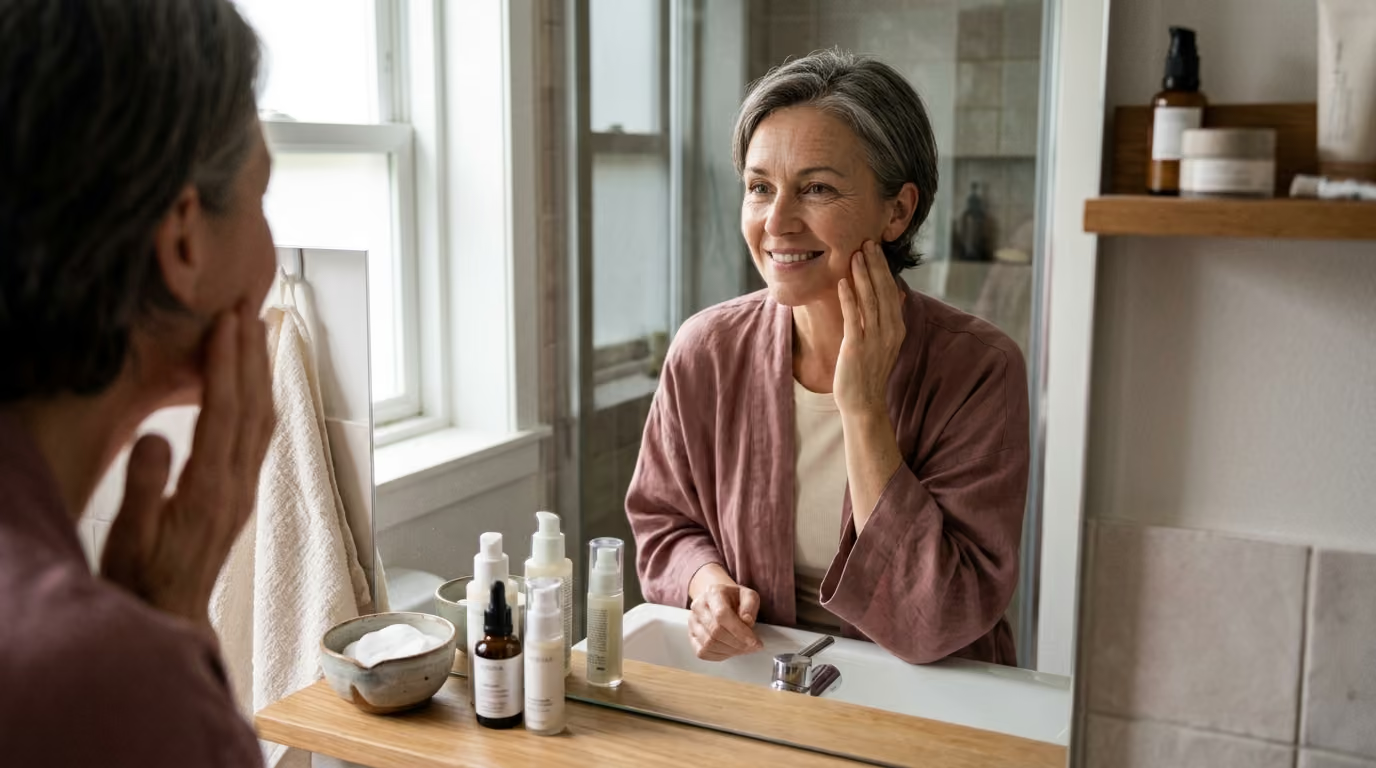

Midlife hormonal shifts often trigger sudden dryness, redness, and breakouts, requiring evidence-based routine adjustments to restore barrier health.





Perimenopause skincare is not a distinct medical category requiring an entirely new cosmetic product for every symptom. It is an intentional adjustment of daily habits to support an epidermal barrier experiencing physiological shifts in lipid production, vascular reactivity, and cellular turnover. It is not about stopping natural biological transitions or reversing chronological age. Instead, it involves understanding how changing hormone levels alter barrier resilience, and adapting active ingredients to maintain skin comfort over time.
Navigating these shifts requires separating laboratory observations from marketing promises. Many individuals find that products tolerated for years suddenly cause burning, flaking, or redness. At the same time, unpredictable blemishes may emerge alongside persistent surface dryness. This comprehensive resource examines the published evidence on hormonal skin changes, details the biological mechanisms behind midlife barrier disruption, and provides a structured guide to adjusting topical routines.
Scientific investigations into midlife skin changes show that hormonal shifts directly influence the structural integrity and defensive functions of the skin. While research has historically focused on postmenopausal women, emerging studies highlight the transitional perimenopausal phase as a time of significant cutaneous fluctuation. The key evidence-based observations from recent clinical and laboratory research include:
Understanding these interconnected factors allows for a more measured response. Rather than layering multiple corrective products, the goal is to stabilize the barrier and manage inflammation.
To understand why skin becomes unpredictable during perimenopause, it is essential to examine the physiological role of estrogen in cutaneous biology. The skin is an active endocrine target tissue containing estrogen receptors in both the epidermis and dermis. When ovarian estrogen synthesis becomes irregular during perimenopause, several foundational biological processes are altered.
The stratum corneum acts as the primary physical shield of the body. It consists of mature, keratinized cells called corneocytes surrounded by an organized lipid matrix of ceramides, cholesterol, and free fatty acids. In healthy skin with steady estrogen signaling, these lipids are synthesized in precise ratios and chain lengths. Estrogen supports the enzymes responsible for synthesizing long-chain ceramides, which pack tightly together to prevent moisture evaporation and block environmental irritants.
As estrogen levels decline and fluctuate, lipid synthesis changes. The skin produces shorter-chain ceramides, which cannot form the same tight, lamellar sheet organization. This structural loosening increases transepidermal water loss, allowing moisture to evaporate rapidly from the deeper layers of the epidermis into the surrounding air. Consequently, the skin loses its natural hydration reserve, leading to the clinical sensation of persistent tightness, rough texture, and chronic flaking.
Simultaneously, estrogen loss affects hyaluronic acid production within the extracellular matrix. Hyaluronic acid is a glycosaminoglycan capable of binding large amounts of water, providing turgor and mechanical cushioning. When its synthesis slows, the skin loses its internal water-holding capacity. This internal dehydration weakens the physical support of the outer epidermal layers, compounding surface dryness.
Another biological shift involves the sebaceous gland apparatus. Sebaceous glands possess androgen receptors that respond to testosterone and dihydrotestosterone. In reproductive years, balanced estrogen levels moderate the effect of circulating androgens on sebum production. During perimenopause, declining estrogen alters this ratio, leading to a state of relative androgen excess.
Even though overall lipid synthesis in the stratum corneum decreases, sebaceous glands can remain active or produce sebum with altered biochemical characteristics. When thickened sebum mixes with poorly shed, dry corneocytes at the follicular opening, microcomedones form. This creates an environment where localized acne lesions develop on skin that is otherwise suffering from dehydration and barrier impairment.
Finally, microvascular control within the dermis becomes less stable. Estrogen exerts a modulating effect on vascular smooth muscle tone and endothelial function. As estrogen drops, the autonomic regulation of cutaneous blood vessels fluctuates, causing sudden, dramatic vessel dilation. This vascular instability presents as sudden flushing, heightened warmth, and transient erythema, which can degrade the local microenvironment and provoke neurogenic inflammation over time.
Evaluating clinical trials and observational studies helps distinguish measurable physiological changes from unverified commercial claims. Grounding skincare decisions in published research allows for realistic expectations regarding topical interventions.
A 2022 laboratory investigation published in Scientific Reports evaluated lipid organization and ceramide profiles in female stratum corneum. The researchers identified a clear structural difference: postmenopausal skin samples exhibited a higher proportion of short-chain ceramides compared to premenopausal samples. This molecular shift directly correlated with elevated transepidermal water loss. The study confirmed that age-associated and menopause-associated dryness is not merely a surface issue, but a measurable biochemical alteration in epidermal lipid structure.
A 2024 clinical trial examined 176 women aged 45 to 55 who were actively experiencing menopausal symptoms. The researchers utilized the validated Simplified Menopausal Index to assess systemic symptom severity while measuring biophysical skin parameters. The data demonstrated that participants with higher menopausal symptom scores had statistically significant increases in transepidermal water loss and higher rates of pruritus. Interestingly, the study evaluated a topical intervention using low-molecular-weight hyaluronic acid fragments. In the high-symptom cohort, applying these fragments led to measurable improvements in stratum corneum hydration and reduced barrier permeability.
Large-scale survey data reinforce these laboratory and clinical findings on a broader population level. A digital survey evaluating women aged 20 to 65 found that nearly 32 percent of peri- and postmenopausal respondents reported a noticeable onset of skin sensitivity. The most frequent complaints included unexpected bumps, persistent dryness, itching, and broad areas of redness. Respondents consistently identified common environmental factors, including weather extremes, standard toiletries, and emotional stress, as triggers for acute skin discomfort.
More recent observational research continues to validate these trends. A 2026 survey of 1,457 women navigating perimenopause or menopause in the United Kingdom revealed widespread dermatological challenges. Among participants, 70 percent reported dry skin, 64 percent experienced itching, 45 percent developed acne or localized blemishes, and 35 percent dealt with frequent facial redness. Notably, 46 percent classified their skin changes as moderate or severe, emphasizing that midlife barrier disruption significantly impacts daily comfort.
Regarding pigmentation and vascular conditions, a 2025 systematic review provided critical insights into midlife dermatoses. The authors found that while inflammatory conditions such as rosacea and classic adolescent acne often show lower incidence rates after menopause, menopausal hormone therapy was associated with an increased risk of incident rosacea in data from the Nurses' Health Study II. The same review noted that melasma outcomes during the menopausal transition are highly variable, frequently presenting in atypical distributions outside the central face. These findings indicate that pigment changes and redness during midlife are multifactorial, requiring personalized assessment rather than generic skincare solutions.
While the available biological and clinical data provide a helpful foundation, significant gaps exist within the scientific literature. Recognizing these limitations is essential to avoid over-interpreting study results or purchasing products based on preliminary findings.
First, the majority of rigorous dermatological research focuses on postmenopausal cohorts rather than women actively in perimenopause. Postmenopause represents a relatively stable state of low estrogen, whereas perimenopause is characterized by erratic hormonal fluctuations. Hormone levels can surge and drop unpredictably from month to month or week to week. Consequently, study findings derived from postmenopausal populations cannot always be directly applied to the shifting environment of perimenopause.
Second, much of the published literature relies on self-reported questionnaires, narrative reviews, or small, uncontrolled sample sizes. Surveys provide valuable insight into how women perceive their skin, but they do not control for confounding variables. Factors such as cumulative ultraviolet radiation, geographic climate, concurrent medications, psychological stress, and long-term cosmetic use are rarely isolated. A survey showing a high prevalence of dry skin cannot prove that estrogen depletion was the sole cause of that dryness.
Third, randomized, double-blind, placebo-controlled trials evaluating complete cosmetic routines specifically in perimenopausal women are virtually non-existent. Most commercial skincare trials test individual raw ingredients in idealized vehicle formulas over brief periods, typically four to twelve weeks. These trials rarely compare the tested active against standard, low-cost moisturizers in head-to-head formats. As a result, there is no validated clinical protocol proving that a specific multi-step routine is universally superior for perimenopausal skin.
Finally, topical cosmetic ingredients cannot replace systemic endocrine function. While topically applied humectants, lipids, and vitamins support the physical stratum corneum, they do not alter ovarian hormone production. Skincare claims suggesting that over-the-counter creams can restore youthful hormonal balance represent marketing overreach rather than established physiology. Readers should approach product claims with healthy skepticism and prioritize basic barrier preservation over complex regimens.
Adapting your skincare routine during perimenopause does not require an exhaustive array of specialized formulas. The most effective approach is to simplify the daily routine, focus on consistent barrier support, and introduce potent actives with caution.
The primary goal of the morning routine is environmental defense and barrier maintenance. Because overnight sebum production may be reduced, cleansing strategies should be adjusted based on individual comfort.
The evening routine should prioritize repair, restoration, and minimal disruption. When the skin barrier is compromised, nighttime is the optimal window to replenish lost lipids and support cellular recovery.
To deepen your understanding of how overall physical health influences tissue maintenance, explore our dedicated guide on lifestyle, recovery, and environmental aging factors.
When skin tolerance changes during perimenopause, active ingredients like retinoids, chemical exfoliants, and acne treatments must be managed carefully. Applying multiple potent actives simultaneously often leads to irritant contact dermatitis, worsening both barrier function and inflammatory breakouts.
Topical retinoids, including over-the-counter retinol, retinaldehyde, and prescription tretinoin, remain widely used for photoaging and adult acne. However, the American Academy of Dermatology notes that individuals with elevated skin dryness or sensitivity may struggle with retinoid tolerance. Retinoids can temporarily increase transepidermal water loss and loosen stratum corneum cohesion during the initial weeks of use.
To maintain retinoid benefits without compromising the skin barrier, follow these measured application steps:
Alpha-hydroxy acids like glycolic and lactic acid, beta-hydroxy acids like salicylic acid, and polyhydroxy acids like gluconolactone are common in exfoliating regimens. However, there is no scientific evidence suggesting that perimenopausal skin requires frequent or high-concentration chemical peels at home.
Because the rate of epidermal cellular turnover naturally slows with age, aggressive chemical exfoliation can easily strip away healthy corneocytes before the underlying barrier has matured. Treat chemical exfoliants as optional rather than mandatory. If you choose to use an acid to address rough texture or clogged pores:
Perimenopausal acne requires a balanced strategy. Treating adult blemishes with harsh products designed for oily adolescent skin often leads to severe peeling, redness, and inflammation. Because midlife acne typically appears on a background of dry or delicate skin, localized lesion management is far more effective than full-face drying treatments.
For broader insights into cellular health and structural skin proteins, consult our comprehensive resource on collagen and structural skin aging mechanisms.
Facial redness and pigment irregularities during perimenopause stem from distinct biological mechanisms. Addressing them successfully requires identifying the underlying cause rather than applying generic brightening or soothing creams.
Vasomotor flushing affects roughly 75 percent of women during the menopausal transition. These sudden episodes of redness and warmth occur when erratic estrogen levels disrupt autonomic vascular regulation in the dermis. Because this vascular dilation is internally driven, topical skincare cannot stop the flush from occurring.
To manage flushing and prevent secondary cutaneous irritation:
Pigment irregularities during midlife often represent a combination of cumulative lifetime ultraviolet exposure and fluctuating hormonal stimulation of melanocytes. Post-inflammatory hyperpigmentation can also develop following acne lesions or bouts of irritant dermatitis.
To learn more about evidence-based formulations and cosmetic ingredient science, explore our detailed editorial on modern beauty science and advanced skin optimization.
The beauty industry frequently markets products to midlife women using unverified claims and dramatic language. Comparing these common marketing narratives with published scientific evidence helps you make informed, confident choices for your skincare routine.
Marketing campaigns often suggest that the onset of perimenopause renders your existing skincare entirely obsolete, requiring a dedicated collection of specialized products. In reality, the fundamental needs of the skin barrier remain consistent throughout adulthood: gentle cleansing, adequate lipid and humectant replenishment, and reliable sun protection. A gentle, fragrance-free moisturizer with ceramides and glycerin formulated for sensitive skin will support your barrier just as effectively as a product marketed specifically for menopause, often at a fraction of the cost.
When breakouts appear during midlife, many people revert to the harsh cleansing routines of their youth, using alcohol-based toners, foaming clay cleansers, and physical scrubs. In perimenopause, however, acne almost always occurs on a background of an already compromised lipid barrier. Stripping away surface oils impairs the stratum corneum further, allowing bacteria and irritants to penetrate easily while triggering inflammatory cascades that make breakouts more red, tender, and persistent.
Commercial products sometimes feature botanical extracts marketed as natural phytoestrogens, implying they can replace the biological effects of human estrogen in the skin. While certain plant compounds exhibit mild antioxidant properties, there is no high-quality clinical trial evidence demonstrating that over-the-counter phytoestrogen creams can replicate systemic endocrine function or rebuild deep dermal architecture. Decisions regarding systemic hormone replacement therapy involve complex medical evaluations that cannot be addressed through cosmetic purchases.
To explore foundational biological perspectives on longevity and long-term skin health, read our resource on evidence-based skin longevity and healthy aging principles.
You can often continue using a prescription retinoid, but you may need to adjust your application technique and frequency. If your skin feels tight or sensitive, reduce your application schedule to once or twice per week. Always apply the retinoid over a layer of gentle moisturizer, and ensure your skin is completely dry before application. If stinging, flaking, or redness persists despite buffering, pause the retinoid entirely and consult your prescribing dermatologist for guidance on a lower concentration.
Facial oils provide emollient and occlusive benefits, helping to smooth the surface and seal in moisture, but they do not supply water or humectants to the skin. True hydration requires humectants, such as glycerin or hyaluronic acid, to attract water, alongside physiological lipids, such as ceramides and fatty acids, to repair the barrier. Using an oil alone on dry, dehydrated skin can trap dryness underneath without resolving transepidermal water loss. For optimal results, apply a comprehensive moisturizer containing both humectants and lipids, and layer a pure oil on top only if you need additional occlusion.
Barrier-induced redness typically occurs directly after applying skincare products, presenting as a temporary stinging, burning sensation accompanied by surface flaking and generalized tightness. It usually resolves within several days to two weeks of stopping active ingredients and using only a gentle cleanser and barrier cream. Rosacea, by contrast, tends to be persistent, focusing on the central face, such as the cheeks, nose, chin, and forehead. It is often accompanied by visible blood vessels, inflammatory bumps resembling small pimples, and eye irritation. If redness does not improve after simplifying your routine, schedule an evaluation with a dermatologist.
Oral collagen supplements, typically sold as hydrolyzed collagen peptides, are broken down into short peptides and amino acids within the digestive tract. Some clinical studies suggest these absorbed peptides can signal dermal fibroblasts to support natural collagen and hyaluronic acid synthesis, leading to modest improvements in skin elasticity and hydration. However, oral supplements cannot single-handedly repair a disrupted stratum corneum or replace topical sun protection. They should be viewed as an optional nutritional support rather than a replacement for foundational topical barrier care and broad-spectrum sunscreen.
Stay connected for research and practical guidance on skin, hair, collagen, nutrition and beauty longevity. Clear ideas for people who want to understand how appearance changes with age and make better-informed choices over time.


Understand your skin, hair and body better without chasing every new trend, treatment or promise.
explore the Blog