
A recent Flinders University study reveals how social media wellness content often promotes rigid food rules. Learn to navigate online nutrition science.





In September 2026, a new study published in the Journal of Technology in Behavioral Science revealed how popular wellness content often promotes restrictive eating ideals. The Flinders University research team analyzed 300 popular TikTok and Instagram posts tagged with #healthylifestyle, #nutrition, and #cleaneating. The authors evaluated how these visual platforms present nutritional advice to health conscious viewers.
The study was titled “Eat Like Me = Look Like Me: A Content Analysis of Healthy Lifestyle, Nutrition and Clean Eating Social Media Content.” It was authored by Katie Porteous, Eva Kemps, Ashleigh Powell, and Ivanka Prichard. The published research paper holds the DOI 10.1007/s41347-026-00685-5. Their findings offer a measured look at how digital media shapes our understanding of physical health.
For women seeking balanced approaches to healthy aging, this research provides important context about the nutritional guidance circulating online. With digital platforms heavily influencing daily lifestyle choices, understanding the nature of this information is vital. Many adults turn to these networks for inspiration regarding skin care, meal planning, and foundational wellness. Recognizing the difference between verified biological science and aesthetic marketing helps consumers make better choices.
Translating these scientific observations into everyday language requires looking at the psychological mechanisms behind diet culture. The researchers stated that the analyzed content reflected attitudes and behaviors associated with orthorexia nervosa. Porteous described this condition as a fixation on eating foods perceived as pure, right, or healthy. It also involves strictly avoiding foods that are perceived as unhealthy.
Lead author Katie Porteous warned that health focused online content can easily cross a crucial line. It can move from encouraging healthy habits toward promoting unhealthy rigidity. This happens when content pushes strict food rules and suggests that physical health depends on absolute dietary compliance. Porteous summarized a recurring message in these posts as “if you eat like me, you can look like me.”
This appearance-based definition of wellness often ignores the biological reality of how our bodies age over time. Porteous emphasized that human health is heavily influenced by genetics, lifestyle, culture, and personal circumstances. She clearly stated that there is no single diet that works for everyone. True beauty longevity requires a broader understanding of metabolic function rather than rigid adherence to a single eating pattern.
When nutrition is framed solely around achieving a specific look, the fundamental biology of nourishment is lost. Skin health, hair growth, and collagen production rely on consistent and varied nutrient intake. Restrictive eating can deprive the body of essential building blocks required for cellular repair. Focusing on internal function rather than external validation offers a more sustainable path to long-term well-being.
The clinical data from the Flinders University analysis reveals distinct patterns in how nutrition is presented online. The researchers found that 67% of the analyzed posts emphasized clean or healthy eating. However, almost one-third of the posts actively promoted food restrictions or rigid rules. Furthermore, approximately one in five posts morally classified foods as “good” or “bad.”
The statistics also highlight a significant gap in professional qualifications among content creators. According to the reported findings, unqualified influencers accounted for 78% of the creators analyzed. The research team subsequently classified more than two-thirds of the health information as misleading or deceptive. In contrast, they noted that qualified health professionals were more likely to provide accurate, evidence-based advice.
The study also tracked how frequently specific products were marketed to health conscious viewers. Approximately three-quarters of the posts promoted supplements or superfoods. These products were often presented as essential to health without providing substantial scientific context. This finding aligns with trends we frequently observe when evaluating lifestyle interventions.
During our extensive review of environmental aging, we tested how various lifestyle factors impact skin barrier recovery. It was fascinating to see the data clearly show that simple habits like sleep and basic hydration often outperform the most expensive topical treatments. This reinforced our commitment to emphasizing foundational health over product hype. Supplements can play a role in targeted nutrition, but they rarely replace the benefits of a balanced lifestyle.
While these statistics are compelling, it is crucial to understand the scientific limitations of this research. The Flinders University study examined a specific sample of 300 popular posts under three hashtags. It should not be treated as a complete census of all wellness content on either platform. The findings show that restrictive messages appeared in the analyzed content.
The report does not establish that viewing these posts causes orthorexia nervosa, metabolic disease, or skin problems. The study links content patterns with attitudes associated with restrictive eating. It does not diagnose the creators or the viewers with any specific medical condition. The reported classification of deceptive information is based solely on the researchers' specific coding framework.
The 78% figure regarding unqualified influencers applies only to this defined sample of creators. It should not be generalized to represent all social media health content or every wellness creator. A separate 2026 study of 446 young adults in Australia and China reported related findings. It found that people who frequently watched eating videos were more likely to experience body-image concerns, strong food cravings, and symptoms linked to disordered eating.
That separate study was published in the journal Body Image. Because it specifically involved young adults, its findings should not automatically be generalized to women aged 30 to 60. The broader evidence base remains heterogeneous regarding the direct impacts of media exposure. We must treat these studies as observations of media trends rather than clinical trials of biological outcomes.
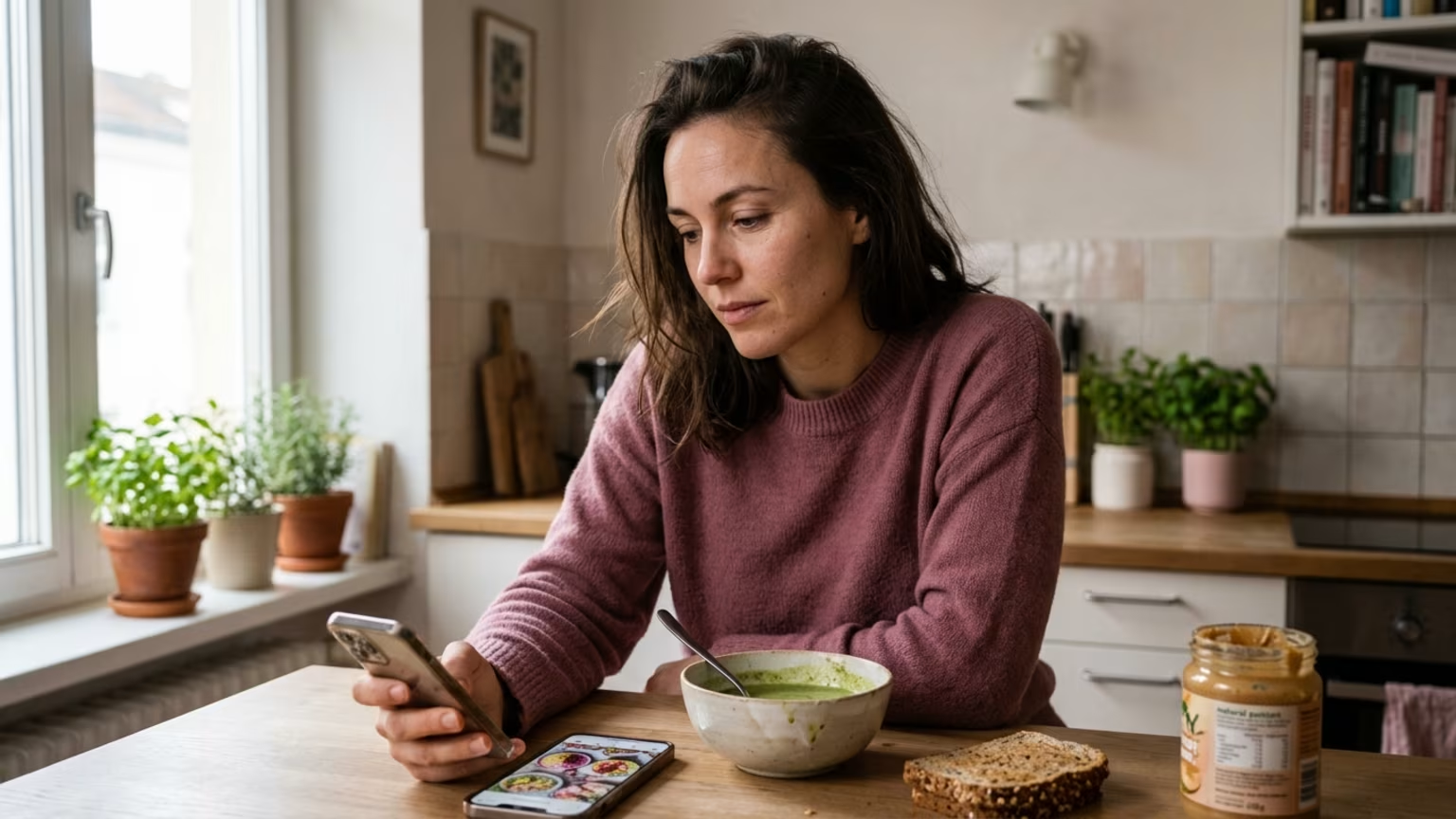
Navigating online wellness advice requires a cautious approach to rigid dietary rules. Health conscious adults should treat “eat this way to look like me” messaging as a warning sign. The study specifically identified appearance-based definitions of health as a recurring and problematic content pattern. Nearly two-thirds of the posts featured body objectification or connected health with achieving a lean, toned appearance.
Instead of adopting inflexible rules, seek nutrition guidance that discusses adequacy, variety, and sustainability. Ivanka Prichard, a body image expert, noted that wellness posts can package rigid and inflexible eating standards as self-improvement advice. Prichard said healthy eating should be flexible, enjoyable, and sustainable. It should not be defined by strict compliance, restriction, or physical appearance.
You can protect your well-being by critically evaluating the credentials of online creators. Determine whether their claims are supported by peer-reviewed research before altering your routine. Focusing on practicing digital wellness and healthy screen habits helps maintain a grounded perspective on nutrition. Use online platforms to find new recipe ideas rather than treating them as medical authorities.
Verify complex diet claims with a registered dietitian or a qualified medical professional. This is especially important for individuals seeking the best eating patterns for healthy hair and long-term vitality. Additionally, understanding food quality and cooking for beauty health provides far more value than following restrictive trends. If food rules are becoming increasingly rigid or causing anxiety, seek support from a qualified healthcare professional.
Trying to solve nutritional confusion by consuming more online content often compounds the problem. A calm approach to health recognizes that true longevity is built on sustainable daily habits. Evaluating advancements in beauty science requires patience and a willingness to accept scientific nuance. Moving away from extreme dietary rules allows for a much healthier relationship with food and aging.
As we continue to navigate the intersection of digital media and physical health, the conversation must evolve. Will future platforms prioritize evidence-based nutritional science over engagement-driven aesthetic trends?
Stay connected for research and practical guidance on skin, hair, collagen, nutrition and beauty longevity. Clear ideas for people who want to understand how appearance changes with age and make better-informed choices over time.





Understand your skin, hair and body better without chasing every new trend, treatment or promise.
explore the Blog