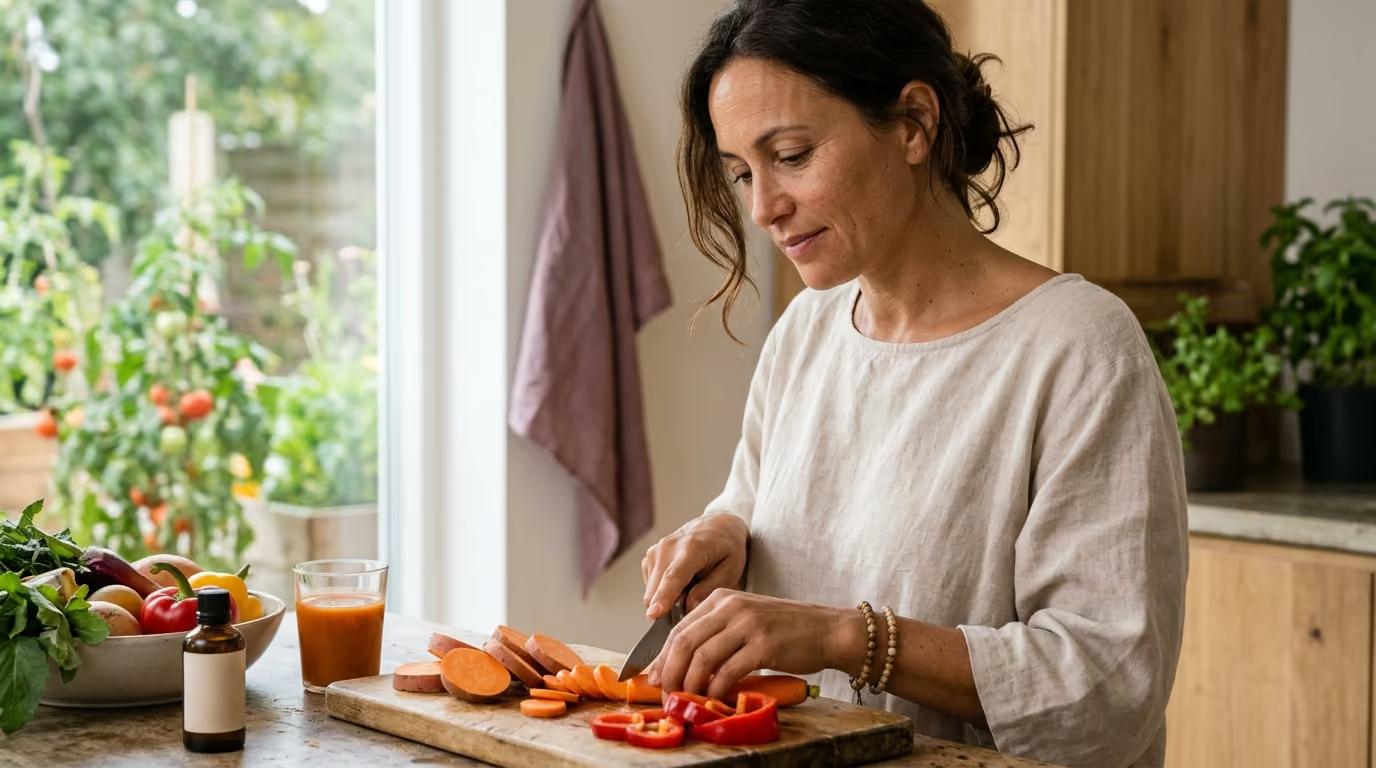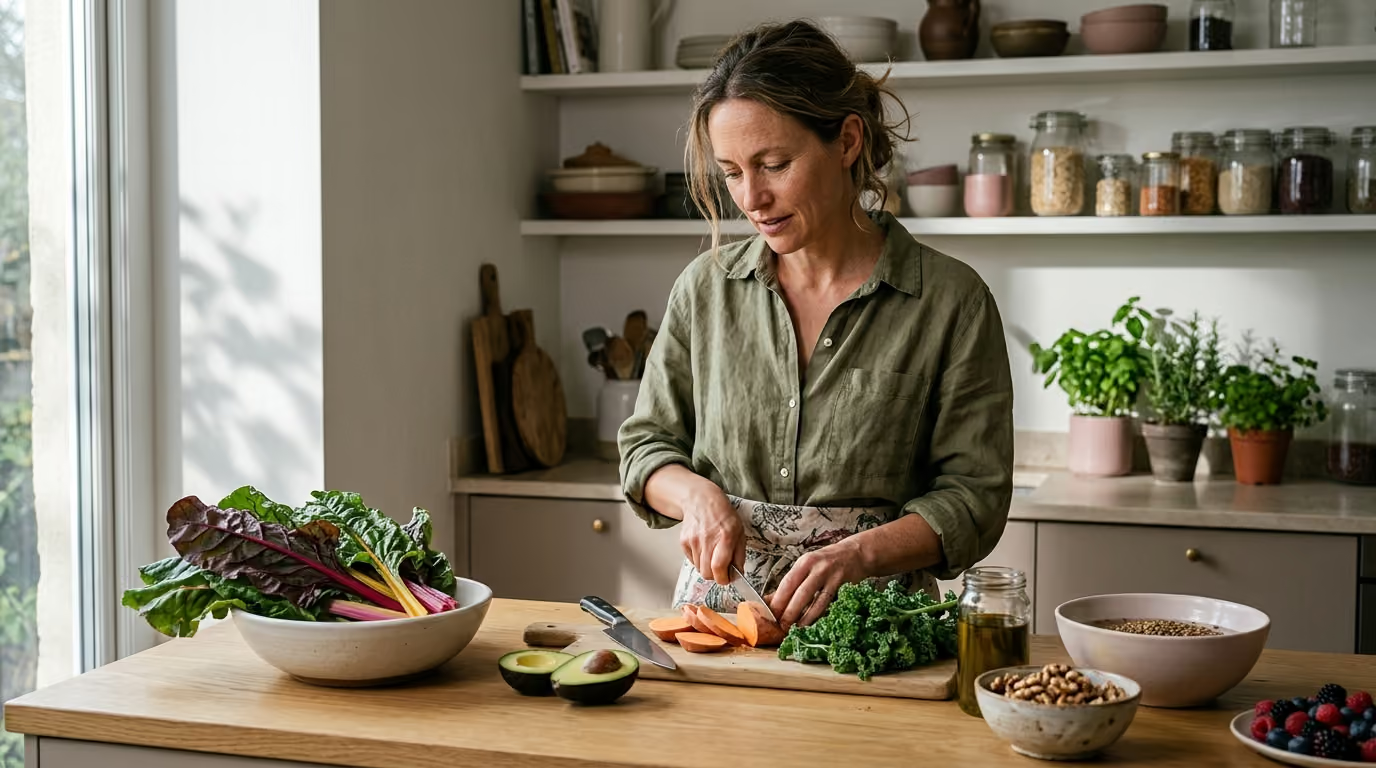

Isolated superfoods rarely transform tissue vitality, whereas balanced nutrient diversity, protective cooking techniques.





You have likely searched online for what to eat to preserve your skin, maintain collagen, and live well as you age. The answers you find are often contradictory, swinging between hyper-restrictive cleanses and endless lists of expensive superfoods. This guide provides a definitive, research-led framework for understanding how food selection, cooking methods, and sensible food handling support biological health and tissue integrity over time.
Instead of chasing singular miracle ingredients or fearing everyday meals, you will learn how to build a resilient nutritional system. By looking closely at the biological interactions between food compounds, preparation techniques, and cellular aging, you can make informed, calm dietary decisions that serve your body for decades.
Evaluating nutrition for long-term health requires moving past narrow definitions of food purity. True food quality is multifaceted, balancing nutrient density, preparation, safety, and dietary variety.
Building long-term vitality is not about achieving absolute purity. It is about establishing reliable, enjoyable habits that provide steady structural support to your cells and tissues.
The physical integrity of your skin, hair, and connective tissues depends directly on the metabolic substrates you consume. While topically applied products interact with the outermost layers of the skin, internal physiology determines how structural proteins are constructed and preserved. Understanding these pathways clarifies why food quality and preparation matter so profoundly.
Collagen is the primary structural protein in the dermis, tendons, and extracellular matrix. It provides tensile strength, structural stability, and firmness to tissues throughout the body. The biological synthesis of collagen is an intricate enzymatic process that begins inside the fibroblast cells.
Fibroblasts assemble amino acid chains, predominantly glycine, proline, and hydroxyproline, into procollagen precursors. For these precursor chains to twist into a stable triple-helix structure, specific proline and lysine residues must undergo enzymatic hydroxylation. The enzymes responsible for this reaction, prolyl hydroxylase and lysyl hydroxylase, require vitamin C as an essential electron-donating cofactor.
When ascorbic acid levels are insufficient, these enzymes cannot function efficiently. This leads to unstable, structurally compromised collagen fibers that degrade rapidly. Including rich, whole-food sources of vitamin C alongside adequate dietary protein directly supports your fibroblasts in maintaining steady collagen synthesis and tissue architecture.
Dietary compounds also influence tissue health through the process of glycation. Advanced glycation end products, often abbreviated as AGEs, are formed when reducing sugars react non-enzymatically with proteins, lipids, or nucleic acids. This complex chemical sequence, known as the Maillard reaction, occurs both inside the human body and during high-heat culinary preparation.
When AGEs accumulate within the extracellular matrix of the dermis, they form abnormal cross-links between adjacent collagen and elastin fibers. This cross-linking reduces the natural flexibility and suppleness of the structural matrix, leading to progressive tissue stiffening.
Furthermore, AGEs can bind to specific cellular receptors known as RAGE. This binding triggers intracellular signaling cascades that promote oxidative stress and inflammatory pathways. Limiting the intake of preformed dietary AGEs helps protect long-lived structural proteins from unnecessary microstructural damage.
The outermost protective layer of the skin, the stratum corneum, functions as a barrier against moisture loss and environmental insults. This physical barrier consists of corneocyte cells surrounded by a dense, organized lipid matrix composed of ceramides, cholesterol, and free fatty acids.
Essential fatty acids, particularly linoleic acid and alpha-linolenic acid, cannot be synthesized de novo by human cells and must be acquired through the diet. Once absorbed, these polyunsaturated fats are metabolized and incorporated into cellular membranes and specialized barrier lipids. A steady intake of quality lipids supports optimal membrane fluidity, cellular signaling, and moisture retention. Exploring targeted nutritional approaches to beauty longevity helps sustain these lipid pathways as metabolic efficiency shifts over the lifespan.
Carotenoids, such as beta-carotene, lutein, zeaxanthin, and lycopene, are lipid-soluble pigments synthesized by plants. When consumed as part of a meal containing dietary fats, carotenoids are absorbed through the intestinal mucosa, packaged into lipoproteins, and transported via systemic circulation.
Over time, these compounds accumulate in the subcutaneous adipose tissue and the epidermal layers of the skin. Within dermal tissues, carotenoids act as localized antioxidants by scavenging reactive oxygen species generated by ambient ultraviolet light and atmospheric pollution. While dietary carotenoids never replace broad-spectrum topical sun protection, their presence in the cutaneous tissue provides baseline biological support against oxidative stressors.
Translating biological theory into human outcomes requires evaluating peer-reviewed clinical and epidemiological studies. The available data shows consistent patterns regarding overall dietary architecture, cooking methods, and cellular longevity.
Observational research has repeatedly evaluated the relationship between comprehensive dietary patterns and longevity metrics. A comprehensive review published in peer-reviewed literature analyzed older adult cohorts adhering closely to Mediterranean-style eating patterns. This dietary pattern emphasizes unrefined grains, legumes, abundant vegetables, fresh fruits, nuts, seeds, and extra virgin olive oil, with moderate seafood intake and lower amounts of red meat and refined sweets.
The review noted that high adherence to these traditional dietary principles was associated with a 269% greater likelihood of successful aging, defined as maintaining physical function, cognitive clarity, and low chronic disease burden. High adherence was also associated with a 33% reduction in all-cause mortality risk. These statistical associations demonstrate that consistent, nutrient-dense eating patterns support physiological resilience across the lifespan.
Clinical investigations into dietary AGEs highlight the measurable impact of culinary preparation on circulating biological markers. Researchers measuring carboxymethyl-lysine, a standard biomarker for advanced glycation, have found significant variations based on the heat and moisture applied during food preparation.
Data indicates that animal-derived foods rich in fat and protein develop the highest concentrations of AGEs when exposed to dry-heat cooking. For instance, roasting, broiling, and grilling generate substantially higher levels of carboxymethyl-lysine compared to water-based methods like boiling, poaching, and steaming.
Human dietary intervention trials have shown that placing participants on an isocaloric, low-AGE diet for several weeks leads to measurable reductions in circulating inflammatory markers, serum AGE concentrations, and indices of oxidative stress.
Nutritional dermatology trials provide specific insights into how oral compounds influence visible skin parameters. Systematic reviews examining carotenoid supplementation and carotenoid-dense dietary interventions have identified statistically significant improvements in skin erythema resistance and baseline color uniformity. The data indicates that regular carotenoid intake helps mitigate UV-induced cutaneous redness over extended periods.
Similarly, systematic reviews of randomized controlled trials evaluating hydrolyzed collagen peptides have reported improvements in skin elasticity, dermal echogenicity, and surface hydration. Participants consuming daily collagen peptides over an 8- to 12-week timeframe frequently demonstrated statistically significant improvements in skin hydration compared to placebo groups.
However, researchers emphasize that these structural benefits occur within the broader context of total daily protein intake and overall micronutrient adequacy.
While the biological mechanisms and clinical associations are compelling, scientific rigor demands acknowledging the limitations inherent in dietary and dermatological research. Nutritional science rarely offers absolute certainty, and individual outcomes are shaped by multiple confounding variables.
Much of the large-scale evidence connecting specific dietary patterns to longevity derives from observational cohort designs. In these studies, researchers track large populations over many years using food frequency questionnaires and self-reported dietary logs.
While observational studies are invaluable for identifying broad population trends, they cannot establish direct causation. Individuals who consume high-quality, varied diets often engage in other positive lifestyle behaviors. They may exercise more regularly, experience lower socioeconomic stress, maintain higher sleep quality, and avoid tobacco exposure. Although researchers use statistical modeling to adjust for these confounding variables, residual confounding can never be completely eliminated.
Intervention studies in nutritional dermatology often suffer from high heterogeneity in study design, sample composition, and outcome measurements. Clinical trials evaluating skin outcomes frequently enroll relatively small sample sizes, ranging from 30 to 120 participants.
Furthermore, the duration of these trials is typically limited to 8 to 16 weeks. This short timeframe makes it difficult to determine whether measured improvements in skin hydration or elasticity persist over decades of life.
Different trials also utilize varying formulations, molecular weights, and raw sources of active compounds, such as marine versus bovine collagen. This variability makes it challenging to generalize results from a single branded product to the broader category of dietary proteins.
Dietary quality is only one component of the complex biological system governing cellular aging and tissue appearance. Genetics play a profound role in determining baseline fibroblast activity, natural antioxidant enzyme production, and skin barrier lipid composition.
Furthermore, environmental exposures exert tremendous influence over tissue preservation. Cumulative exposure to ultraviolet radiation, ambient air pollution, and chronic psychological stress can outpace the protective effects of a healthy diet. Nutrition provides the necessary building blocks and metabolic support for repair. However, it cannot completely neutralize severe external tissue damage. Recognizing these scientific boundaries helps maintain realistic expectations regarding what diet can achieve.
Cooking is an essential human technology that improves food safety, enhances flavor, and increases the bioavailability of many valuable nutrients. However, the application of intense heat also alters the molecular structure of foods in ways that require thoughtful balance.
Water-based cooking techniques include steaming, boiling, simmering, poaching, and pressure cooking. These methods utilize moisture as the primary heat transfer medium, which inherently caps the maximum cooking temperature around the boiling point of water.
Because water-based methods operate at lower temperatures and involve moisture, they generate minimal amounts of dietary advanced glycation end products. Steaming is particularly advantageous for preserving heat-sensitive, water-soluble micronutrients such as vitamin C, folate, and various polyphenols.
When boiling vegetables, some water-soluble vitamins leach out into the surrounding liquid. To maximize nutrient retention, you can use minimal water volumes, cook vegetables just until tender-crisp, or repurpose the nutrient-rich cooking broth in soups and stews.
Dry-heat methods, such as roasting, broiling, grilling, and pan-searing, operate at substantially higher temperatures, often exceeding 350°F to 400°F. These elevated temperatures drive the Maillard reaction, creating complex flavor profiles and deep golden browning.
While culinary browning enhances palatability, excessive dry heat and open flames can generate undesirable chemical byproducts:
The practical goal is not to eliminate roasted or grilled foods entirely, but to manage temperature and avoid heavy charring. Pleasant golden-brown caramelization is distinct from blackened, burnt material. You can protect your food by marinating proteins in acidic liquids like lemon juice or vinegar, cooking at moderate temperatures, turning food regularly, and trimming away blackened portions before serving.
A common misconception in wellness culture is that fresh produce is universally superior to frozen alternatives. In reality, commercially frozen fruits and vegetables are typically harvested at peak nutritional ripeness and immediately flash-frozen. This rapid freezing process preserves sensitive vitamins and polyphenols that might otherwise degrade during extended transport and grocery store storage.
Microwave cooking is also an efficient, nutrient-preserving method when used properly. Because microwaves heat food quickly and require minimal added water, they often retain higher levels of vitamin C and antioxidant compounds than prolonged stove-top boiling. Utilizing frozen vegetables and modern microwave steaming is an evidence-based, practical strategy for maintaining steady dietary diversity on busy schedules.
Food quality is inseparable from food safety. Proper storage and handling preserve nutrient integrity while protecting the body from biological pathogens and accumulated environmental exposures.
Foodborne pathogens pose serious health risks, particularly as immune function naturally shifts across the lifespan. Preventing microbial proliferation requires strict adherence to temperature boundaries.
The standard guidance from the U.S. Food and Drug Administration establishes clear parameters for home refrigeration:
When preparing large batches of food, cooling them rapidly is vital for minimizing the time food spends in the bacterial growth zone between 40°F and 135°F. Leaving a large, deep pot of hot soup or stew on the counter to cool slowly creates an ideal environment for spore-forming bacteria to multiply.
To cool batch-cooked meals safely:
Environmental contaminants enter the food supply through natural geological presence, historical industrial pollution, and modern agricultural practices. These substances include heavy metals such as lead, cadmium, arsenic, and methylmercury, alongside synthetic pesticide residues.
A longevity-oriented approach focuses on pragmatic risk reduction rather than paralyzing anxiety. Complete elimination of all trace compounds is physically impossible, but simple kitchen habits significantly reduce overall exposure.
For deeper insights into environmental protection, see our guide on lifestyle factors and environmental exposure.
Translating these scientific principles into sustainable daily nutrition does not require complicated calculations or rigid restriction. A longevity-focused plate combines nutrient density, structural protein support, quality lipids, and diverse plant compounds into a flexible daily rhythm.
A reliable meal construction model focuses on balance, fiber diversity, and essential amino acid availability. Rather than obsessing over individual micronutrient milligram targets, build your primary meals using four foundational components:
Dietary diversity is a powerful tool for optimizing nutrient intake and reducing repetitive contaminant exposure. Instead of buying the exact same five vegetables every week, intentionally rotate plant families across your grocery trips.
As the body ages, muscle tissue and dermal fibroblasts experience a degree of anabolic resistance, requiring adequate amino acid concentrations to stimulate maintenance pathways. Distributing your protein intake evenly throughout the day is more effective than consuming a small amount at breakfast and an overwhelming portion at dinner.
Aim to include a reliable source of protein in each primary meal:
Popular wellness media often promotes simplified narratives regarding nutrition, cooking, and aging. Examining these assumptions under a scientific lens reveals important nuances.
The Myth: Raw vegetables are always nutritionally superior because cooking destroys all live enzymes and vitamins.
The Evidence: While intense cooking can degrade certain heat-sensitive vitamins like vitamin C, cooking also softens fibrous cell walls, dramatically increasing the bioavailability of other valuable compounds. For example, cooking tomatoes significantly increases the bioavailability of lycopene, a potent carotenoid. Similarly, light cooking makes beta-carotene in carrots and lutein in spinach much easier for the digestive tract to absorb. The optimal strategy is consuming a balance of both crisp raw produce and gently cooked vegetables.
The Myth: Consuming exclusively organic produce is mandatory to protect your body from harmful agricultural chemicals.
The Evidence: Organic agriculture utilizes approved natural and synthetic pesticides that are subject to regulatory standards. While organic produce generally carries lower synthetic pesticide residue levels, research consistently demonstrates that the health benefits of eating conventional fruits and vegetables far outweigh any theoretical risks from trace residues. Thoroughly washing conventional produce under running water removes surface dirt, bacteria, and substantial residue traces. Avoiding produce entirely due to pesticide fear is counterproductive to longevity.
The Myth: Applying plant oils directly onto the skin replaces the need for dietary fats in maintaining the skin barrier.
The Evidence: Topical oils provide an effective occlusive or emollient layer on the outer stratum corneum. However, they cannot synthesize internal cellular membranes or supply the systemic essential fatty acids required by actively dividing basal cells. True barrier integrity originates internally through the vascular delivery of essential fatty acids, ceramides, and fat-soluble antioxidants to the developing epidermis. Internal nutrition and external skincare perform complementary, non-interchangeable biological roles.
The Myth: Taking an expensive collagen supplement is the only way to support collagen production in aging skin.
The Evidence: Collagen supplements are broken down during digestion into individual amino acids and small di- and tri-peptides before entering the bloodstream. While specific hydrolyzed peptides can signal fibroblasts and support hydration, your body builds structural proteins from the total pool of amino acids supplied by your diet. A well-constructed diet containing diverse animal or complementary plant proteins, paired with adequate vitamin C, zinc, and copper, provides all the foundational substrates required for endogenous collagen synthesis.
Bone broth contains gelatin, amino acids, and trace minerals extracted from animal bones during extended simmering. While it is a nourishing, protein-rich food that supports total daily amino acid intake, its specific peptide profile is variable. Standardized collagen supplements provide specific, consistent concentrations of bioactive di-peptides that have been evaluated in clinical trials. Bone broth is an excellent whole-food component of a longevity diet, but it should be viewed as a quality protein source rather than a standardized therapeutic supplement.
High dietary intake of free sugars and refined carbohydrates causes rapid, repeated spikes in blood glucose and insulin levels. Sustained hyperglycemia accelerates the non-enzymatic glycation of long-lived structural proteins, increasing the formation of advanced glycation end products (AGEs) that stiffen collagen and elastin networks. Emphasizing lower-glycemic, fiber-rich whole carbohydrates helps maintain stable blood sugar concentrations, protecting dermal proteins from unnecessary glycation stress.
Air fryers utilize circulating dry heat at elevated temperatures, functioning similarly to high-convection ovens. When cooking animal proteins or dry starches at high heat, air fryers generate more AGEs and acrylamide than moist methods like steaming or braising. However, because air fryers cook food rapidly and require minimal added cooking oil, they typically produce fewer oxidation byproducts than conventional deep-fat frying. To minimize heat compounds, use moderate temperatures, avoid heavy browning, and pair meals with antioxidant-rich vegetables.
Canned fish such as wild salmon, sardines, and light tuna are affordable, nutrient-dense sources of protein and marine omega-3 fatty acids. Smaller fish like sardines and salmon have short lifespans and feed low on the marine food chain, accumulating minimal methylmercury. For canned tuna, choosing "light" tuna rather than "albacore" or "white" tuna significantly reduces mercury content. Rotating your seafood selections allows you to enjoy the cardiovascular and skin benefits of fish while keeping heavy metal exposure low.
Alcohol influences tissue health through multiple biological mechanisms. It acts as a systemic diuretic, promoting cellular dehydration and impairing peripheral microcirculation. Furthermore, the metabolic processing of alcohol generates acetaldehyde, an oxidative compound that depletes liver and skin antioxidant reserves, particularly glutathione and carotenoids. Over time, frequent alcohol consumption impairs skin barrier repair, accentuates facial erythema, and disrupts restorative sleep cycles essential for cellular regeneration.
To understand how our team evaluates clinical literature, read about our research methodology at Younell.
Adopting a longevity-oriented approach to food and cooking is most successful when broken down into manageable, structured steps. Use this practical checklist to guide your habits over the coming week.
Stay connected for research and practical guidance on skin, hair, collagen, nutrition and beauty longevity. Clear ideas for people who want to understand how appearance changes with age and make better-informed choices over time.


Understand your skin, hair and body better without chasing every new trend, treatment or promise.
explore the Blog