We review clinical guidance on adult protein needs, explaining how dietary amino acids support aging skin and hair without the commercial marketing noise.





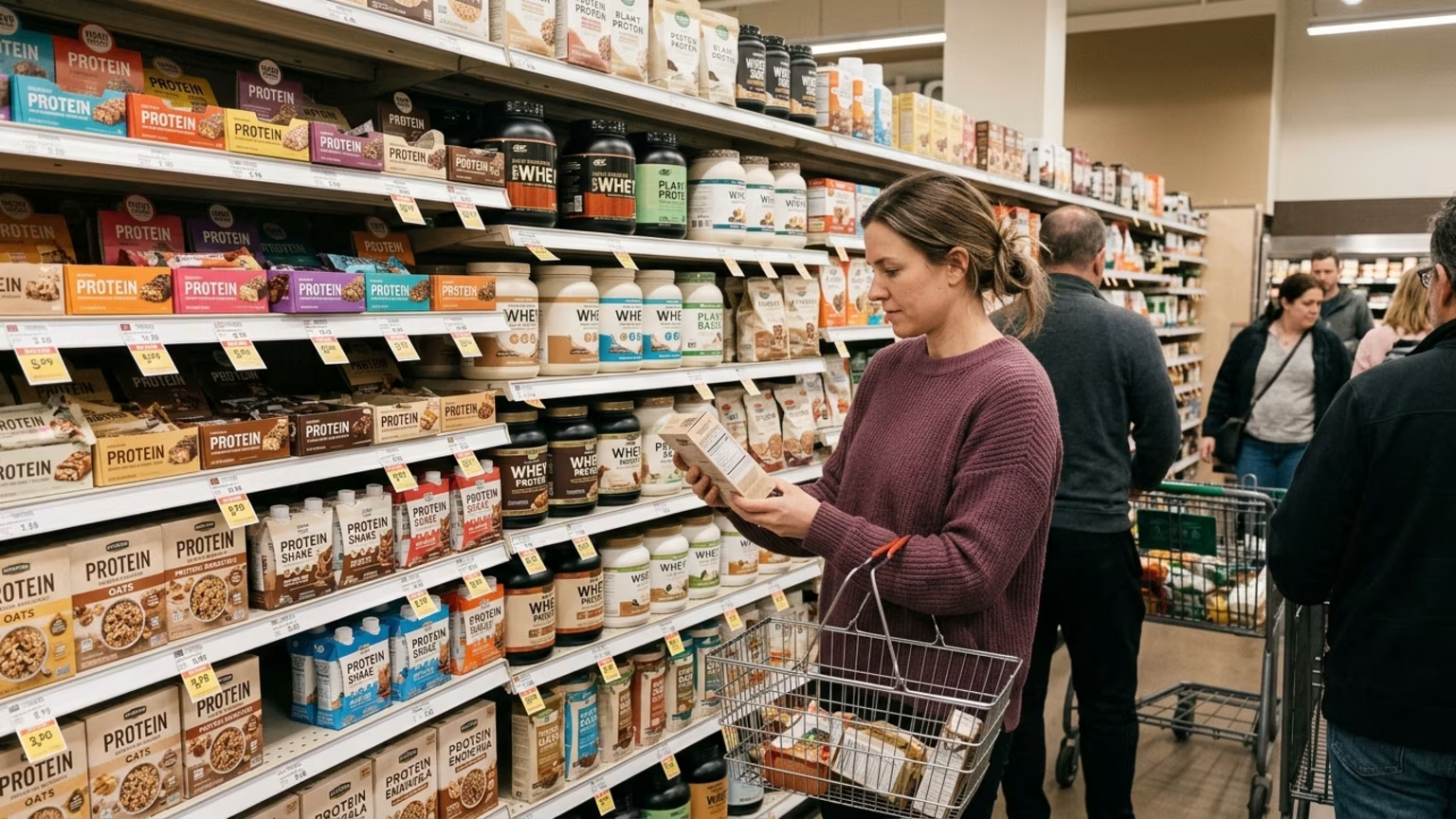
In September 2026, UTMB Health published a detailed explainer summarizing the latest clinical guidance on daily adult protein consumption. The review clarified established dietary targets while detailing how nutritional requirements shift for specific older populations. This clarification arrives as consumer markets become increasingly saturated with protein-fortified packaged snacks. For health-conscious adults, distinguishing between genuine biological needs and commercial marketing trends is now a central dietary challenge.
The conversation around nutrition often blurs the line between clinical necessity and product branding. Consumers are frequently told that more dietary amino acids are always better for maintaining lean tissue. However, careful examination of the clinical data reveals a much more nuanced reality about actual bodily requirements. Our goal at Younell is to separate this useful evidence from the surrounding marketing noise.
Protein serves as the foundational building block for nearly every structural component in the human body. As we age, our bodies undergo continuous cycles of breaking down and rebuilding tissues. This process requires a steady supply of nutrients to maintain muscle mass, bone density, and cellular functions. When the body receives adequate nutrition, it can efficiently repair daily wear and support long-term structural integrity.
In the context of skin and hair health, these amino acids are essential for maintaining visible vitality. Skin relies heavily on structural networks like collagen and elastin to remain firm against environmental stress. Hair follicles also require consistent nutritional support to produce strong strands over the decades. Without sufficient dietary building blocks, the body prioritizes essential internal organs over these external tissues.
The biological reality of hair growth further illustrates the need for consistent dietary habits. Hair follicles are highly active metabolic centers that constantly generate new keratin structures. When a person adopts a restrictive diet or relies heavily on nutrient-poor processed foods, the body diverts resources away from these follicles. This nutrient redirection often results in thinning or delayed growth, demonstrating why external beauty relies heavily on internal nourishment.
Collagen networks form the primary structural support system of the dermis layer. As chronological aging progresses, the natural production of this vital network steadily declines. Ensuring an adequate supply of dietary amino acids provides the raw materials needed to maintain this matrix. While nutrition alone cannot pause biological changes, it remains a fundamental pillar of supporting tissue resilience.
However, recognizing the importance of nutrition does not mean that indiscriminate consumption yields better results. The body can only utilize a certain amount of amino acids for tissue synthesis at any given time. Excess intake from highly processed commercial products does not automatically translate into improved skin elasticity or hair growth. Understanding how to properly align intake with biological needs is a core part of building a realistic nutritional routine for your skin and hair.
The recent data summary provides clear metrics for understanding baseline nutritional targets. UTMB Health states that the standard recommended dietary allowance for adults is 0.8 grams of protein per kilogram of body weight per day. This figure represents the established baseline required to prevent deficiency in healthy individuals. It serves as a practical starting point rather than an optimized target for every life stage.
As individuals enter their later years, these clinical requirements noticeably increase. The summary reports that expert groups recommend 1.0 to 1.2 grams per kilogram per day specifically for adults over the age of 65. Furthermore, older adults dealing with chronic illnesses require even higher amounts to maintain proper bodily function. For that specific group, the recommended range increases to 1.2 to 1.5 grams per kilogram per day.
These figures illustrate a clear biological shift that occurs in later life stages. Older bodies often become less efficient at processing and utilizing dietary amino acids for tissue repair. This age-related change explains why clinical guidelines adjust the recommended intake upward for seniors. It also highlights the importance of individualizing dietary patterns rather than applying a single universal rule.
Those interested in structural maintenance can find more context in our internal literature. We frequently discuss the nuances of tissue repair when examining how distinct amino acid profiles support aging structures differently. Reviewing how different nutritional profiles support the body helps clarify why specific targets matter. It ensures that dietary choices are grounded in science rather than broad assumptions.
While the data clearly defines targets for older populations, it leaves visible gaps for younger demographics. The retrieved sources do not provide a strong clinical basis for giving a specific protein target to women aged 30 to 60. The increased intake recommendations summarized by UTMB Health explicitly concern people over 65 and older adults with existing illnesses. Therefore, these higher figures should not be generalized to every reader in our target audience.
This limitation is crucial when evaluating the current surge of fortified commercial foods. Marketers frequently use data about older adults to sell engineered snacks to healthy adults in their thirties and forties. Applying senior-specific dietary targets universally can lead to unnecessary nutritional anxiety and unwarranted grocery expenses. It is important to view these clinical guidelines strictly within their stated contexts.
Additionally, meeting a dietary target does not inherently require purchasing highly processed products. The clinical consensus focuses on the total daily intake of quality nutrients rather than the specific consumption of fortified snack foods. Many heavily marketed products provide added amino acids alongside high levels of processing and artificial ingredients. Relying on such items may satisfy a numerical target while compromising overall dietary quality.
Understanding scientific uncertainty is a core part of our brand promise at Younell. We aim to make these limitations visible rather than hiding them behind confident marketing claims. Recognizing that broad clinical studies often lack specific guidelines for midlife women helps readers make calmer decisions. It prevents the costly mistake of adopting a rigorous protocol based on mismatched demographic data.
Health-conscious adults can apply these clinical insights by focusing on consistent dietary habits rather than trend-driven consumption. The first practical step is to evaluate your current intake against the standard adult baseline of 0.8 grams per kilogram per day. Many individuals naturally meet this requirement through a balanced diet without needing specialized powders or fortified snacks. Understanding your actual baseline helps prevent the costly habit of buying unnecessary commercial products.
For those seeking to support skin and hair health, the source of the nutrients matters deeply. Prioritize whole food sources like poultry, fish, legumes and dairy in your daily meals. These foods provide essential amino acids alongside vitamins and minerals that processed commercial snacks often lack. We detail this approach thoroughly when building sustainable dietary patterns that support visible vitality over time.
Building a resilient dietary pattern also requires acknowledging how lifestyle factors influence nutritional needs. While specific clinical targets for midlife remain undefined, regular physical activity generally increases the body's demand for structural repair materials. Health-conscious adults should consider their individual activity levels when planning their daily meals. A moderately active person naturally requires more whole-food sustenance than someone living a completely sedentary lifestyle.
It is equally important to insulate yourself against aggressive food marketing. Treat a packaged product's nutritional label as a basic attribute rather than a definitive marker of health. When evaluating a new food item, consider its overall level of processing relative to traditional whole foods. Separating legitimate biological needs from commercial pressure is a vital skill for long-term wellness.
Our editorial philosophy at Younell emphasizes looking and feeling well over time. This means prioritizing sustainable daily routines over extreme dietary interventions or hyper-focused macronutrient counting. Chasing every new fortified food product often leads to dietary fatigue and confusion in the grocery aisle. A sustainable routine relies on simple, recognizable foods that can be easily maintained year after year.
The ongoing refinement of dietary guidelines suggests that our understanding of age-specific nutrition will continue to evolve. As clinical attention shifts toward personalized medicine, researchers are likely to develop more granular recommendations for the transitional decades of midlife. Will future studies finally establish distinct, evidence-backed intake targets tailored specifically for women navigating the physiological changes of their forties and fifties?
Stay connected for research and practical guidance on skin, hair, collagen, nutrition and beauty longevity. Clear ideas for people who want to understand how appearance changes with age and make better-informed choices over time.




Understand your skin, hair and body better without chasing every new trend, treatment or promise.
explore the Blog