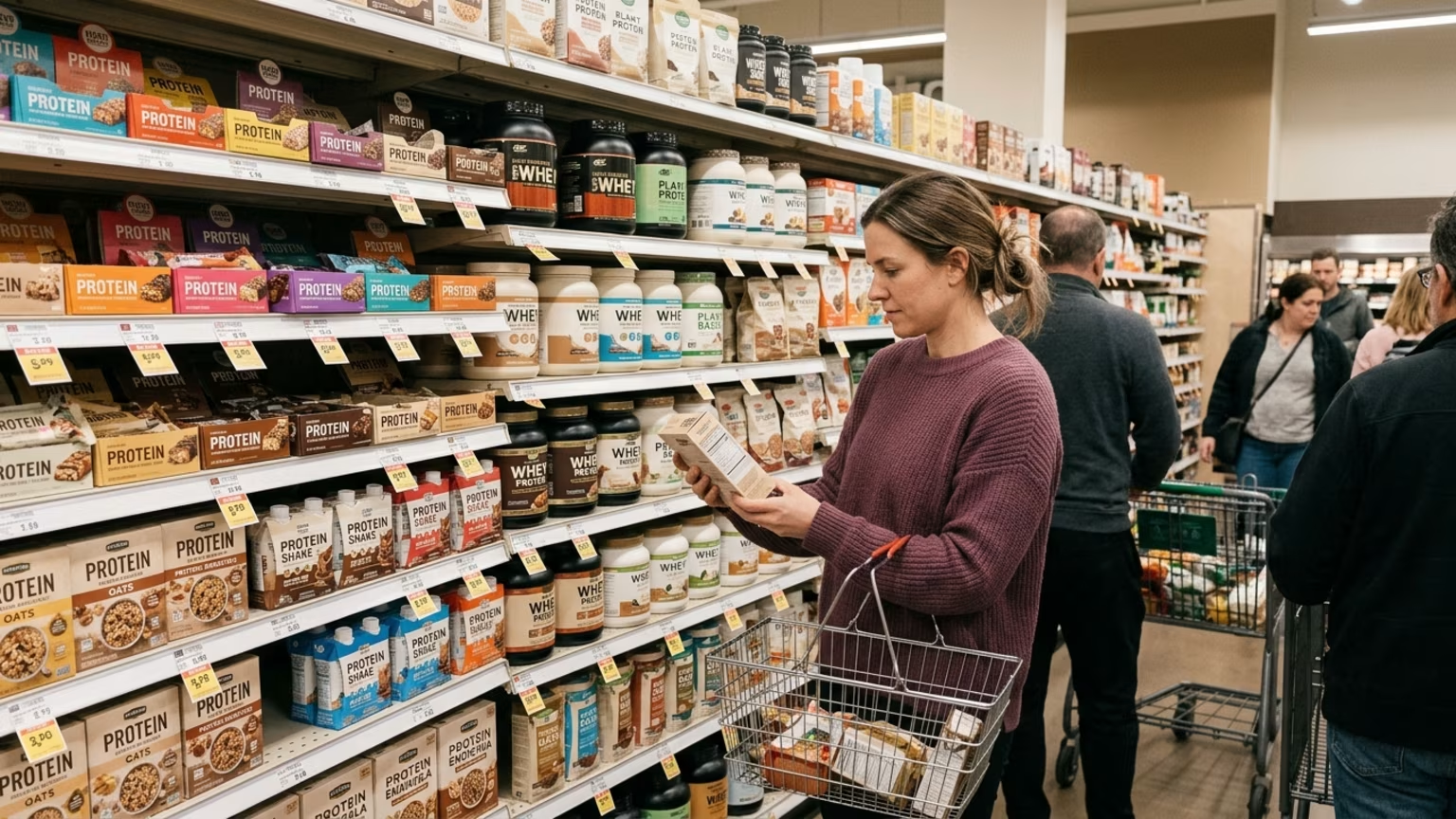

We examine the surge in protein-fortified supermarket foods, comparing marketing claims with actual daily nutritional needs for tissue repair and longevity.





Shoppers now frequently encounter protein claims across a wide variety of supermarket aisles. What was once confined to specialized health stores has completely transformed mainstream grocery shopping. In October 2026, The Irish Times published a detailed analysis examining the rapid proliferation of protein-labeled foods. The report questioned whether consumers actually need these fortified products or if everyday meals already provide adequate nutrition.
As a clear business signal of this consumer trend, specific market figures show notable corporate growth. The Irish Times reported that Glanbia recorded a 7 percent revenue increase for the first six months of the year. Alongside this overall revenue growth, demand for Optimum Nutrition premium protein powder rose by 25 percent. This significant commercial expansion raises important questions about actual dietary needs versus effective corporate marketing.
To understand this market shift, we must first look at how the body utilizes this vital macronutrient. The Irish Times reported that protein supports muscles and internal organs alongside skin, hair and nails. When you consume protein, your digestive system breaks it down into individual amino acids. The body then uses these exact building blocks to repair cellular damage and maintain physical resilience over time.
When the body faces daily wear and tear, it relies on a steady supply of these nutrients to facilitate proper recovery. The digestive process is remarkably efficient at sorting these amino acids and sending them exactly where they are needed most. This natural distribution system is why a balanced diet effectively maintains healthy physical structures without the need for extreme interventions. Relying on everyday whole foods ensures this system functions smoothly over the course of a lifetime.
Amino acids are essential for maintaining the physical structures that keep us feeling well as we age. While marketing often frames protein exclusively as a fitness tool, its role in tissue maintenance is constant and necessary. This biological process closely aligns with the principles discussed in our protein for skin, hair, and healthy aging guide. By viewing food as a fundamental source of these necessary components, we can make more informed choices.
Despite the expanding market for fortified snacks, population data shows that many people already consume substantial amounts. The Irish Times cited the 2024 National Adult Nutrition Survey II, which found that Irish adults obtained 18 percent of their total energy from protein. The general population recommendation sits at 0.8 grams of protein per kilogram of body weight daily. For someone weighing 60 kilograms, this translates to an accessible target of about 48 grams of protein a day.
However, human nutritional needs naturally vary depending on age, weight and overall physical activity levels. The article notes that older adults at risk of frailty, sarcopenia or undernutrition require more targeted support to preserve their muscle mass. For these specific individuals, the Food Safety Authority of Ireland recommends 1 to 1.2 grams per kilogram daily. Learning how to navigate these specific recommendations is a key part of our practical nutrition framework.
The sudden availability of heavily marketed foods does not mean every product is an optimal nutritional choice. The Irish Times referenced a 2019 Safefood study that closely examined the broader nutritional profile of these items. The survey found that 77 percent of the high-protein bars examined were high in saturated fat and acted as a source of added salt and sugar. Surveyed high-protein yogurts, quark, dairy drinks and smoothies also contained added salt and sugar.
These findings highlight a significant limitation in relying on heavily processed items for daily nutrition. A front-of-pack protein claim does not cancel out the presence of excessive saturated fat or refined sugars. The reporting also does not suggest that consuming surplus protein beyond individual needs will automatically improve appearance or resolve specific concerns. Population-level statistics simply cannot serve as a personalized medical prescription for any single reader.
The most effective approach for consumers is to assess products as complete foods rather than isolated nutrient delivery systems. Before purchasing a heavily branded snack, health-conscious women should carefully compare its full nutrition information with an ordinary version. Checking the ingredient list for added sugars or high saturated fat can help you avoid unintended dietary compromises. It is often far more beneficial to look at your entire daily dietary intake rather than obsessing over a single label.
Many shoppers mistakenly believe that if a little protein is good, a massive surplus must be better. However, focusing heavily on processed snacks can crowd out other vital nutrients found in whole grains, fruits and vegetables. By taking a measured approach to your grocery list, you can ensure your body receives a fully balanced spectrum of vitamins. Simply being mindful of marketing tactics helps you make decisions based on actual evidence rather than appealing packaging.
If you find that your regular meals lack sufficient nutrients, small adjustments to your whole-food choices can usually bridge the gap safely. You might find that a well-rounded meal naturally meets the general recommendation without requiring a specialized processed snack. When prioritizing tissue repair, focusing on varied meals offers a more reliable path than relying on highly processed bars. Adapting your diet this way is an excellent step for those navigating life transitions and healthy aging.
The public conversation around healthy aging is gradually shifting away from isolated macronutrients toward holistic dietary patterns. As clinical research continues to analyze how our bodies utilize amino acids over time, we may soon see clearer guidelines for different life stages. Will future studies help us better define the exact balance of whole foods needed to optimize tissue longevity without relying entirely on commercial fortification?
Stay connected for research and practical guidance on skin, hair, collagen, nutrition and beauty longevity. Clear ideas for people who want to understand how appearance changes with age and make better-informed choices over time.




Understand your skin, hair and body better without chasing every new trend, treatment or promise.
explore the Blog