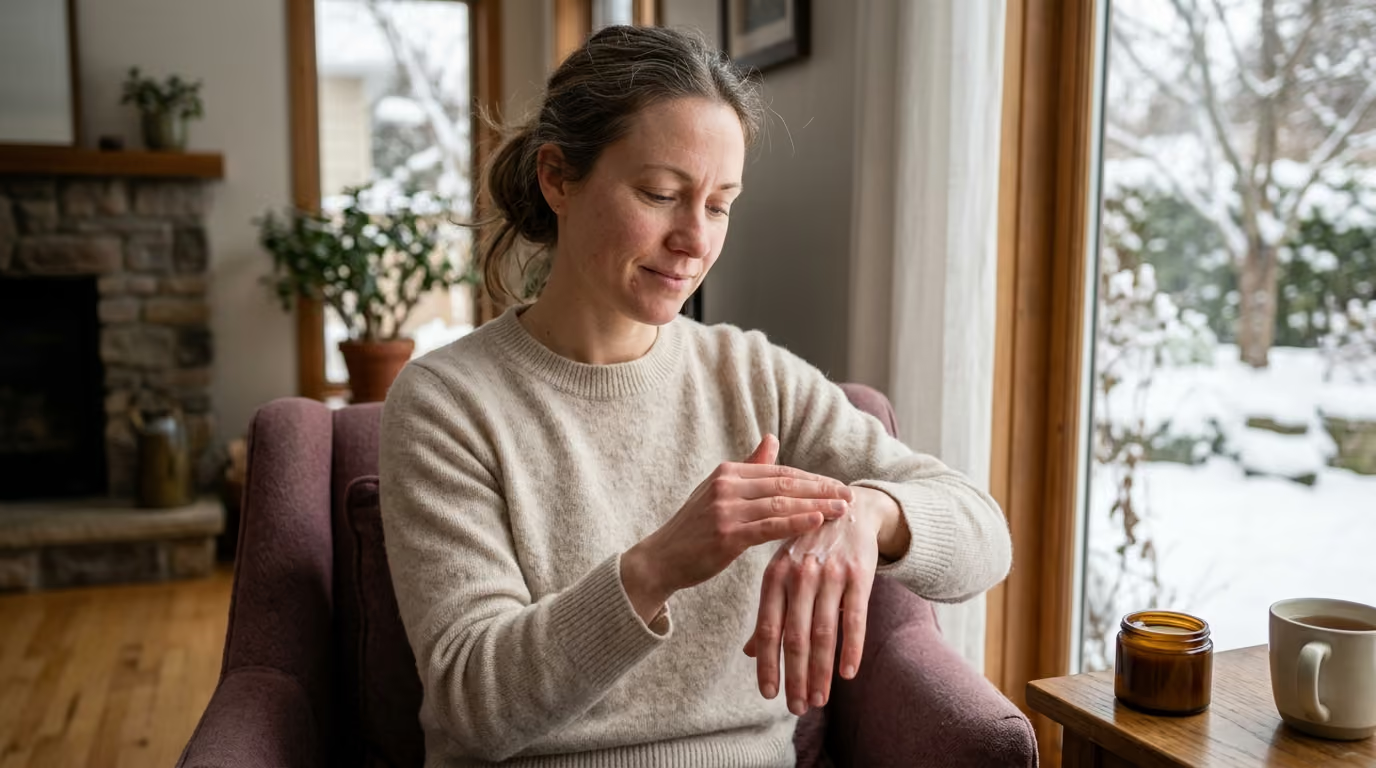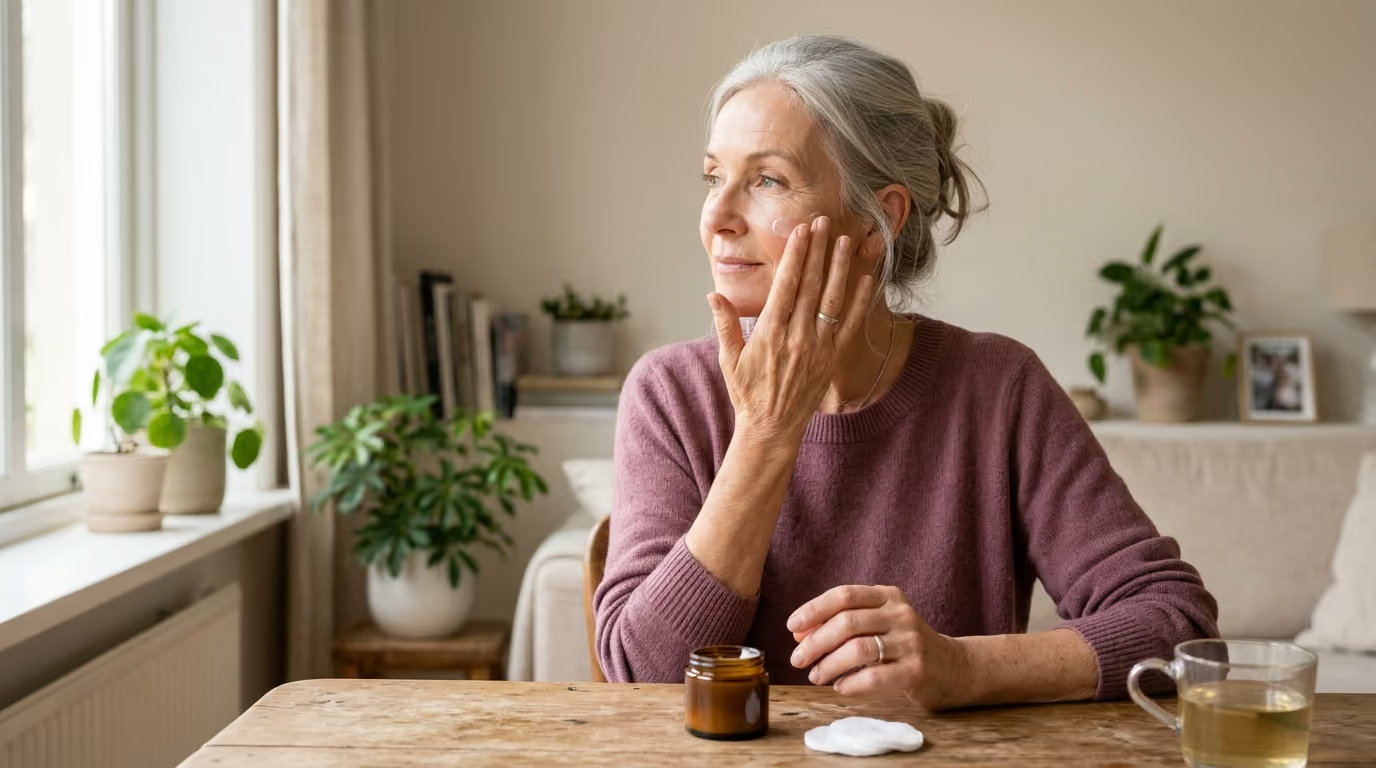

Major life transitions alter skin barrier integrity, hair growth cycles, and recovery, requiring targeted physiological adjustments across pregnancy.





If you have ever typed "why is my skin suddenly dry and irritated" or "why is my hair falling out months after a stressful event" into a search bar, you are not alone. Sudden changes in your complexion, scalp, or hair texture can feel alarming when your routine has not changed.
The human body is constantly adapting to internal and external milestones. Pregnancy, postpartum hormonal drops, perimenopause, menopause, caregiving demands, shifting work schedules, and physical relocation all alter your physiology.
When your biology shifts, your routines must shift as well. This guide provides a definitive, research-based framework for adapting your skin, hair, and recovery routines across every major life transition.
Understanding how your body reacts during transitions begins with cellular biology. Your skin and hair follicles are complex, hormone-sensitive mini-organs. They respond continuously to endocrine messengers, immune signals, and nervous system inputs.
Estrogen plays a central role in maintaining skin thickness, structural hydration, and barrier strength. It stimulates the production of hyaluronic acid, glycosaminoglycans, and ceramides within the extracellular matrix. Estrogen also supports collagen synthesis by dermal fibroblasts and promotes microvascular blood flow to the epidermis.
When estrogen levels drop rapidly, as seen postpartum and throughout the menopausal transition, the biological consequences are immediate. The stratum corneum, which serves as your primary environmental shield, loses its ability to retain moisture. Transepidermal water loss increases, causing dry patches, flaking, and heightened reactivity to topical ingredients.
Concurrently, dermal collagen density decreases. Blood flow to the upper dermis becomes less robust, which can slow natural wound healing and dull overall skin tone.
Scalp hair follicles progress through three distinct phases: anagen (active growth), catagen (involution), and telogen (resting and shedding). Under baseline conditions, approximately 85% to 90% of your scalp hair resides in the anagen phase at any given time.
During pregnancy, elevated estrogen and progesterone prolong the anagen phase. This mechanism prevents follicles from entering their normal resting phase, creating the appearance of fuller, denser hair.
Following childbirth, the sharp withdrawal of these hormones prompts a large cohort of follicles to enter the telogen phase simultaneously. Two to four months later, these resting hairs detach from the follicle base, leading to noticeable, diffuse shedding.
This process, known as telogen effluvium, is not a destruction of the hair follicle. It is a synchronized reset of the follicular clock. A similar mechanism occurs during severe psychological distress, major surgery, severe illness, or rapid weight loss.
Sleep is an active physiological state dedicated to tissue restoration and immune regulation. During slow-wave sleep, the body increases growth hormone secretion, downregulates cortisol, and initiates cellular repair pathways in the skin.
When sleep is truncated by caregiving, professional demands, or personal stress, the hypothalamic-pituitary-adrenal axis remains continuously activated. Elevated systemic cortisol impairs keratinocyte differentiation, slows epidermal lipid synthesis, and increases pro-inflammatory cytokines.
As a result, the skin recovers much more slowly from everyday environmental damage. The compromised barrier allows irritants to penetrate more deeply, which can exacerbate underlying conditions such as rosacea, eczema, and adult acne. Exploring comprehensive educational beauty science guides helps clarify how these recovery pathways function in daily life.
To construct an effective daily routine, we must look at what controlled clinical studies and observational data actually demonstrate.
Dermatological studies confirm that midlife hormonal shifts cause distinct cutaneous symptoms. In a cross-sectional study evaluating 150 menopausal women, 92% presented with at least one measurable dermatological manifestation.
Within this cohort, xerosis (dry skin) was the most common issue, appearing in 78% of participants. Pigmentary alterations affected 64%, while visible scalp hair thinning was documented in 58%.
A separate clinical review evaluating menopausal hair biology found that 82% of women reported at least one hair-related symptom. Among these respondents, 54% noted generalized thinning across the scalp, and 44% reported increased daily shedding.
Crucially, the review highlighted that current evidence does not support using systemic hormone replacement therapy as a primary or isolated treatment for hair thinning. This highlights the necessity of localized, dermatologically guided care.
The direct physiological link between sleep debt and skin recovery has been quantified in controlled human trials. In one notable study, researchers evaluated healthy adults subjected to severe sleep restriction of just two hours per night for three consecutive nights.
Following controlled barrier disruption, researchers measured the time required for the stratum corneum to regain baseline barrier function. The sleep-restricted group required an average of 5.0 days (plus or minus 0.9 days) to achieve complete barrier restoration.
In comparison, the control group with normal sleep recovered in 4.2 days (plus or minus 0.9 days). This represents a statistically significant delay in acute tissue repair.
A companion analysis evaluated barrier recovery kinetics at early time points following chemical irritation. In participants with normal baseline sleep, the skin achieved 80% barrier recovery within three hours of irritation.
After three nights of restricted sleep, recovery dropped to 67.5% at the same three-hour mark. Another facial study demonstrated that two nights of restricted sleep measurably reduced skin hydration, increased transepidermal water loss, altered surface pH, and reduced skin elasticity.
While general supplementation is often overhyped, targeted clinical nutrition during acute physical stress has demonstrated measurable benefits in controlled environments. A clinical trial investigated whether nutritional supplementation could offset the delayed skin barrier recovery caused by sleep restriction.
Participants received either a high-protein diet paired with a specialized multinutrient recovery beverage or an isocaloric placebo. The group consuming the high-protein, multinutrient intervention recovered baseline barrier function in a median of 3.98 days.
The placebo group required a median of 5.25 days to achieve the same milestone. This study confirms that systemic metabolic availability directly influences the speed of peripheral tissue repair during high-stress periods.
The emotional consequence of transition-related hair changes is substantial and supported by clinical data. A prospective case-control study compared individuals experiencing telogen effluvium with healthy controls.
The researchers discovered that patients with telogen effluvium scored significantly higher on validated scales measuring dermatology-related quality-of-life impairment, perceived stress, generalized anxiety, and depression. Hair shedding should never be dismissed as an inconsequential vanity concern. It represents a real psychological stressor that requires empathetic, evidence-led support.
While the existing research provides clear guidance, it is vital to acknowledge the limitations of current scientific literature.
First, experimental sleep studies often utilize extreme sleep deprivation protocols, such as restricting participants to two hours of sleep per night under laboratory conditions. While these studies clearly prove that sleep loss delays barrier repair, they do not perfectly replicate the real-world experience of fragmented sleep. A new parent waking three times a night or a professional dealing with intermittent insomnia may experience different biological kinetics. The data confirms the direction of the effect, but we cannot assign a precise, universal mathematical formula to every lost hour of sleep.
Second, the broader wellness industry frequently overinterprets nutritional and topical studies. The clinical finding that a specific high-protein multinutrient beverage improved barrier recovery during experimental sleep deprivation does not mean that every person experiencing fatigue will benefit from random dietary supplements. Supplement studies often test proprietary formulations in small, highly controlled cohorts. They do not justify taking unverified commercial blends without clinical blood testing and medical oversight.
Third, observational data regarding menopausal skin changes illustrate symptom frequency within specific study populations, but they do not establish universal prevalence. Furthermore, clinical trials describing the biology of menopausal skin thinning do not prove that over-the-counter creams labeled for midlife skin can reverse fundamental cellular changes. Topicals can replenish surface hydration and protect the lipid barrier, but cosmetic marketing often overstates their structural abilities.
Finally, environmental relocation studies consistently show that low humidity increases water loss and changes barrier function. However, there is virtually no credible clinical evidence proving that moving to a new geographic location or changing residential tap water predictably induces scalp hair loss. Transition-related hair loss after a move is far more likely caused by the physiological stress of the relocation itself, underlying nutritional changes, or coincidental timing.
Adapting your daily routine through major transitions does not require buying an entirely new collection of products. Instead, it requires adjusting your focus to match your current biology. You can find more comprehensive frameworks in our Lifestyle, Recovery and Environmental Aging resources.
During pregnancy, shifting hormone levels can trigger inflammatory acne, increased skin sensitivity, and melasma. The priority is to protect the barrier, calm inflammation, and prevent ultraviolet-induced pigment activation without relying on high-risk active ingredients.
The American College of Obstetricians and Gynecologists recommends avoiding topical retinoids during pregnancy due to their association with the vitamin-A drug class. Instead, pregnancy-safe alternatives can address breakouts and pigment irregularities effectively:
The postpartum phase combines rapid hormonal drops with significant sleep fragmentation. Your skin and hair will likely be at their most fragile.
When dealing with postpartum telogen effluvium, remember that the shedding is a natural biological resetting process. Topicals, oils, and rigorous scalp treatments will not stop shedding that was triggered months prior. Instead, the goal is to manage cosmetic volume and minimize physical hair breakage:
For readers seeking more specific hair strategies, reviewing our hair growth and longevity research can provide further guidance on follicular recovery.
As natural estrogen levels decline, the skin produces fewer natural lipids, resulting in chronic dryness, increased fine lines, and slower barrier regeneration. Scalp hair may also experience a gradual reduction in individual fiber diameter.
To support skin and hair during midlife, focus on deep barrier reinforcement:
Readers interested in the broader biological timeline of mature skin can explore our healthy aging frameworks for more in-depth analyses.
Whether you are navigating demanding caregiving duties, rigorous professional shifts, or personal grief, sustained stress impairs cutaneous healing. The single most common mistake during stressful seasons is introducing complex, aggressive anti-blemish or exfoliating regimens to "fix" sudden dullness or breakouts.
When your body is operating under high physiological stress, follow these rules:
Moving to a new geographic location exposes your skin and hair to major shifts in humidity, ultraviolet intensity, temperature, and local water hardness. The secret to managing a successful transition is gradual adaptation.
When you relocate, resist the urge to discard and replace your entire product collection during week one. Your skin requires two to four weeks to adjust to a new environmental baseline.
If you introduce ten new local products at once, you will not know which product caused an adverse reaction. Instead, alter only one product variable at a time, allowing two weeks of consistent observation before making another adjustment.
For detailed explanations of product formulation and skin biology, visit our evidence-based skin health resources.
Not every skin or hair change can or should be resolved at home. Knowing when to transition from self-care to clinical evaluation protects your health, your time, and your finances.
Consult your obstetrician or certified nurse-midwife before beginning any new active skincare treatment, oral supplement, or dramatic dietary change during pregnancy and breastfeeding. Even topical ingredients can have systemic absorption profiles that require clinical review.
Schedule an appointment with a board-certified dermatologist if you encounter any of the following clinical presentations:
A primary care physician should evaluate diffuse hair thinning that occurs alongside systemic symptoms. Unexplained weight loss or gain, persistent exhaustion, heat or cold intolerance, irregular menstrual cycles, or joint pain point toward systemic conditions. A physician can order comprehensive blood tests to check your thyroid function, serum ferritin levels, complete blood count, and metabolic markers.
Because hair shedding and noticeable skin changes carry a heavy psychosocial burden, addressing the emotional impact is critical. If physical changes are inducing severe anxiety, social withdrawal, or depressive symptoms, seek out a licensed therapist or mental health counselor. Treating your mental wellbeing directly supports the down-regulation of chronic stress pathways, creating a better environment for physical recovery.
The beauty and wellness industries frequently exploit transitional phases, offering expensive remedies for natural biological processes. Here is what the science actually says about common marketing claims.
Reality: Over-the-counter cosmetic products cannot contain biologically active hormones in therapeutic doses. While rich creams can successfully replenish surface lipids and reduce dry flaking, they cannot structurally replace the systemic endocrine signaling of premenopausal biology. Focus on well-formulated ceramide moisturizers, sun protection, and proven retinoids rather than purchasing overpriced midlife marketing claims.
Reality: Controlled studies prove that short-term sleep deprivation temporarily slows down the speed of skin barrier repair and reduces surface hydration. However, these acute physiological changes do not instantly translate into permanent wrinkles or structural collapse. Once consistent sleep and gentle barrier care are restored, healthy skin re-establishes its normal physiological balance.
Reality: Postpartum telogen effluvium is caused by the withdrawal of pregnancy hormones, not by a sudden nutritional deficiency in biotin. Clinical evidence shows that biotin supplementation has little to no benefit unless you have an actual, medically diagnosed biotin deficiency, which is exceptionally rare. Unnecessary high-dose biotin can also interfere with critical clinical laboratory tests, including thyroid and troponin panels.
Reality: While hormone therapy is highly effective for managing vasomotor symptoms and preserving bone density during menopause, clinical reviews note that evidence supporting its use specifically to treat hair thinning is lacking. Hair loss in midlife is multifactorial and often involves androgen sensitivity, genetics, and age-related follicular changes that require dedicated dermatological therapies.
Reality: Hard water can leave mineral deposits on the hair shaft, making it feel dry, brittle, and rough to the touch, which may lead to physical breakage. However, hard water does not penetrate the scalp to alter hair follicle growth cycles. True diffuse shedding after a move is usually an episode of telogen effluvium triggered by the physical and emotional stress of the transition itself.
During periods of hormonal shifts, high stress, or sleep loss, your skin produces fewer ceramides and essential fatty acids. This weakens the protective lipid matrix of the stratum corneum, allowing topicals to penetrate deeper and contact sensory nerve endings. When this occurs, pause products containing fragrances, drying alcohols, or high-strength acids, and switch to basic, soothing formulas until your barrier recovers.
Postpartum shedding usually begins around three months after childbirth and peaks around four months. The vast majority of women see shedding return to their baseline rate within six to nine months, with normal density recovering by their child's first birthday. If excessive shedding persists beyond one year, consult a dermatologist to check for underlying factors such as iron deficiency or thyroid imbalance.
You must discontinue all topical prescription retinoids and over-the-counter retinol or retinal products during pregnancy. Many other popular ingredients, including vitamin C, niacinamide, hyaluronic acid, and azelaic acid, are generally considered safe. Always bring your daily product list to your obstetric provider for a comprehensive safety review.
Focus on gentle physical handling and cosmetic management. Use lightweight, volumizing shampoos and conditioners formulated for fine hair to avoid weighing down the root area. Avoid high-tension hairstyles, aggressive brushing, and excessive heat styling. Remember that the hair shedding now entered the resting phase weeks ago, so gentle care preserves your remaining strands while new growth begins.
Because both perimenopause and chronic stress elevate systemic inflammation and impair barrier function, their cutaneous symptoms frequently overlap. If your skin changes are accompanied by irregular menstrual cycles, hot flashes, night sweats, or mood shifts, perimenopause is likely playing a major role. A visit with your gynecologist alongside a board-certified dermatologist can provide clarity and a tailored management plan.
When navigating a demanding transition, do not attempt to overhaul your entire lifestyle overnight. Follow this structured checklist to stabilize your skin, hair, and recovery routines this week.
Stay connected for research and practical guidance on skin, hair, collagen, nutrition and beauty longevity. Clear ideas for people who want to understand how appearance changes with age and make better-informed choices over time.


Understand your skin, hair and body better without chasing every new trend, treatment or promise.
explore the Blog