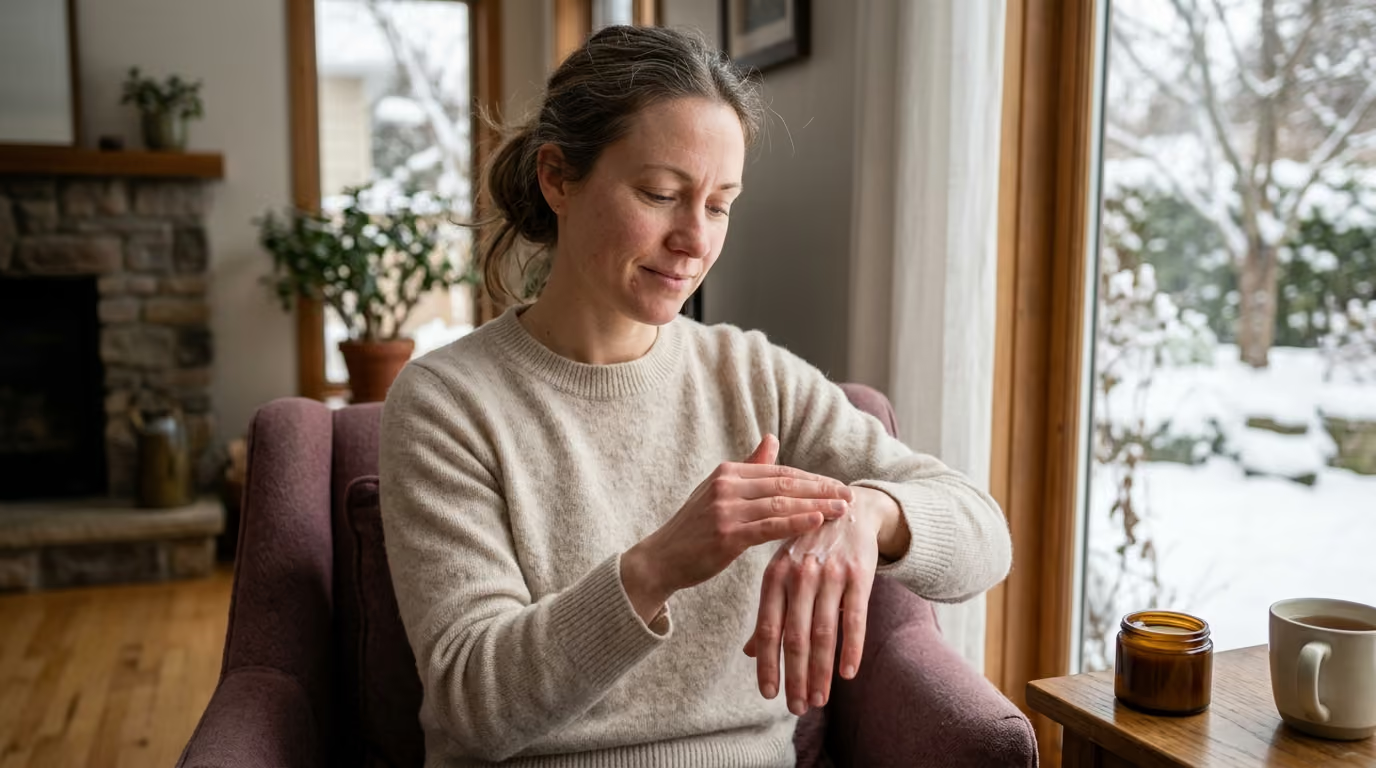

Optimal skin barrier protection and cold weather recovery strategies help you maintain healthy hydration levels throughout the dry winter months.





Cold exposure is not a single, uniform biological event. It represents a broad spectrum of thermal stresses that affect your body in vastly different ways.
Environmental cold exposure involves low ambient temperatures, brisk winds, falling humidity levels, and sudden transitions into heated indoor spaces. Deliberate cold exposure involves intentional practices like cold showers, ice baths, and open water swimming.
While popular trends often blend these experiences together, your physiology experiences them through distinct mechanisms. A freezing winter walk demands protective barrier management, whereas plunging into near freezing water triggers immediate cardiovascular and nervous system adaptations.
Understanding how cold environments influence the skin barrier, peripheral circulation, muscle recovery, and sleep allows you to separate real biological benefits from marketing hype. The guide below provides a comprehensive examination of winter skin biology, vascular responses, recovery science, and practical strategies to support your health through the coldest months.
Evaluating cold exposure requires a grounded look at peer-reviewed research across dermatology, environmental medicine, and exercise physiology.
The human skin barrier serves as an intelligent shield between your internal organs and the external environment. Its primary physical structure is the stratum corneum, often visualized as a brick and mortar wall.
In this structure, corneocytes act as the bricks, filled with water-binding proteins and natural moisturizing factors. Surrounding these cells is a complex lipid matrix composed of ceramides, cholesterol, and free fatty acids. This lipid matrix prevents vital moisture from escaping into the air and keeps environmental irritants from penetrating deeper tissue.
Winter air holds far less moisture than warm summer air. When ambient humidity drops, a steep water-vapor gradient forms between your hydrated skin and the surrounding atmosphere.
Water naturally moves from areas of high concentration to areas of low concentration. As a result, moisture is pulled rapidly from the deeper layers of the epidermis through the stratum corneum. This movement is measured scientifically as transepidermal water loss.
When transepidermal water loss remains elevated over days or weeks, the natural enzymatic processes required for skin shedding become irregular. Corneocytes begin to clump together rather than shedding smoothly. This biological disruption leads directly to visible roughness, flaking, and surface tightness. You can review detailed studies on barrier maintenance in our skin longevity and healthy aging resources.
Wind dramatically accelerates moisture depletion and skin irritation. Moving air removes the boundary layer of warmer, more humid air that naturally rests against your skin.
This process, known as convective heat loss, accelerates both surface cooling and evaporative dehydration. Wind chill is not a physical drop in measured air temperature. Instead, it is an estimate of how rapidly exposed tissue loses heat to the environment.
Wind exposure particularly stresses delicate areas with thinner stratum corneum layers. The lips, cheeks, eyelids, and hands are especially vulnerable to wind-induced micro-fissuring and barrier compromise.
Indoor heating creates a microclimate that can severely compromise skin barrier health. Central heating units warm the air without adding moisture, driving relative indoor humidity down to arid levels.
Furthermore, moving back and forth between freezing outdoor conditions and warm indoor rooms forces surface capillaries to rapidly constrict and dilate. This constant vascular oscillation can trigger inflammatory signaling, facial redness, and increased skin sensitivity.
Long, steaming showers represent another common winter stressor. Hot water dissolves the natural protective lipids residing within the intercellular spaces of the stratum corneum. When these lipids are stripped away, the skin loses its ability to retain moisture, leading to severe rebound dryness once you step out of the shower.
Winter conditions rarely create entirely new dermatological issues out of nothing. Instead, environmental cold, low humidity, and indoor heating amplify underlying vulnerabilities in the skin barrier.
Winter xerosis is the clinical term for abnormally dry, rough, and scaly skin. It occurs when stratum corneum hydration falls below critical physiological thresholds.
As moisture leaves the upper layers of the skin, the tissue loses its natural flexibility. This lack of elasticity leads to micro-cracks, persistent itching, and uncomfortable stinging when you apply skincare products.
Xerosis is exacerbated by frequent handwashing, aggressive foaming cleansers, and the mechanical friction of coarse wool clothing. Without intervention, these micro-cracks can progress into deeper fissures that expose underlying nerve endings and invite microbial colonization.
People with atopic dermatitis possess a baseline genetic vulnerability in their skin barrier function, often related to filaggrin mutations or altered lipid composition. Winter weather places intense mechanical and environmental stress on this already fragile framework.
When the cold, dry air weakens the stratum corneum, environmental allergens and irritants penetrate the epidermal layers with greater ease. This penetration triggers an immune response, releasing pro-inflammatory cytokines that generate severe itching and redness.
The resulting itch-scratch cycle causes further physical trauma to the skin, accelerating barrier breakdown. Winter eczema management requires vigilant barrier reinforcement and prompt medical guidance when marked inflammation or weeping occurs.
Hands bear the brunt of winter environmental stress. They are constantly exposed to sub-freezing winds, dry indoor air, hot water, and harsh sanitizing soaps.
This cumulative exposure strips away surface lipids faster than your body can synthesize them. Irritant contact dermatitis frequently manifests as cracked knuckles, redness, stinging, and tender calluses. Unlike allergic reactions, this condition is a direct mechanical and chemical failure of the skin barrier.
Individuals with rosacea experience heightened vascular reactivity across the central facial regions. Exposure to sub-freezing air causes sudden vasoconstriction, followed by an exaggerated reactive vasodilation when entering a heated room.
This dramatic rush of blood can cause intense stinging, prolonged facial erythema, and inflammatory papules. Aggressive winter skincare routines, hot beverages, and harsh winds can further irritate hyper-reactive facial vessels.
It is critical to distinguish inflammatory cold reactions from true freezing tissue injuries. Chilblains, also called pernio, are small, itchy, painful, red-purple swellings that develop after repeated exposure to cold, damp air.
Chilblains represent an abnormal, localized vascular response rather than cellular freezing. They most commonly appear on the toes, fingers, earlobes, and nose.
Frostbite, by contrast, is a severe medical emergency involving actual ice crystal formation within biological tissues. Exposed skin can begin to freeze at temperatures below minus three degrees Celsius, especially when accompanied by wind and moisture.
Frostbite progresses from initial numbness and pale, waxy skin to deep tissue damage and loss of sensation. Frostbitten areas must never be rubbed, massaged, or exposed to direct intense heat, as this causes severe secondary tissue trauma.
Your cardiovascular system responds to cold exposure through a finely tuned thermoregulatory survival program. Understanding this response reveals why cold feels so intense and why extreme protocols require careful boundary setting.
The moment your skin senses a drop in temperature, cold thermoreceptors signal the hypothalamus in your brain. The sympathetic nervous system responds immediately by releasing norepinephrine, which binds to alpha-adrenergic receptors on peripheral blood vessels.
This signaling causes smooth muscles in your peripheral arterioles to contract sharply. Blood flow is diverted away from the skin surface and extremities, shunting warmth inward toward vital organs like the heart, brain, and kidneys.
This biological response explains why your hands, feet, nose, and ears turn pale, cool, and clumsy in freezing weather. Reduced blood flow temporarily lowers tissue oxygenation and metabolic delivery to the extremities, impairing manual dexterity and fine motor control.
Deliberate cold-water immersion induces a much faster and more dramatic cardiovascular response than cold air. Water conducts thermal energy away from the human body approximately twenty-four times faster than air at the exact same temperature.
Entering cold water triggers the cold shock response. This response is characterized by an involuntary gasp, rapid hyperventilation, a spike in heart rate, and an immediate rise in systemic blood pressure.
For healthy individuals, this sympathetic surge creates intense mental alertness and a temporary release of endorphins and dopamine. However, for individuals with underlying cardiovascular conditions, hypertension, or arterial stiffness, this acute spike in vascular resistance can create dangerous cardiac strain. Anyone considering intensive deliberate cold practices should assess their overall health profile using evidence-based lifestyle, recovery, and environmental aging guidance.
Raynaud's phenomenon is an exaggerated vascular response to cold temperatures or emotional stress. During an episode, the digital arteries undergo severe, episodic vasospasms, temporarily shutting down blood supply to the fingers or toes.
Affected digits classically turn stark white, then deep blue as oxygen is depleted from trapped red blood cells, and finally bright red accompanied by throbbing pain upon rewarming.
People with Raynaud's phenomenon must not attempt deliberate cold plunges as a method to train or condition their circulation. Subjecting vasospastic blood vessels to severe cold stress increases the risk of tissue ischemia, intense pain, and skin ulceration.
Deliberate cold-water immersion has gained massive popularity among fitness enthusiasts and wellness advocates. However, looking closely at clinical exercise physiology reveals a nuanced reality where short-term relief often conflicts with long-term training adaptations.
Systematic reviews demonstrate that cold-water immersion effectively reduces delayed-onset muscle soreness between twenty-four and ninety-six hours following intense exercise. Immersion in cold water dampens pain receptor sensitivity, reduces localized tissue edema, and creates a clear sensation of physical recovery.
However, feeling less sore is not the same as accelerating biological tissue repair. Muscle remodeling and structural adaptation depend on temporary, controlled inflammatory signaling and blood flow to clear cellular debris and stimulate protein synthesis.
Blunting this natural inflammatory cascade with ice baths may make you feel ready to exercise sooner, but it does not mean your muscle fibers have rebuilt themselves faster.
For individuals focused on building muscular strength, power, and muscle mass, routine cold-water immersion immediately following resistance training can be counterproductive. Multiple systematic reviews and meta-analyses show that regular post-lifting cold immersion attenuates muscular hypertrophy and strength gains.
The underlying mechanism involves the downregulation of critical anabolic signaling pathways within muscle cells. Cold-induced vasoconstriction and temperature drops suppress the activity of the mammalian target of rapamycin complex, known as mTORC1, and reduce post-exercise amino acid uptake into muscle tissue.
This scientific finding establishes a clear decision rule for active adults:
A frequent claim in wellness culture is that cold exposure burns significant amounts of body fat and transforms metabolic health. While the underlying physiology is real, the real-world magnitude is frequently exaggerated.
Cold exposure activates two distinct forms of heat production to keep your core temperature stable:
While both processes acutely elevate your metabolic rate during and immediately following cold exposure, the total caloric expenditure remains modest. Spending ten minutes in cold water does not create a meaningful daily energy deficit.
Current human trials show that cold-induced metabolic spikes do not reliably translate into sustained body fat reduction without accompanying dietary changes. Cold exposure should be viewed as an acute neuromuscular and thermal stimulus rather than a standalone fat loss strategy.
Popular discussions frequently connect cold exposure with enhanced longevity, citing cellular cleanup mechanisms and reduced systemic inflammation. However, systematic reviews of human clinical trials confirm that cold-water immersion has not been proven to extend human lifespan.
Cold exposure reliably modulates acute physiological biomarkers, including catecholamine output, heart rate variability, and transient inflammatory cytokines. Yet, equating these short-term biological fluctuations with an extension of healthy human life represents an unsupported leap in logic. Exploring the broader scientific framework of longevity requires looking at validated factors across beauty science and cellular optimization.
Maintaining a balanced perspective on environmental and deliberate cold exposure requires acknowledging the clear gaps in the scientific literature.
First, a substantial portion of cold-water immersion research is conducted on small cohorts of young, highly trained male athletes. These findings cannot be automatically applied to post-menopausal women, older adults, or individuals with underlying metabolic or cardiovascular conditions.
Second, the protocols used across clinical studies vary wildly. Researchers employ water temperatures ranging from four to fifteen degrees Celsius, with immersion durations varying from one to twenty minutes, applied at inconsistent depths. This wide variation makes establishing a universal, evidence-based exposure protocol impossible.
Third, studies evaluating environmental winter stressors often struggle to isolate cold air from confounding variables. Low indoor humidity, seasonal changes in diet, reduced sunlight exposure, altered physical activity levels, and psychological winter stress all interact simultaneously.
Finally, there are virtually no long-term, multi-year prospective human trials tracking whether regular cold-water immersion alters all-cause mortality, cardiovascular disease incidence, or structural tissue aging. Current claims regarding longevity remain interesting theoretical hypotheses rather than proven facts.
Protecting your barrier and supporting your physical recovery throughout the winter months does not require complicated routines. Instead, it relies on consistent, biologically sound habits tailored to colder conditions.
Before stepping out into freezing or windy environments, prepare your skin to withstand convective stress and moisture loss:
Bathing habits require minor adjustments during cold winter months to prevent progressive lipid depletion:
Your indoor home and work environments play a massive role in baseline skin hydration:
Hair fibers are non-living structures composed of keratin proteins. Cold air does not directly alter the biology of the hair follicle beneath the scalp, but winter conditions do create secondary challenges.
Low humidity and dry indoor air pull surface moisture from the hair shaft, making hair brittle, dull, and prone to static electricity. Wearing tight knit beanies can cause physical friction along the hair cuticle while trapping sweat against the scalp skin.
This trapped sweat and sebum can trigger flares of seborrheic dermatitis or dandruff in susceptible individuals. Wash your hair regularly with a hydrating shampoo, use leave-in conditioning agents to minimize static, and explore comprehensive hair longevity resources to maintain strand resilience all season.
If you choose to practice deliberate cold-water immersion for mental alertness or short-term recovery, prioritize safety over extreme discomfort:
Separating reliable science from widespread wellness marketing prevents wasted effort and unnecessary physical discomfort.
Reality: Skin pores are not muscular structures and do not have the physiological ability to open or close in response to temperature. Cold water causes surrounding blood vessels to constrict and temporarily tightens surface skin, which can make pores appear momentarily smaller. However, this is a transient optical effect that disappears as soon as your skin returns to normal body temperature.
Reality: Your body processes and eliminates metabolic waste products through your liver, kidneys, and lymphatic circulation, not through cold immersion. While ice baths reduce post-exercise muscle soreness, regular post-lifting immersion actually blunts the cellular signals that drive long-term muscle hypertrophy and strength gains.
Reality: Medical cryolipolysis uses specialized, prolonged, vacuum-controlled cooling devices that cool localized fat tissue under precise clinical conditions. Sitting in an ice bath or applying ice packs to your skin at home cannot safely duplicate this localized fat reduction and carries a substantial risk of frostbite and tissue injury.
Reality: Experiencing numbness in your fingers, toes, or facial skin is an early warning sign of sensory nerve dysfunction and localized ischemia. Numbness indicates that your tissue is losing adequate blood perfusion and nerve conduction. It should be treated as a signal to rewarm safely rather than a badge of mental toughness.
Applying a cold compress or cooled roller to your face can help reduce temporary fluid retention around the eyes and cheeks. The cold temperature triggers localized vasoconstriction, which temporarily restricts blood flow and helps reabsorb interstitial fluid. However, you should never apply bare ice directly to delicate facial skin, as prolonged direct contact can damage surface capillaries and cause cold-induced skin injury. Wrap ice packs in a clean cotton cloth and limit application to a few minutes.
Maintaining an indoor relative humidity level between thirty and fifty percent provides adequate moisture support for the stratum corneum without encouraging mold growth or dust mite proliferation. Allowing indoor humidity to drop below thirty percent accelerates transepidermal water loss and promotes skin flaking, while exceeding fifty-five percent creates moisture accumulation on walls and window frames.
Taking an intense, freezing cold shower immediately before getting into bed is likely to disrupt sleep rather than improve it. The abrupt cold shock activates the sympathetic nervous system, releasing norepinephrine and cortisol, which elevate heart rate and mental arousal. A warm bath or shower taken sixty to ninety minutes before bed is far more effective for sleep. The warm water promotes peripheral vasodilation, which facilitates the natural core body temperature drop required for deep, restorative sleep.
Ultraviolet A rays penetrate clouds and glass with consistent intensity throughout every season of the year. These UVA rays penetrate deep into the dermis, contributing to long-term collagen breakdown, structural damage, and hyperpigmentation. Furthermore, if you are spending time around fresh snow, it reflects a massive portion of ambient solar radiation back onto your face, effectively doubling your overall UV exposure. Wearing a broad-spectrum daily sunscreen remains a non-negotiable step in maintaining lifelong skin integrity.
Stay connected for research and practical guidance on skin, hair, collagen, nutrition and beauty longevity. Clear ideas for people who want to understand how appearance changes with age and make better-informed choices over time.


Understand your skin, hair and body better without chasing every new trend, treatment or promise.
explore the Blog