Discover how dermatologist Dr. Neha Sachde links persistent hair shedding to nutritional deficiencies and scalp conditions, offering actionable longevity steps.





In September 2026, a consumer-facing news article published in the Hindustan Times highlighted new guidance on hair health. Dermatologist Dr. Neha Sachde shared seven fundamental rules for maintaining scalp cleanliness and limiting hair damage. The guidance emphasized that persistent hair shedding is not just a cosmetic concern, making early evaluation critical for identifying potential underlying causes. Sachde noted that excessive hair loss can stem from nutritional deficiencies, hormonal changes, thyroid problems, or specific scalp conditions.
For women navigating midlife changes, distinguishing normal hair cycling from a medical issue is essential. Younell consistently emphasizes that understanding the biological reality of hair helps separate useful evidence from marketing claims. This recent expert guidance reinforces that a healthy scalp requires more than just topical treatments. It points toward a holistic approach combining gentle care and medical awareness.
To understand why these underlying factors matter, it helps to look at the biological building blocks of hair. Hair strands are primarily made of a structural protein called keratin. When the body lacks adequate protein or specific nutrients, it cannot efficiently support normal hair growth. The September 2026 report pointed out that getting adequate protein is highly relevant for maintaining healthy follicles over time.
Helpful protein sources include eggs, dairy, and pulses. You can also incorporate soy, nuts, and fish to support this biological need. The research highlights that nutritional adequacy goes beyond just general protein intake. Deficiencies in specific vitamins and minerals can silently disrupt the natural hair growth cycle.
Iron and vitamin D are two of the most common nutrients checked when persistent shedding occurs. Furthermore, vitamin B12 and zinc actively support essential cellular functions within the hair follicle environment. Beyond nutrition, systemic factors like hormonal changes and thyroid problems deeply influence the follicle ecosystem. Dr. Sachde emphasized that identifying the exact cause early matters greatly for long-term recovery.
While these guidelines provide a helpful framework, it is important to recognize the limitations of the available information. The Hindustan Times publication is a consumer news item detailing expert advice rather than a newly conducted clinical trial. It does not present new clinical data or long-term efficacy metrics for specific scalp treatments. Consumers must be careful not to treat general nutritional guidance as a universal medical solution.
Furthermore, the focus on adequate nutrition should not be interpreted as a guarantee that dietary changes will resolve all issues. Supplements or specific diets cannot independently treat every type of hair loss. Real-world outcomes often differ from the simplified narratives presented in aggressive wellness marketing. Clear communication with a medical professional remains the safest way to identify true underlying conditions.
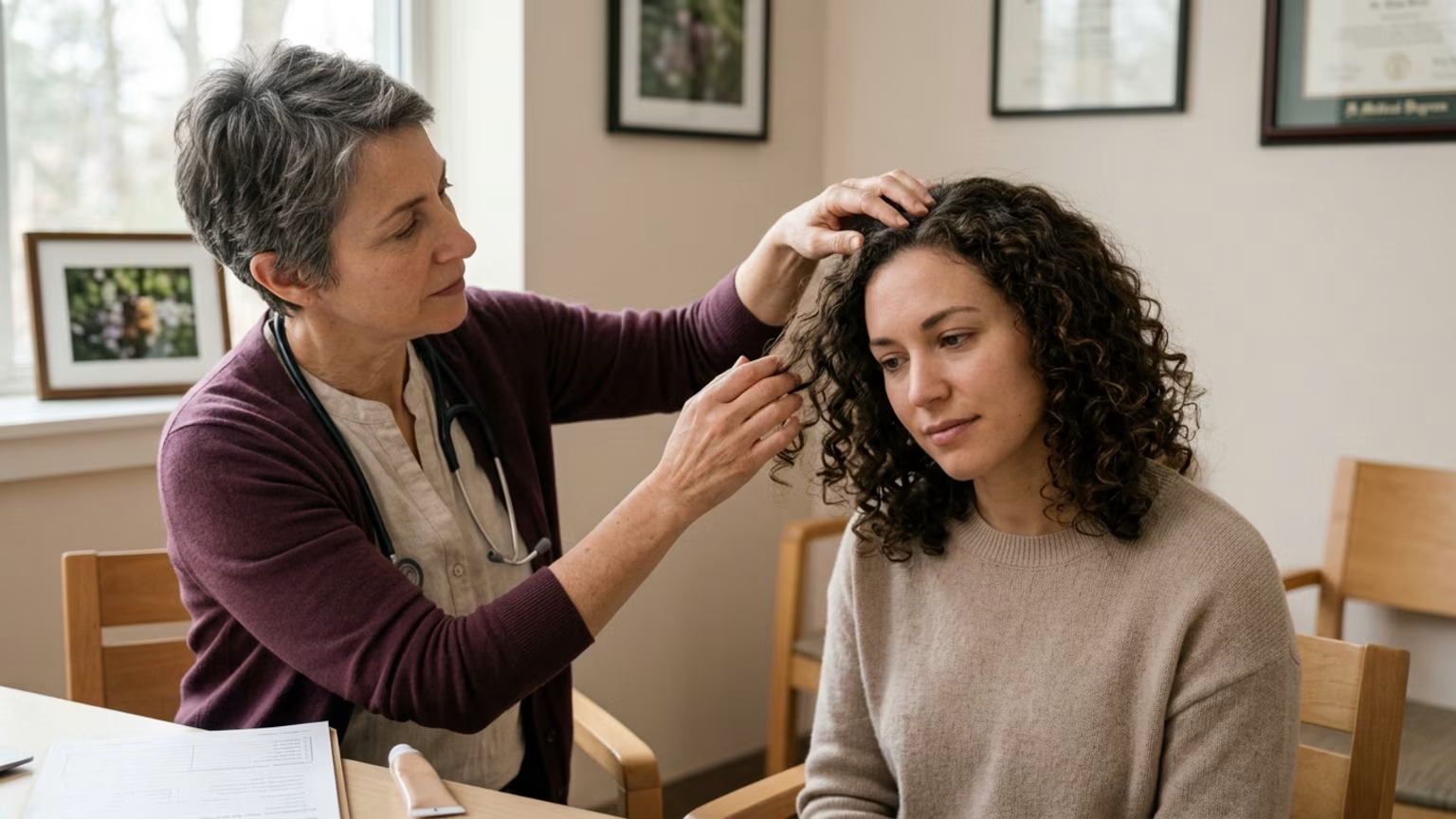
Taking random supplements without a confirmed deficiency rarely yields meaningful improvements in hair density. A thorough evaluation by a dermatologist is essential rather than assuming the cause of thinning based on appearance alone. Professional tests are highly conditional, depending entirely on what the clinician suspects during a physical examination. This measured approach prevents the frustration of investing in ineffective, trend-driven beauty routines.
For health-conscious women managing midlife hair changes, this clinical guidance translates into actionable daily habits. Dr. Sachde's rules focus heavily on maintaining scalp cleanliness and prioritizing gentle handling. It is wise to limit excessive heat exposure and minimize chemical damage during your regular styling routine. Understanding the difference between temporary shedding and progressive thinning is vital for long-term care.
If you notice an ongoing change, document when the shedding started so you can inform your doctor. You can learn more about assessing these changes in our guide to Hair Shedding or Hair Loss? A Framework for Understanding the Difference. Additionally, if you frequently wear tight hairstyles, be aware that persistent pulling can contribute to localized hair loss. Modifying how you handle your strands can prevent further traction damage to the delicate follicles.
We discuss safer styling methods in our resource on How to Wash and Handle Your Hair Without Causing Breakage. Dietary habits also play a supportive, ongoing role in your overall hair longevity routine. Incorporating protein-rich foods like dairy, soy, or pulses can provide the keratin building blocks your hair requires. Healthy hair growth relies on a stable, well-nourished scalp environment over time.
You can read more about this relationship in our comprehensive guide to Scalp Health and Hair Growth: A Complete Guide to the Follicle Environment. Building a sustainable care routine requires patience and a willingness to adjust habits as your body changes. However, if thinning continues despite gentle care and adequate nutrition, seek a professional medical evaluation. If you are navigating these shifts, our overview of Midlife Hair Thinning: A Complete Evaluation and Care Guide offers more context on the clinical process.
Younell consistently advocates for looking and feeling well over time instead of chasing eternal youth. This philosophy aligns perfectly with focusing on scalp health rather than expecting instant results from a single product. Consistent, gentle care provides the foundation for sustainable hair volume and strength as you age. By prioritizing evidence-based practices, women can confidently navigate these transitions without unnecessary anxiety.
As dermatology continues to refine how we diagnose and manage hair health, the focus is clearly shifting toward individualized clinical assessments. Over-the-counter quick fixes are slowly being replaced by a deeper understanding of the follicle ecosystem. Will future diagnostic tools eventually allow us to pinpoint the exact nutritional or hormonal triggers of shedding before visible thinning even begins?
Stay connected for research and practical guidance on skin, hair, collagen, nutrition and beauty longevity. Clear ideas for people who want to understand how appearance changes with age and make better-informed choices over time.



Understand your skin, hair and body better without chasing every new trend, treatment or promise.
explore the Blog