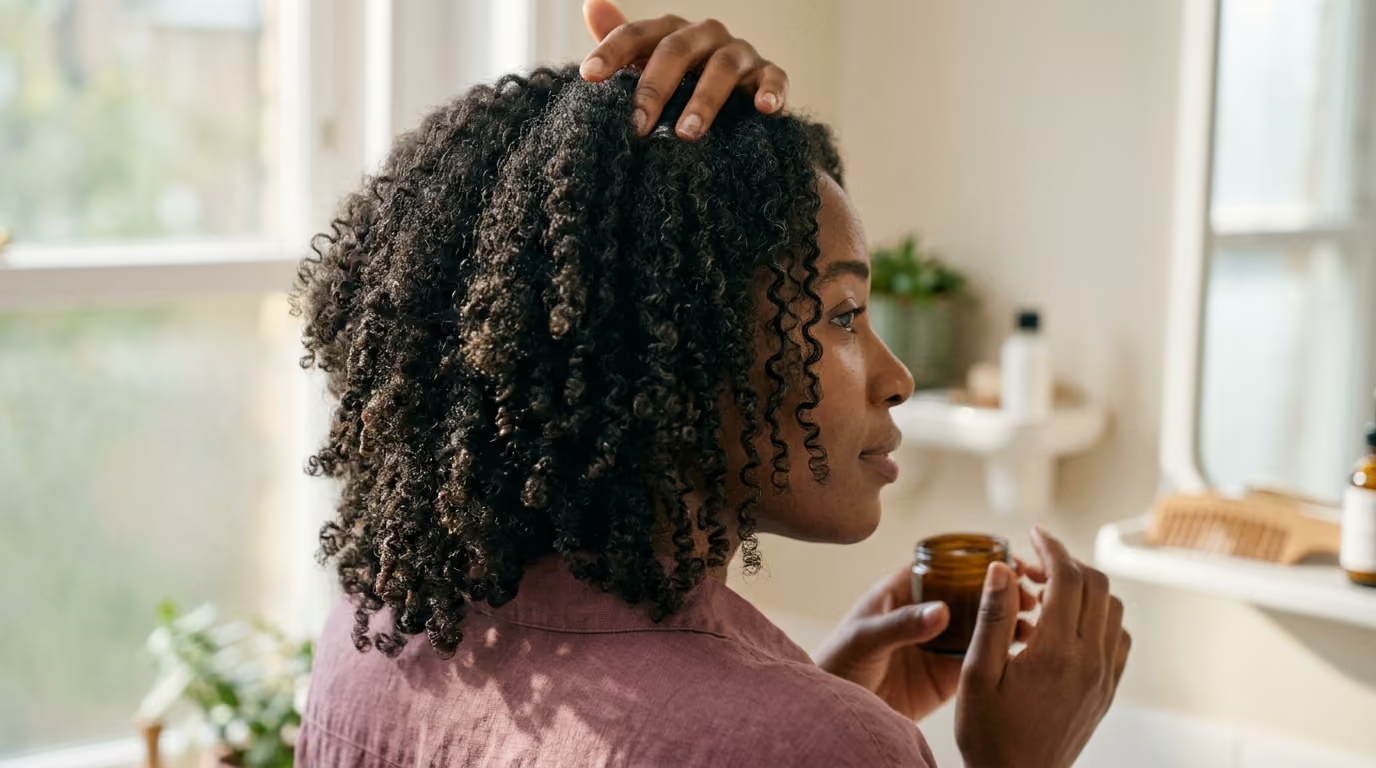

Hundreds of thousands of terminal hair follicles rely on deep dermal papilla signals and balanced surface lipids to sustain healthy hair growth.





Scalp health is the physiological state of the skin covering the cranium, characterized by a functional permeability barrier, balanced sebum production, stable microflora, and an absence of symptomatic inflammation. It is not an ultra-clean, sterilized surface stripped of natural oils, nor is it a simple mechanical switch that can instantly produce dense hair fibers on demand.
Understanding the relationship between the scalp and the hair requires looking closely at the biological interface where living tissue builds an inert fiber. Below, we examine the structural anatomy of the follicle environment, analyze the clinical evidence on barrier function and microbial balance, clarify the boundaries of topical scalp interventions, and outline practical routines designed to support long-term scalp comfort.
To evaluate scalp treatments accurately, one must first distinguish the living follicular machinery beneath the surface from the visible hair shaft and the surrounding skin. Scalp skin shares the basic architecture of all human skin, consisting of the epidermis, dermis, and hypodermis. However, it contains the highest density of terminal hair follicles and large, multi-lobed sebaceous glands on the human body.
The hair follicle is a complex, multicellular structure that extends from the surface epidermis down into the deep dermis or subcutaneous fat. At its base lies the dermal papilla, a specialized cluster of mesenchymal cells that coordinates the signals required for follicular cycling and hair fiber production. Surrounding the dermal papilla is the hair matrix, where rapidly proliferating epithelial cells produce the keratin proteins that form the hair shaft and its protective inner root sheath.
Above the bulb sits the follicular infundibulum, the upper portion of the follicle that opens onto the surface of the skin. This junction is where the sebaceous gland ducts empty sebum directly into the follicular canal. Attached nearby is the arrector pili muscle, along with a rich network of sensory nerve fibers, capillary loops, and a specialized immune environment known as the follicular bulge, which houses epithelial stem cells.
The visible hair shaft emerges from this canal as a non-living, highly organized filament of cross-linked keratin proteins. Because the shaft contains no living cells, blood vessels, or metabolic activity once it leaves the follicle, it cannot biologically heal or regenerate itself. Treatments that alter the feel, smoothness, or shine of the hair shaft operate strictly through cosmetic lubrication and surface deposition.
By contrast, the living follicle responds to systemic hormones, immune signals, vascular supply, and physical tension. Healthy hair growth depends entirely on the biological activity within this follicular unit, while the condition of the hair fiber reflects mechanical wear, chemical processing, and environmental exposure over time. Those interested in the broader biological mechanisms governing hair development can consult our evidence-based hair science library for foundational research reviews.
This sequence illustrates why surface interventions cannot automatically alter follicular production. While a severe inflammatory disease at the surface can damage the underlying follicle, simply cleansing the skin surface does not force the dermal papilla to accelerate cellular division.
Human hair does not grow continuously, nor does the entire scalp shed at once. Instead, scalp follicles cycle through distinct biological phases in an asynchronous, mosaic pattern across the head. This individual cycling ensures that overall hair volume remains relatively stable over months and years.
The active growth phase is known as anagen. During anagen, the cells of the hair matrix divide rapidly, and the follicle produces a continuous keratin shaft. In the adult human scalp, anagen typically lasts between two and seven years, with three years serving as a common population average. The duration of this phase is the primary biological determinant of maximum hair length.
Following anagen, the follicle enters catagen, a short involution phase lasting approximately two to three weeks. In catagen, cellular proliferation ceases, the lower two-thirds of the follicle regresses through controlled apoptosis, and the dermal papilla condenses and moves upward toward the follicular bulge.
The follicle then enters telogen, a relative resting phase lasting roughly three months. During telogen, the hair fiber remains anchored in the shortened follicle as a club hair while the underlying biological machinery rests. Eventually, during exogen, the club hair is released and sheds from the follicular canal, often pushed out by a new anagen fiber developing beneath it.
Under normal physiological conditions, published dermatological studies show that approximately 80 to 90 percent of healthy scalp follicles reside in anagen at any given time. Roughly 10 to 15 percent exist in telogen, and only 1 to 2 percent occupy the transitional catagen phase. When discussing changes in hair density, clinicians measure specific biological endpoints rather than general concepts of growth:
A perceived loss of hair volume can result from changes in any of these individual variables. Premature transition of anagen follicles into telogen produces diffuse shedding known as telogen effluvium, whereas progressive reduction in shaft caliber indicates androgenetic miniaturization. Understanding these distinct pathways is central to reading hair longevity research without confusing temporary shedding with structural follicle loss.
The scalp functions as a biological shield against physical trauma, pathogen colonization, and chemical irritants. Its uppermost layer, the stratum corneum, operates on a "brick-and-mortar" model composed of flattened, protein-rich corneocytes surrounded by an extracellular matrix of ceramides, cholesterol, and free fatty acids.
This permeability barrier regulates transepidermal water loss (TEWL), an established biophysical measurement reflecting the rate at which water moves from the internal dermis into the atmosphere. When the barrier is intact, TEWL remains low, baseline hydration is preserved, and the skin maintains an acidic surface pH between 4.5 and 5.5. This acid mantle supports normal desquamation and suppresses the overgrowth of pathogenic bacteria.
Disruption of the scalp barrier can occur through frequent exposure to aggressive surfactant cleansers, high-pH alkaline chemicals, sustained thermal heat, and friction. When intercellular lipids are excessively extracted, water evaporates rapidly, allowing allergens, preservatives, and microbial products to penetrate the stratum corneum. This penetration triggers epidermal keratinocytes to release pro-inflammatory cytokines such as interleukin-1 alpha and tumor necrosis factor-alpha.
The clinical consequence of this cytokine release is sensory inflammation, presenting as tightness, stinging, burning, pruritus, and localized redness. A damaged barrier compromises the scalp environment, making the skin vulnerable to secondary irritation and contact dermatitis.
The relationship between barrier function and hair health is largely indirect but clinically meaningful. When barrier breakdown causes persistent itching, mechanical scratching damages the follicular infundibulum and snaps emerging hair fibers. Maintaining skin barrier integrity across the scalp reduces chronic inflammatory signaling and preserves comfortable conditions for the hair follicle.
Sebum is an oily secretion synthesized by the sebaceous glands, composed primarily of triglycerides, wax esters, squalene, and small quantities of cholesterol. Rather than being inert dirt, sebum waterproofs the skin surface, conditions the hair fiber, and supplies lipids that nourish the normal cutaneous microbiome.
The human scalp hosts a resident microbiome dominated by bacteria such as Cutibacterium acnes and Staphylococcus epidermidis, alongside lipophilic fungi belonging to the genus Malassezia, particularly Malassezia restricta and Malassezia globosa. These yeasts lack the ability to synthesize their own fatty acids, relying on extracellular lipases to digest triglycerides found in human sebum.
In this metabolic process, Malassezia consumes saturated fatty acids and leaves behind unsaturated fatty acids, including oleic acid and arachidonic acid. In susceptible individuals, these free fatty acids penetrate a vulnerable stratum corneum, causing cellular disorganization and parakeratosis. This leads to the rapid, incomplete maturation of corneocytes, which clump together and shed as visible white or yellowish flakes.
Clinicians categorize scaling conditions along an inflammatory spectrum:
Dermatological research published in peer-reviewed clinical literature confirms that specific active agents effectively manage these scaling disorders:
For these agents to work, guidelines from the American Academy of Dermatology advise applying medicated shampoos directly to the scalp surface with five to ten minutes of contact time before rinsing. While controlling scale reduces itching and prevents scratch-induced damage, clearing dandruff does not resolve androgenetic alopecia or increase baseline follicle counts.
Inflammation of the scalp is not a single disease, but a biological response to physical trauma, chemical injury, microbial overgrowth, or autoimmune activity. When inflammation is acute and confined to the epidermis, its impact on the hair cycle is typically brief. However, when inflammation becomes chronic or targets the deeper follicular structures, it can disrupt the hair cycle or cause permanent tissue loss.
Folliculitis represents localized inflammation of one or more hair follicles, commonly initiated by mechanical friction, occlusion from heavy oils, or bacterial infection with Staphylococcus aureus or Cutibacterium acnes. Superficial folliculitis presents as small, tender, erythematous papules or pustules centered around the hair shaft at the surface. These superficial lesions generally heal without altering the underlying stem cell niche.
In contrast, primary cicatricial or scarring alopecias involve targeted inflammatory destruction of the stem cells in the follicular bulge and the sebaceous gland apparatus. Conditions such as Central Centrifugal Cicatricial Alopecia (CCCA), Lichen Planopilaris (LPP), and Folliculitis Decalvans replace the functional mini-organ with fibrous scar tissue. Once the follicle is replaced by collagenous connective tissue, the scalp becomes smooth and shiny, permanently preventing the formation of new hair fibers.
Research from clinical dermatology demonstrates that early detection of inflammatory warning signs is essential for preserving follicle architecture. Persistent burning, scalp tenderness, perifollicular erythema, scale surrounding individual hair shafts, and progressive crown thinning accompanied by pain are clinical symptoms that require dermatological evaluation rather than over-the-counter scalp cleansers. Readers examining the wider scope of beauty science principles will note that distinguishing surface irritation from structural pathology is vital when evaluating topical product claims.
Modern cosmetic marketing often uses biological terminology to suggest that non-prescription scalp scrubs, serums, and cleansing formulations can directly accelerate hair growth, thicken individual fibers, or reverse hormonal miniaturization. An objective evaluation of dermatological data reveals strict biological limitations regarding what topical cosmetic scalp care can accomplish.
A common marketing concept claims that cosmetic products "detoxify" the scalp or "unclog" follicles to allow new hair to grow. From a histological perspective, hair follicles are not static pipes that become blocked by external debris. Sebum flows continuously upward through the follicular canal, and while excess surface scale and sebum can harbor microorganisms, surface accumulation does not stop an anagen follicle from producing a fiber.
True follicle miniaturization in androgenetic alopecia is driven primarily by the interaction between circulating androgens, local 5-alpha reductase enzymes, and genetically sensitive androgen receptors within the dermal papilla. Cosmetic cleansers and physical scrubs do not modulate these genetic or hormonal pathways.
By contrast, pharmaceutical interventions such as topical minoxidil have established, reproducible clinical data. Supported by extensive clinical trials, topical minoxidil (applied as a 2% or 5% solution or foam) shortens the telogen resting phase and prolongs the anagen growth phase. It also enlarges miniaturized follicles by opening ATP-sensitive potassium channels and stimulating microvascular circulation around the bulb.
Even with minoxidil, an initial increase in shedding can occur during the first two to eight weeks of application. This occurs because resting telogen hairs are cleared to make way for newly stimulated anagen fibers.
Furthermore, botanical oils and essential oils (such as rosemary, peppermint, or tea tree oil) are often marketed as natural alternatives for hair growth. While some preliminary animal studies and small-scale human trials suggest modest circulatory or anti-inflammatory effects, the data are often limited by small sample sizes, lack of vehicle controls, short trial durations, and variable botanical concentrations. In addition, concentrated essential oils can trigger allergic contact dermatitis, introducing inflammation that harms the scalp barrier.
Cosmetic hair marketing frequently relies on appealing but biologically inaccurate concepts. Evaluating these claims against established dermatological science helps clarify what scalp care can and cannot achieve.
Clinical Reality: Washing frequency should depend on individual sebum production, hair texture, and inflammatory status. Infrequent washing can allow sebum, sweat, and Malassezia metabolites to accumulate, worsening seborrheic dermatitis in oily scalps. Conversely, using gentle, appropriately formulated surfactants removes scale and debris without damaging the follicle.
Clinical Reality: Hair follicles are vascularized structures that receive nutrients through the bloodstream, not through topical oil absorption. While plant oils can lubricate the hair shaft, reduce friction, and limit moisture loss, heavy topical oils can occlude the follicular infundibulum and provide a lipid source for Malassezia yeasts, worsening scalp flaking.
Clinical Reality: A tingling or cooling sensation typically reflects the activation of sensory nerve endings by ingredients such as menthol, camphor, or essential oils. It does not correlate with cellular division in the hair matrix or dermal papilla signaling. Persistent burning, stinging, or redness indicates sensory nerve irritation or barrier disruption.
Clinical Reality: True xerosis (dry scalp) is characterized by fine, powdery flaking with low oil levels and responds to gentle humectants. In contrast, dandruff and seborrheic dermatitis involve parakeratosis driven by sebum metabolism and Malassezia activity. Adding heavy oils to seborrheic flaking can feed resident yeasts, aggravating scale and redness. Those interested in detailed literature reviews can review our beauty research library for further analysis.
A scientifically sound scalp routine focuses on maintaining skin barrier integrity, managing excess sebum and scale, minimizing avoidable mechanical trauma, and avoiding unnecessary allergens. The goal is to provide a calm, clean environment without stripping the stratum corneum.
While superficial dryness and mild dandruff can be managed with over-the-counter routines, certain scalp symptoms point to underlying medical disorders, infectious diseases, or scarring alopecias that require professional intervention. Delaying medical care while attempting cosmetic treatments can result in permanent follicular loss.
The American Academy of Dermatology highlights several clinical presentations that warrant prompt dermatological evaluation:
A dermatologist can perform specialized diagnostic procedures, including trichoscopy (polarized dermoscopy of the hair and scalp), microbial cultures, blood tests for nutritional and hormonal status, and punch biopsies of the scalp tissue. These diagnostic tools allow for targeted treatments, such as prescription topical corticosteroids, oral anti-androgens, antifungals, or immunomodulatory medications, tailored to the underlying cause.
Washing daily does not cause hair thinning or alter the follicular growth cycle. Hairs that shed during washing are typically telogen-phase club hairs that were already detached and ready to fall. However, using overly harsh surfactant shampoos daily can dry the scalp barrier and increase mechanical friction on the hair fibers. Individuals with high sebum output often benefit from frequent cleansing, while those with coarse, coily, or dry hair may choose longer intervals between washes to prevent fiber dryness.
Scalp massage increases local cutaneous blood flow temporarily and can reduce muscle tension, but there is limited clinical evidence that massage alone can reactivate dormant follicles or stop androgenetic alopecia. While mechanical force can influence cellular signaling in specialized laboratory models, standardized clinical trials showing long-term increases in terminal hair count from massage remain sparse. Gentle massage can help distribute cleansers and relieve tension, but it should not replace established, evidence-based treatments for hair thinning.
Dry scalp flaking (scalp xerosis) is caused by a lack of epidermal hydration and surface lipids, producing small, dry, fine white flakes without erythema or significant sebum. Dandruff (pityriasis capitis) is driven by the interaction between scalp sebum, Malassezia yeast metabolism, and individual barrier sensitivity, leading to larger, sometimes greasy flakes. Applying heavy oils to dry scalp may temporarily reduce ashiness, but applying oils to dandruff can feed resident yeasts and aggravate the condition.
Clarifying shampoos and scalp scrubs can remove styling polymers, dry shampoo powders, and mineral deposits from hard water that coat the hair shaft and scalp surface. However, product buildup on the surface does not "suffocate" the follicle or prevent healthy hair from emerging from the canal. Clarifying products can improve the appearance and movement of the hair fiber, but aggressive physical scrubs should be used cautiously to avoid scratching the scalp or causing mechanical breakage along the hair shaft.
Stay connected for research and practical guidance on skin, hair, collagen, nutrition and beauty longevity. Clear ideas for people who want to understand how appearance changes with age and make better-informed choices over time.


Understand your skin, hair and body better without chasing every new trend, treatment or promise.
explore the Blog