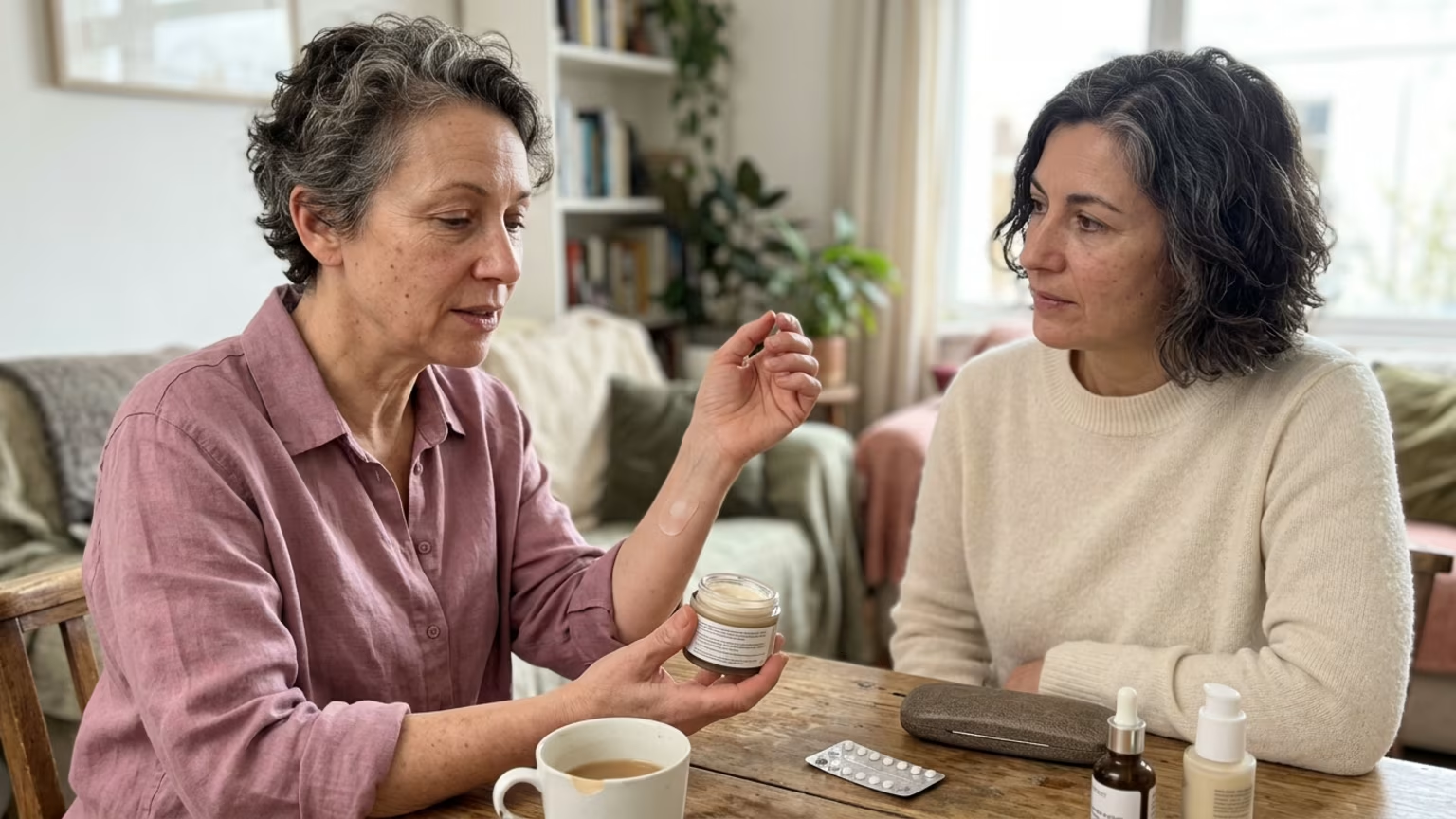

Learn how estrogen decline during menopause affects skin collagen, thickness, and elasticity. Compare topical barrier support with systemic hormone therapy.





Hormonal shifts bring profound changes to how the body maintains its structural proteins. When estrogen levels decline, the dermal matrix undergoes specific transitions that differ from ordinary chronological aging. For women navigating these changes, evaluating the available options requires understanding the distinction between surface-level cosmetic care and systemic medical treatments.
The core divergence between these approaches lies in their biological targets and risk profiles. After a person reaches one year past their last menstrual period, falling hormone levels reduce the extracellular matrix maintenance previously supported by estrogen. This transition results in documented reductions in dermal thickness, collagen density and elastin production. These shifts may be experienced as skin that feels significantly thinner, less resilient or less elastic over time.
Topical skincare focuses entirely on managing the external environment and supporting the compromised barrier. It aims to retain water, reduce irritation and prevent additional ultraviolet damage from degrading the remaining structural proteins. This approach addresses the symptoms of hormonal decline without interacting with the body's internal endocrine system. For those interested in how the dermal matrix changes over time, topical care represents the most accessible first line of defense.
In contrast, systemic medical treatments attempt to influence fibroblast activity internally by reintroducing hormones into the body. These therapies aim to potentially stimulate the structural components that help skin resist deformation. Because they alter systemic hormone levels, they carry medical implications that topical creams simply do not. Understanding this fundamental difference in mechanism is essential for setting realistic expectations during midlife transitions.
Evaluating these options requires a clear understanding of what constitutes normal biological progression. Menopause is not the only driver of visible skin aging during midlife. The AAD specifically highlights cumulative sun exposure and age-related photoaging concerns alongside hormonal shifts. This means that estrogen decline should not be treated as the sole explanation for new wrinkles, pigmentation or laxity. Understanding this broader context helps in forming a comprehensive approach to hormonal skin changes.
Topical intervention relies on protecting the skin and compensating for its reduced ability to retain water. The American Academy of Dermatology emphasizes practical barrier support rather than dramatic structural alterations. Falling hormone levels can leave the skin drier, looser and thinner than before. To address this, replacing harsh soap with a mild cleanser and applying moisturizer after bathing can significantly improve daily comfort.
Choosing the right products becomes critical as the skin's tolerance shifts. Ingredients like glycerin and hyaluronic acid are specifically noted by the AAD for their potential to help with severe dryness. Selecting a gentle routine is vital, which is why understanding cleanser choice and technique becomes increasingly important as we age. For sensitive external areas, an NHS patient leaflet advises avoiding fragranced washes, wipes and deodorants. The NHS recommends washing gently no more than necessary and using an unscented emollient for vulval skin protection.
Sun protection remains the most critical preventative step for women aged 30 to 60. The AAD recommends applying a broad-spectrum sunscreen with SPF 30 or higher on exposed skin every single day. Sunscreen cannot physically thicken the skin, but it can help prevent further sun-related damage and thinning. This daily habit prevents compounding existing hormonal changes with preventable environmental degradation.
When considering active ingredients for wrinkles or laxity, the AAD notes that retinol or peptides may increase collagen in the skin. However, thinner or more sensitive menopausal skin may not tolerate aggressive chemical exfoliation well. The AAD explicitly warns that at-home exfoliation or microdermabrasion can cause more harm than good when the skin barrier is compromised. Because of this heightened sensitivity, any intensive topical regimen should be approached cautiously and ideally guided by a board-certified dermatologist.
Systemic hormone therapy targets the biological root of menopausal skin changes, but the clinical reality is highly complex. A widely repeated estimate reported by the AAD suggests women lose about 30 percent of skin collagen during the first five years after menopause. The AAD notes that this loss then slows to about 2 percent annually for the following two decades. Because estrogen is closely associated with maintaining these structural proteins, introducing hormone therapy might seem like an obvious solution.
However, the evidence on hormone therapy and skin outcomes is decidedly mixed and inconsistent. A dermatology review reports that some studies found estrogen therapy increased skin collagen toward premenopausal levels. Conversely, other studies in the same review did not find any measurable effect at all. This inconsistency highlights that estrogen and midlife changes are not fully predictable for every individual.
More importantly, systemic treatments carry significant health implications that extend far beyond physical appearance. A Mayo Clinic source states that menopausal hormone therapy can increase breast-cancer risk. This risk is reported to be higher for treatments containing both estrogen and progestin. Because of these serious systemic risks, clinical reviews strongly emphasize that hormone therapy is not recommended solely for cosmetic purposes.
When our team at Younell first started reviewing clinical trials on structural skin changes, we realized how desperately consumers need a translator for beauty science. Someone who can say exactly what a study proves and what it does not prove is absolutely essential. We frequently saw minor increases in skin hydration exaggerated in consumer media as definitive proof of structural reversal. This experience reinforced our commitment to distinguishing rigorous medical evidence from optimistic cosmetic marketing.
Choosing how to manage menopausal skin changes depends entirely on an individual's specific health profile and personal risk tolerance. Topical barrier support and consistent photoprotection remain the most universally appropriate foundation for all women. Gentle cleansing, consistent use of SPF 30 or higher, and diligent moisturizing offer low-risk methods for improving skin comfort. This surface-level approach aligns perfectly with long-term goals for healthy, resilient skin without introducing systemic medical risks.
Systemic hormone therapy should be reserved strictly for those who require intervention for broader menopausal symptoms. While it may offer potential structural skin benefits for some individuals, the mixed clinical evidence and documented medical risks make it unsuitable as a purely cosmetic strategy. Patients experiencing persistent rashes, worsening rosacea, significant bruising, or changing dark spots should seek professional assessment. Ultimately, the most effective path forward combines realistic expectations, targeted external protection, and individualized medical guidance from a qualified dermatologist.
Stay connected for research and practical guidance on skin, hair, collagen, nutrition and beauty longevity. Clear ideas for people who want to understand how appearance changes with age and make better-informed choices over time.



Understand your skin, hair and body better without chasing every new trend, treatment or promise.
explore the Blog