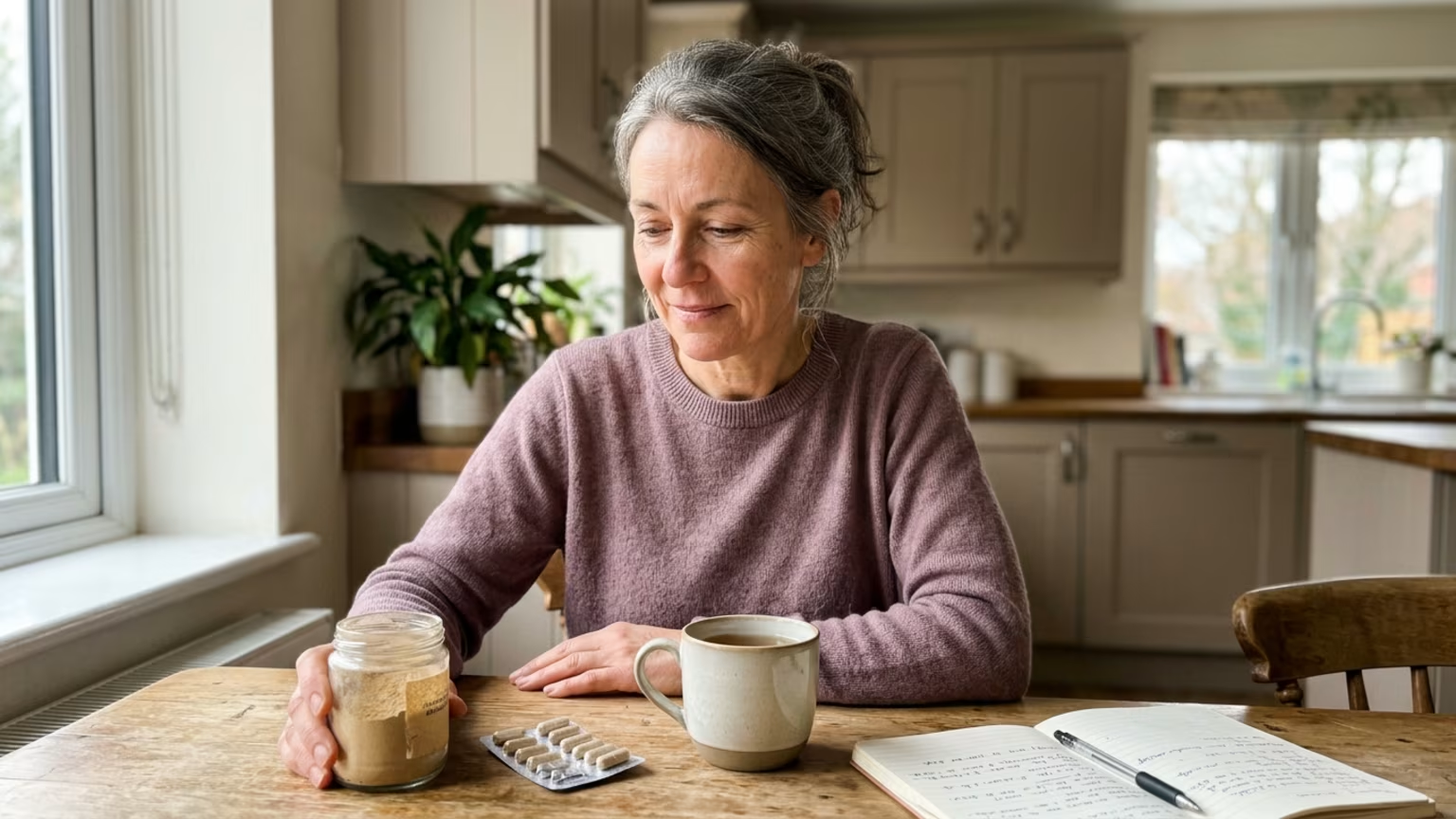

A new 12-week trial suggests ashwagandha root extract may help manage sleep and menopause symptoms. Learn how this fits into a healthy aging routine.





In September 2026, mindbodygreen reported on a new 12-week randomized trial involving postmenopausal women. The study examined whether daily supplementation with a specific botanical extract could influence sleep quality, menopause symptoms, and body composition. Researchers assigned the participants to receive either a daily dose of the supplement or a basic placebo, ensuring neither group nor the clinical researchers knew who received which pill. This initial reporting suggests that the intervention offered measurable improvements in sleep and symptom relief, presenting a cautious but interesting data point for adults focused on long-term wellness.
Ashwagandha is an adaptogen historically studied for its potential to help the human body process and respond to systemic stress. During menopause, declining estrogen levels often disrupt normal rest cycles, shift how the body stores physical fat, and trigger unpredictable physiological symptoms. The recent trial looked at how a specific botanical intervention might interact with these biological changes in older women. According to the published reporting, participants taking the supplement experienced significantly greater improvements in their overall sleep quality compared to those taking the placebo.
They also reported far fewer daily menopause symptoms by the end of the strict observation period. Beyond basic sleep architecture, the clinical researchers thoroughly assessed how the intervention impacted broader daily well-being. The supplement group recorded much better scores across several key areas of overall life quality. Improving rest is often a critical factor in supporting better sleep and healthier aging.
The trial even noted a small but measurable shift in physical composition over the three months of study. Body-fat percentage decreased in the ashwagandha group, while it edged up slightly in the placebo group. These physical changes underscore the deep connection between stress management, adequate recovery, and visible health.
The clinical trial enrolled 66 postmenopausal women between the ages of 45 and 65. Researchers assigned the active group to take 600 mg of ashwagandha root extract daily for the full duration of the study. Ultimately, 63 participants successfully completed the rigorous 12-week program. While the results showed a clear statistical advantage for the active group in rest and symptom management, controlled environments rarely mirror everyday life.
Participants in strict academic studies follow precise dosing schedules and receive consistent monitoring from dedicated research staff. They also benefit from regular check-ins that can naturally increase their compliance with the protocol. When health-conscious adults purchase supplements independently, product quality, extraction methods, and daily routine consistency can vary widely. This inherent variability often leads to completely different outcomes at home than those documented in a controlled lab setting. Furthermore, the highly supportive structure of a clinical trial often encourages participants to adhere more closely to their broader health and lifestyle routines.
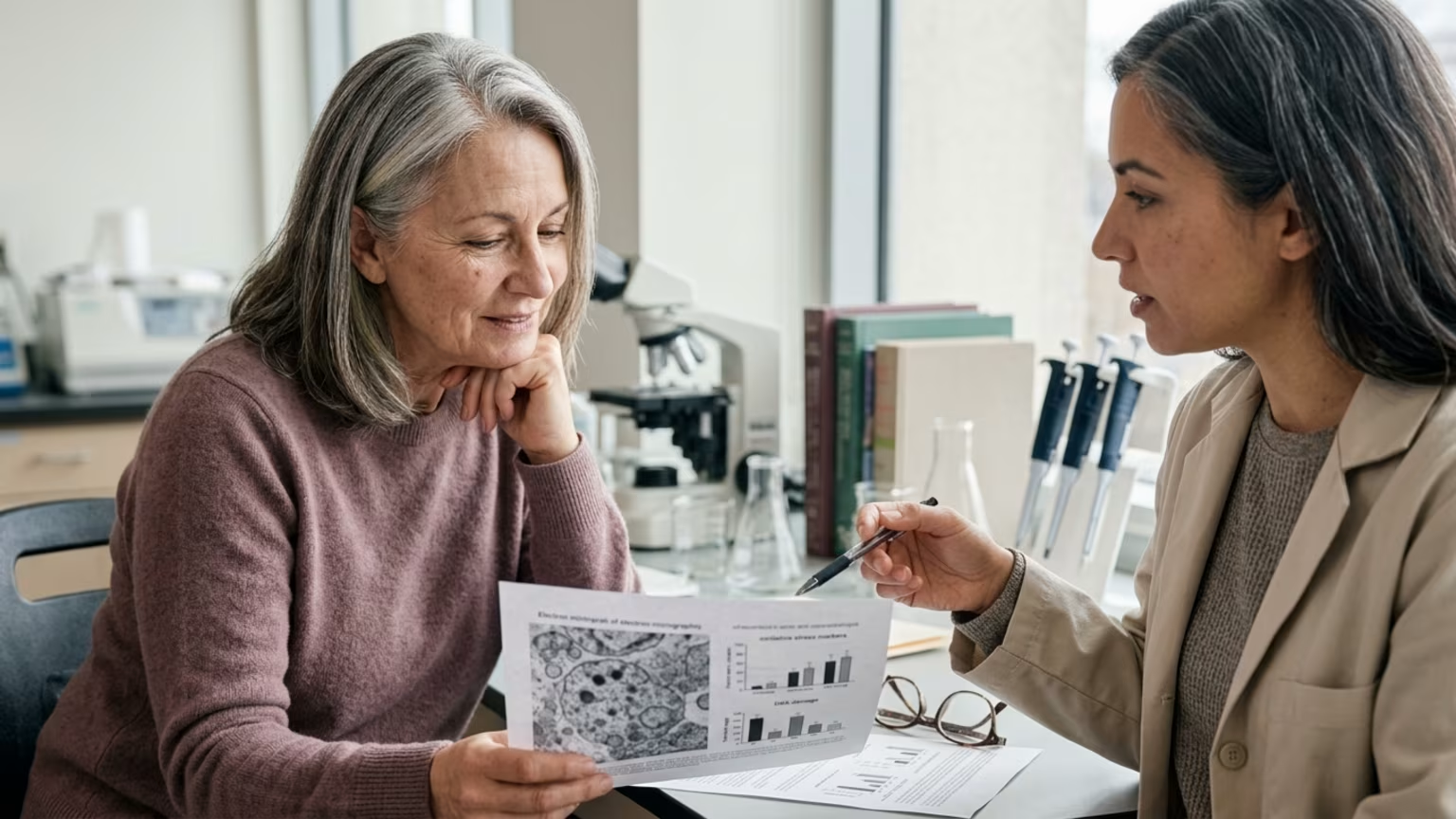
This recent research offers a promising initial lead, but mindbodygreen characterizes it as an early signal rather than a definitive scientific answer. The trial was relatively small and took place at a single research center located in Amritsar, India. Because the participant pool was limited to one specific geographic location, the final results may not automatically generalize to a larger or more diverse group of postmenopausal women. Medical professionals typically require multiple large-scale studies before changing their standard treatment recommendations.
Additionally, 12 weeks is a very short timeframe to study complex systemic biological changes. This brief duration makes it impossible to know whether the documented improvements in sleep and body composition would persist over a longer period. The researchers also measured bone density during the study, noting that it remained similar between both the active and placebo groups. As the reporting clearly notes, a three-month window is likely too brief to detect any meaningful shifts in human skeletal health.
Finally, the specific nature of the trial intervention requires careful interpretation by consumers. The study utilized a highly specific botanical extract, and the article cautions that different commercial products contain vastly different ingredients and botanical concentrations. You cannot simply assume that every off-the-shelf supplement labeled as ashwagandha will match the exact root extract tested in this clinical setting. Navigating these differences is a crucial part of building an effective, personalized longevity strategy.
For women navigating midlife changes, these trial findings highlight the deep biological connection between stress, adequate rest, and physical well-being. Botanical supplements might offer targeted support for some individuals, but they should never replace the foundational habits required for long-term health. Proper nutrition, consistent movement, and rigorous sleep hygiene remain your primary tools for preserving vitality as your body changes over the years. Understanding how to support overnight skin repair and manage structural shifts is a continuous process that requires a truly holistic approach.
When looking at menopause-related physical changes, established clinical guidelines always prioritize foundational lifestyle factors over supplementation. A Cleveland Clinic article on menopause-related weight changes recommends a general goal of 150 minutes of aerobic exercise and two strength-training sessions per week. This level of regular activity provides a reliable baseline for metabolic health, muscle retention, and cardiovascular function. It is important to view any new botanical product as a minor adjunct to these proven physical practices rather than a standalone solution.
The supplement market can be confusing for consumers seeking reliable relief from midlife physiological shifts. Because manufacturing standards vary globally, the concentration of active botanical compounds often differs significantly from one brand to the next. Relying solely on a product label can sometimes lead to disappointing results if the formulation lacks proper clinical validation. Finding high-quality options requires patience, diligent research, and a willingness to look beyond aggressive marketing campaigns.
If you choose to incorporate a botanical adaptogen into your routine, careful product selection and medical consultation are essential. Scrutinize supplement labels for specific extract types, and understand that the broader consumer supplement industry is highly variable. Always discuss persistent physical symptoms and new dietary supplements with a qualified healthcare provider before starting a daily regimen. This critical step is particularly vital if you are taking prescription medications, managing an existing health condition, or navigating hormonal skin changes alongside your physician.
As clinical research continues to investigate how specific plant compounds influence the complex biology of aging, the scientific focus is expanding toward holistic lifestyle integration. Finding sustainable ways to support the body through midlife transitions will remain a central priority for longevity science. The next critical phase of scientific inquiry will need to confirm whether these initial, small-scale signals hold true across larger populations over extended timelines. As adaptogens and targeted botanical interventions gain traction in mainstream wellness culture, how will future studies successfully isolate the specific mechanisms that connect stress reduction to long-term physical vitality?
Stay connected for research and practical guidance on skin, hair, collagen, nutrition and beauty longevity. Clear ideas for people who want to understand how appearance changes with age and make better-informed choices over time.


Understand your skin, hair and body better without chasing every new trend, treatment or promise.
explore the Blog