

A clinical dietitian advises that most healthy adults do not automatically need protein powders or shakes. Learn how everyday meals support healthy aging.





In September 2026, a report published in The Sun Malaysia revealed that most healthy adults do not automatically need protein powders or shakes. The publication quoted Rozanna M. Rosly, a clinical dietitian at UM Specialist Centre, regarding optimal dietary habits. She advised consumers to verify their actual nutritional needs before purchasing specialized high-protein products.
Instead of trying to consume as much protein as possible, she recommended a food-first approach. Her guidance arrives as wellness marketing increasingly presents processed shakes as a daily necessity. The article highlighted that everyday meals can generally meet the protein requirements of most individuals.
Protein is a crucial nutrient that supports tissue growth, structural maintenance, and cellular repair. It plays a vital role in the preservation of skeletal muscle over time. When consumed in adequate amounts, it also provides the additional benefit of contributing to satiety for some people. This macronutrient serves as the fundamental building material for numerous bodily functions.
Beyond structural repair, dietary protein influences daily energy regulation. The article notes that protein may contribute to satiety for some individuals. This means that consuming protein-rich foods can help you feel full for longer periods after a meal. Managing hunger effectively is a key component of maintaining a balanced dietary routine.
However, simply consuming high amounts of protein does not automatically result in increased muscle mass. Rosly pointed out that nutritional intake must be paired with an appropriate physical stimulus. She highlighted resistance exercise as the necessary trigger for creating new muscle tissue. The protein you eat merely supplies the resources required to execute that physical repair.
The way the body utilizes these resources shifts significantly as we get older. Aging is associated with a reduced anabolic response to dietary protein. Because of this physiological change, older adults may need more protein to maintain their existing muscle mass than the standard minimum requirement. Even with this increased demand, a well-planned diet of ordinary foods can typically provide the necessary support.
Reviewing exact clinical data can help individuals accurately gauge their own dietary habits. The article reports that the Malaysian Recommended Nutrient Intakes 2017 provides a clear baseline for the general population. It recommends approximately 1 gram of protein per kilogram of body weight per day for adults. To illustrate this standard, the report uses the example of a 60-kilogram adult requiring about 60 grams daily.
Achieving this baseline target of 60 grams daily is entirely feasible through standard meals. For context, spreading this requirement across breakfast, lunch, and dinner requires only moderate planning. You do not need to consume massive quantities of food to reach this standard. This accessibility highlights why clinical dietitians frequently prioritize whole meals over concentrated supplements.
These baseline requirements shift notably for individuals engaged in rigorous physical conditioning. The publication reports that research suggests roughly 1.6 grams per kilogram of body weight per day is sufficient to maximize fat-free-mass gains. This specific measurement applies to many healthy adults who are participating in resistance training. Readers evaluating a practical evidence-based guide often recognize the importance of matching intake to physical activity.
It is also crucial to recognize the limits of increased consumption. The research indicates progressively smaller additional benefits when intake goes beyond that 1.6-gram threshold. This data suggests that continuously adding protein shakes to a diet will eventually yield diminishing returns. Differentiating between baseline adult requirements and training-specific goals can prevent unnecessary overconsumption.
While this clinical perspective is highly informative, it has distinct limitations regarding aesthetic outcomes. The report is focused entirely on general nutrition and muscle maintenance. It does not discuss the effects of protein consumption on skin or hair health. Without this specific data, readers should not assume that protein supplements are a proven beauty intervention.
The available research also leaves several safety and quality questions unaddressed. The article does not evaluate the ingredients, potential contaminants, or specific side effects of commercial protein powders. It offers no comparative data detailing how these manufactured products perform against whole foods in clinical trials. Consequently, the report cannot support claims about specific supplement hazards or detailed product benefits.
Furthermore, the reported intake targets are general references rather than personalized medical prescriptions. The article explicitly notes that individual protein requirements vary based on numerous physiological factors. Age, body size, physical activity, and overall health status all influence a person's daily needs. Specific physiological conditions, such as pregnancy and lactation, also significantly alter the necessary intake levels.
Transitioning to a whole-food approach requires a brief audit of your current pantry. Evaluating how much protein you currently consume from standard groceries is a necessary first step. Once you understand your baseline, you can identify if there are any genuine gaps in your diet. Only after this assessment should you consider whether a supplement is actually beneficial.
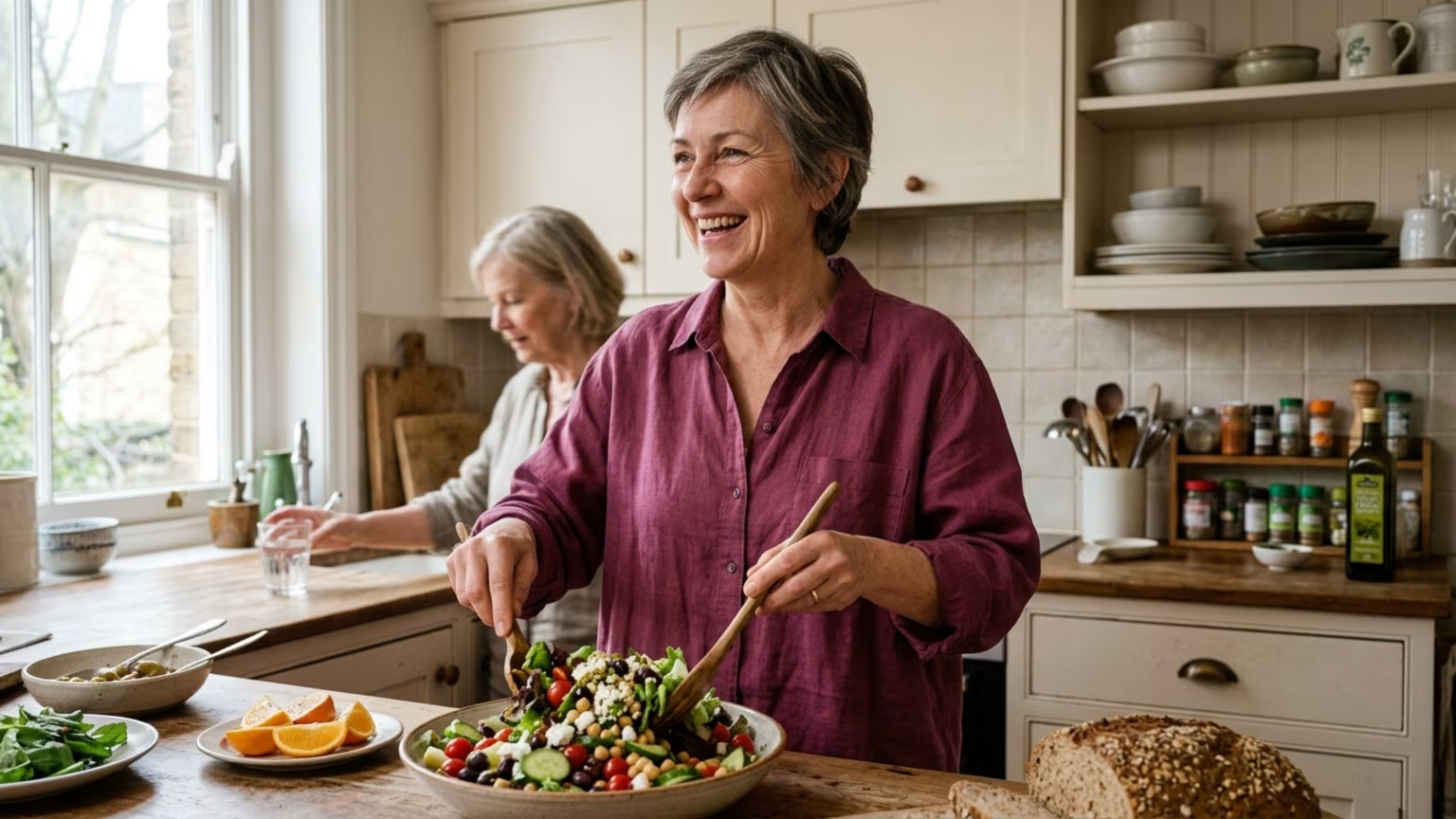
Health-conscious adults can implement this advice by carefully reviewing their daily meal composition. Rosly recommends relying on everyday food sources to meet nutritional needs instead of automatically buying synthetic powders. She names eggs, fish, chicken, milk, and yogurt as excellent animal-based options. For those incorporating plant-based meals, she lists tofu, tempeh, dhal, beans, and other legumes as highly effective alternatives.
Understanding how they differ for healthy aging can help refine your weekly grocery planning. Building meals around these varied ingredients provides a robust nutritional foundation. This food-first strategy encourages a balanced intake of nutrients without the added costs of highly processed products. Those applying a practical nutrition framework often find that focusing on consistent dietary habits is the most reliable way to support long-term wellness.
Some individuals will still need to monitor their dietary intake more meticulously than the general public. The article identifies older adults, people at nutritional risk, and those recovering from illness or surgery as groups requiring greater attention. Athletes, individuals doing substantial endurance training, and people with poor appetites also fall into this category. However, the guidance emphasizes discussing these specific needs with a health professional rather than instinctively relying on shakes.
As the wellness industry heavily promotes processed supplements, clinical professionals are increasingly pointing back to whole foods. This emphasis on ordinary meals challenges the modern assumption that specialized products are mandatory for maintaining vitality. As researchers continue to clarify how our bodies process dietary inputs over time, will future nutritional guidelines finally bridge the gap between muscle preservation and aesthetic longevity without relying on synthetic interventions?
Stay connected for research and practical guidance on skin, hair, collagen, nutrition and beauty longevity. Clear ideas for people who want to understand how appearance changes with age and make better-informed choices over time.




Understand your skin, hair and body better without chasing every new trend, treatment or promise.
explore the Blog