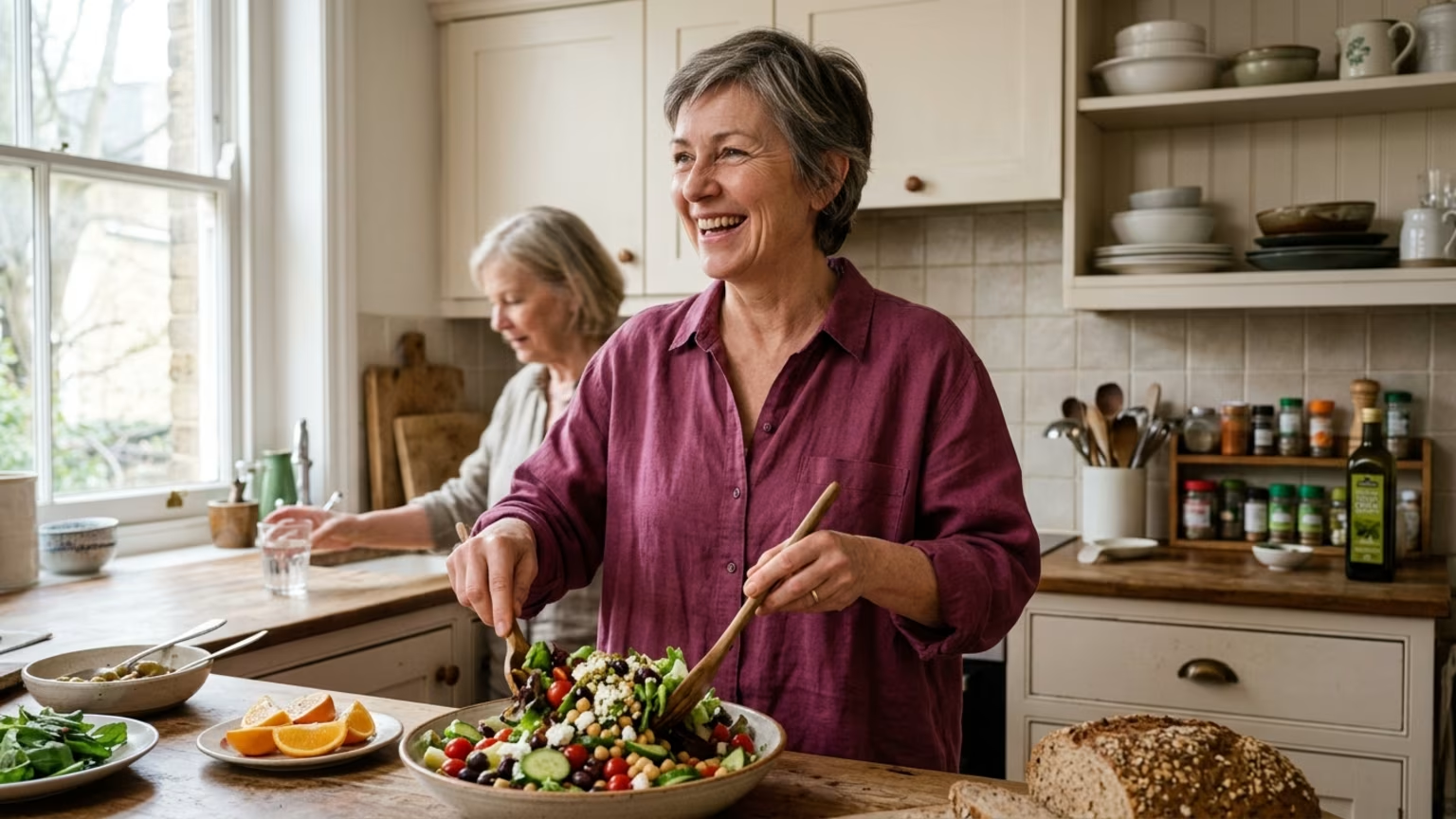

A Tufts University initiative highlights associations between Mediterranean-style eating and fewer menopause symptoms, emphasizing the need for clinical care.





In September 2026, a Tufts University article introduced the Tufts Women’s Health and Menopause Initiative. This new program was established through a four million dollar gift from Linda and Jeff Moslow. The university-wide effort combines clinical care, research, nutrition science, and medical education. It represents a growing recognition that midlife transitions require comprehensive medical attention.
The initiative arrives at a time when patients face significant confusion over conflicting health advice. Many women struggle to find clear answers about how lifestyle factors influence their symptoms. The Tufts program aims to investigate why symptom severity differs among women. It will also study which interventions work best for different patients across various backgrounds.
Nutrition plays a central role in how the body handles hormonal changes during midlife. Larissa Calancie is the co-director of the new initiative and a dedicated nutrition researcher. She noted that eating patterns resembling a Mediterranean-style diet are associated with several favorable health outcomes. These dietary habits are typically rich in higher-quality fats and carbohydrates.
Calancie reported that these eating patterns are linked to fewer vasomotor symptoms such as hot flashes. The association also extends to healthier body composition, weight loss, and lower rates of depression. Focusing on food quality can help support physical resilience during this transitional period. Women can read more about hormonal shifts in our guide to menopause and skin aging.
A multidisciplinary perspective is critical for evaluating these dietary observations. Megan Evans is a Tufts University School of Medicine professor and practicing obstetrician-gynecologist. She explained that proper menopause care involves addressing much more than just hot flashes. Clinicians must also consider sleep quality, bone health, cardiovascular risk, and a patient's broader well-being.
These systemic health markers often overlap with the benefits of a balanced diet. High-quality fats play a critical role in cellular function and hormone production. Complex carbohydrates provide stable energy and support healthy digestive function throughout the day. When combined, these elements create a nutritional foundation that helps the body adapt to physiological stress.
The demand for comprehensive menopause care currently outpaces available medical resources. Calancie noted that an estimated 6,000 women enter menopause each day in the United States. Despite this massive demographic shift, dedicated funding for midlife health remains incredibly low. She reported that the National Institutes of Health allocated only 0.1 percent of its 2024 research budget to menopause-specific research.
The disparity between patient need and research funding is a significant barrier to better care. When a tiny fraction of the national research budget targets menopause, scientific progress stalls. This lack of investment leaves physicians without the rigorous data required to update clinical guidelines. Ultimately, women are left to navigate complex physical changes without clear, evidence-based roadmaps.
This systemic underfunding directly impacts how quickly patients can receive specialized evaluation. The Tufts article states that some patients wait six months to a year to see a menopause specialist. These long waits often leave women searching for alternative solutions outside conventional medicine. It highlights a clear gap in standard medical training and clinical availability.
To help address this regional shortage, Tufts has opened dedicated menopause clinics in Boston, Braintree, and Norwood. The university also plans further clinical expansion for 2027 to reach more patients. These facilities aim to provide the specialized attention that general practitioners may lack the time to offer. Increased clinical access is the first step toward improving long-term health outcomes.
While the association between Mediterranean-style eating and symptom relief is promising, we must recognize its limitations. The Tufts article reports this dietary association but does not identify the specific study behind it. It does not name a participant group, outline the research methods, or link to a published clinical trial. The report also fails to provide specific food lists, quantities, or a prescribed meal plan.
Readers should view the Mediterranean diet connection as an expert-reported association rather than absolute proof of treatment. The available information does not establish that this specific dietary pattern directly causes symptom relief. It also does not compare dietary habits with hormone therapy or other conventional menopause treatments. We must distinguish these broad associations from concrete medical evidence.
The lack of hard data means diet should never replace professional symptom evaluation. Evans cautioned that patients often encounter partly accurate information when searching for quick relief. She specifically warned that some supplements or injectables promoted by medical spas may have harmful side effects. Furthermore, these unverified products may not be safe for every patient to use.
These warnings highlight the dangers of relying on aggressive marketing rather than verified science. Without long-term clinical data, we cannot confirm the safety of many commercial midlife wellness products. Women should maintain a healthy skepticism toward any service promising rapid symptom reversal. For evidence-based nutritional strategies, consider reviewing our framework on how to eat for collagen support.
The Tufts initiative offers a realistic model for integrating nutrition into your overall healthcare plan. The program plans an intake process that gathers clinical, lifestyle, and nutrition information before patient appointments. This thorough process will include a validated dietary screener to assess eating patterns and food quality. You can adopt a similar mindset by documenting your daily eating habits before visiting your doctor.
Focus on building sustained dietary patterns rather than searching for a single superfood to resolve symptoms. You can prioritize higher-quality fats and carbohydrates as a consistent baseline for your meals. Discuss these habits with a qualified clinician to ensure they align with your specific health needs. This conversation can help you navigate changes safely, particularly regarding concerns like thinning hair.
It is important to remember that nutrition is just one piece of a larger puzzle. The Tufts initiative aims to bring clinical care, research, and education together. They intentionally avoid treating nutrition as a stand-alone intervention for complex hormonal symptoms. A multidisciplinary approach provides the most realistic path to feeling well over time.
Health-conscious women should seek out providers who take this comprehensive view of aging. Bring your questions about dietary patterns for skin longevity directly to your medical appointments. Clear communication with your doctor helps separate useful lifestyle adjustments from commercial noise. Together, you can build a sustainable routine that supports your body through its natural transitions.
The launch of multidisciplinary initiatives signals a major shift in how the medical community views midlife care. Integrating validated nutrition screening into standard clinical intake processes could change how we manage hormonal transitions. As researchers continue to investigate why symptom severity varies, we may finally move past generic lifestyle advice. Will future clinical guidelines routinely prescribe specific dietary patterns alongside traditional medical therapies?
Stay connected for research and practical guidance on skin, hair, collagen, nutrition and beauty longevity. Clear ideas for people who want to understand how appearance changes with age and make better-informed choices over time.





Understand your skin, hair and body better without chasing every new trend, treatment or promise.
explore the Blog