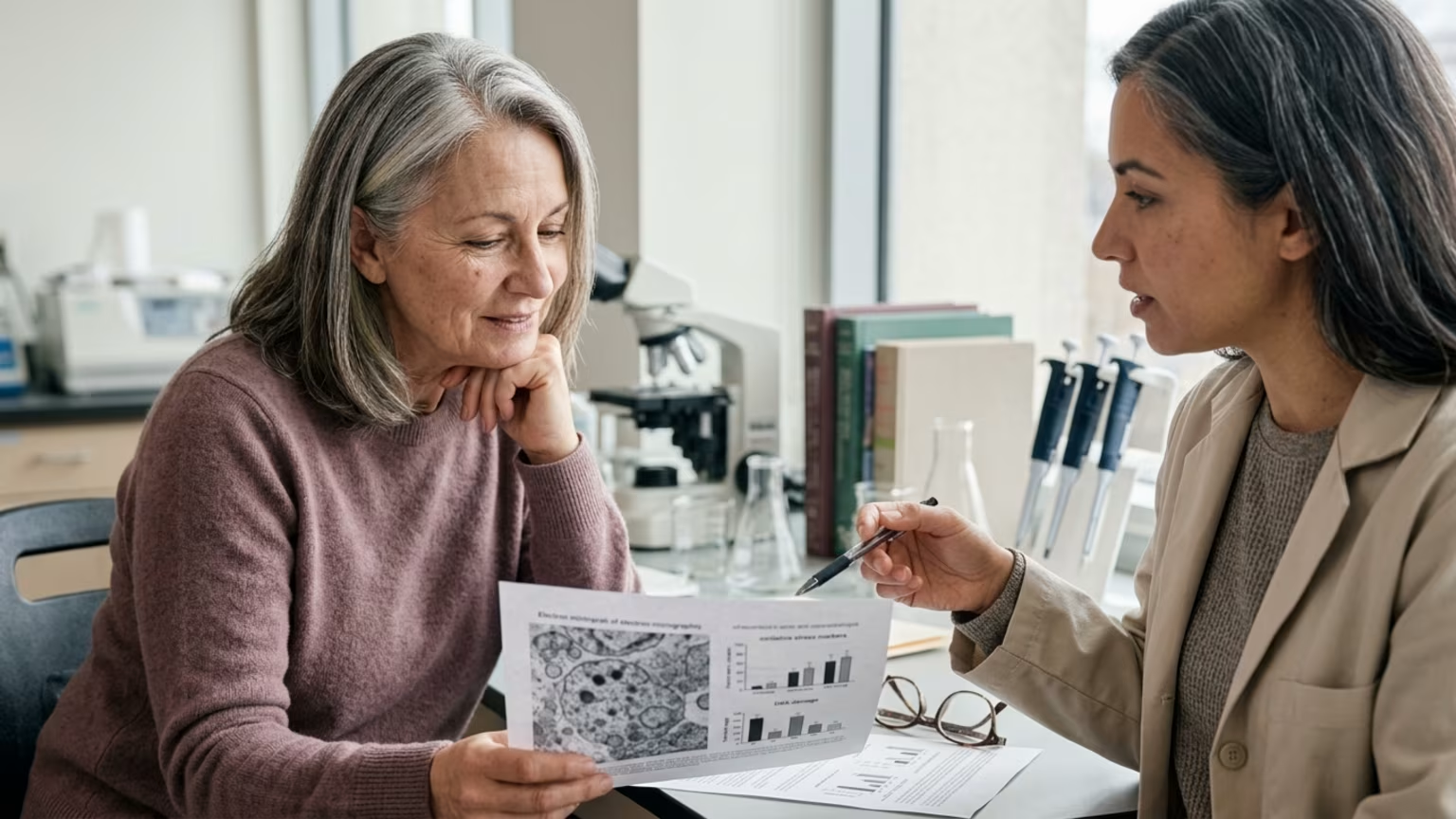

A preclinical mouse study explores how pigment stem cells respond to cellular damage. Learn what these biological findings actually mean for your hair routine.





In October 2025, a new study published in Nature Cell Biology revealed how pigment-producing hair cells respond to cellular damage. The specific research paper appeared in volume 27, issue 10, spanning pages 1647 through 1659. The Independent subsequently covered these findings in a detailed report on October 2, 2026. This recent coverage brought renewed attention to the complex biological mechanisms that influence hair pigmentation.
The research offers a measured look at cellular function in mice without promoting rapid aesthetic results. Younell exists to help readers understand the science behind skin, hair, and visible aging. We translate dense biology into clear everyday language so you can make informed decisions. This preclinical study provides an excellent opportunity to examine early-stage biological research critically.
The study focuses closely on melanocyte stem cells and their reaction to different forms of stress. These specialized cells reside in the hair follicle and replenish pigment-producing melanocytes over time. Researchers observed that these specific cells can follow two distinct paths after experiencing cellular damage. The research describes these diverging biological outcomes as antagonistic fates.
A shared population of stem cells can respond differently depending on the specific circumstances surrounding the damage. In one pathway described by the Independent, DNA damage can prompt these cells to change significantly. Specifically, double-strand breaks in the DNA can cause the stem cells to mature irreversibly into active pigment cells. This biological shift forces them to leave the stem-cell pool entirely.
The depletion of this vital stem-cell reserve can ultimately result in a noticeable loss of hair pigment. This particular mechanism helps explain one fundamental way that hair loses its color and turns gray over time. However, the report also details a sharply contrasting cellular response under different experimental conditions. The environment around the cell plays a massive role in dictating its future behavior and function.
When exposed to cancer-causing chemicals and UV radiation, signals from surrounding tissue alter the cellular response. These external signals can lead damaged stem cells to self-renew and persist within the hair follicle. They continue dividing rather than maturing and depleting the vital reserve. The researchers associate this persistence of damaged cells with conditions that can give rise to melanoma.
It is crucial to remember that this entire event is a foundational mouse study. The results do not establish that this exact balance of cell fates occurs in people. Animal models help scientists understand basic cellular mechanisms, but human biology often responds differently in complex environments. We prioritize making scientific uncertainty visible rather than hiding it behind bold marketing claims.
The findings do not mean that gray hair protects someone from melanoma or other skin conditions. They also do not indicate that gray hair signals a fundamentally lower cancer risk for any individual. Conversely, people without gray hair are not inherently at greater risk based on these specific results. The study describes cell behavior in highly controlled experimental environments rather than in everyday human life.
The described exposures are experimental research details rather than direct guidance for consumer health. The available reporting gives no basis for using hair color as a substitute for established skin-health advice. Furthermore, the study does not show that reversing gray hair would prevent cancer in humans. Allowing hair to naturally turn gray also does not offer documented preventative benefits against disease.
Translating dense biology into clear everyday language requires a careful look at how research is conducted. Media reports often highlight preclinical studies because they offer fascinating glimpses into cellular mechanisms. However, the journey from a basic mouse study to a validated human application is incredibly long. Health-conscious adults often experience confusion over conflicting advice when these early studies are treated as final conclusions.
Our primary goal is to help you separate useful evidence from the surrounding marketing noise. We distinguish solid evidence from marketing claims without treating novelty or popularity as proof. A study published in a prestigious journal like Nature Cell Biology is an important scientific milestone. Yet, it is just one small piece of a much larger puzzle regarding human aging and cellular health.
Anxiety caused by aggressive marketing often stems from a misunderstanding of how scientific research progresses. Companies sometimes use early-stage findings to sell unproven products, leading consumers to waste money on ineffective treatments. Recognizing the limitations of preclinical research helps you avoid these common pitfalls. You can feel confident about making long-term choices when you understand the actual scope of the evidence.
Health-conscious women should view these findings with scientific curiosity rather than seeking a new daily beauty routine. The results are strictly mechanistic and preclinical, meaning they do not support a consumer treatment. You cannot use this research to justify a new supplement, topical product, or specific dietary change. You should continue to rely on established, evidence-based practices for your daily skin and hair care.
Understanding the science behind healthy aging helps you separate useful evidence from marketing noise. This study offers a fascinating model for how pigment stem cells process different forms of stress. However, human relevance and any clinical application remain completely unestablished in the current reporting. There is no validated human risk-prediction tool based on these specific hair color findings.
Instead of looking for novel treatments, you should focus on known protective health measures. You can protect your scalp and skin by following standard UV protection guidelines from medical professionals. Managing environmental stress and hair damage remains a practical, well-supported way to support overall wellness. Your daily lifestyle habits play a much larger role in your long-term appearance than preclinical mechanisms suggest.
Supporting hair longevity involves consistent, gentle care rather than chasing unproven interventions. Younell prioritizes looking and feeling well over time, which means waiting for human data before changing your routine. You can learn more about evidence-based care in our Beauty Longevity Blog. Consistency with basic nutrition, adequate sleep, and gentle hair handling remains your best strategy.
Basic research into hair follicles continues to reveal the incredible complexity of our cellular biology. As scientists learn more about how stem cells respond to stress, our understanding of healthy aging will naturally evolve. The leap from mouse models to practical human applications always requires time, patience, and rigorous clinical testing. How long will it be before human clinical trials can accurately map these specific cellular pathways in our own skin and hair?
Stay connected for research and practical guidance on skin, hair, collagen, nutrition and beauty longevity. Clear ideas for people who want to understand how appearance changes with age and make better-informed choices over time.





Understand your skin, hair and body better without chasing every new trend, treatment or promise.
explore the Blog