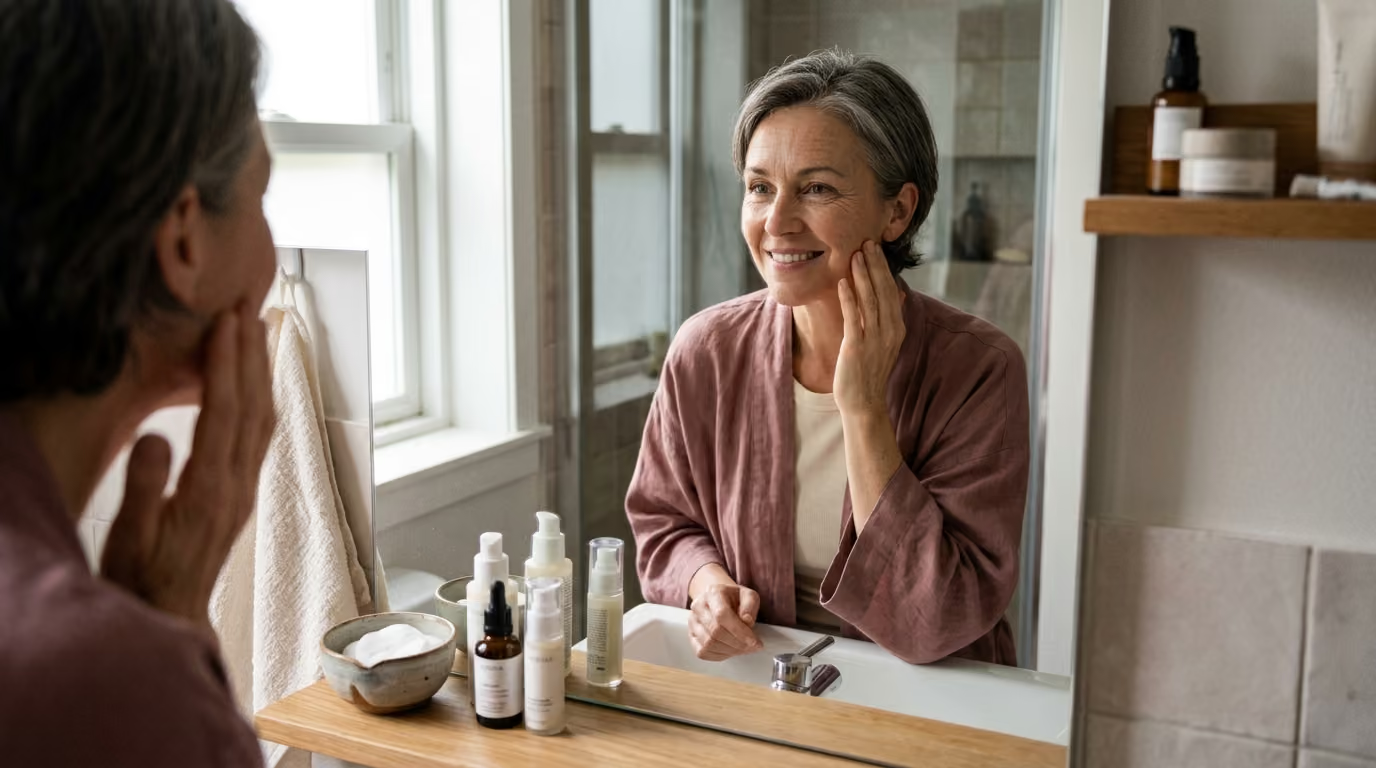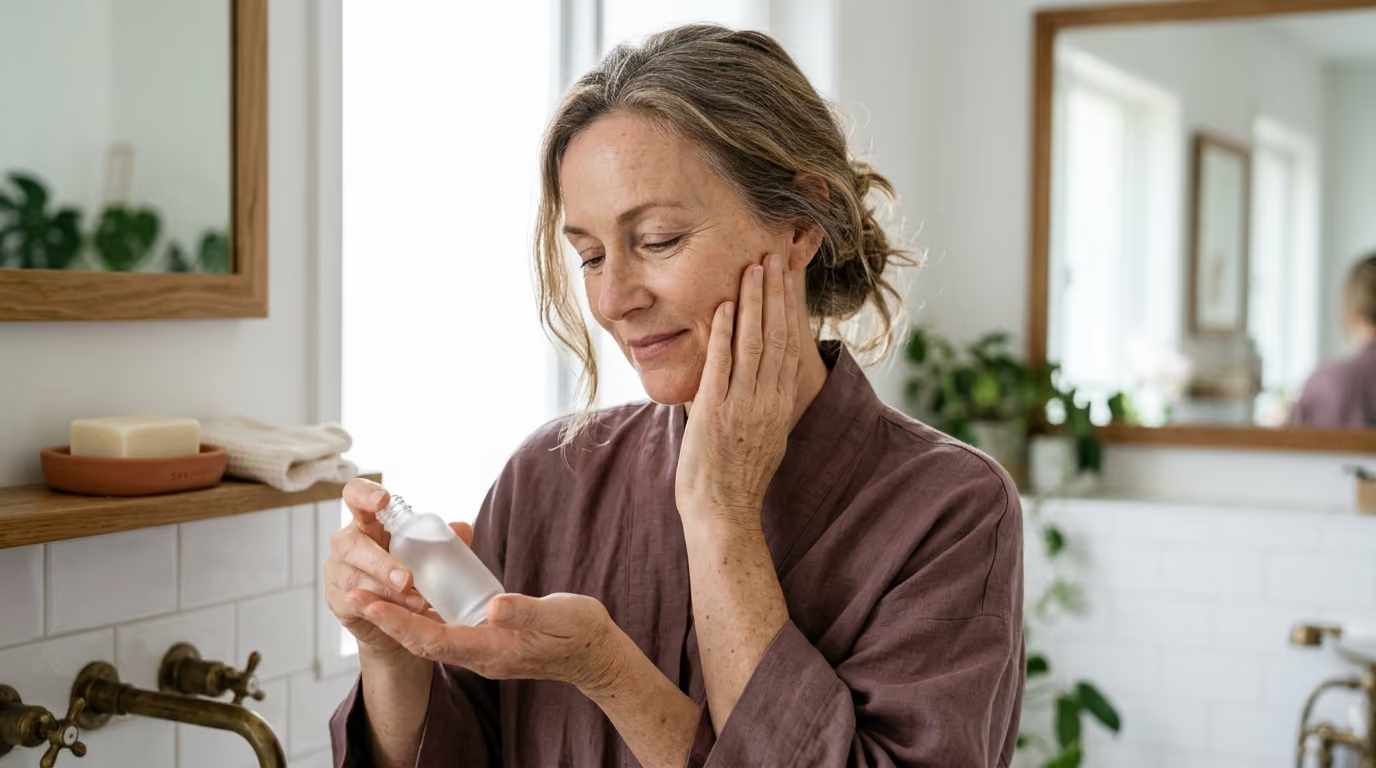

The skin microbiome shifts naturally with age, requiring barrier-supportive skincare strategies, gentle cleansing, and balanced topical ingredients.





You wash your face with a foaming cleanser, apply a balancing mist, and finish with a rich cream labeled microbiome-friendly. The marketing promises to feed your good bacteria, eliminate bad microbes, and restore a youthful glow. Yet within an hour, your skin feels tight, dry, and irritated.
This scenario is increasingly common as beauty marketing shifts its focus toward microbial health. The skin surface is home to trillions of microscopic organisms that interact continuously with our living tissue. Understanding how this ecosystem changes over time requires looking past simplified sales pitches.
A healthy microbiome is not a fixed collection of friendly bacteria. It is an adaptable biological community that varies across different areas of the body. In this guide, we break down the peer-reviewed evidence on microbial diversity, skin barrier biology, topical formulations, and sensible routine design.
Recent microbiology and dermatological research has clarified how microorganisms interact with aging skin tissue. The most important takeaways from current literature include:
To understand how topicals interact with your skin, you must first understand the biological layers of the surface. The skin barrier is not simply a wall of dead cells. It is a dynamic interface consisting of four interconnected systems.
The physical barrier consists of protein-rich corneocytes surrounded by an organized lipid matrix of ceramides, cholesterol, and free fatty acids. The chemical barrier includes the acid mantle, natural moisturizing factors, and host-derived antimicrobial peptides. The immune barrier contains resident white blood cells and signaling proteins produced by epidermal keratinocytes. Finally, the biological barrier consists of resident microorganisms and their active metabolic secretions.
These systems operate in a continuous feedback loop. The physical and chemical conditions of the skin determine which microbial species can survive. In return, resident microorganisms metabolize skin secretions into compounds that protect the barrier.
For example, commensal bacteria break down triglycerides present in sebum into free fatty acids and lactic acid. These organic acids help maintain an acidic skin surface, with a healthy stratum corneum measuring between pH 4.1 and pH 5.8. This acidic environment inhibits opportunistic pathogens, encourages proper lipid processing enzymes, and optimizes antimicrobial defense systems.
Microbes also communicate directly with the local immune system. Resident bacteria like Staphylococcus epidermidis produce specialized antimicrobial peptides that inhibit pathogens like Staphylococcus aureus. In laboratory models, commensal bacteria have also been shown to secrete sphingomyelinase enzymes, which assist in ceramide synthesis and support moisture retention.
In our experience analyzing clinical studies at Younell, biological systems rarely operate through simple linear pathways. When we first started reviewing clinical trials on collagen supplementation, I was struck by how often the media misinterpreted the data. A study showing a minor increase in skin elasticity was suddenly headlined as a total age reversal. It made me realize how desperately consumers need a translator for beauty science, someone who can say exactly what a study proves and what it does not prove.
The relationship between your skin and its resident microbes follows this same principle. Microbes do not simply sit on the surface like passengers on a bus. They actively process nutrients, train local immune cells, and modulate inflammatory pathways. Supporting this ecosystem means maintaining the biological habitat rather than attempting to micromanage individual bacterial populations.
Understanding these biological foundations allows you to build an effective approach to skin longevity and healthy aging. When your skin barrier functions well, your resident microbes have the stability they need to perform their protective tasks.
As we grow older, the biological environment of the skin undergoes predictable shifts. Intrinsic biological aging and external environmental exposures alter the physical structure of the epidermis. These structural shifts directly influence which microbes can thrive on our tissue.
One of the most notable changes is a decline in sebaceous gland activity. Sebum production decreases significantly with age, particularly after menopause in women. Because sebum provides vital lipids that nourish lipophilic bacteria, its reduction alters the available food supply on the face, chest, and back.
Research tracking microbial shifts across different age groups shows a consistent decline in Cutibacterium acnes, a bacterium that relies on sebum lipids for energy. As Cutibacterium levels drop, other organisms such as Corynebacterium, Staphylococcus species, and Malassezia fungi frequently increase their relative abundance.
Concurrently, mature skin tends to experience reduced natural moisturizing factors, elevated transepidermal water loss, and a gradual increase in surface pH. As the acid mantle becomes more alkaline, the environment becomes less hospitable to certain beneficial commensals and more permissive toward transient pathogens.
However, these age-related patterns are not uniform across the human body. Skin microbiology is strictly biogeographical. The oily environment of the forehead supports an entirely different ecological network than the dry surface of the forearm or the moist folds behind the ears. A study examining facial swabs cannot represent the microbial health of your arms or legs.
Furthermore, chronological age in years is rarely the primary driver of microbial disruption. Recent clinical data demonstrates that microbial instability correlates far more strongly with physical frailty and overall health status than with the number on your birth certificate.
When researchers compared healthy older individuals with older adults experiencing chronic health conditions, the frail cohort exhibited marked microbial instability. Their skin communities showed high interpersonal variation, reduced network connectivity, and weakened colonization resistance. This allowed opportunistic environmental microbes to settle on the skin surface.
For individuals exploring beauty science research, this distinction is vital. Healthy aging is not about trying to make mature skin host the exact microbial species of an adolescent. It is about supporting a resilient, stable ecosystem adapted to your current biological stage.
The beauty industry frequently uses preliminary scientific discoveries to justify broad product claims. Separating verified human clinical results from early laboratory hypotheses helps you make informed purchasing decisions.
A notable human clinical trial published in 2023 evaluated topical formulations containing specific prebiotic and postbiotic ingredients over an eight-week period. The multi-omic analysis revealed measurable improvements in skin hydration and transepidermal water loss. The researchers observed shifts in microbial metabolic pathways and a reduction in opportunistic organisms like Pseudomonas stutzeri.
These findings demonstrate that topically applied fermentations and nutrient substrates can influence the skin surface environment. However, the trial measured skin hydration, barrier integrity, and microbial gene expression. It did not demonstrate the removal of deep facial wrinkles or alterations to underlying dermal collagen architecture.
Another area where data contradicts marketing narratives involves microbial diversity. In gut health research, high bacterial diversity is generally considered a marker of digestive wellness. Cosmetic brands have copied this concept, claiming that maximizing facial microbial diversity is essential for youthful skin.
The microbiological data shows the opposite reality on human skin. Healthy young facial skin is often dominated by a small, stable group of specialized bacteria, particularly Cutibacterium. In contrast, older or impaired skin frequently displays hyperdiversified microbial communities.
This high diversity in older adults occurs because a weakened barrier and higher pH permit random environmental bacteria to colonize the surface. A hyperdiversified skin ecosystem is often fragile, volatile, and prone to inflammatory flare-ups. The goal of skincare should be community stability and barrier resilience, not arbitrary species counts.
Clinical evaluations have also scrutinized the impact of conventional cosmetics on skin bacteria. A comprehensive systematic review assessed whether everyday lotions, cleansers, and foundations disrupt the cutaneous microbiome. The researchers concluded that standard, well-formulated cosmetic products do not induce clinical dysbiosis in healthy skin.
While certain active ingredients may temporarily shift microbial ratios, the resident ecosystem generally displays impressive resilience. It returns to its baseline state within hours of product application, provided the underlying barrier remains intact.
Few topics generate more confusion than the effect of cleansers and preservatives on skin bacteria. Clean beauty marketing often suggests that traditional skincare products sterilize the face and destroy beneficial microflora.
Cleansing is necessary to remove accumulated environmental pollution, airborne particulate matter, oxidized sebum, sunscreen filters, and pathogenic debris. When dirt and oxidized lipids accumulate on the skin, they trigger oxidative stress and inflammatory signaling that degrade structural proteins.
The ecological impact of cleansing depends entirely on formulation chemistry, surfactant selection, water temperature, and washing frequency. Cleansers formulated with harsh, high-pH surfactants like sodium lauryl sulfate can strip protective intercellular lipids and raise surface pH for several hours. This creates an inhospitable habitat for acid-loving commensals.
In contrast, mild syndet bars or gentle non-foaming cleansers buffered to a physiological pH of 4.5 to 5.5 remove surface dirt without disrupting barrier lipids. The bacterial community on clean skin rapidly recovers from mild washing because many resident microbes live protected inside hair follicles and sebaceous glands.
Preservative systems face similar misunderstandings. Preservatives are essential components in any formulation containing water. Without effective preservation, cosmetic creams become breeding grounds for dangerous microorganisms such as Pseudomonas aeruginosa, Burkholderia cepacia, and various mold species.
Marketing claims often rely on in vitro laboratory tests to argue that preservatives harm the skin. In a petri dish, a broad-spectrum preservative is designed to kill microorganisms. However, human skin is a living, multi-layered biological system covered in protective lipids and dead corneocytes.
Critical appraisals examining human skin in vivo show that standard concentrations of cosmetic preservatives do not compromise the skin microbiota. The preservative remains bound within the product emulsion and is diluted across the stratum corneum, preventing microbial overgrowth inside the jar without sterilizing your face.
Opting for unpreserved or poorly preserved water-based skincare increases your risk of applying high counts of pathogenic bacteria directly onto your face. A contaminated product poses a far greater threat to barrier function and skin health than an approved, well-studied preservative system.
As interest in microbial health has grown, topical products featuring biotic ingredients have flooded the market. Understanding the distinctions between these terms allows you to evaluate product labels with precision.
A prebiotic is a non-living substrate that is selectively utilized by beneficial host microorganisms. In topical skincare, common prebiotics include complex carbohydrates like inulin, fructooligosaccharides, alpha-glucan oligosaccharides, and specific plant extracts.
The goal of a topical prebiotic is to supply nutritional building blocks that support desirable resident bacteria while leaving opportunistic pathogens unfed. In theory, nourishing commensal organisms allows them to produce beneficial metabolites, such as short-chain fatty acids, that lower skin pH and support barrier strength.
While laboratory models demonstrate selective feeding behaviors, real-world human trials remain limited. Applying a carbohydrate to your face does not guarantee that only beneficial bacteria will consume it. Nonetheless, many prebiotic sugars function as excellent humectants, drawing moisture into the stratum corneum and indirectly supporting barrier hydration.
By scientific definition, a probiotic consists of live microorganisms that confer a health benefit to the host when administered in adequate amounts. This definition creates substantial hurdles for topical cosmetic formulations.
Maintaining living bacteria inside a commercial cosmetic product is technically difficult. Water-based skincare requires preservatives to prevent contamination, and these same preservatives will kill living probiotic strains. Furthermore, live bacterial cultures require specific temperatures, nutrients, and packaging to survive transport and shelf storage.
True live probiotics used in clinical settings are typically restricted to specialized ointments, refrigerated suspensions, or freeze-dried powders. If a standard water-based cream sitting on a warm retail shelf claims to contain live probiotics, that claim should be viewed with healthy skepticism.
A postbiotic is a preparation of inanimate microorganisms or their functional components that confers a health benefit on the host. In cosmetic chemistry, this category encompasses bacterial lysates, heat-killed cells, cell wall fragments, and fermentation filtrates.
Common examples on ingredient lists include Bifida Ferment Lysate, Lactobacillus Ferment, and Saccharomyces Ferment Filtrate. Postbiotics offer substantial advantages over live bacteria because they are chemically stable, cannot cause uncontrolled infections, and remain compatible with standard preservation systems.
These fermented ingredients contain a rich mixture of microbial metabolites, including organic acids, peptides, amino acids, vitamins, and polysaccharides. When applied to the skin, postbiotic lysates help reinforce the physical barrier, reduce inflammatory signaling, and improve surface moisture levels.
When assessing topical biotic products, postbiotics currently represent the most practical, stable, and clinically supported approach for daily skincare.
A synbiotic is a formulation that combines both live microorganisms and prebiotic substrates. The intention is to supply both the beneficial organism and its specific fuel source simultaneously.
While synbiotics are widely used in oral dietary supplements, their topical application remains in early experimental stages. Topical synbiotic products face the same preservation and stability challenges as live probiotic lotions.
To learn more about how topical ingredients influence skin structure and physiological function, explore our resources on skin biology and longevity.
While the skin microbiome is a captivating area of medical research, significant gaps remain between laboratory findings and practical skincare solutions. Acknowledging what science has not yet proven prevents unrealistic expectations.
Much of the published literature relies on DNA sequencing techniques, such as 16S rRNA gene sequencing. While sequencing identifies which microbial genes are present on a swab, it cannot determine whether those organisms are alive, actively metabolizing, or simply transient biological debris.
Furthermore, correlation does not establish causation. Observing that older adults have lower levels of Cutibacterium and higher skin pH does not mean that the reduction in bacteria caused the skin to age. Reduced sebum production and altered epidermal turnover are primary physiological changes that subsequently alter the microbial environment.
Most intervention studies examining microbiome-focused skincare feature small sample sizes, brief study durations of four to twelve weeks, and lack vehicle-controlled comparisons. A product containing a fermented lysate might improve skin hydration simply because it is formulated in a base of glycerin and squalane.
Finally, researchers have not established a single universal microbial profile that defines healthy human skin. What constitutes an ideal bacterial balance for an oily forehead in a thirty-year-old is completely different from what sustains a dry cheek in a sixty-year-old. Skincare cannot be optimized to target a single idealized bacterial blueprint.
Translating microbiome science into your daily regimen does not require expensive specialty products or complicated multi-step routines. The most effective strategy centers on supporting your natural skin barrier, preserving surface acidity, and avoiding unnecessary irritation.
Cleansing should remove dirt without stripping the essential intercellular lipids that protect both your skin cells and resident microbes. Wash your face once or twice daily using lukewarm water and a gentle, non-stripping cleanser.
Look for formulas that use mild amphoteric or non-ionic surfactants, such as cocamidopropyl betaine, coco-glucoside, or sodium cocoyl isethionate. Avoid traditional high-pH bar soaps that leave your face feeling tight or squeaky clean, as that sensation indicates lipid depletion and elevated surface pH.
Preserving the natural acid mantle is one of the most reliable ways to support beneficial commensal microbes and inhibit pathogens. Choosing products formulated within a physiological pH range of 4.5 to 5.5 supports natural enzymatic functions in the stratum corneum.
If you use exfoliating acids such as glycolic, lactic, or salicylic acid, introduce them gradually. While low pH treatments can support cell renewal, excessive peeling strips protective barriers and triggers inflammatory dysbiosis.
A hydrated skin barrier provides a stable physical foundation for your resident microflora. Use moisturizers that incorporate physiological lipids, such as ceramides, free fatty acids, and cholesterol, alongside effective humectants like glycerin, ectoin, and hyaluronic acid.
Fermented postbiotic ingredients, such as Bifida Ferment Lysate or Lactobacillus Ferment, can serve as excellent additions to a barrier cream. They provide beneficial peptides and organic acids that soothe redness and improve moisture retention.
Ultraviolet radiation and airborne particulate pollution generate reactive oxygen species that damage skin lipids, impair local immunity, and destabilize surface microbes. Broad-spectrum sunscreen application remains the single most important step for long-term skin health.
Modern sunscreens do not sterilize the skin. By preventing UV-induced immunosuppression and cellular damage, daily photoprotection helps preserve the biological environment your commensal microbes need to survive.
Before investing in products marketed for microbial health, apply this practical six-step audit to assess the manufacturer's claims:
Understanding the broader context of lifestyle, environment, and physical recovery also plays a critical role in tissue health. You can read more about these holistic connections in our guide to environmental aging and recovery.
To see how these principles apply in real-world situations, consider these common clinical scenarios and their practical management.
A 42-year-old individual incorporates a high-strength foaming cleanser, an exfoliating toner used twice daily, and a nightly retinoid. Within three weeks, the skin appears red, shiny, and tight, with small stinging bumps across the cheeks.
This presentation reflects acute barrier impairment and lipid depletion rather than a bacterial infection. The high-pH cleanser and continuous chemical exfoliation have stripped surface ceramides and disrupted the acid mantle.
The solution is not to apply a live probiotic serum. The correct intervention is removing all exfoliating acids and retinoids, switching to a gentle lotion cleanser, and applying a rich ceramide-dominant moisturizer for four weeks to allow the physical and biological habitat to regenerate.
A 58-year-old post-menopausal individual notes increasing facial dryness, rough texture, and occasional flaking. Standard lightweight moisturizers no longer provide lasting comfort throughout the day.
This scenario stems from age-associated decreases in sebum production, reduced natural moisturizing factors, and a higher baseline surface pH. With fewer lipids available, lipophilic commensal bacteria naturally decline.
The routine should prioritize rich emollient creams containing physiological lipids, squalane, and postbiotic lysates. Cleansing should be restricted to once daily in the evening using a non-foaming cream cleanser, rinsing with cool water in the morning.
A 35-year-old individual experiences intermittent facial flushing, stinging sensations when applying basic lotions, and localized patches of dry, flaky skin.
This reactive state often involves neurovascular sensitivity paired with low-grade inflammatory signaling and barrier compromise. Aggressive attempts to alter the microbiome with multi-ingredient botanical ferments can worsen contact sensitivity.
The optimal approach utilizes minimalistic formulations containing soothing agents like panthenol, madecassoside, and colloidal oat extracts. Products should be fragrance-free and formulated at a skin-neutral pH to calm cutaneous nerve endings and restore baseline stability.
Navigating beauty counters requires filtering out persuasive marketing claims that lack scientific support. Here are four widespread misconceptions examined through current evidence.
Reality: While diverse gut flora correlates with digestive wellness, the facial skin surface operates differently. Facial skin in healthy young individuals is typically dominated by specialized Cutibacterium communities. High microbial diversity in mature skin often reflects barrier breakdown, where an elevated pH permits opportunistic environmental bacteria to colonize vulnerable tissue.
Reality: Cosmetic preservatives are formulated to prevent microbial contamination inside the product container. Controlled human trials demonstrate that approved preservatives used at standard concentrations do not sterilize or disrupt the living cutaneous microbiome in vivo. Unpreserved water-based cosmetics present a genuine risk of introducing pathogenic bacterial contamination.
Reality: Almost all commercial cosmetics labeled as probiotic contain non-living postbiotic lysates, heat-killed cells, or fermented filtration extracts. Living bacteria cannot survive standard cosmetic preservation and storage conditions. Postbiotics provide valuable barrier-supportive metabolites, but they are not live bacterial cultures.
Reality: While supporting your cutaneous ecosystem enhances hydration and barrier comfort, it does not prevent ultraviolet radiation damage, correct deep solar elastosis, or cure chronic dermatologic diseases. Microbiome-supportive formulations complement, but never replace, proven sun protection and medical treatments prescribed by a dermatologist.
To learn more about our evidence-led editorial standards, visit our about page to see how we analyze emerging clinical literature.
Topical products generally produce temporary shifts in microbial balance rather than permanent alterations. Your skin microbiome is continuously replenished from bacteria residing deep inside hair follicles and sweat glands. As long as your lifestyle, sebum levels, and environmental exposures remain consistent, your cutaneous ecosystem will return toward its individual baseline once a topical product is washed away.
Dermatologists refer to an altered ecosystem as dysbiosis, which typically manifests alongside classic signs of a damaged skin barrier. Symptoms include persistent dryness, flaking, stinging, unexplained redness, sudden reactivity to mild products, and increased susceptibility to localized breakouts. Restoring the physical barrier with gentle cleansing and lipid-rich moisturizers is the most reliable way to restore microbial equilibrium.
Fermented ingredients and postbiotic lysates are generally well tolerated and can help soothe irritation by delivering beneficial organic acids and peptides. However, ferments are complex biological mixtures that contain numerous distinct molecules. Individuals with highly reactive or allergy-prone skin should perform a patch test on the inner forearm before applying new fermented serums to their entire face.
Systemic nutrition plays an important indirect role in cutaneous microbial health. Your diet influences systemic inflammation, blood glucose regulation, and sebum composition, all of which alter the biological habitat of the skin surface. Eating a balanced diet rich in dietary fiber, polyphenols, and essential fatty acids supports overall tissue health from within, complementing your topical routine.
Yes, active ingredients like retinoids, L-ascorbic acid, and azelaic acid can be used alongside barrier-supportive and postbiotic products. The key is managing frequency and concentration to avoid acute barrier disruption. Using a soothing postbiotic cream alongside your nightly retinoid can help buffer potential irritation and maintain optimal hydration levels.
If you have specific questions about beauty science or topics you would like us to investigate, you can reach out via our contact page. For broader research overviews across all our focus areas, browse our full collection of beauty longevity resources.
Revisit this guide if you experience sudden skin sensitivity, plan to restructure your skincare regimen, or find yourself evaluating new product claims focused on microbial health.
Caring for your skin ecosystem does not require chasing complex trends or trying to manipulate individual bacterial strains. By maintaining a gentle cleansing routine, protecting your physical barrier, preserving surface acidity, and relying on verified clinical evidence, you provide your skin with the biological resilience it needs for lasting health.
Stay connected for research and practical guidance on skin, hair, collagen, nutrition and beauty longevity. Clear ideas for people who want to understand how appearance changes with age and make better-informed choices over time.


Understand your skin, hair and body better without chasing every new trend, treatment or promise.
explore the Blog