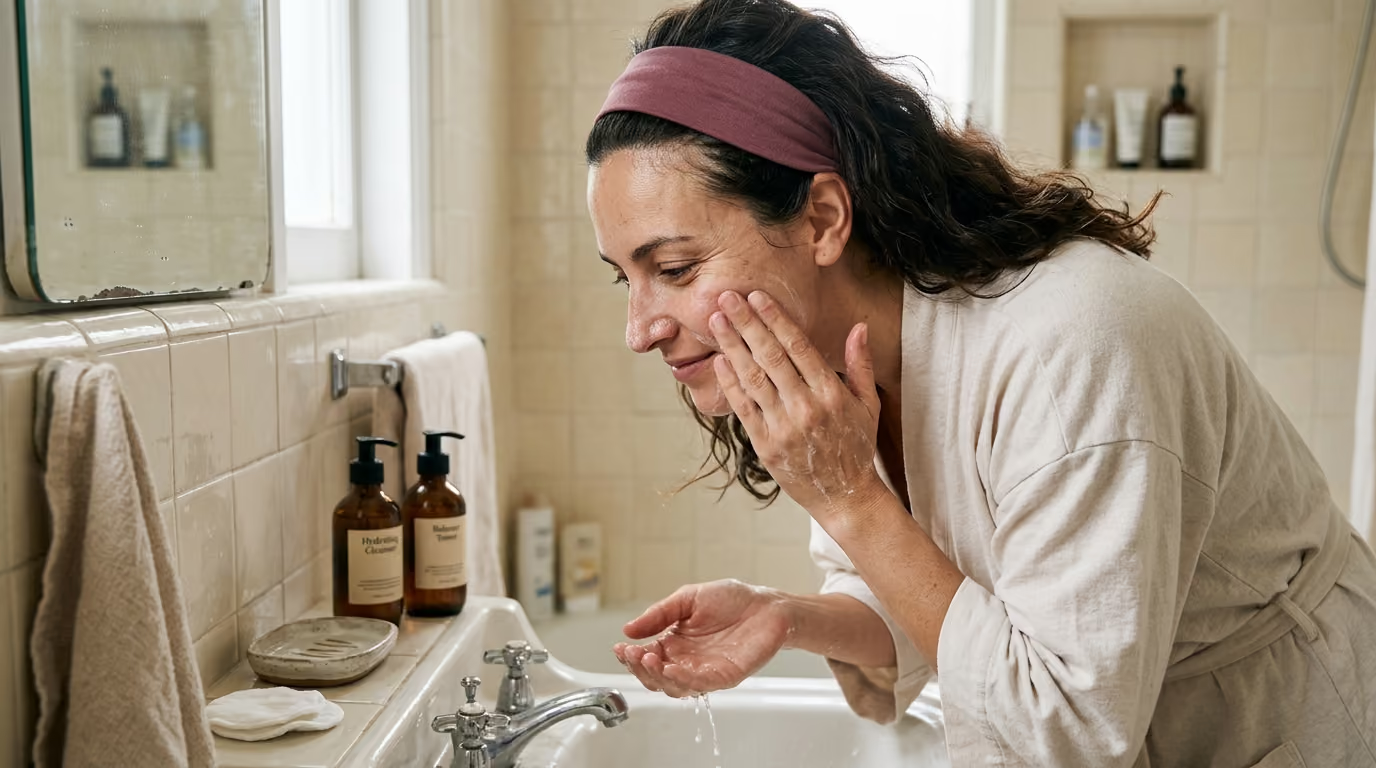

Squeaky-clean skin often signals barrier damage rather than true purity, requiring surfactant chemistry and pH balance to protect the stratum corneum.





You stand at the bathroom sink at the end of a long day. You apply a foaming wash, massage it across your face, and rinse thoroughly with warm water. As your skin dries, you feel an immediate, tight sensation across your cheeks and forehead. Many people mistake this squeaky sensation for true cleanliness, assuming that tight skin means the product worked properly.
In cosmetic chemistry and dermatology, that tight feeling signals something very different. It indicates that the cleansing process extracted vital surface lipids, swelled the outer proteins of your skin, and temporarily compromised your moisture barrier. Cleansing is not a contest to strip the skin bare. It is a precise physical and chemical process designed to remove unwanted debris while leaving the delicate stratum corneum intact.
When you wash your face or body, you introduce surface-active agents, water, friction, and temperature changes to an intricate biological system. Understanding how these factors interact allows you to keep your skin fresh and clear without triggering irritation, dryness, or accelerated barrier breakdown.
Research into skin physiology and cleanser formulation provides several clear insights into how washing affects skin health:
To understand why some washing routines leave skin calm while others cause redness and flaking, we must examine the biological structure of the epidermis and the molecular mechanisms of surfactants.
The outermost layer of your skin, the stratum corneum, serves as the primary barrier between your internal organs and the external environment. Dermatologists frequently explain this structure through the brick and mortar model.
In this model, dead, keratin-rich cells called corneocytes represent the bricks. Surrounding these cells is an organized lipid matrix that acts as the mortar. This intercellular matrix consists of roughly equal parts ceramides, cholesterol, and free fatty acids. Together, the corneocytes and intercellular lipids create a tough, semi-permeable seal.
This shield serves two vital functions. It keeps moisture inside the body, preventing excessive transepidermal water loss. At the same time, it stops environmental pollutants, allergens, and microbial pathogens from penetrating into deeper, living epidermal layers.
When you wash your skin, water and cleansing agents come into direct contact with this lipid matrix. If a cleanser is overly aggressive, it extracts these essential lipids, dissolves structural fats, and weakens the protective mortar.
Healthy skin maintains a slightly acidic surface environment, commonly referred to as the acid mantle. While values vary across different body sites, facial skin generally registers a pH between 4.5 and 5.75.
This acidic environment is not an accidental byproduct. It is necessary for normal epidermal biology. The enzymes responsible for synthesizing ceramides and maintaining lipid organization require an acidic pH to function correctly.
Skin acidity also regulates natural desquamation, the process by which old corneocytes shed evenly from the surface. Furthermore, the acid mantle discourages the colonization of pathogenic bacteria while supporting the beneficial resident skin microbiome.
When you apply high-pH products to your skin, you temporarily disrupt this environment. Even plain water can cause a small, transient shift in pH. Strongly alkaline solutions, such as traditional soaps with a pH of 9 to 12, cause a sharp increase in surface pH. This alkaline shift can persist for hours, altering enzyme activity and making the stratum corneum swell.
Water alone cannot effectively clean oily residues from the skin. Water molecules are polar and cannot bind to nonpolar substances like excess sebum, water-resistant sunscreen filters, makeup pigments, and oily urban particulate matter.
To bridge this gap, cleansers rely on surface-active agents, or surfactants. A surfactant molecule features a dual structure. It possesses a hydrophilic, water-loving head and a lipophilic, oil-loving tail.
When you massage a cleanser over damp skin, the lipophilic tails attach to surface oils, dirt, and makeup. As the concentration of surfactant increases, these molecules self-assemble into spherical structures called micelles.
The lipophilic tails point inward to trap oily soils inside the micelle center. The hydrophilic heads face outward toward the water. When you rinse with water, these micelles wash away, carrying the trapped debris down the drain.
This mechanism explains how surfactants remove unwanted soil. However, surfactants cannot easily distinguish between unwanted surface oil and the structural lipids that keep your barrier healthy.
Surfactants can penetrate the stratum corneum, bind to cellular proteins, and extract intercellular ceramides and cholesterol. This interaction can denature keratin proteins within corneocytes, causing the cells to swell and destabilize. When this happens, the skin loses its ability to bind water efficiently, leading to roughness, redness, and discomfort.
Cosmetic chemists formulate cleansers using several surfactant families. The electrical charge on the hydrophilic head largely determines how the molecule behaves on the skin:
The distinction between traditional soap and modern synthetic detergent cleansers is fundamental to skin care chemistry.
Traditional soap is produced through saponification, a chemical reaction between vegetable oils or animal fats and a strong alkaline base, such as sodium hydroxide. The resulting fatty acid salts have an inherently high pH, usually between 9 and 12. Because of their alkaline nature, traditional soaps readily disrupt the acid mantle and alter stratum corneum lipid organization.
A syndet, short for synthetic detergent, is manufactured from chemically synthesized surfactants. Syndet cleansers can be produced as solid bars, foaming gels, or non-foaming lotions.
The primary advantage of syndet technology is pH flexibility. Formulators can adjust a syndet product to match the natural pH of human skin, creating a wash that cleanses effectively while minimizing protein denaturation.
Understanding these differences helps consumers look past marketing claims. A solid cleansing bar is not automatically a harsh soap, as many modern bars are gentle syndets. Conversely, a liquid cleanser is not automatically mild simply because it comes in a pump bottle.
To learn more about how chemical formulations influence epidermal health, explore our guides on beauty science research and skin longevity fundamentals.
Dermatological research has examined the physiological effects of cleansing across numerous clinical and laboratory trials. Looking closely at the data helps clarify what happens to your skin during and after washing.
Transepidermal water loss, or TEWL, is the primary objective measurement used by dermatologists to evaluate barrier integrity. When the stratum corneum is intact, TEWL levels remain stable and low. When the lipid matrix is disrupted or corneocytes are altered, water escapes into the air more rapidly, causing TEWL values to rise.
Clinical trials consistently demonstrate that washing with harsh surfactants increases TEWL. In an experimental study evaluating washing and drying practices published in clinical literature, researchers observed that TEWL increased after every wash procedure. Furthermore, repeated washing created a cumulative increase in water loss.
The study also showed that traditional soap produced a significantly larger increase in both surface pH and skin erythema compared to gentle cleansing alternatives. When participants used alkaline soap, skin pH shifted upward dramatically, requiring extended time to return to its normal baseline.
However, clinical research also reveals that frequency alone does not dictate barrier damage. In an experimental trial comparing five versus eleven standardized washes over a four-hour period, researchers tested a standard cleanser against a lipid-enriched syndet wash.
When participants used the well-formulated, lipid-containing syndet, both the low-frequency and high-frequency washing protocols produced only mild, comparable shifts in barrier parameters. The chemical design of the cleanser and its lipid content played a larger role in barrier preservation than the sheer number of wash cycles.
Water quality plays an important, measurable role in cleansing tolerance. Hard water contains elevated concentrations of dissolved mineral ions, primarily calcium and magnesium.
Laboratory and clinical studies conducted by researchers including Danby and colleagues have investigated how hard water affects surfactant behavior on human skin. When you wash with hard water, calcium and magnesium ions interact with surfactant molecules. This interaction makes surfactant residues less soluble, causing them to precipitate and bind to the skin surface instead of rinsing away cleanly.
In a case-control trial involving young adults, washing test sites with hard water significantly increased the deposition of sodium lauryl sulfate residues. These bound residues correlated with higher TEWL measurements and greater clinical irritation.
The effect was especially pronounced in participants with atopic dermatitis, particularly those carrying loss-of-function mutations in the filaggrin gene. Filaggrin is a structural protein essential for epidermal barrier integrity. When individuals with filaggrin mutations wash with hard water, the combination of mineral exposure and surfactant deposition creates substantial barrier stress.
Epidemiological data also shows a statistical correlation between water hardness and skin conditions. A systematic review pooling observational data from seven studies representing 385,901 pediatric participants found an association between hard domestic water and atopic eczema. The pooled odds ratio was 1.28, with a 95% confidence interval of 1.09 to 1.50.
Children living in hard-water regions exhibited a slightly higher incidence of eczema than those in soft-water areas.
However, observational data must be interpreted carefully alongside clinical intervention trials. Two randomized controlled trials evaluated whether installing domestic water softeners improved objective eczema severity in affected children.
Neither trial demonstrated a statistically significant improvement in clinical eczema severity scores compared to standard medical care. While hard water increases surfactant deposition and chemical irritation, installing a water softener does not serve as a standalone medical solution for established inflammatory skin disease.
Repeated occupational handwashing provides valuable data on cumulative barrier breakdown. Healthcare workers, laboratory staff, and service workers often wash their hands dozens of times per shift, making them highly susceptible to irritant contact dermatitis.
A double-blind randomized study evaluated the effects of repeated soap handwashing over a two-week period. Participants who washed repeatedly with soap without applying a post-wash moisturizer showed statistically significant worsening of clinical skin condition by day 14.
The researchers then evaluated five different post-wash moisturizers. Three of the five formulations produced a statistically significant reduction in TEWL by day 7 of the protocol. One high-performance barrier cream maintained a statistically significant protective effect through day 14, even with continued frequent washing.
This data demonstrates that post-wash hydration is not merely a cosmetic preference. It is an active intervention that counters the physical disruption caused by cleansing.
Skin physiology changes considerably across the lifespan, altering how the stratum corneum responds to cleansing stress. Research measuring skin-surface lipids across various age cohorts confirms that sebum production peaks in early adulthood and declines steadily thereafter.
In clinical studies analyzing lipid levels, adults over 70 years of age exhibited the lowest measured surface lipid concentrations. With fewer natural lipids available to coat the skin, mature tissue possesses less innate protection against surfactant-induced lipid extraction.
Furthermore, mature skin exhibits a marked delay in barrier recovery following an acute disruption. In experimental studies comparing barrier repair rates between young and older subjects, young skin repaired roughly 50% of barrier function within 24 hours of experimental disturbance.
In contrast, older subjects achieved only about 15% barrier recovery at the same 24-hour mark.
Because barrier repair takes significantly longer in mature skin, daily aggressive washing creates a persistent deficit. The skin experiences new surfactant stress before it has fully recovered from the previous wash cycle.
A clinical study involving older adults evaluated a washing regimen that combined mild soap washing with an immediate 2% glycerine soak followed by petrolatum application. This structured post-wash intervention significantly improved stratum corneum hydration and reduced xerosis compared to washing alone.
Readers interested in deeper physiological data can review our dedicated skin health resources and our analysis of advanced beauty science optimization.
While cleansing science has advanced rapidly, we must recognize the boundaries and methodological limitations of the existing literature.
First, many experimental cleansing studies rely on sodium lauryl sulfate, or SLS, as a standard model for surfactant-induced irritation. SLS is an effective benchmark for laboratory research because it reliably induces measurable barrier disruption.
However, modern consumer cleansers rarely use unbuffered SLS as a primary surfactant. Contemporary formulations blend mild surfactants, conditioning polymers, and refatting agents that significantly reduce irritation potential. Laboratory findings based on high-concentration SLS solutions do not directly reflect how a well-formulated, modern syndet cleanser performs in real life.
Second, a substantial portion of cleansing literature relies on short-term trials conducted on small cohorts of healthy, young volunteers. A four-hour washing test in a climate-controlled laboratory cannot fully capture the complex, long-term environmental exposures experienced by older adults or individuals with chronic dermatitis.
Third, observational associations regarding environmental factors must not be confused with proven causation. As demonstrated in the water hardness literature, an observational link between mineral-rich water and childhood eczema does not mean water hardness is the sole cause of the disease. The failure of randomized softener trials to improve objective clinical outcomes underscores the complexity of skin barrier disorders.
Finally, subjective sensory perceptions do not always align with objective barrier measurements. A study participant may report that their skin feels clean, smooth, or tight, while instrument-based measurements like TEWL and electrical capacitance show minimal physical change.
Conversely, significant lipid reorganization can occur beneath the surface before visible redness or flaking becomes apparent. Objective scientific evidence must always take precedence over marketing claims and sensory intuition.
Applying cosmetic science to your daily life requires an understanding of what we call the Cleansing Dose. Cleansing is not a static action. It is a dynamic dose made up of several adjustable variables.
By adjusting these individual levers, you can clean your skin thoroughly while keeping barrier disturbance to an absolute minimum.
Dermatological guidance from the American Academy of Dermatology highlights a straightforward, low-stress protocol for daily facial cleansing:
As skin matures and natural sebum production declines, the cleansing routine must shift from active degreasing to barrier preservation.
Individuals with oily skin frequently make the mistake of using harsh, high-alkaline soaps or astringent washes to strip away all surface shine. This approach often backfires by causing surface irritation and barrier breakdown.
Sensitive skin is characterized by a hyper-reactive barrier that stings, burns, or flushes easily when exposed to standard topical products.
Water-resistant sunscreens and long-wear makeup formulas are engineered to resist removal by plain water and gentle sweat. When removing these durable products, a single light wash may leave behind stubborn residue.
Double cleansing offers an effective method for removing heavy products without resorting to abrasive scrubbing.
The first step uses an oil-based balm or micellar fluid. The nonpolar oils in the balm dissolve water-resistant silicone films, sunscreen filters, and pigments through simple chemical affinity. You massage the oil over dry skin to break down the makeup layer gently.
The second step uses a mild, water-based syndet cleanser to remove the emulsified makeup residue and rinse away excess oil.
Double cleansing is a targeted technique, not a universal requirement. If you wear only non-water-resistant sunscreen or no makeup at all, a single wash with a gentle syndet cleanser is completely sufficient. Performing two cleansing steps twice daily on bare, dry skin can cause unnecessary surfactant stress.
For an extensive collection of practical routines and ingredient analyses, visit our beauty and longevity guides.
Navigating skin care marketing requires separating biological facts from popular beauty myths.
Many people believe that skin must feel tight and squeak when touched to be truly clean.
In reality, that squeaky feeling occurs when surface lipids have been completely stripped away, leaving dry keratin proteins exposed to direct friction. A tight sensation indicates acute stratum corneum dehydration and barrier damage, not healthy cleanliness.
Because healthy skin is naturally acidic, some marketing suggests that the lower a cleanser's pH, the gentler it must be.
This is an oversimplification. Formulation chemistry shows that surfactant mildness depends on molecular structure and overall composition, not pH alone. Some anionic surfactant systems become more irritating under strongly acidic conditions because their electrostatic interactions with skin proteins change. A balanced pH between 5.0 and 6.0 is ideal, but pH cannot compensate for an aggressive surfactant blend.
Thick, abundant foam is often perceived as proof that a product is working effectively.
Foam is primarily a sensory characteristic created by specific foaming agents and gas entrapment. It does not measure a product's ability to lift dirt or protect the skin barrier. Many highly effective nonionic and micellar cleansers produce almost no lather while cleaning skin thoroughly and gently.
Consumers frequently assume that traditional, handcrafted, or vegetable-based bar soaps are gentler than synthetic commercial cleansers.
From a chemical perspective, traditional saponified soaps are inherently alkaline, typically holding a pH between 9 and 12 regardless of whether they use organic oils. These alkaline soaps disrupt the acid mantle and swell stratum corneum proteins more aggressively than well-formulated syndet cleansers built with synthetic surfactants.
It is tempting to believe that physical pressure and coarse scrubs can physically dislodge dirt and sebum from deep within pores.
Mechanical scrubbing cannot reach deep into the sebaceous follicle. Instead, abrasive particles and brushes create micro-tears in the surrounding stratum corneum, worsening inflammation and compromising the moisture barrier. Pores are best managed through gentle chemical exfoliation, not physical force.
Rinsing with plain water is gentle because it introduces no surfactants to extract lipids or denature proteins. However, prolonged soaking in plain water can cause temporary corneocyte swelling.
Furthermore, water alone cannot remove nonpolar substances such as water-resistant sunscreen, heavy makeup, or excess sebum. If you wear durable topical products, relying on water alone may leave residues that contribute to clogged pores or skin irritation.
Signs of an overly aggressive cleanser include immediate post-wash tightness, stinging when applying gentle moisturizers, visible flaking, persistent redness, and a rough texture. If your skin feels uncomfortable or dry within five minutes of washing before you apply moisturizer, your cleanser is likely too stripping for your current barrier status.
Cleansing frequency should match your skin type, environment, and daily activities. Individuals with oily skin or those who sweat heavily during sleep often benefit from a gentle morning cleanse and an evening wash.
Those with dry, sensitive, or mature skin often achieve better barrier health by rinsing with lukewarm water in the morning and using a mild syndet cleanser only in the evening.
Micellar waters use mild nonionic surfactants suspended in purified water to capture dirt and oil. They are an excellent option for travel, sensitive skin, or situations where tap water is exceptionally hard.
However, some individuals find that leave-on surfactant residues from micellar water cause mild irritation over time. If you have reactive skin, lightly rinsing your face with water after using micellar water can prevent surfactant accumulation.
Not necessarily. While hard water increases surfactant deposition and can aggravate barrier disruption in eczema-prone skin, many people tolerate hard water without difficulty.
If you notice persistent dryness, mineral scale in your bathroom, and post-wash stinging that does not resolve with mild syndet cleansers, testing a shower filter or water softener may be a reasonable step. However, a filter should complement a gentle skin care routine rather than replace it.
The skin microbiome is a complex ecosystem of bacteria, fungi, and viruses residing on the epidermis. Harsh alkaline soaps can alter the microbial balance by shifting surface pH away from the acidic baseline preferred by beneficial organisms like Staphylococcus epidermidis.
Using mild, pH-balanced syndet cleansers helps preserve the acid mantle, allowing the resident microbiome to recover quickly following normal daily washing.
Revisit this guide if you move to a new geographic area with different water hardness, as changes in mineral content can alter how your cleansers perform. You should also return to these principles whenever you enter a new season, notice persistent post-wash dryness, or adapt your skin care routine to address the natural biological changes of mature skin.
By treating cleansing as a precise biological balance rather than an aggressive scrubbing routine, you can keep your skin clean, comfortable, and resilient over the long term.
Stay connected for research and practical guidance on skin, hair, collagen, nutrition and beauty longevity. Clear ideas for people who want to understand how appearance changes with age and make better-informed choices over time.


Understand your skin, hair and body better without chasing every new trend, treatment or promise.
explore the Blog