
Protected skin barriers, resilient sleep, and cellular recovery remain achievable across extreme heat, cold snaps, wildfire smoke, travel disruptions.





You wake up to an unseasonable heat wave, smoky skies from distant wildfires, or a canceled flight that strands you in an unfamiliar airport. Your usual wellness routine vanishes instantly. The gym is inaccessible, your skin feels stripped by dry recirculated air, and your sleep schedule collapses.
In moments like these, trying to maintain an intense, rigid lifestyle routine often backfires. Pushing through severe heat or poor air quality adds biological strain rather than building fitness. When environmental conditions deteriorate or life disruptions occur, the goal shifts from optimization to preservation.
Lifestyle resilience is the capacity to protect essential health behaviors during acute stress and return smoothly to your baseline once conditions stabilize. It is an operating system designed to safeguard your core temperature, skin barrier, sleep continuity, hydration, and medication routines without demanding perfection.
Scientific research across public health, dermatology, and exercise physiology demonstrates that environmental stressors accumulate quickly. Rather than relying on complicated protocols or cosmetic products to counteract extreme conditions, an evidence-based approach prioritizes the following fundamentals:
To understand how acute disruptions influence visible aging and long-term vitality, we must examine the underlying biology of human adaptation. The body continuously balances internal stability against external pressure. When external stressors exceed normal limits, several biological pathways shift resources away from long-term maintenance and toward immediate survival.
The skin barrier, located in the stratum corneum, serves as the primary interface between your internal physiology and the outside world. It consists of protein-rich corneocytes embedded in a lipid matrix made of ceramides, cholesterol, and free fatty acids. When exposed to low ambient humidity, high winds, or freezing temperatures, water evaporates rapidly from the upper layers of the epidermis. This process is known as transepidermal water loss.
When cold air depletes epidermal moisture, enzymatic processes responsible for natural desquamation fail to function properly. This leads to micro-cracking, flaking, and irritation. Conversely, high heat and elevated humidity stimulate the eccrine sweat glands. While sweating cools the body through evaporation, prolonged sweat retention on the skin alters surface pH. Salt crystals left behind after evaporation can cause friction, follicle irritation, and local inflammation.
Wildfire smoke and urban air pollution introduce another layer of biological stress. Particulate matter, specifically fine particles with a diameter of 2.5 micrometers or smaller, carries polycyclic aromatic hydrocarbons and heavy metals. These microscopic particles can settle on the skin surface and generate reactive oxygen species. This oxidative cascade degrades structural collagen fibers, activates matrix metalloproteinases, and impairs the cutaneous barrier.
The cardiovascular and thermoregulatory systems experience similar strain during environmental extremes. When ambient temperatures rise, the heart pumps more blood to the skin surface to dissipate heat through vasodilation. This process increases cardiovascular workload, elevates resting heart rate, and accelerates fluid loss through respiration and perspiration. If hydration is inadequate, blood volume decreases, placing extra stress on the kidneys and cardiovascular system.
Sleep architecture is exceptionally sensitive to core body temperature. Normal sleep onset requires a slight drop in core body temperature, usually facilitated by peripheral vasodilation. When a bedroom is hot or humid, the body struggles to shed heat. This thermoregulatory challenge fragments rapid eye movement sleep and deep slow-wave sleep. These deep sleep stages are precisely when growth hormone is released, cellular repair occurs, and the skin undergoes tissue renewal.
When you layer travel stress, acute illness, or circadian disruption on top of environmental extremes, systemic cortisol and inflammatory cytokines rise. Understanding these biological pathways reinforces why we must adapt our behaviors during difficult conditions. The goal during any disruption is to reduce total physiological load, preserve barrier integrity, and protect core recovery mechanisms.
Clinical trials and epidemiological data confirm that environmental shocks create measurable health risks, especially as we age. Grounded research from public health institutions illustrates the precise impact of temperature swings, poor air quality, and travel disruption on human physiology.
Data published by the World Health Organization reveals that heat-related mortality among individuals over age 65 increased by approximately 85% between the periods of 2000 to 2004 and 2017 to 2021. As we age, our thirst sensation diminishes, sweating efficiency declines, and cardiovascular reserve decreases. Research assessing vulnerable populations found inadequate hydration or dehydration in roughly 33% of elderly nursing-home residents during high-temperature periods. These findings confirm that hydration is not merely a cosmetic concern, but a fundamental survival priority during climate extremes.
Public health research also highlights the compounding danger of physical exertion during pollution events. The U.S. Environmental Protection Agency reports that inhaling fine particulate matter during vigorous outdoor exercise significantly increases pulmonary inflammation and systemic oxidative stress. When breathing heavily during a run or strenuous workout, an individual bypasses nasal filtration mechanisms. This pulls high volumes of unconditioned, polluted air deep into the alveolar regions of the lungs.
Cold-weather data from the Centers for Disease Control and Prevention shows that hypothermia and frostbite risks escalate rapidly when moisture and wind accompany low temperatures. Wet skin loses heat up to 25 times faster than dry skin. When peripheral blood vessels constrict to preserve core temperature, the ears, nose, fingers, and toes experience reduced perfusion. This makes them highly vulnerable to tissue injury if direct cold exposure continues.
Regarding sleep and recovery, data from the CDC establishes clear sleep duration baselines for adult health. Adults aged 18 to 60 require at least seven hours of sleep per night. Adults aged 61 to 64 need between seven and nine hours, while adults aged 65 and older require seven to eight hours. Research tracking sleep fragmentation during travel and environmental disruptions shows that cumulative sleep debt reduces neuromuscular coordination, impairs glucose metabolism, and slows wound healing.
These clinical findings demonstrate that human resilience has real physiological boundaries. Surviving and recovering from acute disruptions requires respecting what the data shows about our biological limits.
While public health datasets provide clear directional guidance, we must acknowledge the limitations of current environmental and recovery research. Translating broad epidemiological statistics to individual daily routines involves several important caveats.
First, many heat and exercise studies are conducted on young, highly trained athletic cohorts. These subjects possess greater cardiac output, higher sweat rates, and faster thermal adaptation than the average adult. Their physiological responses do not accurately reflect the capacity of older adults, individuals with chronic conditions, or those managing cardiovascular disease.
Second, dermatological studies examining topical barrier creams or antioxidants during pollution exposure often occur in controlled laboratory chambers. These ex vivo or small-sample clinical models expose skin cells to isolated chemicals over short timeframes. Real-world air pollution, however, involves complex mixtures of ozone, nitrogen dioxide, sulfur dioxide, and particulate matter interacting with ultraviolet light and fluctuating humidity. A skincare product that performs well in an isolated laboratory test cannot completely prevent environmental skin stress in daily life.
Third, hydration guidelines often cite general population targets, such as consuming two to three liters of water daily. While useful as a starting point, this advice does not account for individual renal function, body weight, local humidity, or prescribed medications. Individuals managing heart failure, renal impairment, or liver disease must follow strict fluid volume parameters set by their clinicians. Generic hydration advice can be dangerous for these populations.
Finally, wearable devices that estimate recovery, sleep stages, and strain rely on proprietary algorithms that vary in precision. A low recovery score on an app does not always mean your physiology is failing, nor does a high score make you immune to heat exhaustion. Personal symptom awareness, objective environmental monitoring, and clinical guidance must always supersede commercial health metrics.
Building lifestyle resilience requires practical, adaptable systems that you can deploy during specific disruptions. You do not need a complicated collection of products to stay healthy during shocks. You simply need a clear set of decision rules for managing heat, cold, wildfire smoke, travel, and acute illness.
When an acute disruption occurs, abandon complex wellness regimens and establish a minimum viable routine. This framework preserves the smallest collection of non-negotiable behaviors needed to protect long-term vitality.
To maintain continuity without exhausting your energy, organize your response into three clear tiers:
Use this standard mode when sleep is adequate, weather conditions are mild, and you have no acute symptoms.
Deploy this adaptive mode when facing travel fatigue, heat advisories, poor air quality, or minor illness.
Activate this safety protocol when severe environmental threats or systemic medical symptoms appear.
High ambient heat places immediate demands on cardiovascular function, fluid balance, and skin integrity. During a heat wave, your primary goal is preventing heat exhaustion while keeping the skin barrier comfortable and free from irritation.
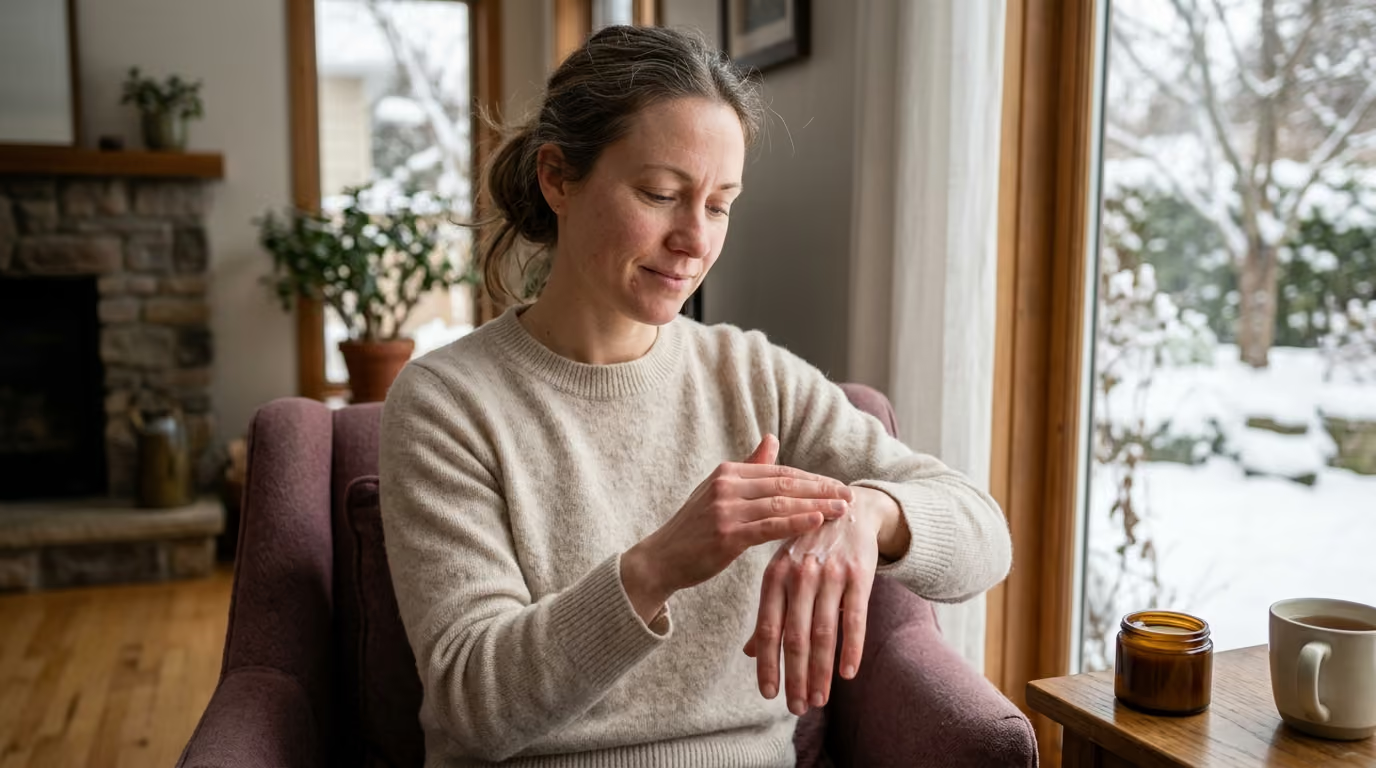
Freezing temperatures, low indoor humidity, and biting winds pull moisture from the skin and place extra demands on the cardiovascular system.
Wildfire smoke contains fine particulate matter that irritates respiratory passages, strains the vascular system, and creates oxidative stress on the skin.
Travel disrupts circadian alignment, limits access to fresh food and clean water, and exposes the body to dry cabin air and altered schedules.
Common viral infections and gastrointestinal illnesses disrupt metabolism, sleep quality, and physical stamina. Pushing through illness delays recovery and increases cardiovascular strain.
Reviewing realistic scenarios demonstrates how to apply these resilience principles during everyday disruptions without sacrificing long-term goals.
A 48-year-old runner encounters four consecutive days of extreme heat with nighttime bedroom temperatures exceeding 80 degrees Fahrenheit. After two nights of broken sleep, she feels exhausted but feels guilty about missing her scheduled morning interval run.
Instead of running outdoors, she transitions to an indoor mobility session. She prioritizes hydration, rests during the hottest afternoon hours, and reintroduces outdoor running only after temperatures cool and her sleep quality stabilizes. This deliberate pivot protects her cardiovascular health and maintains her fitness momentum.
A 55-year-old travels to a mountain town for hiking and outdoor recreation. Upon arrival, an unexpected wildfire shifts smoke into the valley, raising the local AQI to 175.
Rather than spending six hours inhaling particulate matter on a steep mountain trail, she moves her activities indoors. She performs a bodyweight circuit in her room, visits an indoor museum, and wears an N95 mask when walking to dinner. She washes her face gently upon returning to remove airborne soot. She preserves her health without letting the trip feel like a failure.
A 62-year-old on blood pressure and thyroid medication faces a 36-hour flight delay due to severe winter storms. His checked luggage is locked in transit.
Because he kept his medications and written prescription copies in his carry-on bag with an extra four-day buffer, he experiences zero dosing interruptions. He buys water and balanced snacks in the terminal, rests in a quiet waiting area, and avoids health complications while waiting for his rescheduled flight.
I remember speaking with a dermatologist who told me her patients were coming in with severe anxiety about normal skin aging. That anxiety was driven entirely by social media filters and aggressive marketing. That conversation became a cornerstone of our philosophy. We decided right then that our publication would never frame natural changes like wrinkles or thinning hair as personal failures.
Understanding the core science of skin longevity allows you to approach changes with calm confidence rather than panic. This perspective is vital when environmental stress affects your skin, hair, or daily recovery.
To build deeper baseline resilience, many adults explore targeted nutritional strategies for structural vitality that support tissue health over time. Combining internal nutritional support with sensible lifestyle recovery habits for environmental aging establishes a strong foundation that easily withstands seasonal and unexpected disruptions.
When disruptions strike, well-intentioned health habits can transform into counterproductive stressors if you follow popular fitness and beauty myths.
A healthy stratum corneum typically repairs superficial barrier disruption within 48 to 72 hours once you provide gentle cleansing, regular moisturization, and shelter from irritants. If the skin is deeply cracked, peeling, or inflamed, full recovery of epidermal lipid layers may take up to two weeks of consistent, non-irritating care.
If your skin shows no signs of redness, stinging, or peeling, you can generally maintain your standard retinoid frequency. However, if your skin feels irritated, dry, or sunburned from heat and environmental exposure, pause retinoids and direct acids. Focus entirely on gentle cleansing, barrier creams, and daily sun protection until your skin feels comfortable.
Refer to the patient information leaflet provided with your prescription, which outlines specific missed-dose instructions. If you are unsure, call your dispensing pharmacy or prescribing physician for guidance. Never double your next dose unless explicitly instructed to do so by a licensed healthcare professional.
An AQI between 51 and 100 is acceptable for most healthy adults. However, individuals with asthma, cardiovascular disease, or heightened pulmonary sensitivity should consider reducing prolonged or heavy outdoor exertion. When the AQI rises above 100, everyone benefits from moving intense cardiovascular sessions indoors.
Older adults should establish a mutual check-in system with neighbors, family, or friends before severe weather arrives. Keep a paper list of emergency contacts, maintain a week-long buffer of critical medications, and locate the nearest community cooling or warming center. For additional insights on maintaining functional independence, explore our comprehensive resources on healthy structural aging and daily recovery.
Revisit this playbook whenever you face a forecast heat wave, sudden winter cold snap, regional wildfire smoke advisory, international travel itinerary, or unexpected acute illness.
Building long-term health is not about maintaining a rigid routine during difficult conditions, but about having the wisdom and practical systems to protect your biological essentials until balance returns.
Stay connected for research and practical guidance on skin, hair, collagen, nutrition and beauty longevity. Clear ideas for people who want to understand how appearance changes with age and make better-informed choices over time.


Understand your skin, hair and body better without chasing every new trend, treatment or promise.
explore the Blog