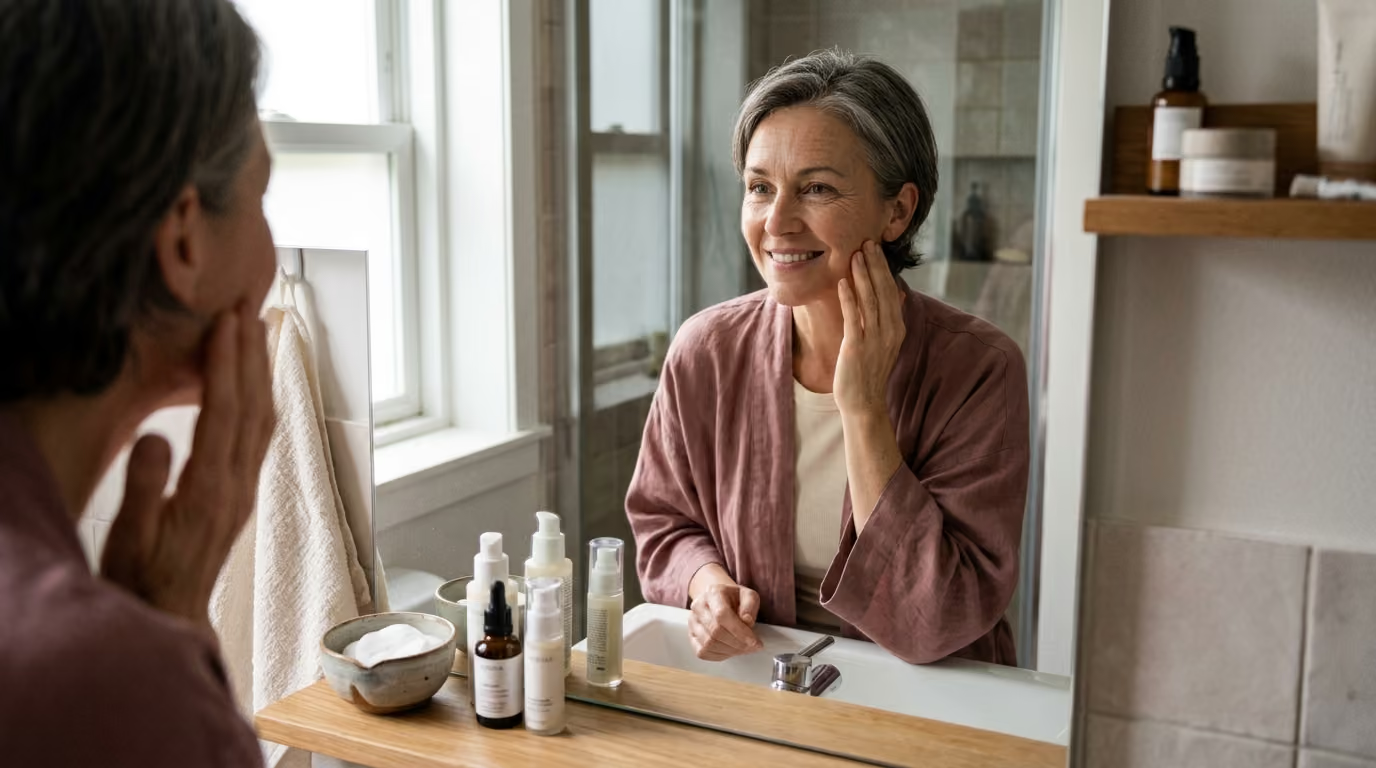

Miracle powders cannot reverse time, but targeted dietary nutrients genuinely reinforce the skin barrier and support natural collagen maintenance over decades.





Nutrition for aging skin is often presented through two extremes. On one side sits the commercial promise of ingestible powders that claim to turn back the clock. On the other side sits the dismissive view that what you eat has zero relevance to your complexion. The biological reality sits between these two viewpoints. Nutrition for skin longevity is the strategic supply of structural amino acids, essential fatty acids, micronutrient cofactors, and protective plant compounds that sustain the dermal matrix and epidermal barrier over decades. It is not an overnight cosmetic intervention.
What dietary support can achieve is measurable. It supports the natural repair of structural proteins, reinforces the cellular lipid barrier, protects against oxidative degradation, and maintains moisture balance. What it cannot do is override the fundamental biology of chronological time or replace sun protection.
To make sense of the clinical evidence, we must look closely at controlled trials, biochemical mechanisms, and realistic daily practices. This guide examines what science confirms about feeding the skin from within.
The skin is a dynamic, nutrient-demanding organ composed of distinct layers that serve complementary physiological functions. The outermost layer, the stratum corneum, functions as a brick-and-mortar shield against the environment. The cellular bricks are flattened, protein-dense corneocytes. The mortar consists of organized lipid lamellae containing ceramides, cholesterol, and free fatty acids.
Nutritional status directly dictates the composition of this lipid matrix. When dietary fat intake is chronically low or imbalanced, the skin cannot synthesize sufficient barrier lipids. This leads to increased transepidermal water loss, structural cracking, and heightened vulnerability to irritation. You can learn more about these foundational pathways in our guide to dietary fats and barrier health.
Beneath the epidermis lies the dermis, which provides structural integrity, tensile strength, and recoil. The dermal extracellular matrix consists primarily of type I and type III collagen fibrils, interwoven with elastin and embedded within a gel-like ground substance of glycosaminoglycans. Fibroblasts synthesize these structural components through complex biochemical cascades that require specific amino acids, such as glycine, proline, and hydroxyproline.
These synthetic pathways rely on essential micronutrient cofactors. For example, the enzymes prolyl hydroxylase and lysyl hydroxylase stabilize the collagen triple helix. Both enzymes depend strictly on the presence of vitamin C and ferrous iron. Without these cofactors, newly synthesized procollagen chains cannot form stable triple helices, leading to rapid intracellular degradation.
As skin ages, two parallel processes erode this dermal architecture. Intrinsic aging involves a steady decrease in fibroblast proliferation, slower cell turnover, and reduced lipid production. Extrinsic aging, primarily driven by ultraviolet radiation and environmental pollution, accelerates this timeline through the generation of reactive oxygen species.
These reactive oxygen species activate inflammatory signaling pathways that upregulate matrix metalloproteinases. These enzymes actively degrade existing collagen and elastin networks. Dietary antioxidants, particularly carotenoids and polyphenols, help neutralize these reactive intermediates within the tissue. This biochemical defense helps preserve the structural framework of the skin over time.
Protein intake is vital to dermal health, yet research separates whole dietary protein from isolated collagen peptide supplementation. Skin is an intensely proteinaceous tissue. Maintaining its density requires a continuous supply of systemic amino acids.
In a recent comprehensive systematic review evaluating 61 dietary intervention trials, oral collagen emerged as the most widely investigated category, spanning 17 separate publications. The aggregated data revealed notable measurable shifts in skin parameters. Across 12 randomized controlled trials, collagen supplementation yielded a pooled improvement in skin hydration with a standardized mean difference of 0.66.
For wrinkle reduction, the pooled standardized mean difference reached -0.94 across multiple cohorts. These figures indicate a statistically meaningful improvement in skin moisture and surface topography following daily consumption of 2.5 to 10 grams of hydrolyzed peptides over eight to 24 weeks.
However, these findings require careful interpretation. The systematic review identified substantial heterogeneity across the collagen trials, alongside clear statistical markers of publication bias. The included studies used varying peptide sources, distinct molecular weights, differing participant age groups, and inconsistent measurement technologies.
Hydrolyzed collagen peptides operate partly by releasing bioactive dipeptides, such as prolyl-hydroxyproline and hydroxyprolyl-glycine, into the bloodstream. These circulating dipeptides act as biological signaling molecules that bind to surface receptors on dermal fibroblasts, stimulating the synthesis of new collagen and hyaluronic acid. For a broader overview of how tissue architecture changes over time, review our analysis of collagen and structural aging.
Despite these promising findings, collagen supplements are not a substitute for complete dietary protein. Collagen is an incomplete protein that lacks tryptophan and contains minimal amounts of other essential amino acids.
For maintaining whole-body muscle mass, systemic repair, and foundational skin thickness, total daily protein intake remains the primary variable. Clinical nutrition research recommends a daily target of 1.0 to 1.2 grams of protein per kilogram of body weight for healthy older adults. In cohorts focused on preventing age-related muscle decline, targets between 1.2 and 1.5 grams per kilogram are common.
Meeting these targets through whole foods ensures a complete profile of essential amino acids. Dietary staples like wild-caught fish, eggs, dairy, pasture-raised poultry, legumes, and tofu supply the building blocks for total tissue maintenance. Consuming adequate dietary protein is the biological baseline. Hydrolyzed collagen peptides should be viewed as an optional, targeted supplement rather than a structural necessity.
The lipid barrier of the epidermis is the primary defense against external desiccation and environmental pathogens. Within the 61-study systematic review, lipids and fatty acids formed the second most robustly documented intervention category, with 11 clinical publications.
The pooled data demonstrated that targeted lipid supplementation yielded a standardized mean difference of -0.62 for wrinkle parameters, 0.54 for hydration, and 0.49 for skin elasticity. Most notably, lipid interventions produced a pooled standardized mean difference of -0.85 for transepidermal water loss, indicating a substantial reinforcement of the moisture barrier.
These results encompass a diverse spectrum of lipid classes. Dietary linoleic acid, an essential omega-6 polyunsaturated fatty acid, serves as a necessary component of acylceramides. These specialized sphingolipids form the waterproof sheets between corneocytes. When linoleic acid is deficient, the skin substitutes it with oleic acid, which disrupts the lamellar architecture and leads to a leaky, scaly barrier.
Similarly, gamma-linolenic acid, found in evening primrose oil and borage seed oil, provides precursor material for anti-inflammatory eicosanoids. This fatty acid has demonstrated the capacity to ease dry skin and improve structural elasticity in individuals with compromised epidermal function.
Long-chain omega-3 fatty acids, specifically eicosapentaenoic acid (EPA) and docosahexaenoic acid (DHA), offer distinct biological mechanisms. Found in abundance in cold-water oily fish, EPA and DHA incorporate directly into the phospholipid membranes of skin cells.
Once integrated, they act as substrates for specialized pro-resolving mediators, including resolvins and protectins. These molecules downregulate inflammatory signaling, limit ultraviolet-induced erythema, and modulate matrix metalloproteinase expression.
While concentrated lipid capsules show clear clinical benefits in trials, a whole-food approach remains the best daily foundation. Consuming wild salmon, sardines, mackerel, walnuts, freshly ground flaxseeds, and cold-pressed extra-virgin olive oil supplies a balanced matrix of protective lipids.
Diets that are severely fat-restricted inevitably impair the cutaneous barrier. This causes chronic dehydration, heightened reactivity, and an accelerated aged appearance. You can learn more about dietary design in our evidence-based nutrition resources.
Micronutrients act as the enzymatic workhorses of skin physiology. However, a major divergence exists between resolving a nutrient deficiency and taking high-dose supplements for cosmetic purposes.
Vitamins and minerals are required for enzymatic cellular reactions, structural cross-linking, and antioxidant defense. Yet, when baseline physiological requirements are already met, escalating the dosage rarely yields extra aesthetic improvements.
Vitamin C is water-soluble and highly concentrated in healthy dermal and epidermal layers. Beyond functioning as a primary cofactor for collagen synthesis, it serves as a powerful intracellular antioxidant. It neutralizes reactive oxygen species and regenerates oxidized alpha-tocopherol (vitamin E).
Frank deficiency results in scurvy, where collagen synthesis halts entirely. This leads to fragile capillaries, poor wound closure, follicular hyperkeratosis, and bleeding gums. Classic scurvy symptoms can manifest within 30 days when daily intake drops below 10 milligrams.
For healthy adults, the recommended dietary allowance is 75 milligrams daily for women and 90 milligrams for men. Individuals exposed to cigarette smoke or high environmental pollutants require an extra 35 milligrams daily to compensate for increased oxidative turnover.
In the 61-study systematic review, isolated oral vitamin interventions were among the least-studied modalities, comprising only three publications. These trials failed to show statistically significant improvements in pooled wrinkle depth.
The adult tolerable upper intake level is set at 2,000 milligrams daily. Excessive intake above this threshold frequently induces osmotic diarrhea and gastrointestinal distress without providing added cutaneous benefits.
Abundant food sources include sweet bell peppers, kiwi, strawberries, citrus fruits, broccoli, and Brussels sprouts. Consuming these whole foods readily achieves skin tissue saturation.
Zinc is an essential trace mineral required for the catalytic activity of over 300 enzymes, including DNA and RNA polymerases that regulate cellular proliferation and tissue repair. In the epidermis, zinc is concentrated within basal keratinocytes, where it coordinates wound healing, stabilizes cell membranes, and limits bacterial colonization.
Marginal zinc deficiency manifests clinically as rough skin, delayed healing, increased susceptibility to dermatitis, and hair shedding.
The recommended daily intake is 8 milligrams for women and 11 milligrams for men. Whole-food sources include oysters, pasture-raised beef, pumpkin seeds, lentils, and chickpeas.
The tolerable upper intake level for adults is 40 milligrams daily from combined food and supplemental sources. Chronic, unmonitored zinc supplementation above this level carries a significant risk: zinc competitively inhibits the intestinal absorption of copper by inducing the metal-binding protein metallothionein. This can cause secondary copper deficiency, anemia, and neurological dysfunction.
Routine high-dose zinc supplementation is not recommended for skin longevity in the absence of a confirmed clinical deficiency.
Copper functions as an indispensable cofactor for lysyl oxidase, an extracellular copper-dependent enzyme that cross-links collagen and elastin precursors into mature, resilient fibers. It also forms the catalytic core of copper-zinc superoxide dismutase, a vital enzymatic antioxidant system within cutaneous cells.
Despite this clear biochemical role, clinical evidence demonstrating that oral copper supplements improve aging skin parameters is very limited.
Copper deficiency is rare in the general population, though it can occur in cases of severe malabsorption, bariatric surgery, or excessive zinc intake. Whole foods easily supply adequate amounts of copper. Excellent sources include shellfish, dark leafy greens, shiitake mushrooms, cashews, sesame seeds, and dark chocolate.
The adult tolerable upper intake level is 10,000 micrograms (10 milligrams) daily. Excessive copper intake induces systemic toxicity and oxidative stress, reinforcing the principle that more is not better.
Vitamin A regulates gene expression in epithelial tissues by binding to nuclear retinoic acid receptors and retinoid X receptors. This signaling pathway controls keratinocyte proliferation, normalizes cell differentiation, regulates sebum production, and maintains epidermal thickness.
Severe deficiency leads to phrynoderma, a condition characterized by dry skin, follicular hyperkeratosis, and impaired mucosal barriers.
Preformed vitamin A (retinol and retinyl esters) is found in animal foods like liver, egg yolks, and dairy. Provitamin A carotenoids, such as beta-carotene, alpha-carotene, and beta-cryptoxanthin, occur in red, orange, and dark green vegetables.
Preformed vitamin A carries a strict adult upper limit of 3,000 micrograms of retinol activity equivalents daily due to risks of liver toxicity and bone demineralization. In contrast, provitamin A carotenoids are cleaved into retinol only as the body requires, eliminating the risk of systemic hypervitaminosis A.
In clinical trials, carotenoid supplementation consistently improves cutaneous antioxidant capacity and offers measurable protection against ultraviolet-induced erythema. In the systematic review, eight publications examining carotenoids demonstrated a statistically significant pooled reduction in skin redness.
Consuming a rainbow of whole foods rich in beta-carotene, lycopene, and lutein provides broad photoprotective and antioxidant benefits without the risks of high-dose isolated supplements.
Polyphenols represent a diverse class of plant secondary metabolites characterized by multiple phenol structural units. They include flavonoids, phenolic acids, stilbenes, and lignans.
These compounds are found in green tea, dark cocoa, wild berries, pomegranates, grapes, citrus fruits, and culinary herbs. While long celebrated in traditional nutrition, polyphenols have now accumulated rigorous clinical support for cutaneous health.
In the systematic review of dietary interventions, polyphenols formed a major category comprising 15 clinical trials. Meta-analysis demonstrated that polyphenol interventions yielded a statistically significant pooled reduction in wrinkle depth, with a standardized mean difference of -0.48.
They also produced a pooled increase in skin hydration of 0.59 and a reduction in transepidermal water loss of -0.50. Importantly, tests for publication bias showed no statistically significant asymmetry, confirming the reliability of these outcomes despite moderate study heterogeneity.
The biological mechanisms of polyphenols extend beyond simple free-radical scavenging. Polyphenols act as biological response modifiers. Compounds such as epigallocatechin gallate (EGCG) from green tea and procyanidins from cocoa downregulate nuclear factor kappa B (NF-kB) and activator protein 1 (AP-1).
These two primary transcription factors trigger the production of collagen-degrading matrix metalloproteinases following sun exposure. Furthermore, polyphenols support endothelial nitric oxide synthase, which enhances microvascular blood flow to the dermal capillary beds. This improved circulation optimizes the delivery of oxygen and nutrients to aging tissue.
While concentrated polyphenol extracts were used in many of these clinical trials, obtaining these compounds from whole foods remains the most reliable strategy. Whole foods provide complex synergistic matrices of flavonoids and fiber that enhance gut microbiome metabolism.
The intestinal microbiome transforms native polyphenols into bioavailable metabolites, such as urolithins from ellagic acid. These downstream metabolites circulate systemically to exert cellular protective effects throughout the skin. To explore other biological interventions, read our analysis of beauty science and cellular health.
The claim that drinking large volumes of water will erase wrinkles and cure dry skin is one of the most common myths in beauty culture. The actual physiology of cutaneous hydration is more nuanced.
The water content of the epidermis depends on two distinct factors: the inward delivery of water from the systemic vasculature and the outward barrier capacity of the stratum corneum to prevent evaporation.
A systematic review assessing water intake interventions for skin physiology identified only five clinical studies meeting quality standards. The review concluded that the overall clinical evidence remains limited in methodological size, with variable clinical significance.
Certain trials noted that adding one to two liters of water daily for 30 to 42 days produced modest, statistically significant increases in stratum corneum hydration. However, these improvements occurred almost exclusively in individuals whose baseline fluid intake was well below standard physiological recommendations.
Subsequent randomized controlled trials confirmed that no linear relationship exists between water consumption and skin hydration in well-hydrated individuals. Drinking excess water beyond your physiological needs does not translate into plumper skin cells or reduced wrinkle depth. The kidneys simply excrete the surplus fluid to maintain plasma osmolality.
If the epidermal barrier is disrupted by harsh cleansers, dry indoor air, or essential fatty acid deficiencies, water that diffuses up from the dermis rapidly evaporates into the environment.
No amount of oral water intake can compensate for an impaired lipid barrier. The practical approach is straightforward: consume enough water to prevent systemic dehydration, particularly in hot environments or during exercise, and rely on essential dietary fats and topical moisturizers to seal that hydration within the tissue.
While individual nutrients provide distinct biological benefits, people consume complex meals, not isolated compounds. Nutritional research has increasingly shifted from single-nutrient analysis toward evaluating overall dietary patterns.
The synergy within a whole-food matrix provides co-occurring vitamins, lipids, fibers, and phytochemicals that modulate human aging pathways collectively.
Observational studies of community-dwelling older adults consistently reveal that dietary patterns high in vegetables, fruit, legumes, and unsaturated plant fats correlate with superior skin elasticity and reduced visible photoaging. Conversely, diets high in ultra-processed foods, refined sugars, and processed meats associate with accelerated wrinkle formation, skin thinning, and impaired microvascular perfusion.
The Mediterranean dietary pattern provides a clear template for skin longevity. By emphasizing leafy greens, cruciferous vegetables, fresh fruits, legumes, whole grains, nuts, cold-water fish, and extra-virgin olive oil, this pattern supplies every nutrient required for dermal maintenance.
It provides vitamin C for collagen synthesis, zinc and copper for structural enzymes, polyunsaturated fats for the epidermal barrier, and polyphenols to counteract environmental oxidative stress. Discover more about systemic lifestyle interventions in our overview of lifestyle and environmental aging.
Advanced glycation end-products (AGEs) represent a primary biochemical bridge between poor nutrition and accelerated skin aging. When blood glucose levels spike repeatedly from refined carbohydrates, excess circulating sugars react non-enzymatically with long-lived dermal proteins, including collagen and elastin.
This process creates irreversible cross-links that turn flexible collagen stiff, brittle, and resistant to normal cellular turnover. Adopting an unrefined, low-glycemic dietary pattern preserves the physical elasticity of the dermal matrix by limiting this glycation cascade.
Navigating the landscape of beauty nutrition requires a clear understanding of the scientific limitations that characterize the field. Many published studies suffer from significant methodological shortcomings that must temper our conclusions.
The first major limitation is trial duration. In the comprehensive review of 61 intervention studies, trials lasted anywhere from two weeks to six months. While six months is sufficient to measure changes in superficial hydration, transepidermal water loss, or fine surface topography, it is too short to prove that a supplement alters decades of chronological aging.
Extrapolating a 12-week change in moisture into lifelong wrinkle prevention is biologically invalid.
The second issue is high statistical heterogeneity and widespread publication bias. In pooled meta-analyses for collagen and lipid interventions, heterogeneity metrics frequently exceeded 70 percent. This confirms that differences in supplement formulations, participant demographics, baseline nutritional habits, and diagnostic tools significantly skew the reported outcomes.
Furthermore, funnel plot analyses in multiple systematic reviews show marked asymmetry. This indicates that small trials with negative or neutral findings frequently go unpublished, while positive results funded by commercial manufacturers are prioritized for release.
Finally, many studies rely on surrogate biometric endpoints. High-frequency ultrasound, optical profilometry, and corneometry capture micro-level changes in tissue density and hydration.
However, these subtle biometric measurements do not always correspond to clinically meaningful or visible improvements in the mirror. Maintaining a measured perspective helps consumers focus on sustainable, long-term dietary habits rather than purchasing unproven supplements based on sensational marketing claims. To better evaluate industry science, read our guide on how to analyze beauty research.
Translating nutritional science into a daily routine does not require complicated supplement stacks or extreme dietary rules. A structured, food-first approach provides all the essential amino acids, structural lipids, micronutrients, and polyphenols needed to support healthy skin over a lifetime.
While whole foods should always form your nutritional foundation, specific clinical circumstances make targeted supplementation reasonable:
The wellness industry frequently distorts legitimate biological concepts to sell quick-fix products. Here, we compare common marketing narratives against the actual clinical evidence.
The reality of skin longevity is that the body operates as an integrated system. No single powder, pill, or superfood can bypass the fundamental laws of human physiology.
Consistent, nutrient-dense eating over years provides real structural benefits. Chasing short-term supplement trends offers diminishing returns.
Short-term intermittent fasting triggers cellular autophagy, a natural cleanup process that removes damaged cellular components and misfolded proteins. However, prolonged or severe caloric restriction can reduce circulating amino acid pools and downregulate overall protein synthesis.
For skin longevity, ensure that your daily feeding window supplies adequate total calories and 1.0 to 1.5 grams of protein per kilogram of body weight to support continuous connective tissue repair.
Yes. The human body synthesizes glycine and proline endogenously from other amino acids. Plant-based eaters can readily obtain the required precursor amino acids by consuming diverse, protein-dense foods such as soy products, tempeh, legumes, seeds, nuts, and spirulina.
Pairing these protein sources with dietary vitamin C ensures that the enzymatic machinery for collagen cross-linking operates efficiently.
For most healthy individuals who consume a balanced diet, routine broad-spectrum multivitamins do not provide measurable skin improvements. Clinical reviews show that vitamin supplementation yields little benefit in the absence of a baseline deficiency.
Focusing your budget on high-quality whole foods, such as wild-caught fish, extra-virgin olive oil, and diverse colorful vegetables, yields far greater biological value than a daily multivitamin pill.
Stay connected for research and practical guidance on skin, hair, collagen, nutrition and beauty longevity. Clear ideas for people who want to understand how appearance changes with age and make better-informed choices over time.


Understand your skin, hair and body better without chasing every new trend, treatment or promise.
explore the Blog