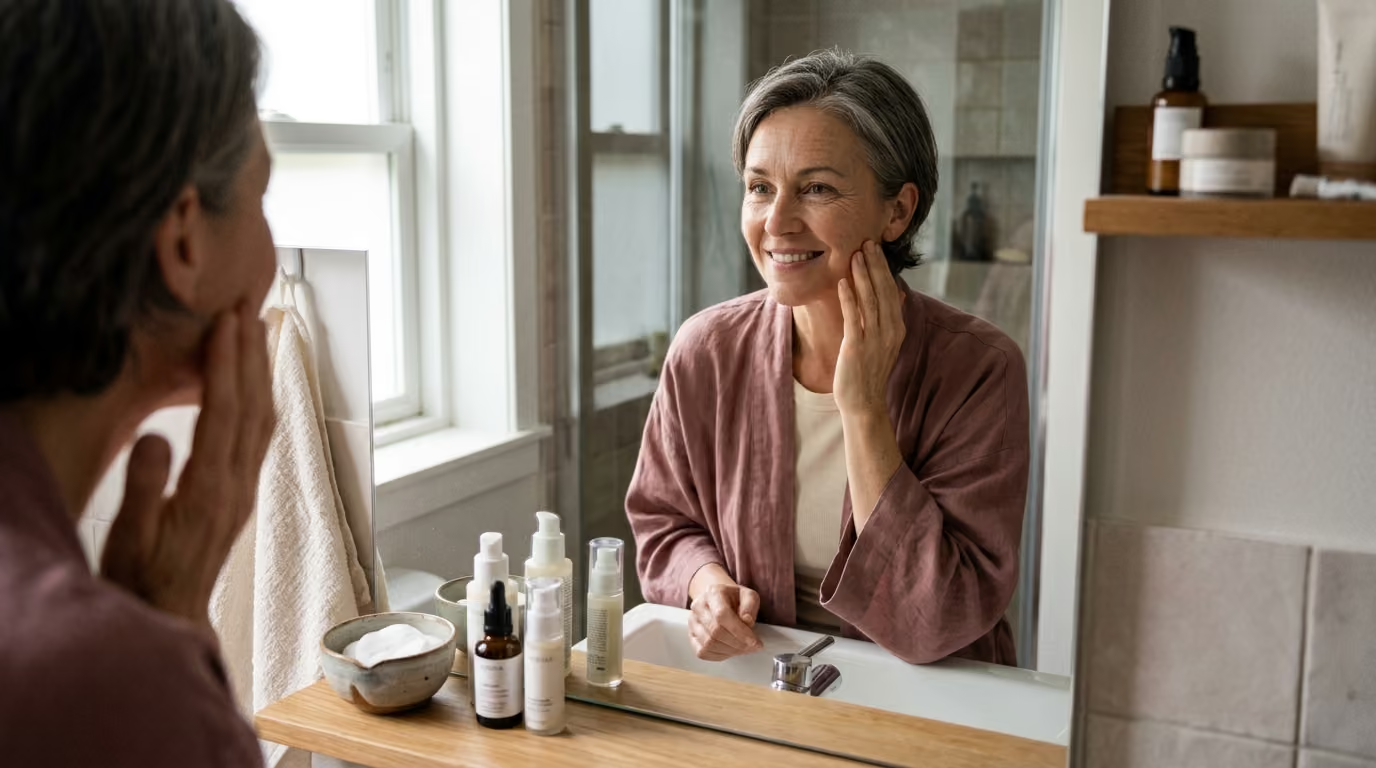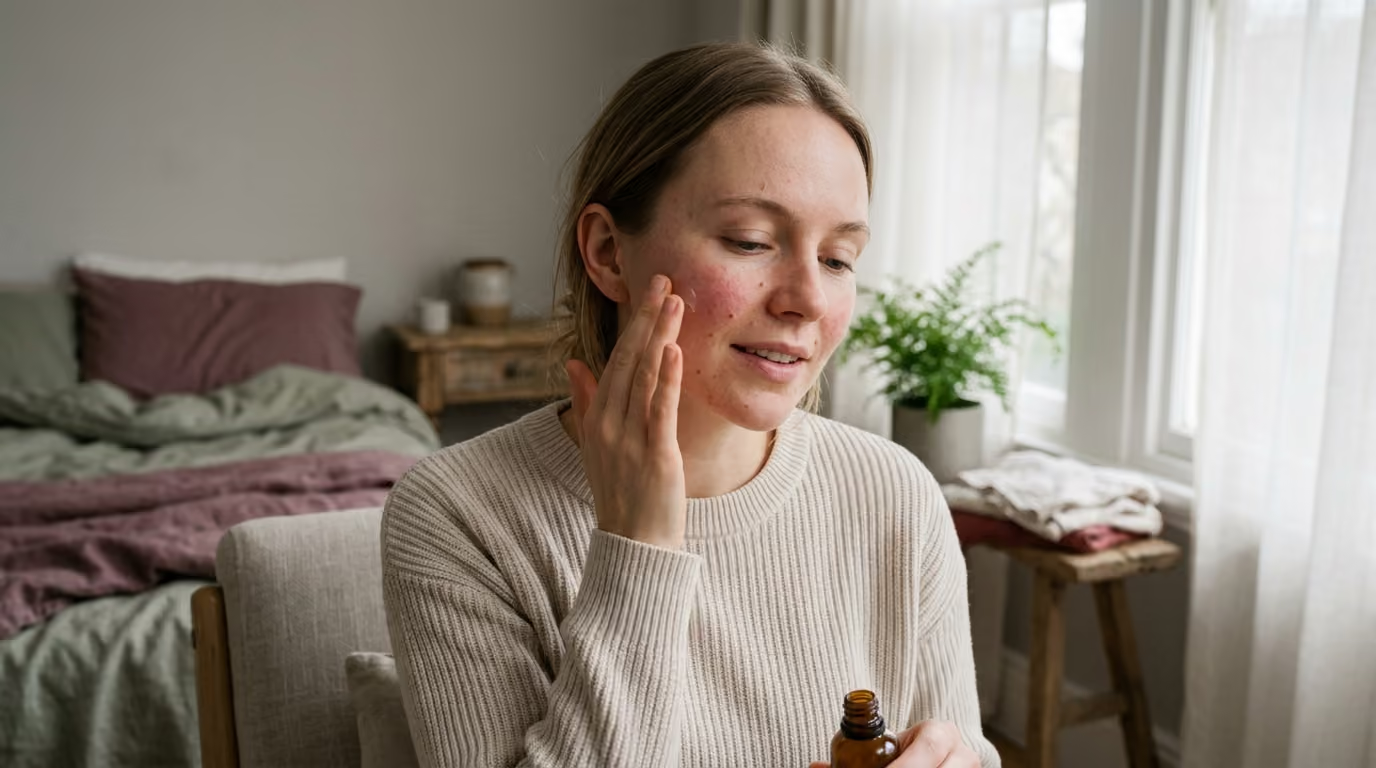

Long-term relief from chronic skin sensitivity starts by identifying hidden product triggers, lowering daily irritation, and actively repairing the damaged epidermal barrier.





When skin becomes reactive, the standard response is often to buy another soothing cream. Layering specialized barrier balms, botanical essences, and rich oils onto an irritated face frequently makes the problem worse. Sensitivity is rarely an isolated deficiency that can be fixed by simply purchasing a single repair product.
True resilience requires a systematic understanding of why the skin barrier failed in the first place. Skin sensitivity is not a standalone medical diagnosis. Instead, it is a symptom pattern and a physiological phenotype that points to deeper mechanical, inflammatory, or immune disruptions.
Treating reactive skin requires looking past promotional trends. You must accurately identify whether your symptoms stem from direct irritation, allergic sensitization, underlying inflammatory conditions, or cumulative product exposure. By approaching your skin with methodological care, you can systematically lower your irritant load and rebuild long term tolerance.
Understanding the scientific literature on skin barrier health provides a clear foundation for managing sensitivity. Clinical studies show that cutaneous reactivity involves measurable physical, chemical, and neural changes within the epidermis:
The outermost layer of the epidermis, the stratum corneum, serves as the primary interface between your internal physiology and the outside world. Dermatologists frequently explain this structure using the classic bricks-and-mortar framework. The corneocytes, which are dried, protein-rich cellular remnants, act as the bricks. The intercellular lipid matrix, composed of ceramides, free fatty acids, and cholesterol, acts as the mortar.
This structural arrangement prevents essential water from escaping your body while stopping foreign chemicals, microorganisms, and pollutants from entering. When this matrix is intact, it maintains a slightly acidic surface environment known as the acid mantle. This acid mantle, typically sitting at a pH between 4.5 and 5.5, regulates enzymatic activity and keeps the surface microbiome balanced.
When the intercellular mortar degrades, gaps form within the stratum corneum. Water rapidly evaporates through these microfissures, creating the measurement known as elevated transepidermal water loss. As moisture leaves, external substances penetrate deeper into viable epidermal layers that contain active immune cells and sensory nerve endings.
This structural breakdown triggers a neuro-immune cascade. Penetrating molecules encounter dendritic cells and mast cells, prompting the release of pro-inflammatory cytokines, while simultaneously stimulating unmyelinated C-nerve fibers. This neural stimulation produces the immediate stinging, burning, and itching sensations characteristic of reactive skin. You can read more about these mechanisms in our guide to fundamentals of skin barrier function.
As inflammation escalates, it degrades the quality of newly formed epidermal cells. The skin begins producing disorganized corneocytes and deficient lipid ratios, creating an ongoing loop of reactivity. Without structured intervention, this self-reinforcing cycle makes skin vulnerable to ordinary environmental exposures and standard cosmetic ingredients.
Skin sensitivity presents in diverse ways depending on the underlying pathology. Treating all redness or stinging identically leads to ineffective care and unnecessary discomfort. A structured diagnostic approach helps differentiate among the primary drivers of facial reactivity.
Irritant contact dermatitis occurs when a physical or chemical agent causes direct, non-immune damage to the stratum corneum. It is strictly dose-dependent and can develop in any individual if the exposure is strong enough. High concentrations of acids, strong surfactants, alcohol-heavy solutions, or excessive friction strip away intercellular lipids. Symptoms typically appear quickly at the exact site of exposure, presenting as burning, tightness, localized redness, and surface peeling.
Allergic contact dermatitis is a Type IV delayed hypersensitivity reaction mediated by memory T-lymphocytes. Unlike irritant reactions, allergic responses are not strictly dose-dependent and occur only in sensitized individuals. Common triggers include specific preservatives, topical antibiotics, essential oil components, and synthetic fragrances. Symptoms typically manifest 24 to 72 hours after exposure, often featuring intense itching, swelling, vesicles, and spreading beyond the initial application zone.
Atopic dermatitis involves a systemic, genetically driven barrier defect often tied to filaggrin gene mutations. In individuals with atopic skin, the lipid matrix is inherently deficient in long-chain ceramides and structural proteins. Increased water loss occurs not only in visibly inflamed patches, but across clinically normal skin as well. This widespread barrier deficit allows harmless environmental particles, such as dust mite proteins or pollen, to trigger chronic eczema flares.
Rosacea is characterized by neurovascular dysregulation, central facial erythema, flushing, telangiectasias, and inflammatory papules. Unlike atopic dermatitis, which presents widespread barrier disruption, barrier impairment in rosacea is primarily restricted to facial skin. The facial cutaneous nerves in rosacea patients display an exaggerated response to thermal, chemical, and emotional stimuli. Using aggressive scrubs or harsh cleansers on rosacea-prone skin triggers immediate vasodilation and inflammatory flares.
Acne-prone skin presents a unique clinical paradox because it can be simultaneously oily and severely barrier-compromised. Prescription retinoids, benzoyl peroxide, and leave-on salicylic acid clear pores by accelerating cellular turnover and reducing follicular cohesion. When introduced too aggressively, these active ingredients disrupt the intercellular lipid matrix and produce flaking, stinging, and micro-cracking. Many individuals mistakenly interpret this treatment-induced irritation as worsening acne, prompting them to cleanse more aggressively and further damage their barrier.
Scientific literature provides clear insight into how reactive skin behaves under controlled clinical settings. Moving beyond marketing claims requires examining the exact parameters measured in peer-reviewed barrier studies.
A vital finding in barrier research is that visible recovery does not equal physiological recovery. In clinical studies evaluating acute irritant contact dermatitis, researchers measured transepidermal water loss across multiple phases of healing. As expected, TEWL spiked sharply during the acute inflammatory phase. However, when the skin was visually healed and erythema had resolved, TEWL values remained significantly elevated compared to healthy baseline controls.
This clinical reality explains why individuals frequently experience immediate relapses when reintroducing active ingredients. The surface of the skin may appear calm, but the newly assembled lipid layers remain mechanically fragile. Prematurely resuming full-strength retinoids or exfoliating acids interrupts this incomplete recovery process, restarting the inflammatory cycle.
Multiple clinical trials have evaluated the efficacy of ceramide-containing topical formulas for restoring compromised skin. In a four-week controlled trial assessing a ceramide-precursor moisturizer, researchers documented statistically significant reductions in TEWL alongside marked improvements in clinical dryness. A systematic review evaluating moisturizers in atopic populations noted measurable decreases in clinical SCORAD (Scoring Atopic Dermatitis) values, confirming that barrier support directly reduces inflammatory severity.
Randomized trials on ceramide-dominant formulations emphasize that absolute lipid ratios matter immensely. Formulations containing physiological ratios of ceramides, cholesterol, and free fatty acids in a 3:1:1 or 5:1:1 molar balance accelerate barrier recovery in damaged skin. Applying pure single-component oils, such as pure oleic acid, can actually disrupt lipid bilayer packing and increase water loss.
Research examining cosmetic contact dermatitis highlights the complexity of diagnosing skin allergies. Standardized patch test series utilizing Fragrance Mix I, Fragrance Mix II, and Balsam of Peru successfully detect roughly 75 percent of all cosmetic fragrance allergies. This leaves a 25 percent diagnostic window where patients react to unlisted or non-standardized aromatic compounds.
Epidemiological evaluations also demonstrate a strong association between perceived skin sensitivity and underlying allergic tendencies. Individuals who identify as having sensitive skin display a five-fold higher rate of confirmed patch test reactions compared to non-sensitive controls. This data reinforces the necessity of structured medical patch testing when chronic facial rashes resist standard barrier repair routines.
While cutaneous research has expanded rapidly, clinical testing protocols have notable limitations that affect how data translates to everyday skincare routines. Understanding these caveats prevents over-interpreting laboratory results.
First, laboratory measurements like TEWL and corneometry are highly sensitive to external variables. Ambient room temperature, relative humidity, season, physical activity, and emotional stress all alter evaporation rates across the stratum corneum. A TEWL reading taken in a dry winter clinic may look alarming, yet it might simply reflect environmental conditions rather than intrinsic barrier pathology.
Second, baseline barrier measurements do not reliably predict who will develop subjective irritation from a specific product. Clinical trials show that individuals with normal TEWL readings and normal hydration levels can still experience intense stinging from common cosmetic ingredients. This sensory reactivity often stems from cutaneous neurobiology rather than structural lipid voids alone.
Third, commercial formulations rarely match the strict, purified lipid ratios used in academic studies. An over-the-counter cream may advertise that it contains three essential ceramides, yet include them at minuscule concentrations alongside potentially irritating emulsifiers or preservatives. Scientific literature proving that a specific physiological lipid ratio accelerates repair does not mean every commercial ceramide lotion delivers the same outcome.
Finally, consumer patch testing has inherent diagnostic boundaries. Applying a product to the inner forearm for several days can confirm basic tolerance, but it cannot fully replicate facial conditions. Facial skin features larger pores, higher sebaceous gland density, a thinner stratum corneum, and greater nerve receptor density. Passing an arm test does not guarantee that a product will not provoke perioral stinging or comedonal eruptions over weeks of continuous facial use.
Rebuilding a reactive barrier requires a methodical, low-intervention approach. Rather than introducing complex routines, follow this structured, phased protocol to systematically stabilize your skin.
Before adjusting your personal routine, evaluate whether your skin requires professional medical treatment. Consult a board-certified dermatologist if you experience:
A damaged barrier should not be assumed as the sole cause of every burning sensation. Treating contact allergies, bacterial infections, or severe rosacea with over-the-counter barrier creams alone will delay proper medical recovery.
Document every substance that contacts your face, neck, and hands over a typical two-week cycle. Make an exhaustive list covering:
Recording this information helps identify overlapping exposures. Many people unknowingly use three separate products that all contain fragrance, denatured alcohol, or mild exfoliating acids.
Strip your daily routine down to its bare essentials for three to four weeks. During this reset phase, your sole objective is reducing chemical and physical irritation.
Use a non-foaming, fragrance-free lotion cleanser that utilizes gentle non-ionic or amphoteric surfactants. Cleanse using only your fingertips and lukewarm water, completely avoiding washcloths, sponges, or hot water.
Apply a well-formulated, fragrance-free moisturizer immediately after washing while your skin is still slightly damp. If spending time outdoors, finish with a broad-spectrum, mineral-based sunscreen utilizing zinc oxide, which tends to cause less stinging on compromised skin than organic UV filters.
A truly functional moisturizer requires three balanced mechanisms: humectants, emollients, and occlusives. Humectants attract ambient and deeper dermal water into the stratum corneum. Emollients fill structural micro-gaps between desquamating corneocytes. Occlusives form a physical film over the skin to slow transepidermal water evaporation.
Glycerin, panthenol, and low-dose urea serve as excellent, well-tolerated humectants for irritated skin. For emollient and occlusive functions, look for formulations providing bio-identical ceramides, squalane, and dimethicone. If you are acne-prone, select non-comedogenic, oil-free formulations that provide barrier lipids without heavy waxes or comedogenic plant butters. For more detailed research on ingredient selection, explore our collection of in-depth skincare resources.
Do not reintroduce active ingredients until your skin has remained completely free of stinging, burning, and visible redness for at least two consecutive weeks. Remember that physiological barrier repair continues long after surface symptoms disappear.
When you are ready to resume targeted treatments:
If mild stinging, tightness, or scaling returns at any point, step back immediately to your Phase 3 baseline for another full week. Attempting to push through active irritation will re-trigger the inflammatory cascade and set back your progress.
Healthy skin aging depends fundamentally on maintaining cellular resilience over decades. A common misconception in modern skincare is that stronger, more frequent treatments always yield superior anti-aging results. In reality, chronic low-grade inflammation accelerates structural tissue degradation, breaking down collagen and elastin while impairing normal regenerative cycles.
When building an effective aging strategy, consistency under well-tolerated conditions matters far more than intensity. A moderate retinoid applied twice weekly over five years delivers far superior structural support than an aggressive routine that causes frequent peeling and dermatitis. To explore these concepts further, see our comprehensive guide on approaches to skin longevity and healthy aging.
This principle is particularly important for darker skin phototypes. In Fitzpatrick skin types IV through VI, mechanical trauma and chemical barrier disruption frequently trigger post-inflammatory hyperpigmentation. Melanocytes in deeper skin tones respond to epidermal cytokines by producing excess melanin, creating dark patches that can take months to fade. Preventing product-induced irritation is essential for preserving an even, radiant complexion.
Modern cosmetic marketing often promotes oversimplified narratives about sensitive skin. Examining these ideas through a scientific lens helps you make practical, evidence-based choices.
Reality: Plant extracts, essential oils, and unrefined botanicals are chemically complex mixtures containing dozens of individual volatile terpenes and aromatics. Ingredients like lavender oil, tea tree oil, citrus distillates, and ylang-ylang frequently cause both irritant and allergic contact dermatitis. Highly purified synthetic emollients and isolated lipids often present a much lower risk of reactivity than unrefined plant mixtures.
Reality: The cosmetic labeling term "unscented" simply means that the final product has no noticeable smell. Manufacturers often achieve this by adding masking fragrances to neutralize the unpleasant odors of raw chemicals. To protect sensitive skin, select products specifically labeled "fragrance-free," which indicates that no aromatic compounds or masking agents have been added.
Reality: Sensory stinging, tingling, and heat reflect cutaneous nerve irritation and micro-barrier disruption. These sensations do not correlate with therapeutic effectiveness. Experiencing sharp stinging upon applying simple moisturizers or sunscreens is a clear clinical warning sign that your stratum corneum requires immediate recovery.
Reality: Acne medications like benzoyl peroxide, salicylic acid, and topical retinoids directly deplete stratum corneum lipids. Skipping moisturizer leads to severe dehydration, flaking, and barrier micro-tears. Acne-prone skin benefits significantly from lightweight, non-comedogenic moisturizers that restore ceramides without clogging pores.
Reality: As established in transepidermal water loss studies, subclinical barrier vulnerability persists long after visible erythema clears. Assuming your barrier is fully healed the moment redness disappears often leads to premature reintroduction of harsh actives and renewed flare-ups. A complete physiological reset requires several weeks of calm, stable maintenance.
Basic surface recovery typically occurs within two to four weeks once all irritants are removed. However, deeper physiological recovery, measured by normalized transepidermal water loss and restored lipid architecture, often takes six to eight weeks. Individuals with underlying atopic dermatitis, rosacea, or mature skin may require an extended recovery window.
When the stratum corneum is cracked and depleted of intercellular lipids, water and basic emulsifiers penetrate directly to viable epidermal layers. There, they shift osmotic pressure and directly stimulate sensitive, unmyelinated C-nerve fibers. This neural response registers as sharp burning or stinging, even when the applied formula is completely non-toxic and hypoallergenic.
Irritant reactions are dose-dependent, develop rapidly at the precise site of application, and typically present as burning, stinging, and immediate tightness. Allergic contact dermatitis is an immune response that usually develops 24 to 72 hours after exposure, manifesting as severe itching, swelling, small blisters, and rashes that spread beyond the application area. If you suspect an allergy, consult a dermatologist for medical patch testing.
Yes, provided you introduce the retinoid with careful buffering and a reduced frequency schedule. Apply a fragrance-free moisturizer first, allow it to dry completely, and then apply a pea-sized amount of retinoid only two nights per week. Gradually increase frequency over several months, stepping back immediately if dryness or stinging reappears.
Stop using the product immediately and return to your minimal baseline routine. A sensitive-skin label does not guarantee complete tolerability, as you may be sensitive to a specific preservative, thickener, or botanical extract within that particular formula. Review the full ingredient list carefully and cross-reference it against products you have safely tolerated in the past. To better understand cosmetic formulations and product evaluations, read our articles covering evidence-based beauty science.
Rebuilding resilient skin is a patient, systematic process of removing unnecessary stressors, honoring biological healing timelines, and maintaining consistent, well-tolerated care over time.
Stay connected for research and practical guidance on skin, hair, collagen, nutrition and beauty longevity. Clear ideas for people who want to understand how appearance changes with age and make better-informed choices over time.


Understand your skin, hair and body better without chasing every new trend, treatment or promise.
explore the Blog