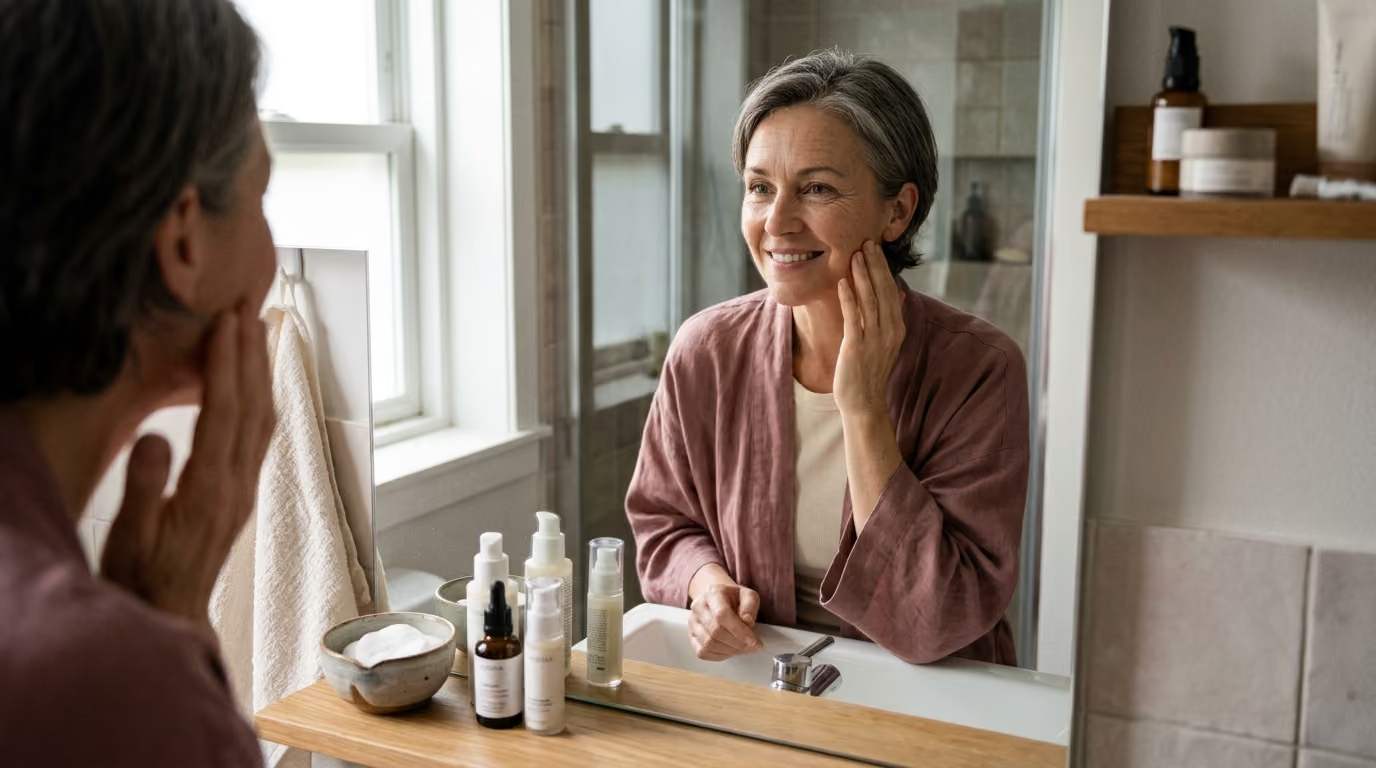

Topical creams often promise youthful skin, yet daily habits like sun exposure, smoking, alcohol, and sleep deficits primarily drive dermal aging.





Many skincare consumers believe that topical serums and clinical procedures dictate the rate of visible skin changes. The biological data tells a very different story. While topical treatments offer localized support, systemic lifestyle exposures dictate the fundamental rate of cellular damage, microvascular breakdown, and extracellular matrix loss over decades.
Dermal structural integrity depends primarily on cumulative behavioral exposures rather than cosmetic routines. The biological mechanisms driving tissue changes are deeply rooted in daily physiology. Understanding these pathways allows you to implement targeted harm-reduction strategies with measurable outcomes.
A rigorous, evidence-based approach requires examining how specific habits accelerate structural decline. We must separate proven physiological drivers from casual assumptions. By managing key modifiable exposures, you can protect dermal architecture, improve cellular recovery, and maintain healthy tissue longevity.
Skin aging is the combined result of intrinsic biological processes and extrinsic environmental exposures. Intrinsic aging represents the genetically determined timeline of cellular senescence, telomere attrition, genomic instability, and mitochondrial decline. Extrinsic aging refers to structural damage caused by modifiable lifestyle and environmental factors.
Extrinsic factors accelerate the decline of structural proteins in the dermis. The dermal extracellular matrix consists mainly of type I and type III collagen, elastin fibers, and glycosaminoglycans. These components provide tensile strength, elasticity, and hydration. Modifiable exposures trigger enzymatic degradation that dismantles this structural scaffold much faster than natural chronological aging alone.
Our conceptual model of skin-aging load accounts for cumulative exposures over time. This framework includes solar exposure, chemical toxicants, microvascular stressors, systemic inflammation, and recovery deficits. While this is a conceptual model rather than a rigid scoring system, it highlights how multiple daily habits interact to alter tissue health.
A complete view of skin longevity research shows that visible changes arise through distinct biological pathways. Ultraviolet radiation degrades structural proteins, while smoking restricts microvascular blood flow. Alcohol depletes antioxidant stores, and sleep loss impairs epidermal barrier repair. Understanding these distinct pathways helps you prioritize interventions based on physiological leverage.
Chronic ultraviolet radiation is the single largest extrinsic contributor to premature skin aging. Photons from UVA and UVB light penetrate the epidermis and dermis, generating reactive oxygen species that damage cellular lipids, proteins, and DNA. This oxidative cascade activates activator protein 1, which signals the upregulation of matrix metalloproteinases.
Matrix metalloproteinases, specifically MMP-1, MMP-3, and MMP-9, break down collagen and elastin fibers within the dermal matrix. At the same time, solar radiation impairs transforming growth factor beta signaling, which suppresses new collagen synthesis by fibroblasts. Over years, this imbalance produces solar elastosis, characterized by disorganized elastin fragments and structural collapse.
The clinical evidence demonstrating the protective effect of daily sunscreen is clear. In a landmark randomized controlled trial conducted by Hughes and colleagues involving 903 adults over 4.5 years, daily broad-spectrum sunscreen use reduced measurable skin aging by 24 percent compared to discretionary use. The trial demonstrated an odds ratio of 0.76 for increased microtopographic skin aging in the daily sunscreen group.
Participants assigned to daily sunscreen application showed no detectable increase in skin aging over the entire study period. Furthermore, regular sunscreen use produced a rate ratio of 0.62 for the development of actinic keratoses, confirming broad cellular protection. These findings provide rigorous evidence that consistent photoprotection preserves existing dermal architecture.
Despite these impressive findings, sunscreen application does not rebuild already degraded collagen networks. Sun protection acts primarily as a preventive barrier against ongoing photo-oxidative stress. A durable protection plan must combine topical broad-spectrum filters with wide-brimmed hats, UV-blocking sunglasses, seeking shade, and managing incidental daily exposure during commuting or outdoor activities.
Tobacco smoke delivers thousands of volatile compounds and reactive free radicals directly into the body. These toxic agents trigger systemic oxidative stress, damage cellular membranes, and impair standard extracellular matrix turnover. Tobacco compounds degrade existing collagen while suppressing the production of newly synthesized structural fibers.
Smoking causes significant cutaneous microvascular constriction. Nicotine stimulates the sympathetic nervous system and activates peripheral adrenergic receptors, reducing microcirculatory blood flow in the dermis. This chronic reduction in capillary perfusion deprives epidermal and dermal cells of the oxygen and essential nutrients required for tissue maintenance.
Clinical studies clearly document the facial consequences of smoking. A large cross-sectional study by Yazdanparast and colleagues revealed that smoking correlates with severe forehead lines, crow's feet, glabellar furrows, and deep nasolabial folds. Smokers also displayed increased under-eye puffiness, tear-trough hollowing, pronounced oral commissure lines, and noticeable loss of lip volume.
Research evaluating cumulative tobacco exposure indicates that approximately 10 pack-years of smoking equates to roughly 1.4 years of additional visible facial aging. This figure represents an epidemiological association across populations rather than an exact individual forecast. Interestingly, smoking was not associated with midface volume loss or visible vascular dilation in the Yazdanparast study, illustrating specific anatomical vulnerability.
Eliminating tobacco exposure is the single most effective intervention for restoring microvascular perfusion. Skincare products cannot overcome the chronic oxygen deprivation caused by smoking. Quitting prevents ongoing chemical matrix destruction and improves wound healing, though established deep creases may require specialized dermatological treatment.
Electronic nicotine delivery systems avoid the high-temperature combustion products found in traditional cigarettes. However, vaping cannot be considered neutral regarding skin physiology and tissue longevity. Inhaled aerosols still deliver significant doses of nicotine, flavoring chemicals, and reactive carrier compounds into circulation.
Nicotine is a potent vasoconstrictor regardless of its delivery mechanism. Experimental models demonstrate that exposure to electronic cigarette vapor increases intracellular reactive oxygen species and reduces endothelial nitric oxide availability. These biochemical changes trigger endothelial cell apoptosis and inhibit regular angiogenesis, disrupting microvascular health.
A systematic review examining electronic cigarettes in dermatology documented impaired wound healing and thermal tissue injuries in otherwise healthy individuals. Another clinical review focused on perioperative surgical outcomes concluded that e-cigarette use poses substantial risks to microvascular recovery. Surgical guidelines recommend stopping e-cigarette use before invasive procedures to reduce tissue complications.
Long-term cohort studies tracking visible facial wrinkles from vaping are still developing. Nevertheless, the mechanistic evidence confirming microvascular constriction and impaired fibroblast activity is solid. If you use vaping devices, recognizing that nicotine alters tissue perfusion is essential for understanding overall dermal health.
A practical harm-reduction hierarchy prioritizes complete cessation of all inhaled nicotine products. While switching from combustible cigarettes to vaping reduces exposure to tar and carbon monoxide, maintaining dual use offers no skin benefits. Disclosing vaping habits to your medical provider before any cosmetic or surgical procedure is critical for safe tissue healing.
Alcohol consumption affects facial appearance through complex metabolic, vascular, and nutritional pathways. When ethanol is metabolized, it generates acetaldehyde, a reactive molecule that increases oxidative stress throughout systemic tissues. Alcohol metabolism also depletes hepatic and cutaneous stores of critical micronutrients, particularly carotenoids and vitamin A.
Carotenoids serve as vital fat-soluble antioxidants within the dermis, protecting structural lipids from peroxidation. Depletion of these protective compounds leaves the skin matrix vulnerable to environmental damage. Furthermore, alcohol causes peripheral vasodilation by acting directly on vascular smooth muscle, leading to transient facial flushing and increased blood flow to surface capillaries.
In the cross-sectional facial analysis by Yazdanparast and colleagues, heavy alcohol use was defined as consuming eight or more alcoholic drinks per week. This level of consumption correlated with pronounced upper facial lines, under-eye puffiness, and noticeable midface volume loss. Participants with heavy alcohol intake also exhibited prominent oral commissure lines and visible dilated blood vessels.
The structural changes associated with alcohol differ from those caused by smoking. Smoking predominantly accelerates fine wrinkling and lip volume loss, whereas heavy alcohol intake is linked to upper face lines, midface atrophy, and vascular alterations. Observational data shows association rather than direct causation, but the biological mechanisms align closely with these clinical observations.
You must distinguish between acute dehydration and chronic structural damage. Alcohol temporarily impairs systemic hydration, which makes fine surface lines appear more pronounced for a few days. Limiting intake to moderate levels, establishing several alcohol-free days each week, and pairing drinks with water helps protect microcirculation and prevent carotenoid depletion.
Sedentary behavior is defined as any waking behavior characterized by low energy expenditure while sitting, reclining, or lying down. This physiological state is distinct from simple exercise deficiency. An individual can complete a thirty-minute morning workout yet still experience the negative systemic effects of spending ten hours sitting at a desk.
Prolonged physical inactivity influences several core hallmarks of cellular aging. Sedentary states lead to mitochondrial dysfunction, altered nutrient sensing, increased systemic inflammatory signaling, and cellular senescence. In the skin, reduced muscular contraction decreases systemic blood flow and lowers microcirculatory shear stress, which is necessary for healthy endothelial signaling.
Physical exercise offers powerful counter-regulatory benefits for dermal tissue. Research examining cutaneous microcirculation demonstrates that physical activity can increase skin blood perfusion up to eightfold during acute exertion. Regular training improves baseline vasodilatory function by approximately 1.5-fold and stimulates mitochondrial biogenesis in human tissues.
A comprehensive review published in 2025 confirmed that routine movement supports healthy circulation, reduces baseline oxidative stress, and improves cellular energy metabolism. However, scientific evidence linking sedentary behavior directly to facial wrinkle measurements is less developed than evidence for ultraviolet radiation or smoking. Sedentary habits act primarily as an indirect systemic accelerator rather than an isolated cause of skin aging.
To counteract these effects, focus on accumulating regular movement throughout your daily routine. Break up extended sitting sessions with short walking breaks every forty-five minutes. When engaging in outdoor workouts, ensure you wear broad-spectrum protection, as unshaded outdoor training can inadvertently increase your cumulative UV exposure.
Sleep is the primary biological state during which the body performs cellular repair, metabolic clearance, and tissue regeneration. Cutaneous tissues operate on an intrinsic circadian clock that coordinates barrier maintenance, cell division, and DNA repair. Disruption of these sleep cycles directly impairs epidermal function and accelerates visible aging.
Chronic sleep deprivation increases systemic cortisol levels, which can disrupt collagen production and impair natural tissue repair. Sleep loss also increases transepidermal water loss and delays epidermal barrier recovery. When sleep is restricted, cutaneous antioxidant enzyme synthesis declines, leaving the matrix vulnerable to daily oxidative stress.
Clinical research highlights the direct impact of sleep quality on skin physiology. In studies evaluating sleep deprivation, participants with poor sleep displayed higher baseline intrinsic aging scores and delayed skin barrier recovery following standardized tape-stripping tests. Sleep-deprived individuals also showed decreased stratum corneum hydration, increased visible pore area, and uneven skin tone.
During our research on environmental aging factors, our team evaluated how various lifestyle factors impact skin barrier recovery. It was fascinating to see the data clearly show that simple habits like sleep and basic hydration often outperform the most expensive topical treatments. This reinforced our commitment to emphasizing foundational health over product hype.
To support optimal skin recovery, establish a consistent sleep schedule and address underlying issues such as sleep apnea or insomnia. If you experience an occasional poor night of sleep, avoid applying aggressive chemical peels or retinoids the next morning. Instead, support your skin with a gentle cleanser, a ceramide-rich moisturizer, and broad-spectrum sunscreen.
The beauty and wellness industries frequently promote simplified solutions for complex biological processes. Comparing popular marketing concepts with clinical research helps set realistic expectations for your daily routine.
Many cosmetic brands claim that topical vitamin C or E serums neutralize environmental smoke damage. While topical antioxidants help reduce free radicals on the skin surface, they cannot penetrate systemic circulation. They do not reverse the microvascular constriction, tissue hypoxia, and altered gene expression caused by inhaling tobacco smoke.
A common fear is that one night of fragmented rest causes irreversible skin damage. Clinical data indicates that acute sleep deprivation temporarily impairs stratum corneum hydration, increases trans-epidermal water loss, and reduces facial radiance. These short-term changes represent transient barrier fluctuations rather than permanent loss of dermal collagen.
Active individuals sometimes believe that high cardiovascular fitness offsets environmental skin damage. While aerobic exercise improves dermal perfusion and cellular metabolism, it does not protect DNA from ultraviolet radiation. Exercising outdoors without broad-spectrum protection exposes your skin to high levels of UVA and UVB radiation.
Marketing campaigns often suggest that taking high-dose oral antioxidants provides total internal sun protection. In the randomized trial conducted by Hughes and colleagues, oral beta-carotene supplementation showed no measurable protective effect against skin aging over 4.5 years. Oral antioxidants cannot replace topical broad-spectrum filters and protective clothing.
Smoking cessation stops ongoing chemical degradation of the extracellular matrix and allows cutaneous blood flow to return to baseline levels. Clinical studies demonstrate that microvascular perfusion and tissue oxygenation improve within weeks of quitting. While deep, set-in wrinkles may persist, cessation prevents accelerated structural decline and restores normal wound healing capacity.
Epidermal barrier recovery typically occurs within twenty-four to forty-eight hours after restoring normal sleep duration and quality. Research indicates that transepidermal water loss returns to baseline once circadian rhythms stabilize. Using a gentle moisturizer containing physiological lipids like ceramides, cholesterol, and fatty acids can help accelerate this recovery period.
Vaping eliminates exposure to the toxic tar and carbon monoxide produced by burning tobacco leaves. However, e-cigarettes still deliver concentrated nicotine, which causes significant peripheral vasoconstriction and impairs microvascular circulation. Surgical and dermatological studies confirm that vaping impairs wound healing, meaning it cannot be considered harmless for skin health.
Clinical data identifies eight or more alcoholic drinks per week as the threshold where significant facial changes become apparent. This level of intake is associated with visible upper facial lines, under-eye puffiness, midface volume reduction, and prominent surface capillaries. Keeping your intake well below this threshold helps protect vascular stability and dermal carotenoid concentrations.
Physical activity stimulates cutaneous blood flow, delivering essential amino acids, glucose, and oxygen to dermal fibroblasts. Exercise also activates AMP-activated protein kinase and promotes mitochondrial biogenesis in systemic tissues. These cellular changes help improve cellular energy production and maintain healthy structural protein turnover throughout life.
A practical skin longevity strategy requires prioritizing interventions based on scientific evidence. The most effective approach focuses on foundational lifestyle habits that influence major biological pathways. Managing these factors delivers greater structural benefits than relying solely on topical cosmetic treatments.
Your initial focus should target the primary drivers of extrinsic damage: solar radiation, tobacco compounds, and excessive alcohol intake. Use broad-spectrum sunscreen daily, wear protective clothing, and seek shade during peak UV hours. If you smoke or vape, prioritize cessation to restore microvascular blood flow and support normal collagen breakdown prevention.
Keep your alcohol consumption well below the clinical threshold of eight drinks per week. Establish designated alcohol-free days to protect your skin's antioxidant defenses. These Tier 1 actions protect dermal DNA, preserve structural proteins, and maintain microvascular health.
The second tier focuses on optimizing your body's natural cellular repair cycles. Maintain a consistent sleep schedule to ensure adequate time in restorative non-REM and REM sleep phases. This regular schedule supports the synthesis of barrier lipids and keeps daytime transepidermal water loss low.
When your sleep is disrupted by travel, work, or stress, simplify your topical routine. Focus on gentle cleansing, barrier repair moisturizers, and daily sun protection while avoiding harsh chemical exfoliants. Supporting your epidermal barrier during periods of systemic stress prevents chronic inflammation and irritation.
The third tier addresses daily physical movement and systemic metabolic health. Break up long periods of sedentary desk work with brief standing or walking intervals to support microvascular circulation. Incorporate both cardiovascular exercise and resistance training into your weekly routine to promote mitochondrial health.
Always pair outdoor physical activity with effective sun safety habits. Use water-resistant sunscreen formulations, wear UV-protective clothing, and schedule intense training sessions during early morning or late afternoon hours. This balanced approach allows you to gain the systemic benefits of exercise without accumulating excess solar damage.
Everyday lifestyle choices exert a direct, measurable influence on dermal biology. While genetic factors establish baseline skin characteristics, the rate of extrinsic structural decline is largely driven by modifiable exposures. Understanding the biological mechanisms behind these exposures empowers you to make informed decisions for your skin.
Applying an evidence-based approach to lifestyle interventions provides a reliable path toward healthy skin maintenance. Protecting your skin from excess UV exposure, stopping tobacco and nicotine use, moderating alcohol intake, supporting natural sleep cycles, and avoiding prolonged sitting work together to preserve dermal integrity.
A complete view of skin health principles reinforces that no single topical product can replace healthy baseline habits. By applying these research-backed steps, you establish a solid foundation for tissue health, vascular stability, and long-term structural longevity.
By focusing on verified biological mechanisms and consistent daily habits, you can effectively protect your dermal architecture and support skin health for decades to come.
Stay connected for research and practical guidance on skin, hair, collagen, nutrition and beauty longevity. Clear ideas for people who want to understand how appearance changes with age and make better-informed choices over time.


Understand your skin, hair and body better without chasing every new trend, treatment or promise.
explore the Blog