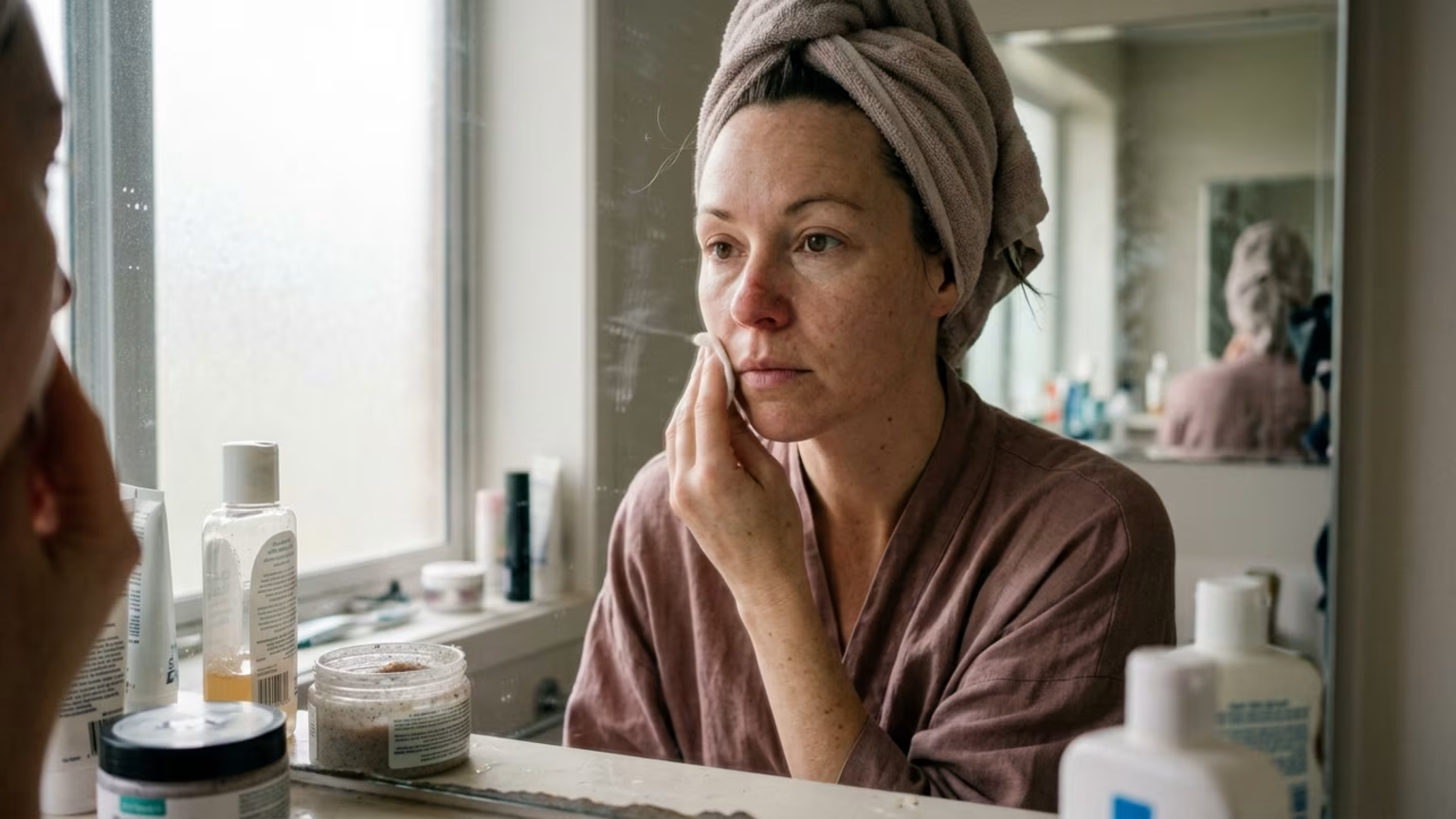
Early data from the 2026 Science of Skin Summit shows targeted skincare and dermabrasion may improve surface skin measures in weight-loss medication users.





In September 2026, clinical researchers presented a new set of data at the Science of Skin Summit in Austin, Texas. The summit ran from September 17 through September 20, 2026, and featured emerging discussions on aesthetic dermatology. Among the presentations were two e-posters announced by Allergan Aesthetics, an AbbVie company. These studies evaluated targeted topical skincare alone and targeted skincare combined with DiamondGlow dermabrasion.
The research specifically focused on individuals taking medical weight-loss medications, including GLP-1 receptor agonists. The investigators aimed to observe how these targeted protocols influenced various skin concerns. Significant weight reduction can influence the structural and visible characteristics of the skin over time. The findings offer early clinical insight into addressing these visual shifts through topical care and noninvasive treatments.
When underlying tissue volume decreases during weight loss, the skin often exhibits new visual characteristics. The surface layer can develop laxity, noticeable dryness, and a phenomenon commonly described as crepiness. These studies focused entirely on interventions designed to address the uppermost layers of the epidermis. They tested a targeted 12-week regimen alongside a secondary study incorporating physical exfoliation.
The primary topical routine consisted of a growth-factor serum, a neck cream, and a firming and toning body lotion. The investigators assessed skin across multiple anatomical areas. These assessed regions included the face, the neck, and the upper inner arms. The research team also evaluated the surface skin on the distal thighs.
I remember speaking with a dermatologist who told me her patients were coming in with severe anxiety about normal skin aging. That anxiety was driven entirely by social media filters and aggressive marketing. That conversation became a cornerstone of our philosophy. We decided right then that our publication would never frame natural changes like wrinkles or thinning hair as personal failures.
This perspective remains vital when discussing tissue shifts during medical weight management. Instead of focusing on flaws, we help readers understand the structural facial changes associated with weight loss. Growth-factor serums and firming lotions operate strictly on the surface level of the skin. They cannot replace lost facial fat or tighten loose muscle tissue beneath the epidermis.
The first study tracked nine participants who completed the full 12-week topical skincare regimen. Investigator assessments identified statistically significant improvements in selected measures of skin quality across the testing period. These objectively recorded improvements included reductions in dryness and better skin-tone evenness. The investigators also noted improvements in crepiness, tactile roughness, and overall skin texture.
During the trial, participants also experienced measurable improvements in visible lines and wrinkles. According to the findings, some improvements in the skincare-only study were observed as early as week two. The specific measure and the treatment area showing early improvement varied depending on the assessment time point. After four weeks of using the growth-factor serum twice daily, participants reported a notable subjective change.
The study participants perceived their facial skin as appearing approximately 10 years younger. The second study combined the topical skincare regimen with DiamondGlow dermabrasion treatments over a six-week period. Eleven participants completed at least one post-treatment assessment in this specific dermabrasion-plus-skincare study. Following the clinical protocols, participants reported another significant subjective milestone regarding their appearance.
After three DiamondGlow treatments and six weeks of topical skincare, participants perceived their facial skin as appearing approximately 7.5 years younger. While these perception-based numbers sound impressive, they represent personal observation rather than objective biological measurement. The studies clearly differentiated between what the investigators measured clinically and what the participants felt about their own skin.
Evaluating clinical data requires us to clearly acknowledge the structural limitations of early research. Both of these trials were very small, single-center studies. A sample size of nine completers in one study and eleven in the other restricts how confidently we can generalize the findings. These groups cannot fully represent the diverse biological responses of the broader population using medical weight-loss medications.
Elizabeth Makino, a co-author of both studies and the director of clinical development and global scientific affairs for skincare research and development at Allergan Aesthetics, provided important context. She stated that the data contribute clinical evidence on targeted skincare and noninvasive dermabrasion for people taking these medications. However, she clearly emphasized that larger studies are necessary. More comprehensive research is needed to further characterize the findings and fully understand their clinical utility.
When evaluating age-related skin claims objectively, we must recognize what a preliminary study does not prove. These trials did not establish that the topical products or dermabrasion treatments reverse biological aging. Furthermore, the research did not prove that the weight-loss medications directly caused the initial skin issues. The investigators simply measured how the skin responded to dermatological treatment while the participants happened to be taking the drugs.
Women navigating medical weight management can use these early findings to guide realistic conversations with their healthcare providers. If you notice increased dryness or tactile roughness, a regimen featuring growth factors and targeted hydrators offers a potential avenue for visible improvement. Focus your expectations on the specific metrics that showed statistical improvement, such as skin-tone evenness and surface texture. Understanding the realistic limits of topical formulas is crucial for building a sustainable routine.
A firming body lotion or a specialized neck cream will not significantly tighten loose skin. It will, however, help the tissue maintain moisture and appear healthier. If you are considering physical treatments, you might want to learn more about choosing between skincare and professional procedures. Always ask your clinical provider to clearly define the expected outcomes of any new treatment plan.
Request detailed information about the longevity of the visual results and whether ongoing maintenance sessions are required. Treating surface dryness and crepiness is generally an ongoing maintenance process rather than a permanent fix. Approaching skin changes with patience allows you to test mild interventions before committing to intensive treatments. Incorporating a consistent moisturizing routine can often address the tactile roughness and dryness highlighted in these studies.
As treatments for metabolic health advance, the intersection of weight management and dermatological science will demand increasingly rigorous investigation. Will future, multi-center trials provide a standardized clinical protocol for supporting skin resilience during rapid body composition changes?
Stay connected for research and practical guidance on skin, hair, collagen, nutrition and beauty longevity. Clear ideas for people who want to understand how appearance changes with age and make better-informed choices over time.



Understand your skin, hair and body better without chasing every new trend, treatment or promise.
explore the Blog