A 2022 clinical study reveals how sleep restriction impacts skin hydration, barrier function, and surface pH. Learn how gentle lifestyle habits support recovery.





In September 2026, a lifestyle report from Liputan6 highlighted how everyday habits influence premature facial aging. The publication linked low water intake, prolonged sitting, and sleeping in makeup to visible concerns like fine lines and uneven texture. This discussion relies heavily on dermatology guidelines that distinguish natural aging from environmental aging. We see many headlines claiming that poor habits immediately age the face, but our goal at Younell is to separate useful evidence from marketing noise.
The Liputan6 report identifies dullness, pigmentation changes, and uneven texture as specific visible signs associated with these lifestyle choices. Rather than blaming a single cause, the publication groups several behaviors together to explain why some individuals develop earlier signs of aging. It suggests that inadequate rest and limited movement compound the effects of other environmental stressors. By addressing these foundational lifestyle factors, individuals might reduce the visible impact of premature extrinsic aging.
The strongest clinical evidence in recent lifestyle discussions centers on sleep restriction and its immediate effect on the skin barrier. A 2022 clinical study examined healthy women to observe how acute rest deprivation changes measurable skin properties. The researchers found that lacking sleep directly impacts the outer layer of the skin. This leads to a significant decrease in surface hydration and a measurable increase in water loss through the skin.
It also elevates oxidative stress markers and alters the natural pH of the face. When the skin barrier loses moisture, the structural biomechanics physically change. The skin becomes less extensible and viscous, which translates to a duller and less vibrant appearance. This biological shift explains why we often look physically tired after a few late nights.
During our extensive review of environmental aging, we tested how various lifestyle factors impact skin barrier recovery. It was fascinating to see the data clearly show that simple habits like sleep and basic hydration often outperform the most expensive topical treatments. This reinforced our commitment to emphasizing foundational health over product hype. We consistently find that maintaining the skin barrier naturally leads to better long-term outcomes than chasing quick fixes.
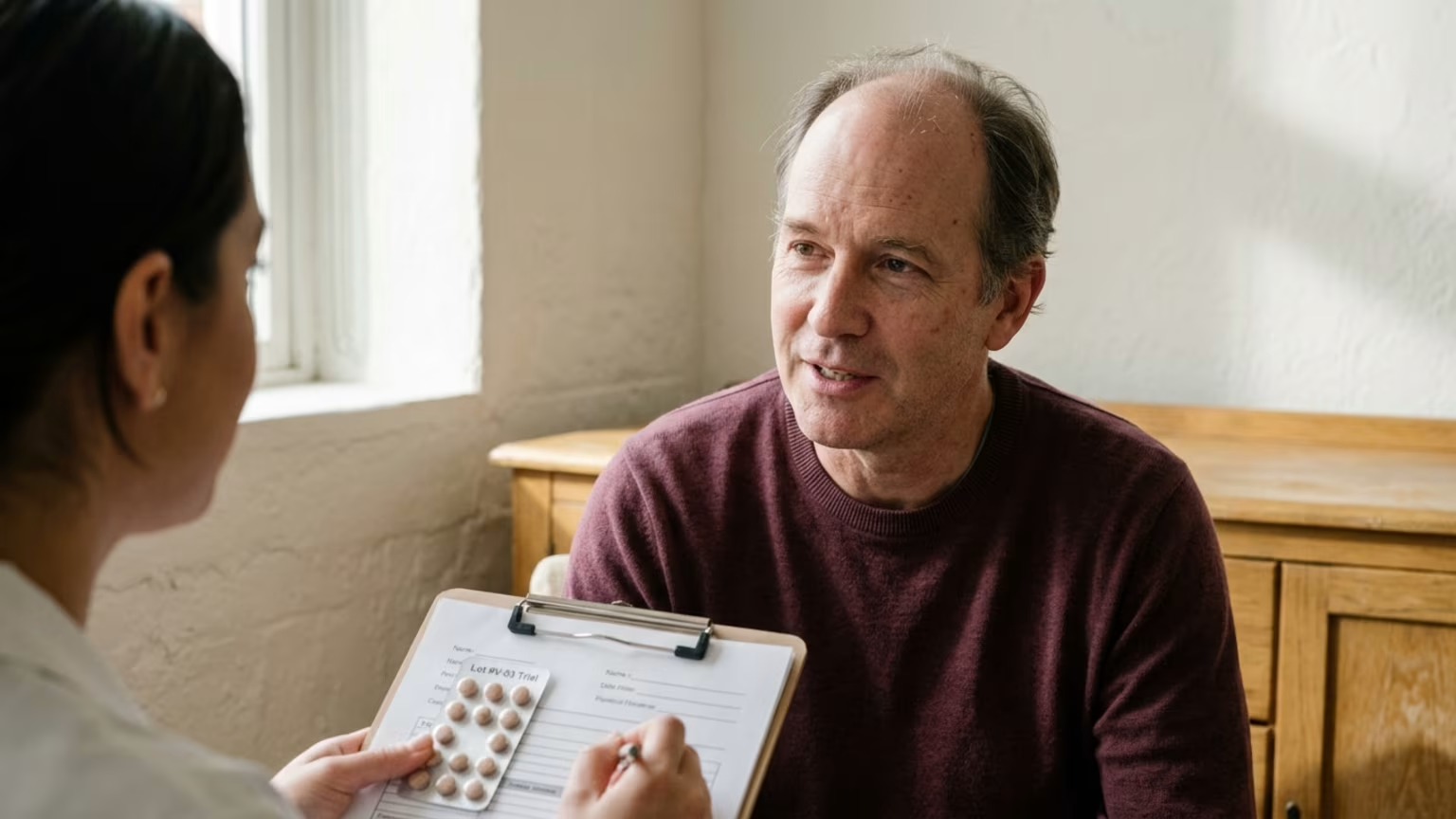
The 2022 study provides specific numerical insights into these temporary barrier changes. Researchers evaluated 24 healthy women aged 30 to 55. The participants were limited to just three hours of sleep per night for two consecutive nights. After this acute sleep restriction, skin hydration decreased with statistical significance at p<0.001.
Transepidermal water loss increased simultaneously at p<0.001. The biomechanical data showed that skin extensibility decreased at p=0.015. Skin viscosity also decreased at p<0.001. The average skin-surface pH rose from 4.8 to 4.9 at p<0.001, indicating a mild disruption to the natural acid mantle.
Furthermore, facial brightness and color saturation declined at p<0.001, while the oxidative stress marker known as skin-surface malondialdehyde increased at p<0.001. These objective measurements prove that short-term sleep loss affects measurable skin properties. The statistics show clear physiological shifts, yet they do not prove that one late night creates irreversible wrinkles. We view these numbers as proof of temporary strain rather than permanent biological deterioration.
While these statistics are compelling, we must highlight the scientific limitations of the available research. The sleep study only involved 24 participants, which is a very small sample size for dermatological research. It also relied on a single-arm design without a non-sleep-restricted control group for direct comparison. The test restricted participants to a specific demographic of healthy women aged 30 to 55.
Therefore, we cannot confidently apply these exact metrics to younger demographics or men. Most importantly, the research measured short-term physiological changes after just two nights of acute sleep restriction. The study does not establish that occasional poor sleep permanently accelerates chronological facial aging. The findings represent temporary barrier fluctuations rather than a complete breakdown of structural collagen.
This is a vital distinction because aggressive marketing often frames temporary dehydration as permanent skin damage. The primary lifestyle report also identifies low water intake and prolonged sitting as contributors to aging, yet it lacks controlled clinical evidence for each individual habit. We must treat these secondary habits as plausible contributors rather than independently proven causes of permanent facial aging. Broad assumptions about lifestyle factors often lack the rigorous clinical backing seen in formal sleep studies.
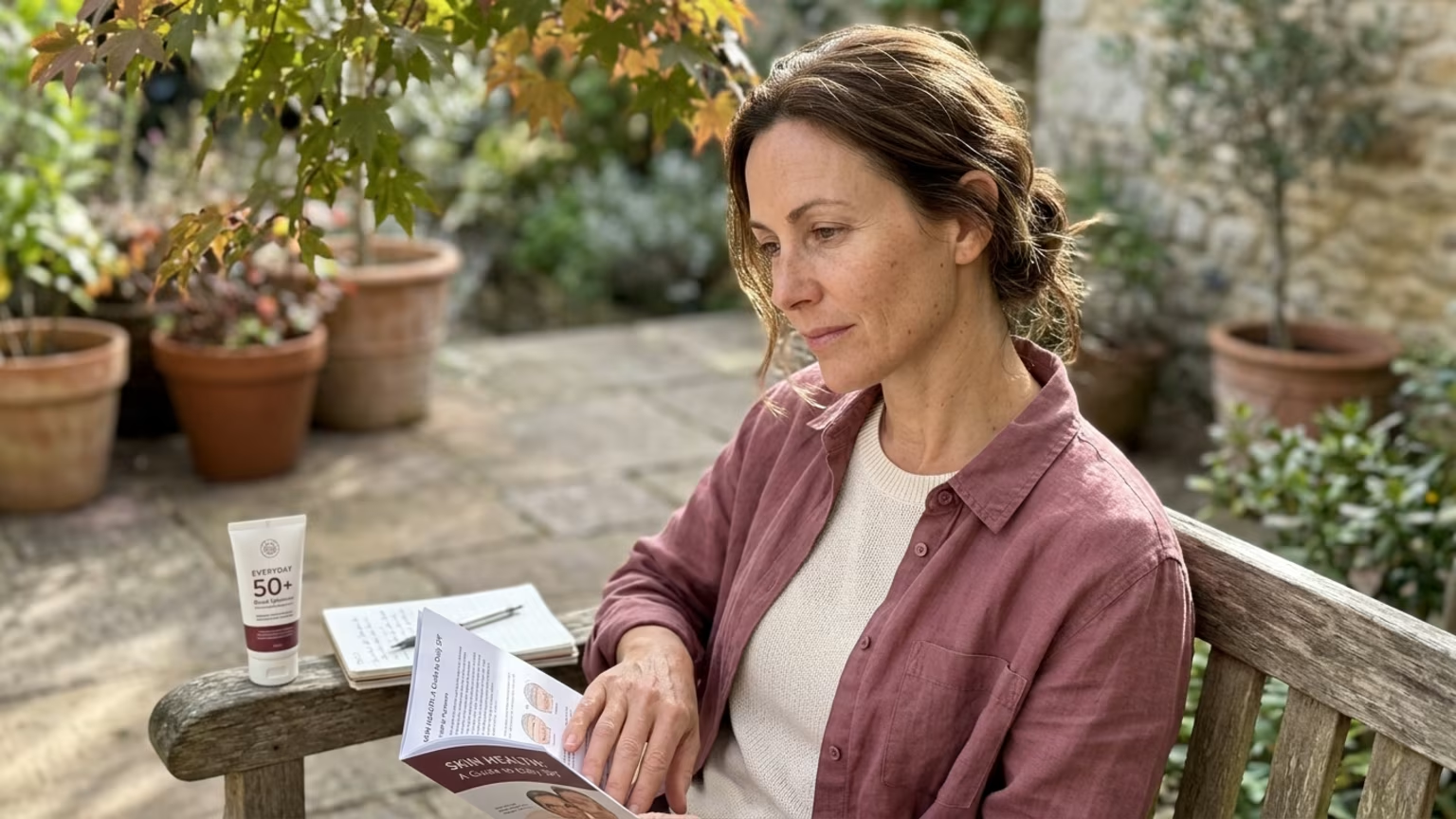
Health-conscious women can realistically apply these findings to their daily routines by focusing on gentle barrier maintenance. The American Academy of Dermatology recommends prioritizing broad-spectrum sunscreen with SPF 30 or higher to prevent premature extrinsic aging. Since daily sun exposure is a major driver of structural skin changes, this remains the most critical protective step. You can support this baseline protection by incorporating habits that support healthy skin recovery like regular movement and limiting alcohol consumption.
The data also reinforces the value of prioritizing consistent rest to support overnight barrier function. When you do experience short-term sleep loss, focus on restoring surface hydration rather than applying harsh corrective treatments. Using a simple moisturizer traps water in the skin and helps counteract the temporary transepidermal water loss observed in the research. Additionally, practicing gentle cleansing methods removes daily environmental residue without unnecessarily irritating a tired complexion.
It is equally important to avoid aggressive scrubbing when removing makeup at the end of the day. The dermatology guidance strongly supports smoking cessation and eating a balanced diet to promote a healthier complexion over time. By maintaining these foundational habits, you can manage the external stressors that accelerate skin aging and support your natural resilience. This practical approach values steady consistency over attempting to achieve perfect routines every single day.
The American Academy of Dermatology also notes that finding an effective routine takes patience. Some prescriptive treatments might sting or burn, and you should always discuss unexpected reactions with your dermatologist. Maintaining open communication with a medical professional ensures that your lifestyle adjustments complement your personalized care plan. Ultimately, a balanced combination of sensible habits and professional guidance provides the most reliable path to long-term skin health.
The connection between our daily habits and our outward appearance continues to be a fascinating area of dermatological study. As researchers move beyond simple topical solutions, we wonder how future trials will measure the combined effects of stress, diet and environmental factors over decades. Will the next generation of skin longevity science focus entirely on behavioral habits rather than cosmetic procedures?
Stay connected for research and practical guidance on skin, hair, collagen, nutrition and beauty longevity. Clear ideas for people who want to understand how appearance changes with age and make better-informed choices over time.


Understand your skin, hair and body better without chasing every new trend, treatment or promise.
explore the Blog