
An August 2026 study reports APR's radiofrequency device increases minoxidil delivery in animal models. We examine the clinical reality and potential risks.





In August 2026, a new study published in Pharmaceutics revealed how technology might alter topical hair treatments. APR, the South Korean beauty tech company behind the Medicube brand, reported results from an industry and academic study. The research examined whether radiofrequency microporation could improve topical minoxidil delivery and hair regeneration in animal models. The technology tested was incorporated into the Air Shot mode of APR's Medicube Age-R Booster Pro X2 beauty device.
To understand these findings, we must look at how topical treatments interact with the scalp. The skin acts as a highly protective barrier against outside elements. When people apply hair treatments, much of the active ingredient sits on the surface instead of reaching the deeper follicles. APR describes its radiofrequency technology as a method to temporarily bypass this biological barrier.
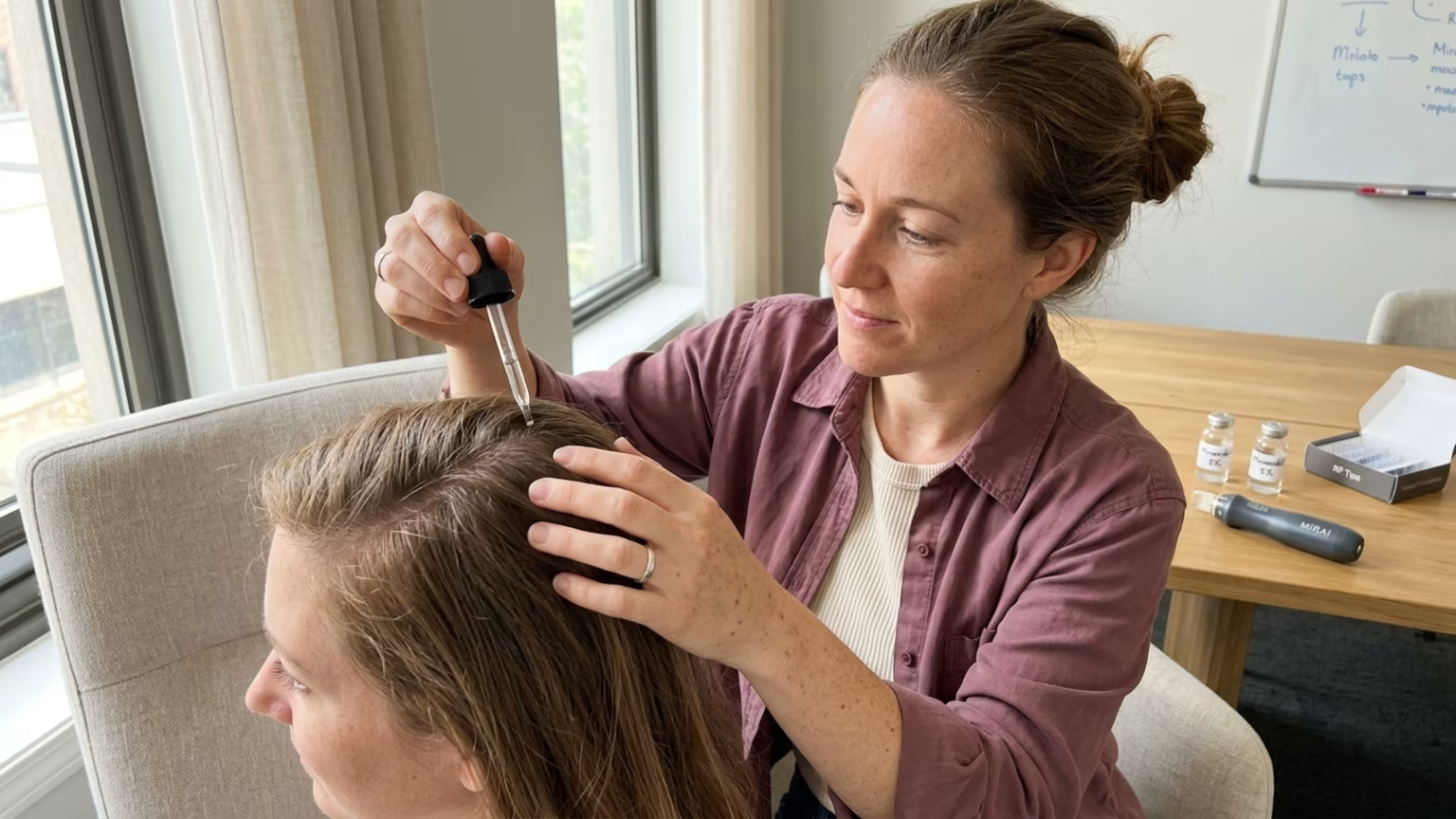
The device uses controlled radiofrequency energy to create temporary microscopic pathways through the outer skin layer. These tiny pathways potentially allow topical ingredients to move deeper into the tissue before they close. The preclinical experiments yielded measurable changes in how the drug was absorbed through these pathways. When researchers combined radiofrequency microporation with topical minoxidil, the process increased minoxidil deposition in the epidermis and dermis by up to 2.40 times compared with using minoxidil alone.
Furthermore, the company reported that animal models of androgenetic hair loss showed statistically significant improvements in hair coverage. These models also displayed significant improvements in hair length and hair thickness. These results are notable because they address a major practical limitation of current topical therapies. By increasing the amount of drug that reaches the relevant skin layers, this technology offers a plausible biological hypothesis.
However, these results represent an early signal for drug delivery rather than a validated clinical protocol. Greater deposition in animal skin does not automatically translate into a proven consumer therapy for human beings. The most important limitation is that the reported 2.40 times increase refers exclusively to minoxidil deposition in animal skin. Animal biology, dosing requirements, and device contact conditions may differ substantially from those of human scalp skin.
The phrase noting an increase of up to 2.40 times describes the maximum reported increase. This figure does not necessarily represent the average increase for every animal, treatment session, or skin layer. Human randomized trials are necessary before efficacy claims can be generalized to average consumers. We emphasize evaluating true clinical data when reviewing prescription treatments for female hair loss because early models often overstate human benefits.
When discussing new technologies, we at Younell rely heavily on our core editorial values. Our approach to beauty science is always grounded in clear evidence. We approach all device research with a highly specific foundational mindset. Our priority is looking for verifiable clinical safety data.
"I remember speaking with a dermatologist who told me her patients were coming in with severe anxiety about normal skin aging. That anxiety was driven entirely by social media filters and aggressive marketing. That conversation became a cornerstone of our philosophy. We decided right then that our publication would never frame natural changes like wrinkles or thinning hair as personal failures."
We maintain this exact mindset when evaluating new device claims. Increasing the delivery of a drug is not automatically beneficial for everyone. The American Academy of Dermatology lists scalp irritation, redness, scaling, and itching as possible minoxidil side effects. Official labels also warn users to seek medical advice for symptoms like chest pain, rapid heartbeat, dizziness, or swelling.
A device that creates microscopic pathways might alter local exposure or systemic absorption significantly. This means more penetration could mean more risk for the user. The available reporting does not provide human pharmacokinetic data, blood level measurements, or a comparison of adverse events. That uncertainty is critical because the headline result is a drug deposition increase rather than a simple cosmetic improvement.
For health conscious women aged 30 to 60, this study offers an interesting glimpse into future scalp health technologies. However, women should not treat this announcement as a reason to replace standard clinical care. Topical minoxidil is already an FDA approved nonprescription treatment option for women. The American Academy of Dermatology says it can stimulate growth and help prevent further hair loss.
Realistic expectations are essential when evaluating any new regimen. The clinical consensus states that visible results generally take approximately six to 12 months. These benefits are often lost entirely after discontinuation of the topical treatment. Minoxidil products are not interchangeable across different patient profiles or specific formulations.
Product labels differ substantially, and some carry specific restrictions for female users. For example, women who are pregnant, planning pregnancy, or breastfeeding should avoid minoxidil altogether. People experiencing sudden, patchy, unexplained, or inflamed scalp conditions should seek professional medical advice immediately. Adding a penetration enhancing device to an inflamed scalp could worsen the underlying issue.
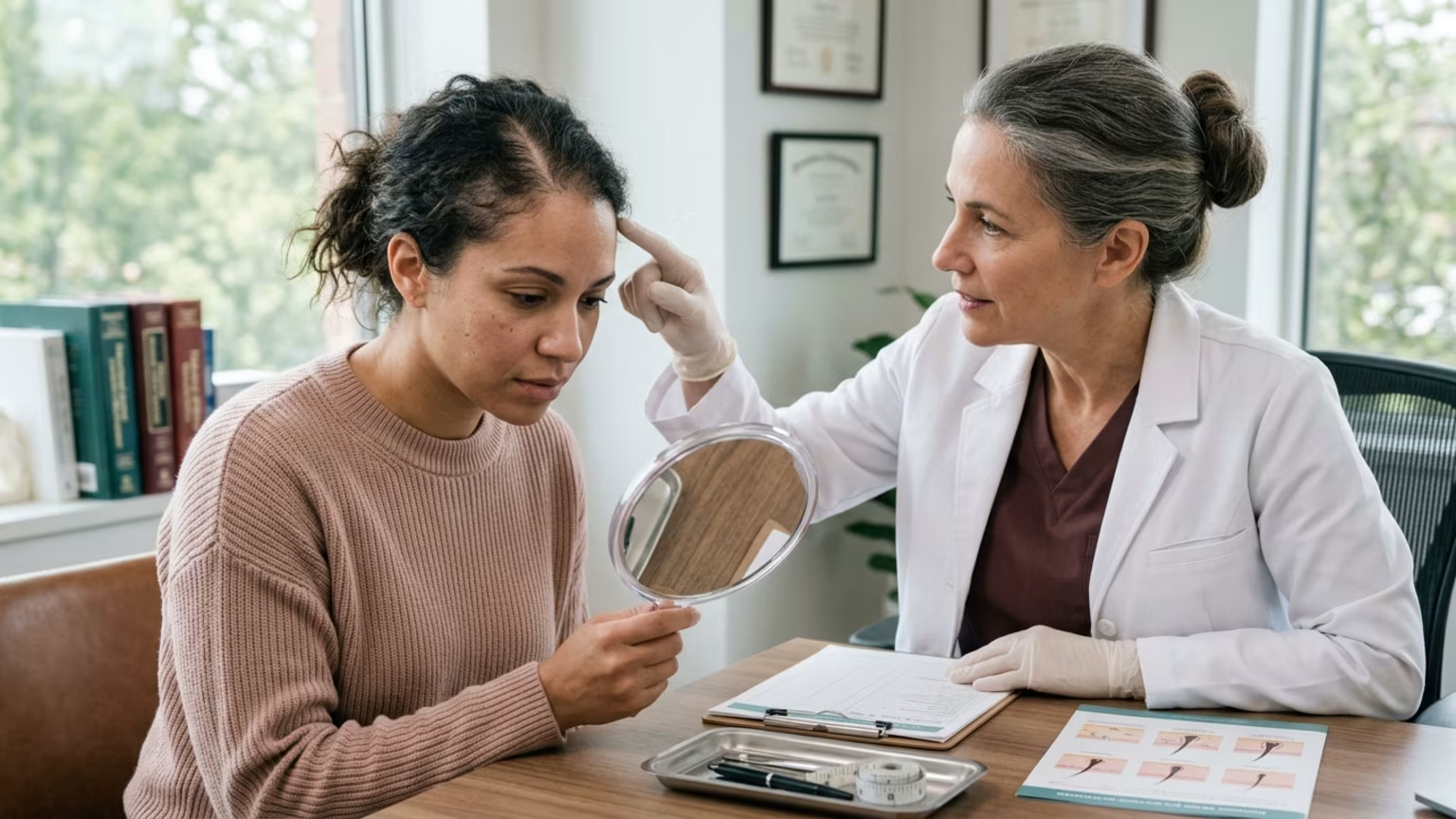
Women dealing with shedding should identify the root cause first before changing their routine. Female pattern hair loss can overlap with nutritional problems, medication effects, or thyroid disease. A comprehensive assessment is vital, and you can learn more through our guide on how hair loss is diagnosed. It is also crucial to rule out other underlying health factors by reviewing the medical causes of hair loss in women.
Consumers should continue using treatments only as directed on the product label or by a qualified clinician. The APR announcement reflects a broader beauty tech shift toward improved delivery platforms. Companies are increasingly positioning home devices as tools to deliver active ingredients deeper into the skin. As this research transitions from animal models to human trials, clinical data will reveal the true safety profile.
We need human testing to verify whether enhanced delivery actually improves hair density safely over many months. Will radiofrequency microporation eventually become a standard adjunct therapy for topical treatments, or will the risks of enhanced absorption outweigh the benefits?
Stay connected for research and practical guidance on skin, hair, collagen, nutrition and beauty longevity. Clear ideas for people who want to understand how appearance changes with age and make better-informed choices over time.





Understand your skin, hair and body better without chasing every new trend, treatment or promise.
explore the Blog