
A review of new dermatologist guidance on double shampooing. We examine the mechanism behind targeted scalp cleansing and outline its clinical limitations.





In September 2026, the publication Fit With Age shared new practitioner guidance regarding a two-wash hair cleansing routine. The article outlined how washing the hair twice in a single shower session can effectively remove heavy topical buildup. Dermatologists report that this targeted strategy helps improve overall hair appearance and manageability for specific individuals. Experts clarify that this routine is a situational tool for scalp hygiene rather than a universal necessity for every person.
The beauty industry has recently shifted toward treating the scalp as a distinct area of skin care. This conceptual shift has led to the adoption of multi-step cleansing rituals that mimic facial skin care routines. However, more cleansing does not automatically equate to healthier follicles for everyone. The guidance highlights the need to separate gentle cosmetic maintenance from aggressive treatments, framing hair health as part of healthy aging rather than an endless pursuit of physical perfection.
The core biological rationale behind double shampooing addresses the gradual accumulation of topical residues. Dr. Angela Lamb explains that the first shampoo application breaks down surface oils, daily dirt, and styling product residue. Once that initial layer of stubborn buildup washes away, a second application cleanses the scalp more deeply. This sequential process theoretically allows specific shampoo ingredients to reach the skin and work more effectively.
This sequential cleansing approach proves particularly useful under demanding environmental or lifestyle conditions. Dr. Marisa Garshick notes that a first wash primarily removes surface buildup for those who rely heavily on styling products or dry shampoo. She adds that individuals living in highly polluted cities can also benefit significantly from this initial clarifying step. Fit With Age additionally lists frequent exercise and naturally oily scalps as common situations where a two-wash routine provides noticeable value.
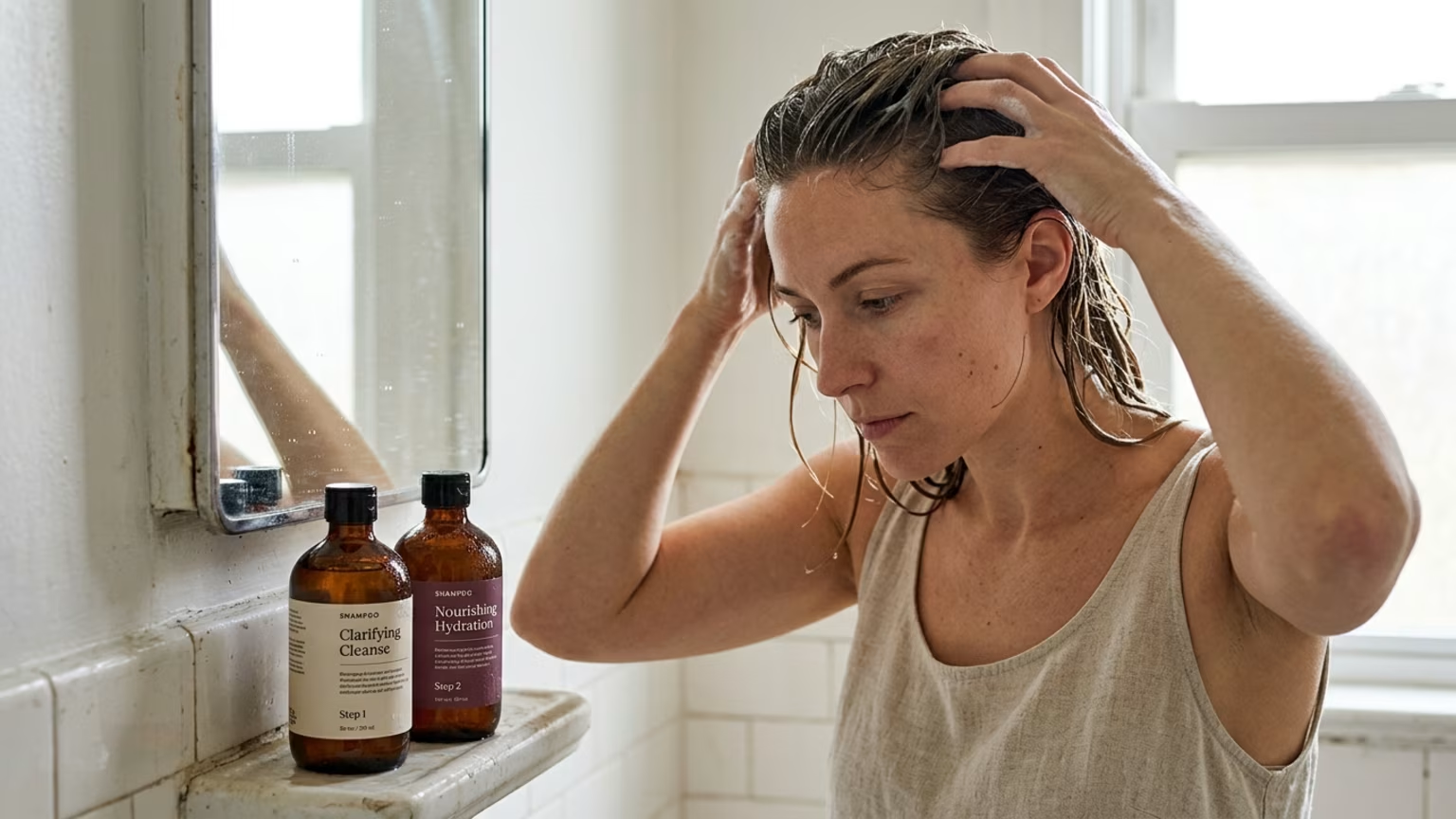
The actual physical practice requires a measured and gentle approach to avoid unnecessary mechanical friction. The recommended technique involves using a surprisingly small amount of shampoo for the first wash with gentle fingertip massaging. A second wash follows only if the scalp requires more extensive cleansing after the initial rinse. Fit With Age notes that the second wash often produces a richer lather, which acts as a helpful indicator of reduced surface oil.
It is vital to clearly separate the immediate cosmetic feeling of cleanliness from medically proven changes in scalp health and hair growth. The central rationale for double shampooing currently relies entirely on practitioner explanations rather than controlled comparative clinical studies. No independent randomized trial currently proves that washing twice directly produces healthier follicles or faster long term hair growth. The richer lather seen during a second wash confirms a reduction in oil, but it is not independent evidence of enhanced biological follicle health.
Consumers often face intense psychological pressure to adopt elaborate and time consuming routines to prevent normal physical changes. We have seen this exhausting pattern repeat itself across many emerging beauty trends over the past several years.
"I remember speaking with a dermatologist who told me her patients were coming in with severe anxiety about normal skin aging. That anxiety was driven entirely by social media filters and aggressive marketing. That conversation became a cornerstone of our philosophy. We decided right then that our publication would never frame natural changes like wrinkles or thinning hair as personal failures."
When evaluating any new cleansing trend or product, readers must remain highly cautious about dramatic medical claims. Individuals experiencing persistent itching, scaling, or sudden shedding should not assume that additional shampooing is the solution. A Cleveland Clinic dermatologist cautions that shampoos promising dramatic regrowth without proven ingredients like minoxidil are likely ineffective, recommending a proper diagnosis before experimenting with commercial products. Thorough cleansing can undoubtedly improve the feel and volume of the hair, but it does not independently treat underlying causes of hair loss.
For health conscious women, the most practical approach involves treating double shampooing as an occasional and highly targeted strategy. Trichologist Bridgette Hill advises that individuals with dry or textured hair might only use this intensive method once a week. They might also reserve it strictly for days immediately following the application of heavy styling products. Fit With Age heavily cautions that washing too frequently can cause brittleness or breakage, making tailored care routines for curly and textured hair essential.
The American Academy of Dermatology provides exceptional foundational guidance for safe and effective daily washing habits. The AAD recommends concentrating shampoo primarily on the scalp rather than aggressively scrubbing the full length of the hair. This targeted application effectively removes excess oil and product buildup while protecting fragile hair lengths from excessive drying. The academy advises tailoring wash frequency to how quickly the hair becomes dirty, and recommends following up with conditioner to improve manageability.
People with straight hair and oily scalps may genuinely need to shampoo daily to maintain comfort and hygiene. Conversely, those with thick, textured, or curly hair can wash substantially less often without compromising their scalp health. For individuals seeking a convenient middle ground, Fit With Age suggests a modified routine appropriately called the shampoo-and-a-half. This alternative involves one full scalp wash followed by a much lighter second wash only if noticeable residue remains.
Thoughtful ingredient selection also plays a significant role in minimizing potential skin irritation from frequent washing. Dr. Shani Francis, identified by Fit With Age as a dermatologist specializing in hair disorders, favors gentler overall formulations for people who double wash. She suggests carefully matching specific ingredients to the individual's unique scalp needs rather than following generic trends. Fit With Age specifically identifies sulfate-free formulas as a potentially gentler choice for a consistent two-wash routine.
While ingredient lists provide options, they should be viewed as supportive care rather than guaranteed clinical cures. Fit With Age mentions ingredients like tea tree oil for immediate oil control and hyaluronic acid for temporary hydration. However, these ingredient suggestions are presented strictly as practical practitioner guidance rather than concrete evidence from a comparative clinical study. Readers should select these formulations to improve their daily cosmetic experience while maintaining realistic expectations about their biological limitations.
The ongoing industry shift toward treating the scalp with the same precision as facial skin care continues to refine our daily routines. As researchers better differentiate temporary cosmetic cleansing benefits from true medical treatments, we will likely see more nuanced care protocols emerge. Dermatologists are already moving away from rigid universal rules in favor of highly individualized and responsive washing schedules. Will future clinical trials finally map the exact relationship between targeted mechanical cleansing frequency and long term follicular health?
Stay connected for research and practical guidance on skin, hair, collagen, nutrition and beauty longevity. Clear ideas for people who want to understand how appearance changes with age and make better-informed choices over time.





Understand your skin, hair and body better without chasing every new trend, treatment or promise.
explore the Blog