

A 2026 EADV study reports associations between GLP-1 medicines and symptoms like hair shedding and scalp redness. Learn how to interpret this clinical data.





In October 2026, investigators presented a new companion study at the European Academy of Dermatology and Venereology Congress. The conference ran from September 30 to October 3, 2026. Researchers examined reported hair and scalp symptoms among users of GLP-1 receptor agonists and a comparison group. The multinational study revealed that patients taking these metabolic treatments reported unusual hair loss and scalp changes more frequently than the control group. When evaluating new medical interventions, understanding the distinction between expected side effects and novel symptoms is critical.
The broader medical community has been tracking this intersection closely. A separate 2026 article in Practical Dermatology summarized a TriNetX cohort study of nearly 550,000 matched adults. That distinct study reported an association between GLP-1 receptor agonist use and nonscarring alopecia. The new findings from the European Academy of Dermatology and Venereology provide a different lens by focusing on self-reported patient symptoms. These combined reports, alongside emerging evaluations of GLP-1 diabetes treatments and hair loss risks, highlight why thorough clinical evaluation of systemic treatments remains necessary for long term well-being.
Hair follicles operate on strict metabolic cycles that require a stable internal environment to function correctly. When the body undergoes rapid weight reduction, it often triggers a temporary shedding phase known clinically as telogen effluvium. Many patients using GLP-1 treatments report this expected type of shedding. However, this new data suggests that a more complex biological response could be occurring at the scalp level.
The findings indicate that hair loss rarely occurred alone among the GLP-1 users studied. Most reported cases presented with accompanying scalp symptoms such as itching, scaling, or redness. Study author Bruno Halioua offered a specific interpretation of these clinical signs. He stated that the scalp findings might point to an inflammatory component beyond the shedding traditionally linked to rapid weight reduction.
The presence of inflammation changes the conversation entirely. A red or itchy scalp suggests localized irritation rather than just a systemic nutrient deficit. Understanding how hair changes with age requires distinguishing between natural biological slowing and acute inflammatory responses. An inflamed scalp environment alters how follicles anchor hair strands and manage the growth cycle over time. While this study did not establish a definitive biological mechanism, it underscores the importance of a calm and balanced scalp. Readers can review our guide to scalp conditions that affect hair to better understand these visible symptoms.
The researchers drew their data from a multinational case-control study. The reported sample comprised 575 GLP-1 users and 1,329 controls. All participants had type 2 diabetes or obesity, but the control group had never used GLP-1 medicines. Investigators recruited these individuals across France, the United States, Brazil, and Mexico.
The reported differences in physical symptoms between the two groups were measurable. Unusual hair loss was reported by 50 percent of GLP-1 users, compared with 34 percent of controls. Furthermore, 42 percent of the medication users noted reduced hair volume or density, whereas only 19 percent of non-users reported this issue. Participants also reported hair loss beginning after treatment initiation more often in the GLP-1 group, at 26 percent versus 12 percent. The conference release noted that scalp redness was roughly three times more frequent among users.
These differences extended beyond the scalp to include significant nail changes. The researchers presented a separate nail analysis from the exact same participant pool. According to the release, 66 percent of GLP-1 users reported at least one nail disorder, compared to 53 percent of controls. Nail detachment was particularly notable, reported by 39 percent of users and only 9 percent of non-users. We know that severe bodily changes can affect keratinized structures, which is why protecting hair during body composition changes requires careful monitoring.
Translating clinical research requires making scientific uncertainty highly visible. Observational surveys capture a moment in time but cannot show a timeline of cause and effect. Because the findings were cross-sectional and symptom-based, they indicate an association rather than proving that the medicines caused the changes. The data relies entirely on self-reported symptoms from patients rather than a standardized clinical diagnosis.
Without knowing the exact timeline of medication use, predicting long term risks for any specific individual is impossible. Study author Charles Taïeb explicitly cautioned that an association does not mean every physical change was caused by the treatment itself. Several crucial variables remain unknown in the public materials. The release does not specify individual GLP-1 medicines, specific doses, or total treatment duration.
The lack of demographic detail also limits how we can apply these findings. The study omits participant age and sex distributions entirely. Furthermore, while the control group shared baseline metabolic conditions, it remains unclear how perfectly matched the groups were on all other characteristics. Finally, the release notes that the nail and companion hair studies received institutional support from DUCRAY Laboratories, which is part of the Pierre Fabre Group.
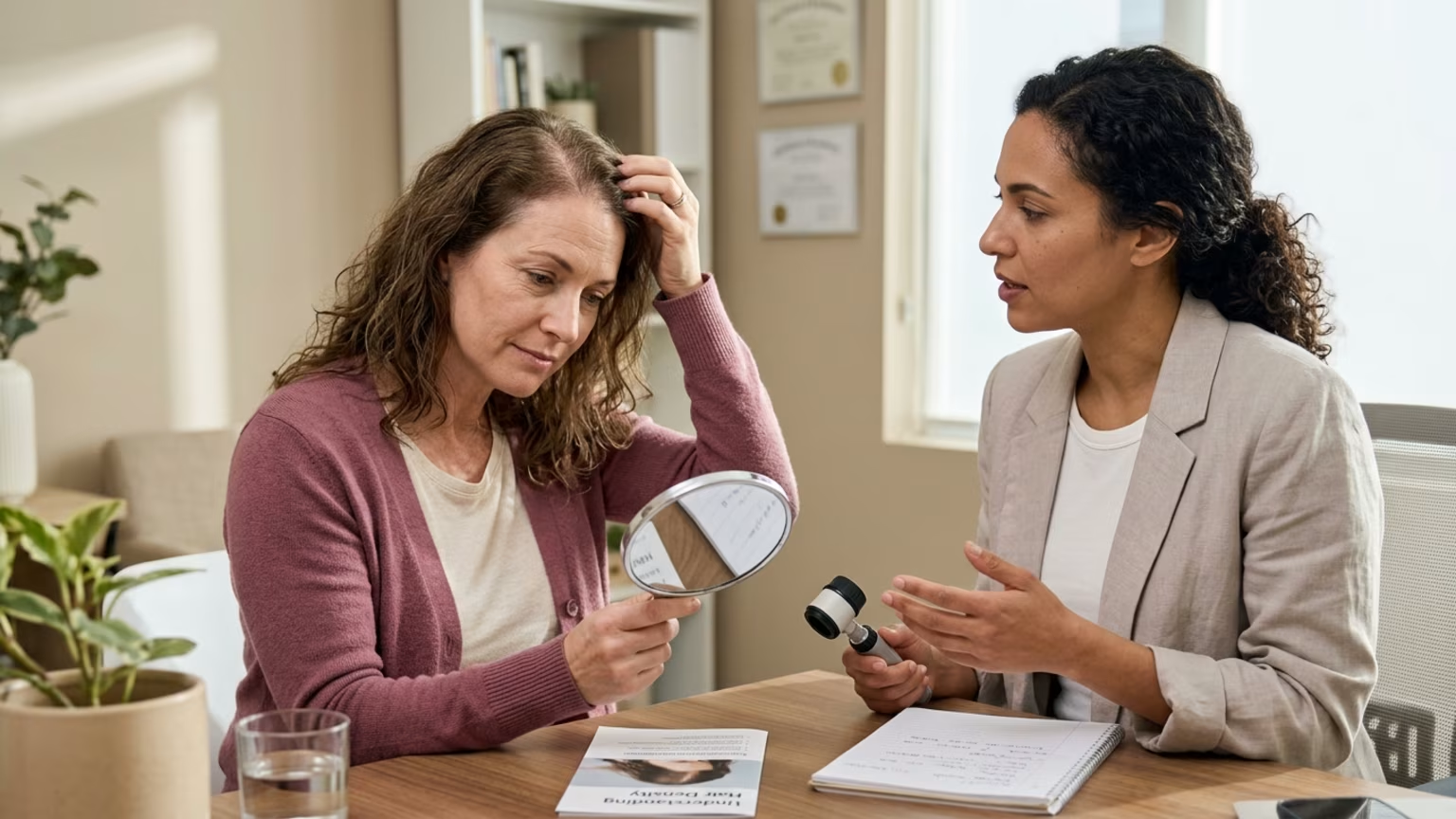
For health-conscious women navigating new metabolic treatments, these findings require a measured approach. Your daily beauty longevity routine should always adapt to your current health status and prescribed medications. If you notice unexpected shedding, an itchy scalp, or nail changes while taking a GLP-1 medicine, seeking medical evaluation is your best next step. Study author Bruno Halioua specifically advised patients to discuss these changes with their doctor.
Maintaining a gentle scalp care regimen can minimize external irritation while you consult your physician. He emphasized that individuals should not stop their prescribed treatment on their own initiative. Avoid aggressive cosmetic treatments or harsh active ingredients that might exacerbate an already sensitive scalp environment.
Understanding how to interpret emerging beauty science helps you separate useful evidence from marketing noise. This study does not justify claims that these medications definitively cause hair loss for all users. It also provides no evidence that cosmetic products or supplements can prevent or treat these specific reported symptoms. Readers seeking to preserve their hair density should prioritize understanding hair growth and hair longevity rather than chasing quick fixes. Long term hair longevity requires addressing underlying biological changes with guidance from a qualified clinician.
The researchers plan to conduct prospective research beginning at treatment initiation to gather more definitive data. They intend to use standardized dermatological assessments and biological monitoring. This upcoming phase will investigate exactly when changes develop, pinpoint possible causes, and track whether the symptoms ultimately resolve. As new classes of medication continue to influence systemic physiology, how will the cosmetic industry evolve its testing standards to address the biological reality of these widespread metabolic therapies?
Stay connected for research and practical guidance on skin, hair, collagen, nutrition and beauty longevity. Clear ideas for people who want to understand how appearance changes with age and make better-informed choices over time.



Understand your skin, hair and body better without chasing every new trend, treatment or promise.
explore the Blog