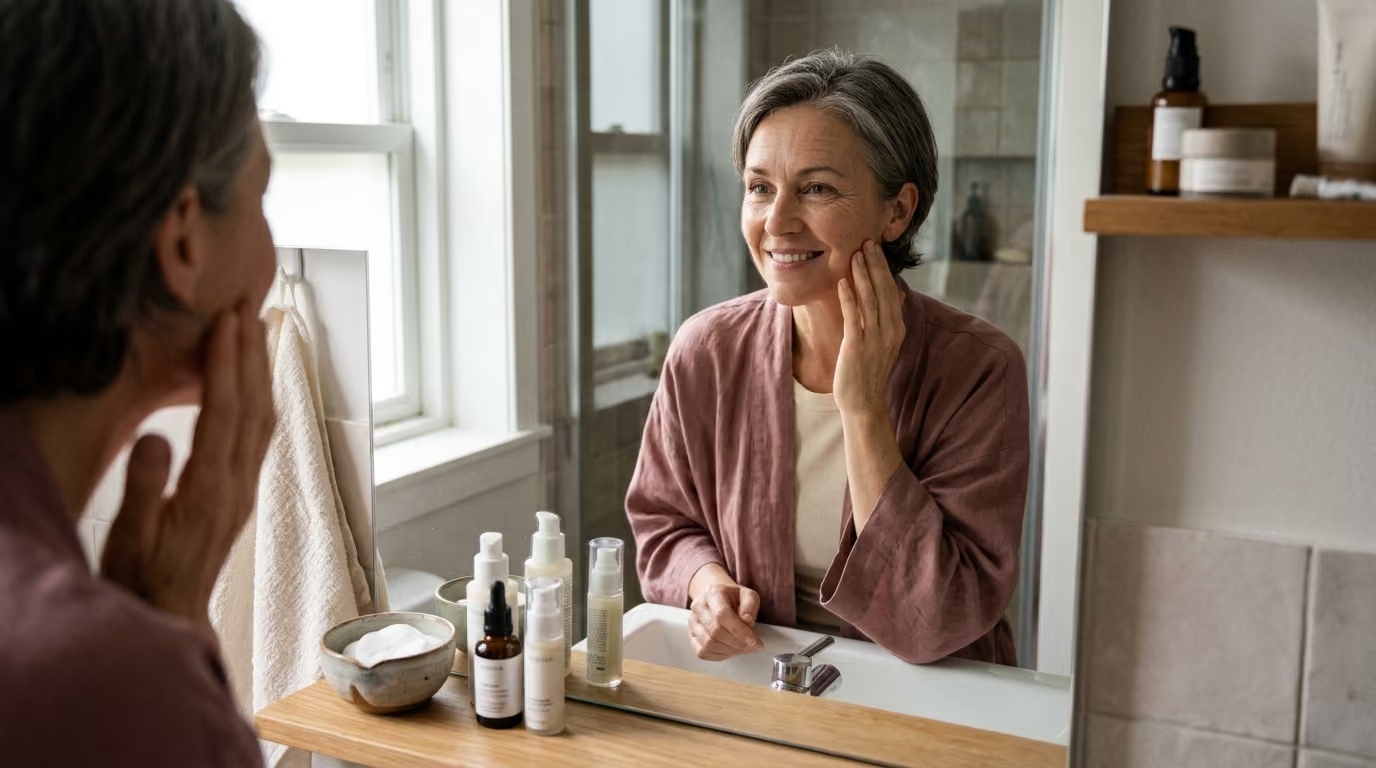

Genetics establish baseline cellular aging, but cumulative lifetime environmental exposures and daily lifestyle factors primarily dictate how cutaneous.





You glance in the rearview mirror during your morning commute and notice subtle changes in your skin. Fine lines around your eyes appear slightly deeper than last year, and a few faint pigment spots have appeared along your cheekbones. It is easy to assume these shifts are purely genetic or simply the result of getting older.
In reality, your skin reflects the sum of every environment you have inhabited and every habit you have maintained. Scientists refer to this total lifetime influence as the skin exposome. Understanding this concept allows you to move away from reactive product shopping and adopt a clear, lifelong protection strategy.
The term exposome was first coined in 2005 by cancer epidemiologist Dr. Christopher Wild. He proposed it to describe the totality of environmental exposures an individual experiences from conception onward. While genetics provide the blueprint for human health, environmental exposures dictate how those genes express themselves over time. Dermatologists and researchers later adapted this definition to create a framework for cutaneous biology.
The skin exposome represents the cumulative total of environmental exposures, lifestyle factors, and internal physiological processes that alter skin structure and function. It recognizes that skin does not age in a vacuum. Instead, your cutaneous tissue functions as the direct barrier between your internal physiology and the outside world.
To understand the exposome, you must distinguish between intrinsic and extrinsic aging. Intrinsic aging is the natural, chronological decline in cellular repair capacity, hormonal support, and tissue regeneration. It happens gradually and is largely determined by biological time and genetics.
Extrinsic aging is the acceleration of this structural decline driven by external insults. Long-term exposures modify the very biological pathways that govern intrinsic aging. Your genetic background determines your baseline susceptibility, but your daily exposure patterns dictate how rapidly tissue changes accumulate.
The visible outcomes of the exposome are diverse. They include fine lines, coarse wrinkles, loss of structural elasticity, skin laxity, rough texture, dullness, fragile blood vessels, and uneven pigmentation. These changes occur through several interconnected biological cascades:
External insults generate reactive oxygen species that overwhelm the natural antioxidant defenses of cutaneous tissue. This oxidative burden damages cellular lipids, membrane proteins, and cellular DNA. Over time, chronic oxidative stress impairs the ability of dermal fibroblasts to synthesize new structural components.
Sustained environmental insults trigger low-grade inflammatory signaling in epidermal keratinocytes and resident immune cells. This persistent inflammatory state releases pro-inflammatory cytokines that disrupt the natural healing cycle of the skin. This state accelerates the gradual breakdown of healthy tissue.
Environmental stressors stimulate enzymes known as matrix metalloproteinases. These enzymes actively degrade structural collagen and elastic fibers within the dermis. When matrix breakdown outpaces matrix synthesis, the skin loses its underlying support architecture, leading to visible laxity and deep creases.
The stratum corneum acts as a physical barrier that prevents excessive water loss and blocks the entry of irritants. Environmental stressors like low humidity, ozone, and harsh cleansing degrade barrier lipids. This disruption creates a vulnerability loop where damaged skin becomes increasingly permeable to secondary pollutants.
Solar radiation and airborne particulate matter stimulate melanocytes to produce excess melanin. When signaling pathways become dysregulated, pigment is distributed unevenly throughout the epidermis. This mechanism produces solar lentigines, melasma flares, and persistent post-inflammatory hyperpigmentation.
During our investigation into environmental aging, we tested how various lifestyle factors impact skin barrier recovery. It was fascinating to see the data clearly show that simple habits like sleep and basic hydration often outperform the most expensive topical treatments. This reinforced our commitment to emphasizing foundational health over product hype.
Understanding these biological connections helps you see why the exposome functions as an interconnected web rather than an isolated checklist of separate threats. For readers interested in how deeper dermal layers respond to these stressors, our guide to structural collagen integrity provides additional biological context.
The modern exposome model categorizes environmental and lifestyle influences into seven distinct domains. Each domain exhibits unique biological mechanisms and clinical patterns.
Solar radiation remains the primary preventable driver of extrinsic skin aging. Sunlight consists of ultraviolet A rays, ultraviolet B rays, visible light, and infrared radiation. Ultraviolet A rays penetrate deeply into the dermis, generating reactive oxygen species and directly degrading collagen fibers.
Ultraviolet B rays act primarily on the epidermis, creating direct DNA damage in the form of cyclobutane pyrimidine dimers. Visible light, particularly high-energy visible blue light, can induce persistent pigmentation in deeper skin phototypes. Infrared radiation generates heat within the tissue, which can stimulate inflammatory pathways and matrix metalloproteinase production.
Urban air contains a complex mixture of gaseous pollutants and particulate matter. These include fine particulate matter known as PM2.5, coarse particles known as PM10, soot, nitrogen dioxide, ozone, and polycyclic aromatic hydrocarbons. These tiny particles settle on the skin surface and penetrate hair follicles or compromised barriers.
Once in contact with the skin, pollutants act as catalysts for oxidative damage and mitochondrial stress. Polycyclic aromatic hydrocarbons bound to particulate matter activate the aryl hydrocarbon receptor. This activation triggers melanogenesis and inflammatory cascades, making air pollution a major contributor to facial lentigines and uneven skin tone.
Active tobacco smoking exposes skin tissue to thousands of vaporized compounds that impair vascular function and cellular oxygen delivery. Nicotine induces cutaneous vasoconstriction, which starves peripheral tissue of essential nutrients and oxygen.
Carbon monoxide displaces oxygen from hemoglobin, further starving dermal fibroblasts. Tobacco smoke also depletes endogenous stores of vitamin C and vitamin E within the skin. This ongoing nutritional depletion impairs the enzymatic hydroxylation required for stable collagen synthesis. Secondhand smoke presents similar oxidative hazards to non-smokers who live or work in combustion-heavy environments.
Atmospheric temperature, relative humidity, wind speed, and altitude dramatically influence skin barrier physiology. Extremely cold temperatures combined with low indoor humidity deplete surface moisture, leading to micro-fissuring of the stratum corneum. This barrier breakdown permits greater penetration of topical irritants.
Conversely, excessive heat and high humidity increase sweat production, altering the cutaneous microbiome and worsening conditions like rosacea or inflammatory acne. High altitude increases solar radiation exposure significantly, requiring heightened photoprotection regardless of ambient temperature.
What you consume provides the direct molecular building blocks for cellular maintenance and tissue repair. Diets high in ultra-processed foods and refined sugars accelerate the formation of advanced glycation end-products. These cross-linked sugars bind to dermal collagen and elastin, turning resilient structural fibers stiff and brittle.
In contrast, a diverse dietary pattern provides carotenoids, polyphenols, essential fatty acids, and amino acids necessary for continuous cellular turnover. Severe caloric restriction or inadequate protein intake deprives fibroblasts of the raw materials needed to maintain dermal thickness. You can read more about how dietary choices shape cutaneous tissue in our research overview of internal nutritional support.
Psychological stress activates the hypothalamic-pituitary-adrenal axis, releasing systemic cortisol and catecholamines. Elevated systemic cortisol impairs epidermal barrier repair, downregulates natural lipid production, and suppresses local immune function.
Chronic sleep deprivation compounds these issues by interrupting nocturnal tissue repair and growth hormone release. Sleep loss also increases systemic markers of low-grade inflammation, leaving the skin more reactive to daily environmental encounters.
Topical products and grooming practices can either protect skin integrity or directly contribute to exposome-related damage. Frequent use of aggressive foaming cleansers strips essential ceramides and free fatty acids from the stratum corneum. Over-exfoliation using physical scrubs or high-concentration acids induces chronic micro-inflammation.
A well-constructed routine supports the skin barrier and supplies topical photoprotection. Conversely, an overly complex regimen with incompatible active ingredients can cause contact dermatitis, barrier failure, and heightened reactivity to environmental factors.
Clinical and epidemiological research provides clear metrics on how exposome factors influence skin aging over time. Grounding our understanding in high-quality human data helps separate established medical facts from commercial marketing claims.
The landmark Nambour Skin Cancer Study remains one of the most rigorous randomized controlled trials evaluating photoprotection and skin aging. Conducted over four and a half years in Australia, the trial followed 903 adults aged 25 to 55. Participants were randomly assigned to either daily use of a broad-spectrum SPF 15 sunscreen applied to the head, neck, arms, and hands, or discretionary sunscreen use.
Skin aging was objectively assessed using microscopic silicone impressions of the back of the hand at baseline and at the trial conclusion. The daily sunscreen group showed no detectable increase in skin aging over the four and a half years.
Furthermore, participants assigned to daily application demonstrated 24 percent less skin aging progression compared to the discretionary group. The relative odds ratio for increased aging in the daily group was 0.76 with a 95 percent confidence interval of 0.59 to 0.98. The same trial demonstrated a significant reduction in the development of precancerous actinic keratoses, showing a rate ratio of 0.62.
Observational studies in large human cohorts have identified strong statistical links between ambient air pollutants and specific skin aging phenotypes. Epidemiological investigations examining women in Germany and China found that ambient pollution exposure correlates directly with the formation of lentigines on the forehead and cheeks.
Data shows that an increase of 10 micrograms per cubic meter of nitrogen dioxide is associated with an approximate 25 percent increase in cheek lentigines. Furthermore, interquartile-range increases in soot and traffic-associated particulate matter correlate with a 16 to 22 percent increase in facial pigment spots. A comprehensive systematic review confirmed that particulate matter PM2.5 exposure shows a consistent positive association with pigmentary aging across multiple independent study populations.
The association between smoking and accelerated facial wrinkling is heavily documented in clinical literature. A systematic review and meta-analysis examining current smokers versus non-smokers established a pooled odds ratio of 3.21 for significant facial wrinkling, with a confidence interval of 1.56 to 6.58.
In large population-based studies controlling for age, sun exposure, and body mass index, the relative risk of moderate-to-severe wrinkling was calculated at 2.3 for smoking men and 3.1 for smoking women. Research on identical twins discordant for smoking history demonstrated that individuals with more than 50 pack-years of smoking showed a prevalence odds ratio of 5.5 for severe facial wrinkles compared to their non-smoking twin siblings.
When high sun exposure is combined with heavy smoking, the biological damage compounds significantly. One epidemiological study reported that individuals with more than two hours of daily sun exposure combined with a 35 pack-year smoking history experienced an 11.4-fold higher risk of severe wrinkling compared to non-smoking individuals with minimal sun exposure.
In the Nambour trial, researchers also evaluated whether oral antioxidant supplementation could prevent skin aging. A subset of participants received 30 milligrams of daily beta-carotene supplements while another group received a placebo.
After four and a half years of tracking, the researchers found no statistically significant difference in overall skin aging between the beta-carotene group and the placebo group. This grounded clinical trial illustrates that oral antioxidant supplements cannot compensate for unmitigated physical sun exposure.
While the skin exposome framework provides an exceptional model for understanding skin longevity, you must approach the scientific literature with a clear view of its methodological limitations.
First, a substantial portion of air pollution and lifestyle research relies on observational cohort designs. Observational studies are inherently vulnerable to confounding variables. Factors like socioeconomic status, occupational physical activity, urban versus rural geography, dietary habits, and baseline healthcare access often overlap with air pollution levels. It is challenging to isolate the direct biological impact of nitrogen dioxide from the broader lifestyle stresses of living in a densely populated metropolitan area.
Second, the link between air pollution and skin aging is not uniform across all visible phenotypes. Current evidence consistently supports a relationship between particulate matter and facial pigmentation spots. However, the evidence connecting airborne pollutants to fine lines, coarse wrinkles, or tissue laxity remains limited and inconsistent across published cohorts. Claiming that city air produces deep wrinkles with the exact same potency as solar radiation overstates the current clinical data.
Third, intervention trials on topical products and lifestyle changes face practical testing constraints. The Nambour sunscreen trial provided exceptional randomized data, but it evaluated an older sunscreen formulation in a specific high-UV geographic region. Modern broad-spectrum sunscreens offer far higher UVA protection factors, yet modern lifetime randomized trials spanning decades are virtually impossible to conduct due to ethical constraints.
Fourth, emerging biological indicators such as skin-specific epigenetic clocks, mitochondrial DNA deletion markers, and cutaneous transcriptomic profiles remain early research tools. While these technologies show promise for measuring biological skin age, they are not yet clinically validated for diagnostic use. Commercial tests claiming to calculate your exact skin exposome score lack standardized regulatory benchmarks.
Finally, topical skincare marketed under the label of anti-pollution shields frequently overstates its protective capacity. Many topical formulations rely on short-term in vitro cell culture studies or small commercial trials lacking non-treatment control groups.
Applying an antioxidant serum cannot create an impenetrable barrier against fine combustion particles or gaseous pollutants. Skincare plays a supportive role, but it cannot replace basic physical avoidance and thorough, gentle cleansing. For deeper insights into reading clinical claims critically, review our editorial resources on environmental skin aging research.
Translating exposome science into daily life requires a structured, personalized strategy. Rather than buying multiple disconnected products, you can build a sustainable routine tailored to your unique environment, daily habits, and skin vulnerabilities.
Take stock of your typical weekly environment to identify your primary exposure risks:
A functional daily routine should protect the barrier without introducing cosmetic-induced inflammation. Build around these core steps:
Every individual displays different visible vulnerabilities when exposed to environmental stressors. Customize your focus based on your predominant pattern:
To see how this framework functions in practice, consider these common real-world situations:
A 45-year-old professional commutes one hour daily via busy roadways and walks along city sidewalks. Her primary concerns are emerging cheek pigmentation and skin dullness.
Her exposome audit reveals high particulate matter and nitrogen dioxide exposure combined with incidental ultraviolet radiation through car windows.
Her optimal plan includes applying a broad-spectrum tinted sunscreen every morning, performing a double cleanse every evening to remove urban soot, and running a HEPA air purifier in her bedroom.
A 38-year-old athlete spends eight to ten hours weekly training outdoors in high-sun conditions. She exhibits minimal pigmentation but notices early texture changes and fine lines.
Her exposome audit shows substantial cumulative UV radiation and wind exposure.
Her strategy emphasizes high-water-resistant SPF 50 sunscreen reapplied during long runs, UV-blocking sunglasses to prevent periorbital squinting, a running cap, and rich evening barrier creams to soothe wind-chapped skin.
A 50-year-old healthcare worker works rotating night shifts with irregular sleep patterns and reports frequent facial redness and dehydration.
Her audit highlights circadian disruption, elevated cortisol, and dry hospital air.
Her priority is simplifying her topical routine down to a gentle cream cleanser and a ceramide-rich barrier balm. She pairs this with blackout curtains and a structured sleep routine rather than adding aggressive anti-aging acids.
To expand your knowledge of barrier preservation across different environmental settings, explore our articles on skin barrier biology and comprehensive guides to skin longevity.
Public discussion around skincare is filled with simplified marketing messages that obscure real biological mechanisms. Let us examine the reality behind common environmental aging myths.
Reality: While your genetics establish baseline melanin levels, immune reactivity, and collagen density, lifetime environmental exposures dictate the rate of structural decline. Large-scale twin studies confirm that identical twins with different smoking, sun exposure, and lifestyle histories exhibit markedly different visible aging patterns.
Reality: Sunburn is an acute inflammatory response triggered primarily by UVB radiation. However, lower-intensity UVA radiation penetrates deeply into the dermis every day of the year without causing visible redness. Sub-erythemal, incidental exposure quietly generates oxidative stress, breaks down elastin, and damages cellular DNA over decades.
Reality: Clinical trials, including the Nambour study evaluating beta-carotene, show that high-dose oral antioxidants fail to prevent progressive photoaging. While a balanced diet rich in whole-food antioxidants supports general cellular health, oral supplements cannot replace topical photoprotection and physical shade.
Reality: Sunlight penetrates directly through cutaneous tissue to alter DNA and dermal fibers. Air pollution acts primarily on the surface and within hair follicles, triggering surface lipid peroxidation and melanocyte signaling. The strongest clinical evidence links pollution to pigment spots rather than deep structural creases.
Reality: The exposome includes product-induced irritation. Overusing chemical exfoliants, physical scrubs, and multiple concentrated serums degrades the stratum corneum. This chronic barrier disruption induces low-grade inflammation that accelerates cellular aging rather than preventing it.
Reality: Melanin provides natural protection against UV-induced erythema, but it does not make deeper skin tones immune to environmental stress. Deeper skin phototypes remain highly susceptible to visible light-induced hyperpigmentation, melasma, and cellular DNA damage from cumulative solar radiation.
Reality: No cosmetic cream can completely seal your skin against microscopic gases and fine particulate matter without suffocating cutaneous physiology. The most effective approach to pollution defense remains thorough evening cleansing, daily broad-spectrum sun protection, and supporting your natural lipid barrier.
Reality: Psychological stress increases systemic cortisol, which temporarily impairs barrier recovery and increases inflammatory reactivity. However, stress does not spontaneously etch deep structural wrinkles into facial tissue overnight. Its impact occurs slowly over years through sustained biological stress and behavioral changes.
Daily broad-spectrum photoprotection is the most scientifically validated preventive measure. Randomized clinical trials show that daily sunscreen use slows visible skin aging by 24 percent compared to discretionary use. Pair your sunscreen with wide-brim hats, protective sunglasses, and seeking shade during peak midday hours.
Yes. When the stratum corneum is compromised by harsh products or dry weather, microscopic pollutants and irritants penetrate the epidermis more easily. This heightened permeability triggers inflammatory pathways that exacerbate collagen breakdown and worsen pigmentation.
Particulate matter and traffic-related nitrogen dioxide settle onto the skin and activate the aryl hydrocarbon receptor. This receptor triggers a signaling cascade that stimulates epidermal melanocytes to produce excess melanin. Over time, this localized pigment accumulation manifests as visible cheek and forehead lentigines.
Visible light emitted from digital devices is exceptionally low in intensity compared to natural sunlight. While high-intensity blue light from the sun can stimulate persistent hyperpigmentation in deeper skin tones, everyday exposure to electronic screens represents a minimal fraction of your total lifetime exposome burden.
Quitting smoking halts the ongoing depletion of cutaneous vitamin C and restores normal microvascular blood flow to the skin within weeks. While deep structural elastosis from decades of smoking cannot be entirely undone with topicals alone, stopping tobacco use immediately prevents further accelerated matrix degradation.
Oral collagen peptides provide basic amino acid building blocks that can support general skin hydration and elasticity in some individuals. However, taking collagen supplements cannot counteract the destructive effects of ongoing unmitigated UV radiation or active tobacco smoking. Prevention of collagen breakdown must always take precedence over supplementation.
You should consult a board-certified dermatologist if you notice new, changing, asymmetric, or bleeding pigment lesions, as these require professional medical evaluation. Additionally, chronic facial redness, persistent itching, or suspected inflammatory conditions like rosacea or eczema warrant a clinical diagnosis rather than self-treatment with over-the-counter cosmetics.
Return to this framework whenever your primary living environment or daily lifestyle undergoes a meaningful shift. Relocating to a more polluted urban center, moving to a high-altitude climate, starting an outdoor athletic routine, or entering a new decade of life all warrant a fresh audit of your environmental exposures.
Managing your skin exposome is a lifelong practice of consistent, grounded protection that helps your skin remain healthy, resilient, and structurally supported throughout every stage of life.
Stay connected for research and practical guidance on skin, hair, collagen, nutrition and beauty longevity. Clear ideas for people who want to understand how appearance changes with age and make better-informed choices over time.


Understand your skin, hair and body better without chasing every new trend, treatment or promise.
explore the Blog