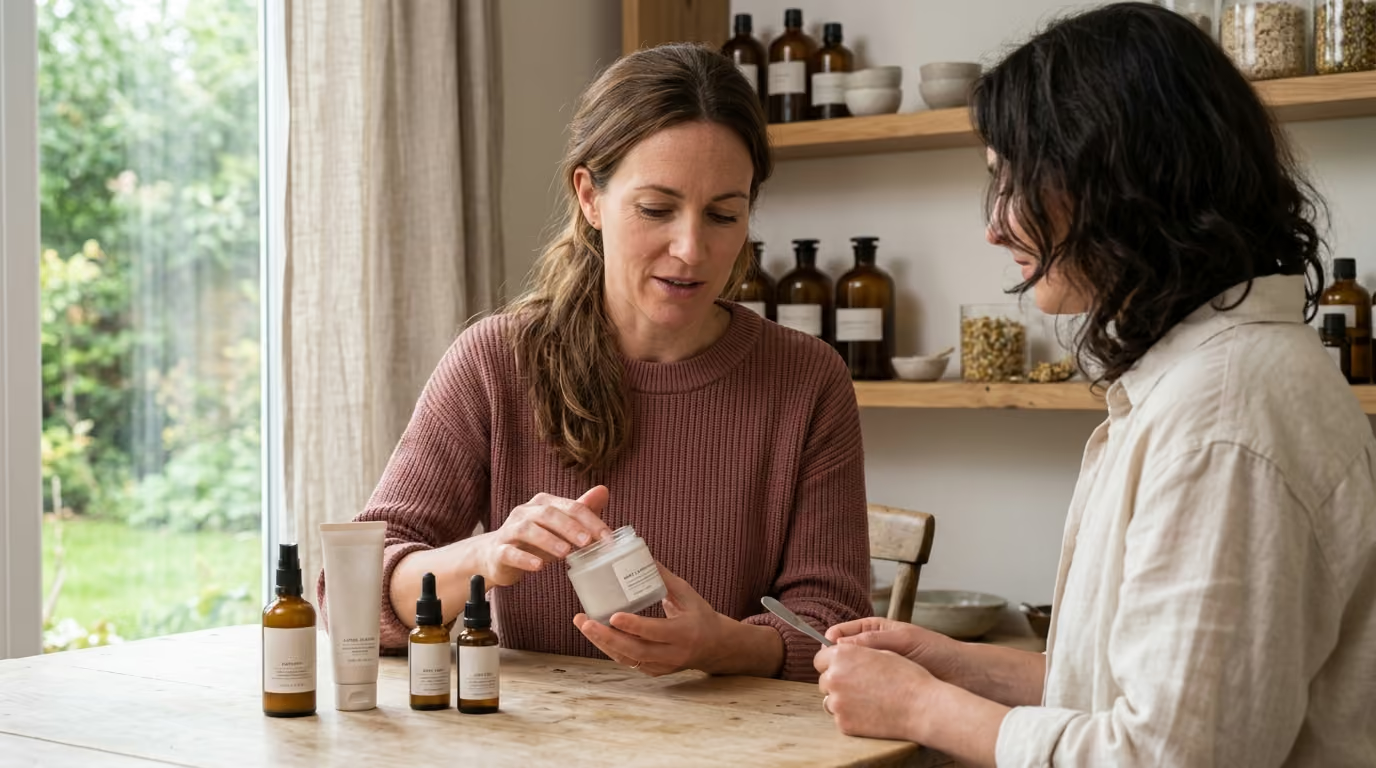

SPF 30 sunscreen and core barrier support form an evidence-based foundation integrating nutrition, sleep, and lifestyle habits for optimal skin health.





Most beauty advice operates on an assumption of addition. Consumers are routinely told that better skin requires adding more active ingredients, more specialized wellness routines, and more expensive treatments. Yet in clinical dermatology, multiplying interventions without a clear strategy often produces worse outcomes. When routines become too complex, rates of skin irritation rise and consistent daily compliance collapses.
True optimization is not about doing everything possible at once. It is an exercise in resource allocation, biological prioritization, and behavioral design. Building an evidence-based routine requires understanding which habits provide the largest measurable returns. It also requires the discipline to eliminate low-value steps that drain time, energy, and money.
This guide outlines a structured, sustainable framework for personal care. It integrates topical skincare, nutrition, physical activity, sleep, stress reduction, and professional interventions into a single coherent system. By focusing on scientific evidence, habit maintenance, and opportunity cost, you can build a personal routine that supports long-term skin health without overwhelming your daily life.
Creating an efficient routine starts with sorting proven interventions from speculative wellness trends. The scientific literature offers clear guidance on which lifestyle and topical habits genuinely alter skin biology.
The following foundational points summarize the current state of dermatologic and lifestyle research:
To understand why simple routines work, one must examine how the skin interacts with its environment. Skin is an active immunological and physical barrier. Its outermost layer, the stratum corneum, functions much like a brick wall. Corneocyte cells act as the bricks, while intercellular lipids made of ceramides, cholesterol, and fatty acids serve as the mortar.
When this lipid matrix is intact, it prevents excessive transepidermal water loss and blocks environmental pathogens. When external factors such as harsh detergents, dry air, or mental stress disrupt this matrix, the skin loses moisture rapidly. This breakdown triggers inflammatory signaling molecules known as cytokines. Over time, chronic low-grade inflammation degrades the structural proteins within the deeper dermis.
Below the epidermis lies the dermal extracellular matrix, which provides structural support, firmness, and resilience. This matrix is composed primarily of type I and type III collagen fibers, elastin, and glycosaminoglycans like hyaluronic acid. Fibroblast cells produce these matrix components. However, solar ultraviolet radiation directly accelerates their destruction.
Ultraviolet A radiation penetrates deep into the dermis, generating reactive oxygen species. These reactive molecules activate transcription factors like AP-1 and NF-kB, which upregulate enzymes called matrix metalloproteinases. These enzymes directly break down existing collagen and elastin fibers while inhibiting new collagen formation. Ultraviolet B radiation primarily damages epidermal keratinocyte DNA, leading to mutations and cellular senescence.
Systemic lifestyle factors influence these same biological pathways. Chronic psychological stress activates the hypothalamic-pituitary-adrenal axis, releasing systemic glucocorticoids such as cortisol. High cortisol levels impair the synthesis of epidermal lipids, delay wound healing, and degrade dermal collagen.
Similarly, sleep regulates the body's peripheral circadian clocks, which reside in keratinocytes and fibroblasts. During deep sleep, blood flow to the skin increases, cellular repair mechanisms peak, and oxidative damage is mitigated. A comprehensive understanding of skin longevity and structural health requires recognizing that topical products and internal recovery work through the exact same cellular pathways.
Scientific research yields clear insights into the relative value of individual beauty and wellness interventions. Examining clinical data allows us to separate statistically significant outcomes from marketing hyperbole.
Photoprotection remains the most rigorously proven intervention for preserving skin structure. The American Academy of Dermatology recommends daily use of a broad-spectrum, water-resistant sunscreen with an SPF of 30 or higher. SPF 30 filters approximately 97 percent of incoming UVB rays when applied at the standard density of two milligrams per square centimeter.
Clinical trials consistently demonstrate that daily sunscreen application prevents both actinic damage and photoaging changes over multi-year evaluation periods. Combining topical sunscreen with sun-protective clothing, wide-brimmed hats, and shade seeking reduces total UV exposure far more effectively than topicals alone.
Topical moisturizers provide similarly robust benefits. Research confirms that regular application of barrier-repair formulas reduces transepidermal water loss and improves skin hydration. In patients with compromised skin, consistent moisturization significantly reduces the frequency of inflammatory flare-ups. Formulations containing humectants like glycerin, along with physiological lipids like ceramides, rapidly restore epidermal barrier integrity.
Research examining the link between diet and skin demonstrates clear associations between dietary patterns and dermatologic outcomes. Large-scale nutritional reviews indicate that plant-predominant, antioxidant-rich eating patterns correlate with higher skin hydration and reduced tissue atrophy. These diets provide essential polyphenols, carotenoids, vitamins, and minerals that neutralize oxidative stress.
Conversely, diets high in refined sugars and excessive salt accelerate tissue damage. High glucose levels facilitate non-enzymatic glycation, where sugar molecules bind to collagen and elastin fibers. This process forms advanced glycation end-products that stiffen the extracellular matrix and make structural proteins resistant to normal enzymatic repair. While these systemic mechanisms are well documented, research does not support isolating single foods as standalone beauty treatments.
Physical activity improves systemic cardiovascular health, enhancing microvascular perfusion throughout dermal tissue. Studies indicate that regular moderate exercise helps regulate systemic inflammation, improves insulin sensitivity, and supports immune surveillance in the skin. Exercise also indirectly benefits the skin by improving overall sleep quality and reducing perceived stress.
Sleep deprivation directly harms skin recovery. Clinical investigations show that poor sleep quality correlates with higher transepidermal water loss, decreased barrier recovery following tape-stripping challenges, and lower satisfaction with appearance.
Psychological stress similarly disrupts barrier homeostasis. Studies measuring stratum corneum recovery show that acute mental stress significantly delays barrier repair. Stress impairs lamellar body secretion within keratinocytes, leaving the outer skin layer vulnerable to dehydration and environmental irritation.
When we first started reviewing clinical trials on collagen supplementation, I was struck by how often the media misinterpreted the data. A study showing a minor increase in skin elasticity was suddenly headlined as an absolute transformation. It made me realize how desperately consumers need a translator for beauty science, someone who can say exactly what a study proves and what it does not prove.
A comprehensive 2023 systematic review and meta-analysis evaluated 26 randomized controlled trials involving 1,721 participants. The researchers found that oral hydrolyzed collagen supplementation yielded statistically significant improvements in skin hydration and measured elasticity compared to placebo controls.
However, subsequent reviews have noted that clear evidence for visible wrinkle reduction or substantial increases in dermal density remains unproven once outlier studies are controlled. While collagen research reveals measurable physiological improvements, these changes are often subtle rather than dramatic.
A truly scientific perspective requires acknowledging what the current literature does not prove. While individual components of skin health have been studied extensively, critical research gaps remain.
First, there is no high-quality, randomized controlled trial testing a complete integrated beauty optimization program against a standard routine. Researchers have not tested a multi-arm protocol combining topical actives, structured exercise, specific dietary macros, sleep targets, and professional treatments over several years. The recommendations in any comprehensive playbook are assembled from adjacent findings in dermatology, nutrition, and behavioral science.
Second, many nutritional and lifestyle studies rely on observational designs or animal models. In vitro studies showing cellular benefits from specific botanical extracts or dietary compounds frequently fail to translate into meaningful clinical changes in humans. Furthermore, human dietary studies often rely on self-reported food diaries, which introduce recall bias and confounding variables.
Third, cosmetic dermatology trials frequently measure instrumental outcomes rather than validated clinical endpoints. An instrumental test might detect a statistically significant five percent improvement in corneal capacitance or skin elasticity.
However, an instrumental shift does not guarantee a visually noticeable difference in everyday lighting. Consumers should maintain realistic expectations regarding what lifestyle interventions and topical products can accomplish compared to clinical medical procedures.
The beauty industry frequently monetizes consumer anxiety by exaggerating biological mechanisms. Evaluating common marketing narratives against clinical facts helps prevent wasted financial and mental resources.
A sustainable optimization framework treats daily habits as an integrated system. Instead of adopting an aggressive routine that leads to burnout, you should introduce interventions in structured stages based on biological priority.
The first step focuses entirely on protecting the skin from major external damage and maintaining barrier integrity.
Once your topical foundation is consistent, identify and resolve the single lifestyle habit currently causing the greatest biological strain on your body.
With a stable foundation and healthy lifestyle baseline, you can add targeted evidence-based interventions to address specific personal goals.
Optimization requires regular evaluation and elimination. Every twelve weeks, review your overall routine and remove steps that do not provide clear value.
The greatest threat to any optimization protocol is non-adherence. A theoretically flawless routine provides zero biological benefit if it is too complex or costly to maintain over months and years.
Dermatology adherence studies show that treatment burden directly drives non-compliance. In topical therapy research, adherence rates frequently fall between 50 and 70 percent. The primary drivers of abandonment include complex application protocols, unpleasant cosmetic textures, skin irritation, and financial cost. A recent survey of over 1,100 dermatology patients revealed that financial constraints and high treatment costs were among the most common barriers to consistent care.
To maximize adherence, apply the core principles of behavioral psychology:
Epidermal turnover takes approximately 28 to 40 days in healthy adults, and this process slows down naturally with age. While simple hydration changes can improve skin texture within days, meaningful structural changes take time.
Topical retinoids and antioxidant serums typically require 8 to 12 weeks of consistent application to yield visible improvements. Collagen supplements and dietary shifts require two to three months of daily adherence before measurable changes in elasticity occur.
From a photoprotection standpoint, any broad-spectrum sunscreen rated SPF 30 or higher will protect your skin when applied correctly. Drugstore formulas undergo the exact same regulatory testing for UV filtration as luxury sunscreens.
The primary advantage of premium sunscreens is often cosmetic elegance, such as a lighter finish or better wear under makeup. The best sunscreen is simply the one you feel comfortable wearing every single morning without fail.
No dietary pattern can replace topical photoprotection. While dietary antioxidants help neutralize internal free radicals, they cannot prevent ultraviolet photons from directly damaging cellular DNA and breaking down dermal collagen.
Topical sunscreen creates a physical and chemical shield on the skin surface that nutrition cannot replicate. Nutrition and topical protection work through complementary mechanisms, and neither can replace the other.
Professional clinical treatments are appropriate when addressing conditions that topical self-care cannot resolve. These include deep acne scarring, severe hyperpigmentation, advanced photoaging, or active dermatologic diseases like rosacea and psoriasis.
In-office chemical peels, fractional lasers, and prescription medications operate at depths that over-the-counter products cannot safely reach. Always consult a board-certified dermatologist before investing in costly series of cosmetic treatments.
Optimizing your personal care routine does not require endless products, rigid protocols, or unsustainable lifestyle sacrifices. By approaching skin health as a resource-allocation problem, you can focus your energy on the small set of interventions that yield the greatest biological return.
Sustainable beauty longevity is ultimately achieved through steady daily habits, biological protection, and measured lifestyle choices that keep you looking and feeling well over a lifetime.
Stay connected for research and practical guidance on skin, hair, collagen, nutrition and beauty longevity. Clear ideas for people who want to understand how appearance changes with age and make better-informed choices over time.


Understand your skin, hair and body better without chasing every new trend, treatment or promise.
explore the Blog