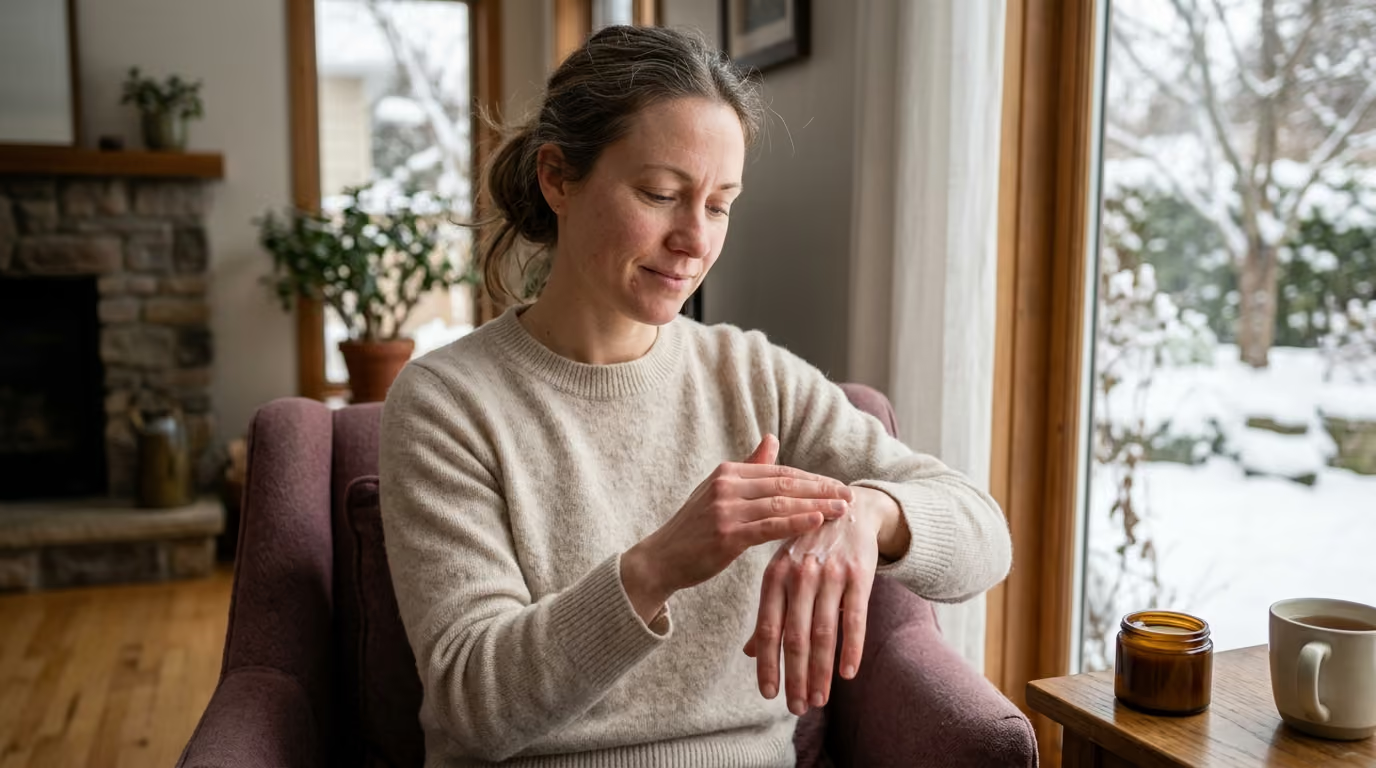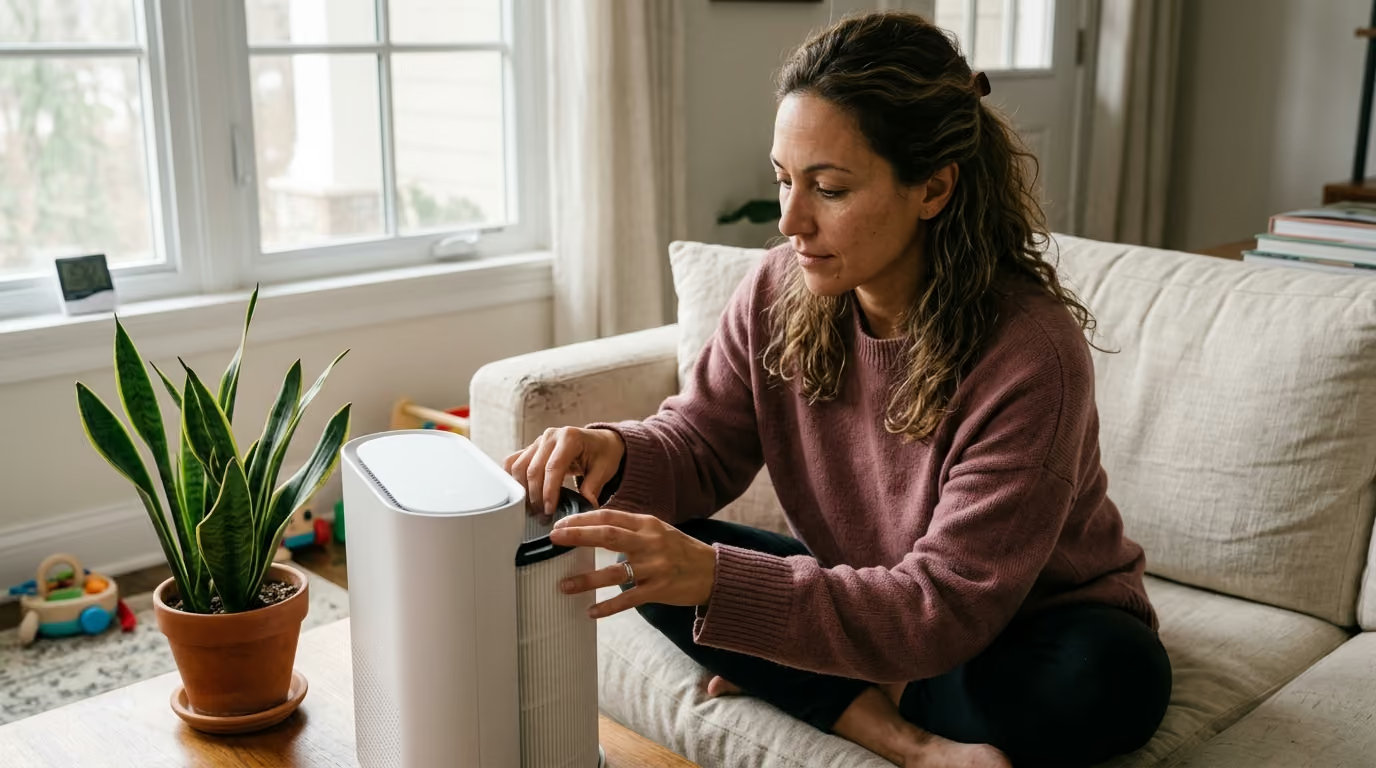

Healthier skin and reduced irritation result from improving indoor air quality through proper home ventilation, balanced humidity, and targeted filtration.





Most individuals invest significant effort in topical serums, cleansers, and moisturizers while completely ignoring the ten thousand liters of air their skin bathes in every single day. We routinely assume our homes serve as safe havens from outdoor environmental stressors. Yet scientific evaluations reveal that indoor air is frequently two to five times more polluted than the air right outside our front doors.
Because we spend nearly ninety percent of our lives indoors, the home environment represents our primary lifelong environmental exposure. Airborne fine particles, volatile organic compounds, variable humidity levels, and combustion byproducts interact continuously with the cutaneous surface. Understanding how your home environment impacts your skin barrier allows you to address the root environmental causes of irritation, dryness, and inflammatory flare-ups rather than relying solely on topical products.
Research from the Environmental Protection Agency and major architectural health institutions demonstrates that indoor air quality functions as an integrated whole-home exposure system. Pollutants are produced by internal sources, carried through rooms by air currents, modified by temperature and moisture, and either reduced or concentrated by building mechanical systems.
To understand how indoor air shapes skin health, one must examine the stratum corneum. This outer protective layer consists of lipid-rich membranes and tightly packed skin cells strengthened by a key protein called filaggrin. The stratum corneum maintains critical internal hydration and prevents external irritants from entering deeper tissue layers.
When indoor air carries high concentrations of fine particulate matter known as PM2.5, these tiny particles settle directly onto the skin surface. Studies show that fine particles can even penetrate deep into open hair follicles. Once situated on or within the barrier, fine particles generate reactive oxygen species. This localized oxidative stress degrades structural filaggrin proteins and disrupts essential lipid lipids.
As filaggrin breaks down, transepidermal water loss increases significantly. Transepidermal water loss is the clinical measurement of moisture escaping from internal tissue into the surrounding atmosphere. Elevated water loss leaves the skin dry, compromised, and highly sensitive. Laboratory models confirm that PM2.5 exposure increases inflammatory cytokines such as tumor necrosis factor alpha, directly accelerating barrier degradation.
Volatile organic compounds present a parallel biochemical challenge. These gaseous chemicals are off-gassed by paints, adhesives, synthetic carpeting, furniture, cleaning agents, and personal care products. Unlike solid particles, volatile organic compounds enter the skin layer through direct gas-phase absorption. Certain compounds alter lipid fluidity, making the protective outer wall more permeable to allergen penetration.
Relative humidity acts as the environmental catalyst for these biochemical interactions. When indoor relative humidity drops below thirty percent, the moisture gradient between deep skin tissue and ambient air steepens dramatically. Ambient air rapidly pulls moisture out of the outer skin layer. Conversely, when relative humidity exceeds sixty percent, moisture builds up on surfaces, encouraging the proliferation of fungal mold spores and dust mites. For those seeking comprehensive approaches to evidence-based skin health strategies, managing ambient moisture is a foundational step.
Combustion byproducts add another layer of direct cellular stress. Unvented gas appliances, wood stoves, fireplaces, and burning candles release nitrogen dioxide, carbon monoxide, and black carbon soot. Nitrogen dioxide reacts with skin moisture to produce acidic derivatives that alter the delicate acid mantle of the skin. This shift destabilizes the natural skin microbiome, permitting opportunistic micro-organisms to trigger inflammatory signaling.
A scientific review of indoor air data reveals clear relationships between controlled room conditions, skin barrier function, and physiological comfort. Researchers continuously study how thermal settings, ambient humidity, and pollutant loads alter objective skin measurements.
In a controlled study examining temperature and humidity variations, researchers tested adult subjects at temperatures between eighteen and twenty-six degrees Celsius with relative humidity levels ranging from seventeen to forty percent. The data demonstrated that raising relative humidity within this moderate range produced statistically significant reductions in skin dryness ratings, nasal mucosal dryness, and upper respiratory congestion. Subjects reported noticeable relief from tight, uncomfortable skin when relative humidity was restored to moderate baseline levels.
Clinical investigations into indoor fine particulate matter demonstrate a direct relationship with inflammatory skin conditions. In a study evaluating pediatric patients with atopic dermatitis, researchers measured daily indoor PM2.5 levels alongside clinical symptom scores. The data showed that a ten microgram per cubic meter increase in indoor PM2.5 concentration was associated with a 16.5% increase in dermatitis symptom severity during spring months, with a ninety-five percent confidence interval of 6.5% to 27.5%. A parallel winter analysis recorded a 12.6% increase in symptom severity under similar pollutant increases.
Ventilation studies focusing on bedroom environments provide compelling data regarding indirect skin recovery pathways. One notable study evaluated bedroom ventilation rates by tracking ambient carbon dioxide levels while subjects slept. Lower carbon dioxide concentrations, indicating fresh air exchange, correlated directly with improved subjective sleep quality and objective sleep efficiency measures. Because systemic skin repair, collagen production, and barrier recovery accelerate during deep sleep cycles, proper bedroom ventilation serves as an essential component of broader environmental aging strategies.
Experimental intervention trials on room humidification show measurable benefits alongside clear therapeutic limits. In controlled humidification trials, subjects operating room humidifiers experienced significantly lower overall skin dryness scores compared to unhumidified reference periods. However, broad systematic reviews, including a comprehensive Cochrane analysis on humidification and respiratory health, yield caution. The review noted low-certainty evidence for preventing common viral symptoms, recording an odds ratio of 0.66 with a ninety-five percent confidence interval of 0.33 to 1.32.
These clinical findings confirm that optimizing indoor air yield real physiological benefits. However, interventions must remain measured and targeted. Correcting extremely dry air reduces water loss, but excessive humidification introduces biological risks that offset potential skin benefits.
While the scientific literature linking air quality to skin condition is robust, consumer guides must remain transparent about research limitations. Overinterpreting preliminary data creates unrealistic expectations and leads to ineffective home modifications.
Many mechanistic studies evaluating fine particulate matter rely on organotypic human skin models or laboratory mice exposed to concentrated pollutant levels. These controlled exposures help scientists identify molecular pathways, such as filaggrin degradation and cytokine release. However, laboratory setups do not perfectly replicate daily human exposure, where individuals move between different environments, apply barrier creams, and experience fluctuating airflow.
Human epidemiological studies bring their own observational constraints. Associations between indoor PM2.5 levels and dermatitis flare-ups reflect real population trends, but correlation does not equal direct causation. Individual outcomes are heavily influenced by genetics, daily stress levels, dietary habits, topical product choices, and seasonal weather changes. A specific pollutant increase might trigger a severe skin reaction in an individual with genetic filaggrin deficiency while causing no visible change in someone with a resilient skin barrier.
Cohort selection represents another critical limitation. Much of the clinical data regarding indoor air pollution and skin inflammation centers on pediatric populations with pre-existing atopic conditions. Translating findings from young children with compromised skin barriers directly to healthy middle-aged adults requires care. While adults benefit significantly from reduced pollutant exposure, their baseline skin thickness and immune responses differ from pediatric subjects.
Finally, consumer monitoring technologies present diagnostic gaps. Popular home air quality monitors measure total particulate mass or estimated carbon dioxide, but they cannot identify specific chemical species, mold spore counts, or dangerous odorless gases like radon and carbon monoxide. Relying entirely on a simple consumer sensor can offer a false sense of security, ignoring underlying chemical or moisture issues that affect long-term health.
To make meaningful improvements to your indoor living space, adopt the classic environmental health framework: Source, Pathway, and Receptor. Every air quality issue can be systematically diagnosed by analyzing these three connected variables.
The source is the material or activity producing the contaminant, such as a gas cooktop, an off-gassing couch, or a damp basement floor. The pathway is the mechanism by which the pollutant travels through the home, including mechanical ductwork, natural air currents, or surface deposition on bedding. The receptor is the occupant whose skin, lungs, and immune system absorb the exposure.
To address environmental risks effectively, implement the Environmental Protection Agency's intervention hierarchy, arranged here from highest structural priority to personal comfort optimization:
Address active combustion hazards, carbon monoxide risks, unvented fuel appliances, active plumbing leaks, and structural mold growth immediately. These high-consequence hazards release heavy pollutant loads that easily bypass skin defenses and compromise systemic health.
Maintain ambient relative humidity between thirty percent and fifty percent throughout the year. Use dedicated dehumidifiers in damp basements and operate local exhaust fans to remove steam during showering or cooking.
Ensure continuous or scheduled fresh air exchange aligned with ASHRAE Standard 62.2 guidelines. Use outdoor-vented exhaust fans in high-emission zones and open windows when outdoor air quality permits.
Install high-efficiency media filters in central HVAC systems or operate standalone air cleaners equipped with HEPA filtration. Match the unit's Clean Air Delivery Rate (CADR) to the specific room volume.
Implement regular cleaning routines using HEPA-filtered vacuums and damp microfiber cloths. Wash bedding regularly in hot water to minimize dust mite accumulation and reduce resuspended particulate matter.
After addressing environmental sources and air pathways, tailor your topical routines. Use barrier-supporting moisturizers rich in ceramics and fatty acids to lock in moisture, and adjust product richness based on seasonal humidity shifts.
When sizing portable air cleaners under Tier 4, matching unit capacity to room floor area is essential. The Environmental Protection Agency provides clear minimum Clean Air Delivery Rate guidelines for effective particle removal:
Optimizing your home requires targeted room-by-room interventions. Each living zone presents unique moisture profiles, occupant behaviors, and pollutant sources.
During our extensive research into environmental aging, we tested how various lifestyle factors impact skin barrier recovery. It was fascinating to see the data clearly show that simple habits like sleep and basic hydration often outperform the most expensive topical treatments. This reinforced our commitment to emphasizing foundational health over product hype, particularly when configuring daily living spaces for optimal recovery.
Cooking generates significant amounts of fine particulate matter, airborne grease droplets, and combustion gases. High-temperature frying, searing, and gas burner operation release fine particles that settle directly onto facial skin, clogging pores and causing oxidative stress.
Always run a kitchen range hood that exhausts entirely outdoors whenever cooking. Recirculating range hoods pass air through basic grease filters, returning fine particles and invisible gases right back into your living space. Keep pots covered to limit humidity spikes, and allow the exhaust fan to run for ten minutes after cooking ends to clear residual airborne particles.
Occupants spend a third of their lives inside the bedroom, making it the highest-priority zone for supporting long-term skin longevity. Sleeping in an unventilated room allows carbon dioxide and moisture from breath to build up, degrading sleep quality and impairing overnight cellular repair.
Keep bedroom doors slightly open or ensure mechanical ventilation systems supply steady fresh air. Position a correctly sized portable HEPA air cleaner away from corners to maintain active air circulation. Keep pets out of the sleeping zone if you experience sensitive skin or allergies, and wash pillowcases weekly in unfragranced detergent at high temperatures to eliminate dust mite allergens.
Bathrooms experience severe daily humidity spikes that promote fungal growth and mold spore production. Damp drywall and silicone sealant joints can become hidden reservoirs for mold, releasing airborne allergens that cause skin redness and eyelids irritation.
Run an outdoor-vented exhaust fan during every bath or shower, and leave it running for twenty minutes afterward. Wipe down wet shower walls with a squeegee to remove standing water. If window sill condensation appears during cold weather, dry it immediately to prevent localized mold colonies from forming.
Clothes dryers must vent directly outdoors to prevent massive moisture and lint releases inside the home. Utility rooms housing gas furnaces or water heaters should be inspected annually by qualified technicians to ensure flue pipes are completely sealed and exhaust gases vent safely outside.
Avoid heavily fragranced laundry detergents, fabric softeners, and dryer sheets. Scented laundry products leave synthetic fragrance residues on clothes and bedding that continuously transfer to skin, while off-gassing volatile organic chemicals directly into closet and bedroom air.
To apply these strategies effectively, consider these five distinct environmental case patterns commonly observed in residential environments:
Navigating home environmental advice requires separating clever marketing claims from validated environmental science. Many popular indoor air solutions fail to deliver meaningful health benefits.
Track your skin symptoms across different environments over several weeks. If your skin consistently feels tight, itchy, or irritated while inside your home during winter, but improves when visiting humid locations or spending time in well-ventilated spaces, air quality is likely a primary factor. Furthermore, if skin dryness occurs alongside dry eyes, throat tickles, or morning nasal congestion, environmental humidity and air filtration should be investigated alongside your skincare routine.
Consumer air quality monitors provide valuable real-time trends for relative humidity, temperature, total volatile organic compounds, and PM2.5. They excel at alerting you to pollution spikes during cooking, vacuuming, or high outdoor smoke events. However, they are not calibrated laboratory instruments and cannot detect specific dangerous chemicals, mold species, or carbon monoxide. Use them as diagnostic indicators rather than absolute safety tools.
Modern energy-efficient homes are tightly sealed to prevent heat loss, but without mechanical fresh air systems, this seal traps moisture, carbon dioxide, and internal pollutants. The gold standard balance is achieved by combining a tight building envelope with a continuous mechanical ventilation system, such as a Heat Recovery Ventilator (HRV) or Energy Recovery Ventilator (ERV). These systems exhaust stale indoor air while bringing in filtered outdoor air, recovering thermal energy in the process.
No. Portable air purifiers equipped with HEPA filters clear solid particles like dust, smoke, and dander, but they do not replace oxygen or remove accumulated carbon dioxide and gaseous chemical compounds. Windows should be opened periodically when outdoor air quality is good to flush out trapped gases. During periods of severe outdoor pollution, such as wildfire events, keep windows closed and rely entirely on air purifiers and central filtration.
Standard one-inch furnace filters should be inspected monthly and replaced every one to three months, while high-efficiency four-inch media filters last six to twelve months depending on household dust levels. Portable HEPA air cleaner filters typically require annual replacement, with pre-filters washed every month. Portable humidifiers require strict hygiene: drain and refill water daily, rinse reservoirs with white vinegar weekly, and disinfect routinely to prevent bacteria and mold from being sprayed into room air. Exploring emerging beauty science research highlights how environmental hygiene plays a foundational role in maintaining skin wellness.
Yes. The scalp is an extension of facial skin and possesses a high concentration of hair follicles and sebaceous glands. Airborne particulate matter and soot deposit onto the scalp, causing oxidative stress that disrupts the scalp microbiome, clogs follicular openings, and triggers localized itching or flaking. Maintaining clean indoor air while supporting the structural integrity of the skin protects the foundational scalp environment necessary for hair comfort and growth.
Optimizing your home environment provides a continuous, foundational defense for your skin barrier, reducing systemic inflammatory stress and maximizing the effectiveness of your daily wellness routine.
Stay connected for research and practical guidance on skin, hair, collagen, nutrition and beauty longevity. Clear ideas for people who want to understand how appearance changes with age and make better-informed choices over time.


Understand your skin, hair and body better without chasing every new trend, treatment or promise.
explore the Blog