
Household chemicals affect physiological barriers and long-term vitality, making targeted exposure reduction, safer application methods.





Many people search online for how to detox their living space, wondering if everyday household cleaners are quietly harming their long-term health. The internet often responds with extreme advice. You are told either to throw out every conventional product or to ignore environmental chemicals entirely.
This guide provides a definitive, science-based framework for navigating household chemicals. By understanding how dose, route of contact, and biological vulnerability interact, you can make calm choices that protect your health without unnecessary stress.
Understanding how household compounds interact with human physiology requires looking at our primary barrier tissues. The human body interfaces with the indoor environment through three main systems: the respiratory epithelium, the gastrointestinal tract, and the cutaneous barrier. Each tissue possesses distinct structural defenses and absorption dynamics that dictate how chemicals enter and circulate.
The respiratory system is the most direct conduit for volatile organic compounds and fine aerosols. When you spray a cleaning solution into the air, tiny droplets and evaporated gases enter the nasal passages, trachea, and alveoli. The alveolar membrane is remarkably thin, measuring less than one micrometer across, to facilitate rapid gas exchange with capillary blood. This delicate architecture means airborne irritants can quickly enter circulation or trigger localized inflammation in lung tissue. When volatile solvents or strong oxidizers contact this membrane, they can prompt alveolar macrophages to release inflammatory cytokines.
The skin operates through a contrasting physical design. The outermost layer, known as the stratum corneum, consists of flattened corneocytes surrounded by a dense lipid matrix of ceramides, cholesterol, and fatty acids. This barrier prevents water loss while blocking foreign substances. Lipid-soluble molecules can penetrate this barrier more easily than water-soluble compounds, particularly when skin hydration or lipid balance is compromised. Frequent washing or exposure to harsh surfactants can strip these intercellular lipids, weakening the barrier and increasing susceptibility to irritation. For readers examining environmental impacts on skin longevity, maintaining an intact cutaneous barrier remains a primary defense against external chemicals.
Once absorbed, environmental chemicals undergo biotransformation primarily in the liver and secondarily in the kidneys and lungs. Phase I enzymes, such as cytochrome P450 proteins, chemically modify these compounds through oxidation, reduction, or hydrolysis. Phase II enzymes then conjugate the metabolites with endogenous molecules like glutathione or sulfate to render them water-soluble for renal or biliary excretion. If an absorbed dose exceeds the rate of metabolic clearance, reactive intermediates can generate cellular oxidative stress. This oxidative stress can damage mitochondrial membranes, disrupt cellular signaling, and impair long-term cellular maintenance.
Hormone-sensitive pathways represent another biological consideration. Certain synthetic chemicals can interact with nuclear hormone receptors, including estrogen, androgen, and thyroid receptors. These substances, known as endocrine-active compounds, may mimic endogenous hormones or block natural receptor binding at specific physiological windows. Because hormone receptors function through high-affinity binding, biological responses can occur at low concentrations. The body maintains homeostatic feedback loops, but chronic disruption can influence metabolic health, reproductive tissues, and systemic aging trajectories.
Public health organizations have systematically measured the presence and concentration of chemical compounds in indoor environments. The United States Environmental Protection Agency reports that levels of many airborne pollutants can be two to five times higher indoors than outdoors. For virtually all volatile organic compounds, indoor levels consistently exceed exterior measurements. In newly constructed or heavily renovated homes, indoor volatile compound levels can briefly reach up to one hundred times outdoor background levels.
These elevated indoor measurements stem from the combined emissions of paints, adhesives, building materials, personal care products, and routine cleaning agents. A study summarized in the EPA HERO database evaluated daily human intake of airborne organic compounds from cleaning items and air fresheners. The researchers estimated an average inhalation intake of approximately ten milligrams per person each day in domestic settings. Another technical review found that common cleaning emissions, such as 2-butoxyethanol and secondary organic aerosols, generally remain below established occupational exposure guidelines during typical use. However, when large surface areas are cleaned in small, unventilated rooms, concentrations can temporarily exceed recommended safety thresholds.
Acute exposure data highlights the immediate risks associated with concentrated chemical products. The National Poison Data System recorded over two million human exposure cases in 2024. Household cleaning substances accounted for 6.94 percent of all reported exposures across the total population. Among children aged five years or younger, household cleaning agents were the leading substance category, representing 9.96 percent of all pediatric incidents. In early 2020, public health agencies documented a sharp rise in domestic exposure calls involving disinfectants and bleach, driven by excessive use and improper mixing in poorly ventilated spaces.
Respiratory health research provides clear evidence regarding the physiological impact of cleaning aerosols. Systematic reviews in pulmonary medicine indicate that professional cleaners face higher rates of adult-onset asthma and chronic airway hyperreactivity. Epidemiological research links repeated exposure to aerosolized irritants, such as quaternary ammonium compounds and bleach vapors, with accelerated declines in forced expiratory volume over multi-year observation periods. In home settings, the routine use of fragranced sprays and cleaning aerosols correlates with increased symptom frequency in individuals with pre-existing airway sensitivity.
Epidemiological investigations into long-term pesticide exposure reveal distinct statistical signals. A 2016 systematic review and meta-analysis identified a positive correlation between broad pesticide exposure and the risk of Alzheimer's disease, calculating a pooled odds ratio of 1.34 with a 95 percent confidence interval between 1.08 and 1.67. Similarly, a prospective cohort study examining older adults noted an adjusted hazard ratio of 1.40 for cardiovascular disease mortality among individuals reporting regular residential pesticide application. These numbers underscore the value of minimizing routine, broad-spectrum chemical treatments in living areas.
Interpreting environmental health literature requires a careful understanding of study designs and their inherent limitations. A major challenge in human environmental research is exposure misclassification. In large cohort studies, chemical exposure is frequently assessed using self-reported questionnaires or memory recall. Participants may struggle to accurately estimate how often, how long, or in what concentrations they used specific products over preceding decades.
Biomonitoring studies present a separate interpretive complexity. Modern analytical chemistry can detect chemical metabolites in urine or blood at parts-per-billion or parts-per-trillion concentrations. The presence of an internal chemical residue proves that an exposure occurred, but it does not establish that the detected concentration causes cellular harm. Many synthetic compounds, including contemporary pyrethroid insecticides and non-persistent fragrance components, have short biological half-lives. They are rapidly metabolized and excreted within hours or days, meaning a single spot urine sample may reflect yesterday's lunch rather than chronic exposure.
Observational studies are also subject to confounding by socioeconomic and lifestyle variables. Housing quality, proximity to major roadways, occupational history, dietary patterns, and ventilation infrastructure often correlate with both chemical exposure and chronic disease risks. For instance, the observed association between household pesticide use and cardiovascular mortality in older adults must be evaluated with care. The lower bound of the 95 percent confidence interval in that study touched 1.00, indicating that while a statistical signal exists, unmeasured confounding variables could influence the relationship.
Research investigating biological aging markers highlights the current lack of scientific consensus. A comprehensive systematic review and meta-analysis evaluated whether pesticide exposure was linked to accelerated biological aging measured by DNA methylation clocks or leukocyte telomere length. The researchers found no statistically significant association across the pooled data. While the authors noted that biological trends warrant continued investigation, existing data does not support the claim that ordinary household chemical use systematically shortens telomeres or advances epigenetic aging algorithms.
Finally, mechanistic cell studies cannot be directly extrapolated to human risk without accounting for dose and delivery. Exposing isolated human cells in a petri dish to high concentrations of a solvent demonstrates intrinsic hazard. However, it does not replicate the complex protective systems of living humans, including mucus barriers, intact skin, enzymatic breakdown, and renal excretion. Distinguishing between a laboratory hazard and actual human risk under real-world conditions is essential for balanced decision-making.
Evaluating household risk requires categorizing products by their chemical properties, volatility, and application methods. Lumping all domestic products into a single category obscures meaningful differences in exposure potential.
Surface cleaners represent the most frequently used category in modern households. These formulations typically contain surfactants, chelating agents, builders, and mild solvents designed to lift organic matter and minerals from surfaces. The primary health consideration for everyday cleaners is localized skin irritation and the release of volatile additives. Highly alkaline products, such as commercial oven cleaners, or strongly acidic formulations, such as lime descalers, present direct corrosive hazards to eyes and skin if handled carelessly. However, standard neutral dish detergents and multi-surface sprays carry low systemic absorption risks when used as directed.
Disinfectants and sanitizers serve a distinctly different purpose than routine cleaners. Cleaning physically removes soil and microorganisms from a surface, whereas disinfecting uses active antimicrobial agents to destroy target pathogens. Common domestic disinfectants rely on sodium hypochlorite (bleach), quaternary ammonium compounds, hydrogen peroxide, or alcohol. Public health guidelines emphasize that disinfectants require a specific wet contact time, often ranging from one to ten minutes, to achieve their stated efficacy. Applying disinfectants excessively on clean surfaces without infectious indications increases vapor inhalation without providing meaningful hygiene benefits.
Fragranced items and air fresheners contribute disproportionately to indoor volatile organic compound levels. Scented products, including aerosol sprays, plug-in diffusers, and scented candles, emit complex mixtures of volatile terpenes, synthetic musks, and aldehydes. A research review evaluating twenty-five fragranced consumer products identified an average of seventeen volatile organic compounds per product, with many individual constituents omitted from product labels. When these volatile terpenes react with ambient indoor ozone, they can generate secondary air pollutants like formaldehyde and ultrafine particles. For health-conscious adults exploring practical lifestyle optimization, eliminating synthetic air fresheners is an effortless way to reduce continuous indoor pollutant inhalation.
Residential pesticides encompass indoor insect sprays, rodenticides, lawn herbicides, and professional structural treatments. These compounds are engineered to target biological processes, such as neurotransmitter breakdown or chitin synthesis, in unwanted organisms. Indoor aerosol fogging and perimeter spraying create potential long-term exposure reservoirs because non-volatile pesticide residues can settle into carpet fibers, upholstery, and household dust. In contrast, solid bait stations and physical exclusion strategies manage pest populations without dispersing chemical particles into the ambient breathing zone.
Specialty solvents, adhesives, and renovation materials carry higher exposure potentials than standard maintenance products. Mineral spirits, paint strippers, epoxy resins, and solvent-based varnishes release concentrated volatile hydrocarbons, such as toluene, xylene, and acetone. These chemicals are rapidly absorbed through the pulmonary vasculature and can produce acute central nervous system effects, including dizziness, headaches, and lightheadedness. Because these compounds are frequently used in enclosed garages, basements, or workshops, adequate airflow is essential.
The physiological consequences of chemical exposure are not uniform across the population. Individual susceptibility changes across the life course, shaped by developmental stage, baseline organ reserve, pre-existing medical conditions, and cumulative health behaviors.
Early childhood represents a critical window of vulnerability to environmental exposures. Children possess higher respiration and metabolic rates relative to their body weight compared to adults, meaning they inhale greater volumes of air per kilogram of mass. Their behavioral patterns, including crawling on carpets and frequent hand-to-mouth exploration, increase their contact with settled chemical residues and household dust. Furthermore, during early development, the central nervous, immune, and endocrine systems are undergoing rapid maturation, making cellular processes sensitive to disruption by synthetic compounds.
Healthy adults generally possess considerable biological resilience against low-dose, intermittent environmental challenges. An intact stratum corneum, efficient pulmonary ciliary clearance, and robust hepatic enzyme systems effectively process everyday chemical exposures. However, occupational cleaners or individuals who clean several hours daily face cumulative exposure loads that can test these clearance mechanisms. In these scenarios, repetitive contact with aerosolized surfactants and fragrances can gradually overwhelm mucosal defenses, leading to acquired airway hyperreactivity or allergic contact dermatitis.
Aging introduces distinct physiological alterations that can narrow the body's resilience reserve. Renal clearance, measured by glomerular filtration rate, naturally declines with age, which can prolong the biological half-life of absorbed chemical metabolites. The skin undergoes structural changes, characterized by a thinning epidermis, reduced ceramide synthesis, and decreased sebaceous gland activity. These cutaneous changes weaken barrier defenses, making older skin more susceptible to chemical irritants and water loss. Readers following skin barrier preservation strategies benefit from avoiding harsh cleaning agents that deplete surface lipids.
Pre-existing chronic disease significantly alters individual vulnerability thresholds. Adults with chronic obstructive pulmonary disease, asthma, or coronary artery disease experience physiological stress at much lower concentrations of airborne oxidizers and fine particulates. When an individual with reactive airways inhales concentrated cleaning fumes, the resulting bronchial constriction can trigger immediate hypoxemia and respiratory distress. Additionally, individuals experiencing cognitive decline face higher risks of accidental misuse, such as combining incompatible cleaning products or misidentifying storage containers.
A proportionate, science-based approach to household chemicals prioritizes high-impact interventions over cosmetic product substitutions. Rather than pursuing absolute chemical avoidance, you can apply the principle of minimum effective exposure. This approach matches the intensity of the cleaning method directly to the hygiene task at hand.
The method used to apply a cleaning agent is often more important for your health than the specific liquid in the bottle. Liquid cleaners poured directly onto a microfiber cloth produce minimal airborne mist, drastically reducing respiratory exposure. In contrast, trigger-spray nozzles and pressurized aerosol cans shatter liquid solutions into inhalable droplets that stay suspended in the indoor air.
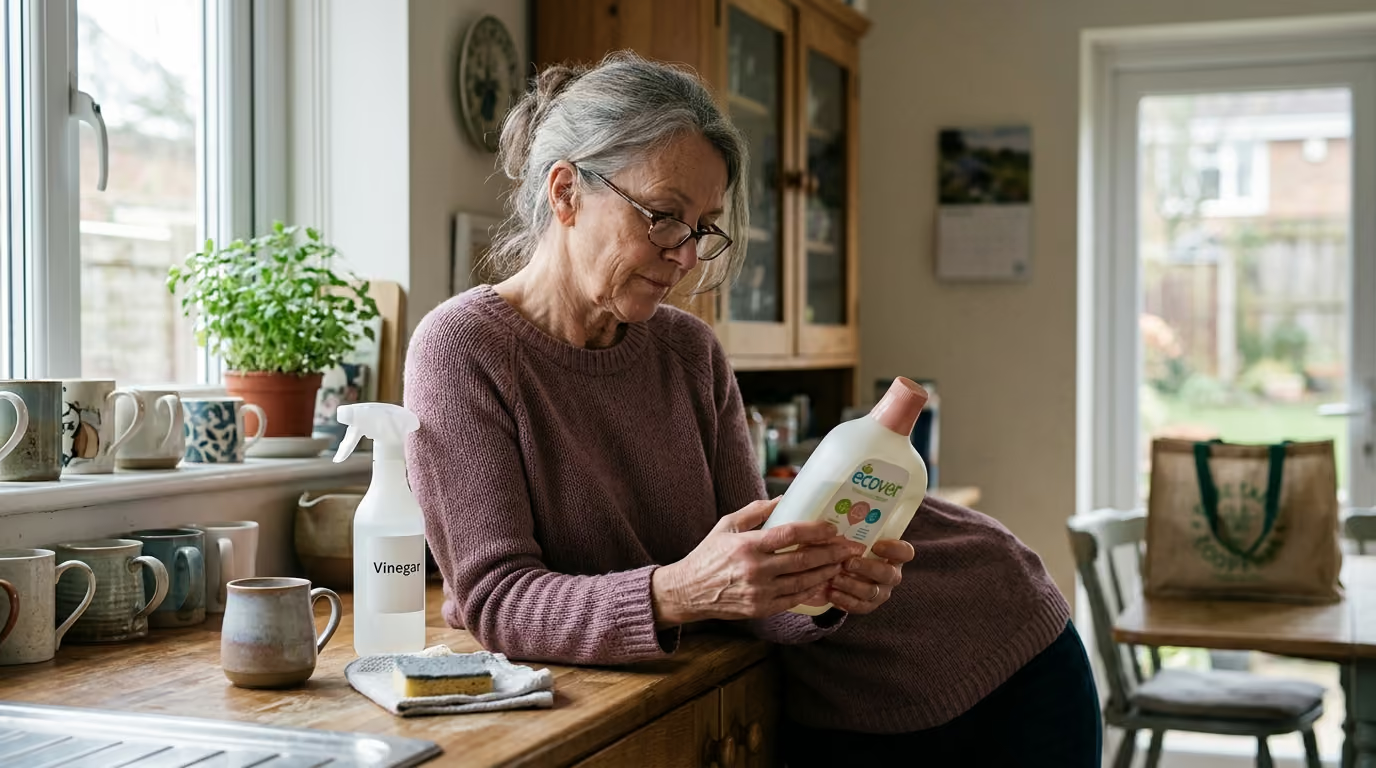
Sodium hypochlorite bleach remains an effective, economical disinfectant when handled correctly, but it presents serious chemical safety risks if mismanaged. Bleach is an alkaline oxidizer that reacts violently with acidic or ammoniated substances. When sodium hypochlorite combines with acids, such as certain toilet bowl descalers or vinegar, it instantly releases toxic chlorine gas. When mixed with ammonia, it produces chloramine vapors that cause severe chemical pneumonitis and acute airway damage.
Controlling household pests requires balancing the health risks of pest infestations against the chemical footprint of broad-spectrum insecticides. Cockroaches, rodents, and dust mites produce potent protein allergens that trigger severe asthma attacks and chronic allergic rhinitis. However, broadcast indoor spraying of pyrethroids or organophosphates creates persistent surface residues that increase human exposure through inhalation and hand contact.
Integrated pest management offers an effective, low-exposure alternative. Start by sealing exterior entry cracks with silicone caulk, installing door sweeps, and repairing leaking plumbing fixtures to eliminate water sources. Store pantry grains and pet food in airtight glass or thick plastic containers to prevent pest foraging. When pest activity requires intervention, deploy enclosed, tamper-resistant gel baits or solid bait stations rather than aerosol foggers. Enclosed baits deliver the active insecticide directly to the target pest while keeping chemical compounds away from household surfaces, children, and pets.
For readers seeking further context on managing environmental influences, our collection of comprehensive longevity resources outlines actionable approaches across multiple domains of everyday health.
Modern marketing surrounding household items often relies on simplified claims that can lead to confusion. Examining these common ideas against established toxicological principles helps readers make grounded, informed choices.
Marketing campaigns frequently advertise products as "chemical-free" to suggest absolute safety. In physical reality, every material substance in the universe, including pure spring water, ambient oxygen, sodium bicarbonate, and acetic acid, is composed entirely of chemical molecules. Classifying products into artificial buckets of "chemicals" versus "non-chemicals" is scientifically meaningless. A rational approach evaluates the specific molecular identity, concentration, intended route of contact, and empirical safety profile of each ingredient.
Many consumers assume that plant-derived, essential-oil-based cleaners are inherently safer than synthetic formulations. While plant extracts can be effective cleaners, botanical compounds possess complex chemical profiles that can cause real biological effects. Natural essential oils, such as d-limonene from citrus peels or pinene from pine needles, are potent volatile organic compounds that readily oxidize upon contact with indoor air. These oxidized terpenes are recognized skin sensitizers that frequently trigger allergic contact dermatitis and mucosal airway irritation in sensitive individuals. Natural origin does not equal biological neutrality.
A widespread assumption is that a strong odor always signals dangerous toxicity, while an absence of smell guarantees safety. Odor perception is simply the activation of olfactory receptors by volatile molecules, which depends heavily on an individual chemical's unique odor detection threshold. Certain hazardous compounds, including carbon monoxide and radon, are completely odorless, whereas harmless cooking aromas can be smelled at minute concentrations. While an overwhelming solvent smell indicates poor ventilation that must be corrected, the presence of an odor alone does not establish toxicological harm.
Many people believe that using more disinfectant creates a cleaner, healthier living space. However, chemical disinfection is governed by strict concentration and contact dynamics. Pouring excess concentrated disinfectant onto a surface or wiping it before the required dwell time does not improve microbial control. Instead, it leaves chemical residues, increases airborne fumes, and wastes product. Routine soil removal with a microfiber cloth and standard detergent is sufficient for most residential surfaces, reserving registered disinfectants for specific high-risk tasks.
Natural essential oils contain volatile organic compounds such as limonene, pinene, and linalool that evaporate easily into indoor air. In poorly ventilated rooms, these botanical compounds can react with trace amounts of indoor ozone to produce secondary air pollutants, including microscopic formaldehyde and ultrafine aerosols. For individuals with asthma, reactive airways, or migraine disorders, these airborne particles can trigger airway irritation or headaches just as synthetic scents do. If someone in your home has respiratory sensitivities or allergies, choosing certified fragrance-free products is the most reliable approach.
Managing indoor mold safely requires addressing the underlying moisture source while minimizing your inhalation of both fungal spores and harsh chemical vapors. Small surface mold patches on non-porous materials can be cleaned using a simple detergent solution or a diluted hydrogen peroxide mixture, which breaks down into water and oxygen without releasing volatile chlorine fumes. Always wear an N95 respirator and rubber gloves to protect your lungs and skin from aerosolized mold spores during cleaning. If mold covers an area greater than ten square feet, professional remediation is recommended to ensure safe containment.
For the general population with an intact skin barrier, trace laundry detergent residues on fabrics do not present a systemic health hazard. However, residual synthetic fragrances, optical brighteners, and preservative systems can trigger localized irritant or allergic contact dermatitis in individuals with eczema or sensitive skin. You can reduce fabric residues by using the correct amount of detergent for your load size, avoiding overfilling the washing machine, and using an extra rinse cycle. Switching to a liquid, fragrance-free, dye-free detergent eliminates the most common cutaneous sensitizers without sacrificing cleaning performance.
Rather than relying on vague marketing terms like "green" or "eco-friendly," look for third-party certifications with clear, transparent testing criteria. The EPA Safer Choice label requires every ingredient in a product, from surfactants to solvents, to meet stringent toxicological standards for human health and environmental safety. Products with the EPA Fragrance-Free badge undergo additional verification to confirm they contain no added scents or masking agents. Independent certifications like Green Seal and UL Ecologo also provide reliable verification of reduced human toxicity and environmental impact.
Wearing reusable unlined nitrile or rubber gloves during prolonged wet cleaning tasks protects your skin barrier. Continuous exposure to hot water and grease-cutting surfactants strips natural lipids from the stratum corneum, causing barrier disruption, increased transepidermal water loss, and irritant contact dermatitis. While brief handwashing with mild soap does not require protection, wearing gloves during extended cleaning preserves epidermal lipid balance and prevents minor chemical irritation.
Applying an evidence-based approach to household chemicals does not require throwing away every product in your home at once. Focus on simple, high-impact changes that reduce unnecessary inhalation and skin exposure while keeping your home clean and functional.
Stay connected for research and practical guidance on skin, hair, collagen, nutrition and beauty longevity. Clear ideas for people who want to understand how appearance changes with age and make better-informed choices over time.


Understand your skin, hair and body better without chasing every new trend, treatment or promise.
explore the Blog