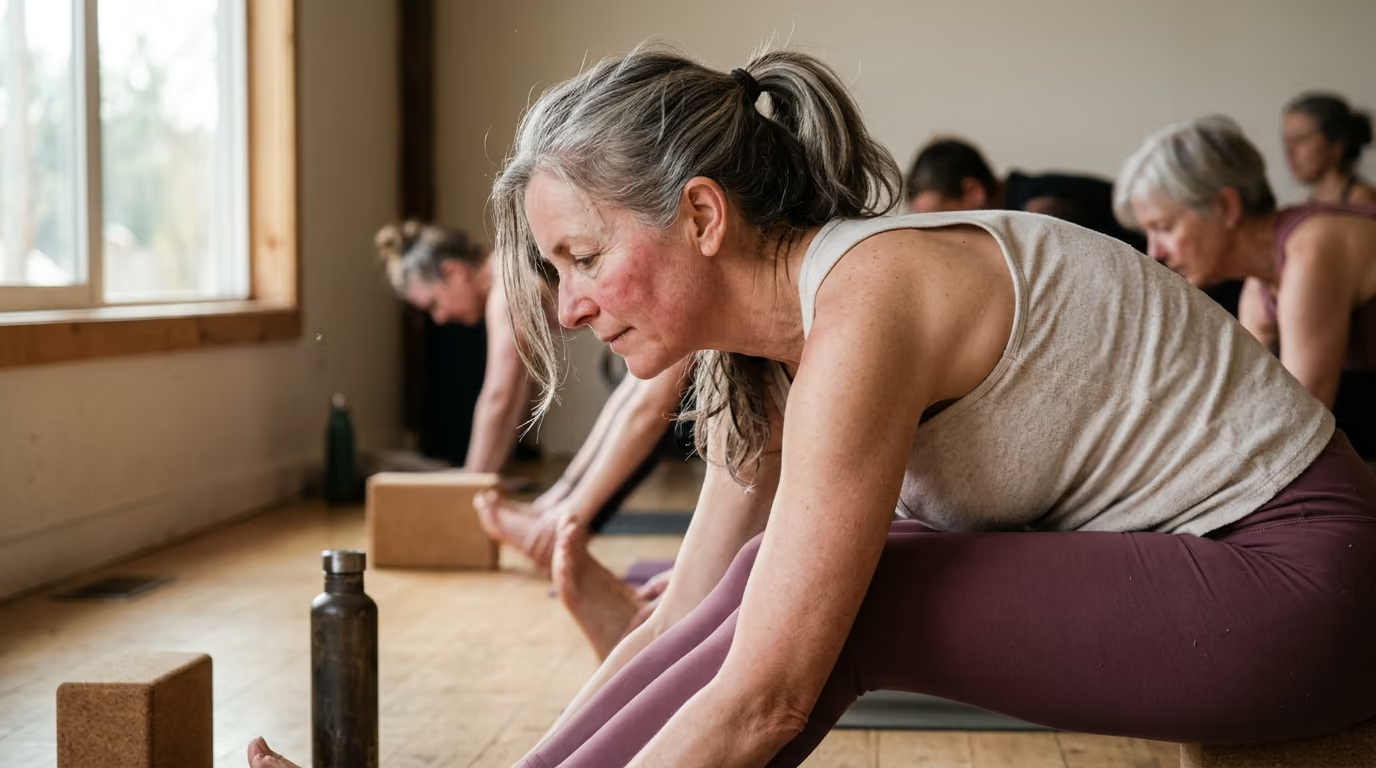

Physical training goes beyond temporary aesthetic flushes by strengthening microvascular circulation, muscle metabolism, and connective tissues to enhance.





You finish a brisk workout, step in front of the bathroom mirror, and notice flushed cheeks alongside a temporary post-exercise glow. It is tempting to wonder how much of that immediate flush translates to long-term skin health, fuller hair, and structural resilience. The fitness world often promises that sweating purifies the complexion, while beauty marketing frequently claims that specific movements can reverse tissue decline.
The physiological reality is more grounded and far more interesting. Physical activity is not a topical cosmetic serum or a targeted facial treatment. Instead, exercise serves as a whole-body stimulus that modifies the internal physiological systems supporting visible tissues.
Viewing physical training through the lens of beauty science and advanced optimization shifts the focus from chasing quick aesthetic fixes to building lasting functional capacity. Muscle mass, microvascular circulation, insulin sensitivity, bone density, and connective tissue remodeling work together to support your physical structure over time.
Understanding how movement influences these biological pathways allows you to design a routine that supports physical vitality and tissue health across every decade.
Scientific investigations into physical activity and healthy aging demonstrate clear, measurable benefits for systemic health, alongside emerging insights into cutaneous biology.
The skin is the largest organ in the human body, constantly responding to mechanical, metabolic, and vascular signals. When you engage in physical activity, your cardiovascular system redistributes blood flow to meet the energy demands of working muscles and to regulate internal body temperature.
This redistribution increases blood flow through the cutaneous microvasculature. Capillaries close to the surface of the skin dilate to dissipate heat generated by cellular metabolism. Over time, regular aerobic training improves the functional responsiveness of these microvessels.
Better microvascular function means that cutaneous tissues receive consistent delivery of oxygen, amino acids, and micronutrients. It also facilitates the steady removal of cellular metabolic byproducts. While this transient increase in blood flow does not instantly rebuild aged skin, it creates a healthier physiological foundation for daily cellular repair.
Below the epidermis lies the dermis, a dense structural matrix composed of collagen fibers, elastin, and water-binding proteoglycans. Dermal fibroblasts are the specialized cells responsible for producing and organizing this extracellular matrix. Research demonstrates that exercise alters circulating systemic factors, including cytokines and growth factors, that directly influence fibroblast behavior.
Aerobic exercise activates signaling cascades that stimulate fibroblasts to increase the transcription of specific collagen genes. These include COL1A2, COL5A1, and COL12A1, which are essential for organizing structural fibril networks in collagen and structural aging. Resistance training triggers a complementary biological response.
Mechanical loading stimulates circulating factors that encourage fibroblasts to express genes responsible for proteoglycan synthesis. These genes include biglycan and CHSY1. Proteoglycans act like microscopic sponges within the dermal matrix, binding large volumes of water to maintain tissue turgor and hydration.
Together, these cellular responses demonstrate that different exercise modalities stimulate distinct, complementary pathways within the skin.
Connective tissues throughout the entire body share similar extracellular components. Tendons, ligaments, and deep fascial layers contain dense arrangements of collagen that adapt to mechanical stress. When you lift weights or perform bodyweight resistance exercises, mechanical tension deforms fibroblast cells within these connective tissues.
This mechanical deformation, known as mechanotransduction, triggers cellular signaling pathways that stimulate new collagen synthesis. The body reinforces connective tissues along lines of mechanical stress, improving their tensile strength and elastic storage capacity. Because connective tissue turnover is substantially slower than skeletal muscle adaptation, consistent, progressive loading over months and years is essential for structural integrity.
Skeletal muscle is far more than a mechanical pulley system that moves your limbs. It is an active metabolic and endocrine organ that plays a central role in systemic health and tissue preservation. Muscle tissue accounts for roughly 80 percent of post-meal glucose disposal, making it the primary regulator of blood sugar stability.
When skeletal muscle contracts during physical activity, glucose transporter type 4 (GLUT4) proteins translocate to the cell membrane. This process allows muscle cells to absorb glucose directly from the bloodstream, entirely independent of insulin signaling. Regular training increases the total abundance of GLUT4 proteins and improves mitochondrial density within muscle fibers.
Enhanced glucose disposal reduces circulating blood sugar spikes and minimizes the formation of advanced glycation end products (AGEs). AGEs are cross-linked sugar-protein complexes that stiffen collagen fibers in both blood vessels and the dermal extracellular matrix. By maintaining efficient glucose absorption, skeletal muscle protects structural proteins throughout the body from premature stiffening and degradation.
As the body ages, muscle mass naturally declines in a process known as sarcopenia. Sarcopenia is accompanied by a loss of muscle quality, increased intramuscular fat infiltration, and reduced mitochondrial oxidative capacity. These muscular changes directly contribute to systemic insulin resistance and elevated baseline inflammation.
Resistance training directly counteracts this decline by stimulating muscle protein synthesis via the mechanistic target of rapamycin (mTOR) pathway. Preserving lean muscle tissue helps maintain resting metabolic rate, supports joint alignment, and protects against the metabolic dysfunction that accelerates tissue aging.
Skeletal muscle also secretes signaling peptides called myokines during contraction. Myokines travel through the bloodstream to communicate with distant organs, including adipose tissue, the liver, and the skin. These signaling molecules help modulate systemic inflammation and coordinate whole-body energy balance.
Maintaining functional muscle mass ensures that this endocrine signaling network remains active and responsive throughout life.
The human skeleton is a dynamic tissue that continuously adapts to physical forces. Bone remodeling depends on the balance between osteoblasts, which build new bone matrix, and osteoclasts, which resorb old bone. Physical activity provides the mechanical loading required to stimulate osteoblastic activity and maintain structural bone mineral density.
Different types of physical activity provide varying degrees of osteogenic stimulus. Progressive resistance training and moderate impact activities create compressive and tensile loads that bend bone matrices microscopically. This mechanical deformation generates fluid flow within the canalicular network of the bone.
Osteocytes detect this fluid movement and release biochemical signals that downregulate sclerostin, a protein that normally inhibits bone formation. Consequently, osteoblasts are recruited to deposit hydroxyapatite and collagen fibrils, reinforcing the skeletal architecture at the sites of highest stress.
The response of bone to exercise varies depending on the anatomical site and the specific loading pattern. Clinical trials demonstrate that progressive resistance training significantly improves bone mineral density at the femoral neck and hip, showing an average increase of roughly 2.77 percent in older adults. Lumbar spine adaptations are also observed, though outcomes depend heavily on exercise selection, load intensity, and total program duration.
Preserving bone structure is vital for healthy aging. Skeletal loss in the spine and hips alters posture, gait mechanics, and mobility, while bone resorption in the facial skeleton changes the structural foundation that supports overlying soft tissues and skin.
Tendons and ligaments connect the skeletal system to muscular engines, yet they adapt to training at a fundamentally different pace than muscle tissue. Tendons have a limited blood supply and a low cellular turnover rate. While muscle tissue can show noticeable strength gains within four to six weeks due to neural adaptations and protein synthesis, tendon remodeling takes substantially longer.
This difference creates what sports scientists call the tissue mismatch problem. When an individual increases training volume or load too rapidly, muscular strength often outpaces the load-bearing tolerance of the surrounding tendons and joints. Over time, excessive strain without adequate recovery leads to micro-damage in the collagen matrix, resulting in chronic tendinopathy and joint discomfort.
To protect connective tissues, exercise progression must follow a gradual, measured trajectory. Incorporating controlled movement tempos, isometric holds, and sufficient rest days allows slower-adapting connective tissues to remodel safely alongside growing muscles.
Inflammation is a complex biological process that can either support tissue repair or accelerate structural decline, depending on its duration and context. It is essential to distinguish between acute exercise-induced inflammation and chronic systemic inflammation.
Acute inflammation occurs immediately following a strenuous workout. Muscle contractions create localized micro-tears in muscle fibers, triggering a temporary release of inflammatory cytokines, reactive oxygen species, and immune cells. This brief inflammatory cascade is entirely normal and necessary.
It acts as the biological signal that initiates cellular repair, mitochondrial biogenesis, and muscular remodeling. Within several hours to a few days, this acute response resolves, leaving the tissue stronger and more resilient than before.
Chronic low-grade inflammation, sometimes termed inflammaging, is a persistent, non-resolving state characterized by elevated baseline inflammatory markers such as C-reactive protein (CRP), interleukin-6 (IL-6), and tumor necrosis factor-alpha (TNF-alpha). This persistent inflammatory state is associated with visceral adiposity, physical inactivity, metabolic dysfunction, and tissue degradation throughout the body.
Regular, structured exercise serves as a powerful regulator of chronic inflammation. By reducing visceral fat mass, improving glucose metabolism, and stimulating anti-inflammatory myokine release, consistent physical activity lowers resting CRP levels. However, clinical meta-analyses show that while exercise reliably reduces CRP, its effects on baseline IL-6 and TNF-alpha are more variable and depend heavily on overall recovery, nutrition, and baseline health status.
When considering scalp and follicle physiology, exercise plays a supportive but specific role. Hair follicles are complex, metabolically active mini-organs that require steady vascular perfusion and hormonal balance to maintain their growth cycles.
Research does not support the idea that exercise acts as a primary treatment for androgenetic alopecia. Androgenetic alopecia is driven primarily by genetic sensitivity to dihydrotestosterone (DHT) at the level of the hair follicle. Increased blood flow from physical activity cannot override these hormonal and genetic mechanisms.
However, exercise can influence other aspects of hair longevity. Telogen effluvium is a diffuse shedding condition triggered by physiological shock, metabolic disruption, extreme psychological stress, or severe caloric restriction. Regular moderate exercise helps regulate systemic stress responses, supports restorative sleep, and improves metabolic stability, all of which support normal follicle cycling.
Conversely, excessive training combined with inadequate nutrition creates low energy availability, which can trigger telogen effluvium by depriving non-essential tissues of energy. Proper scalp hygiene is also necessary after heavy exercise. Sweat, sebum, and environmental debris left on the scalp can aggravate inflammatory conditions like seborrheic dermatitis, emphasizing the need for timely, gentle cleansing to support hair growth and hair longevity.
Evaluating exercise research requires distinguishing between direct clinical outcomes and plausible biological hypotheses. While physical activity is proven to transform metabolic and musculoskeletal parameters, its documented cosmetic effects on the skin are subtle and specific.
A landmark 2023 human clinical trial directly compared the effects of aerobic training and resistance training on skin aging parameters in previously sedentary women over a 16-week intervention. The participants performed either supervised cycling or structured resistance training twice per week.
Researchers measured skin elasticity, upper dermal structure, and dermal thickness before and after the intervention, alongside circulating blood factors.
The results showed that both aerobic and resistance exercise significantly improved skin elasticity and enhanced the structural density of the upper dermis. However, the resistance training group experienced a unique, statistically significant increase in dermal thickness that was not observed in the aerobic group.
Analysis of circulating factors revealed that resistance training reduced circulating levels of inflammatory markers while increasing factors that stimulate proteoglycan gene expression in dermal fibroblasts. Aerobic exercise, by contrast, selectively increased circulating factors that stimulated collagen-related gene transcription.
In metabolic and musculoskeletal health, the data is even more robust. Meta-analyses evaluating older adults participating in progressive resistance training lasting three to six months consistently report improvements in insulin sensitivity ranging from 10 to 30 percent.
In clinical trials involving adults aged 50 and older with type 2 diabetes, resistance training produced significant reductions in fasting insulin, glycated hemoglobin (HbA1c), and fasting glucose. These metabolic improvements were accompanied by an average increase in lean muscle mass of 0.89 kilograms alongside substantial gains in physical strength.
Similarly, bone health trials demonstrate that resistance training performed two to three times weekly for at least one year preserves or moderately increases bone mineral density in postmenopausal women. The femur and hip regions show the most reliable adaptations, with average density improvements around 2.77 percent compared to sedentary control groups.
These data confirm that physical training creates systemic metabolic improvements and modest, measurable structural adaptations in dermal tissue.
While the physiological benefits of physical activity are extensive, scientific integrity requires acknowledging what the current literature does not prove.
First, human trials investigating the direct effects of exercise on skin properties remain limited in sample size and duration. Most skin-specific exercise studies evaluate small cohorts over periods of 12 to 16 weeks.
While these durations are sufficient to measure changes in elasticity, dermal thickness, and circulating cytokines, they cannot confirm whether these adaptations translate into fewer visible facial wrinkles or long-term structural changes over several decades.
Second, research analyzing fibroblast gene expression often relies on in vitro cell cultures exposed to human serum collected before and after exercise. While this laboratory model is valuable for isolating biochemical mechanisms, cultured fibroblasts in a petri dish do not perfectly replicate the complex three-dimensional environment of living human skin.
In living tissue, dermal fibroblasts are influenced by surrounding extracellular matrix tension, localized temperature fluctuations, microvascular flow rates, and daily ultraviolet radiation exposure.
Third, there is no clinical evidence demonstrating that physical training can reverse established photodamage or deep solar elastosis. Ultraviolet radiation causes direct DNA damage and breaks down extracellular matrix proteins through matrix metalloproteinase activation.
Exercise can support tissue maintenance and cellular repair pathways, but it cannot repair heavily cross-linked, photodamaged elastin fibers or replace comprehensive sun protection strategies.
Finally, the relationship between exercise and hair preservation remains largely indirect. The few published studies suggesting an association between physical activity and reduced hair loss rely primarily on subjective, survey-based questionnaires rather than controlled clinical interventions.
These observational studies cannot prove causation. Confounding variables such as baseline diet, sleep quality, stress levels, and genetic predisposition make it impossible to isolate exercise as an independent hair preservation therapy.
A balanced exercise program should address multiple physiological systems without causing excessive fatigue or tissue breakdown. Organizing physical activity into four distinct pillars ensures comprehensive adaptation across muscle, bone, cardiovascular, and connective tissues.
Resistance training forms the structural foundation of the framework. It involves moving external loads against gravity using barbells, dumbbells, resistance bands, cable machines, or body weight.
The primary biological objectives of resistance training include:
To achieve these adaptations, resistance training should target all major movement patterns, including squats, hip hinges, horizontal pushes, horizontal pulls, overhead presses, and loaded carries. Sessions should focus on progressive overload, gradually increasing resistance or repetitions while maintaining strict movement control.
Aerobic exercise targets the cardiovascular and microvascular systems through sustained, rhythmic movement. Activities include brisk walking, cycling, swimming, rowing, and jogging.
The primary biological objectives of aerobic training include:
The World Health Organization physical activity guidelines recommend that adults accumulate 150 to 300 minutes of moderate-intensity aerobic activity per week, or 75 to 150 minutes of vigorous-intensity activity, or an equivalent combination. Accumulating moderate aerobic minutes through daily brisk walking or low-impact cycling builds a wide cardiovascular base that supports recovery between resistance training sessions.
Mobility training focuses on maintaining active, usable range of motion around joints, while balance training challenges neuromuscular coordination and postural control.
The primary biological objectives of mobility and balance training include:
Mobility work should emphasize dynamic movements such as hip openers, thoracic spine rotations, ankle dorsiflexion drills, and shoulder dislocates. Balance training can involve single-leg stands, tandem walking, and dynamic balance drills on unstable surfaces.
The World Health Organization specifically emphasizes that older adults should include functional balance and strength training on three or more days per week to prevent falls and preserve functional independence.
Training provides the physiological stimulus, but biological adaptation occurs exclusively during recovery. Without adequate rest, chronic exercise creates cumulative fatigue, hormonal dysregulation, and tissue breakdown.
The primary biological objectives of structured recovery include:
Effective recovery requires seven to nine hours of quality sleep per night, adequate hydration, sufficient protein intake, and scheduled rest days. Athletes and active adults should monitor markers of systemic fatigue, including resting heart rate, persistent muscle soreness, sleep disruption, and unexplained changes in mood or motivation. Managing these parameters aligns with broader principles of lifestyle, recovery, and environmental aging.
An effective training plan must adapt to an individual's current fitness level, health status, and specific physical needs. Below are structured weekly templates designed for different goals and biological profiles.
This protocol is designed for previously inactive individuals who want to build a sustainable baseline of strength, cardiovascular health, and tissue resilience.
This protocol suits experienced individuals who tolerate moderate training volumes and want to optimize metabolic health, bone loading, and skin extracellular matrix signaling.
This template is tailored for older adults or postmenopausal women seeking to maintain skeletal integrity, muscle power, and fall resistance.
Exercise-induced heat, sweat, and friction can affect skin barrier integrity and scalp balance. Integrating simple hygiene habits protects the skin while maintaining consistent physical training:
Marketing trends often distort the true physiological connection between physical activity, tissue maintenance, and appearance. Evaluating these common beliefs against scientific evidence clarifies what exercise can and cannot accomplish.
Sweating is primarily a thermoregulatory mechanism designed to cool the body through evaporative heat loss. Sweat is composed of roughly 99 percent water, along with trace amounts of sodium, potassium, and minimal metabolic waste products.
The primary organs responsible for systemic detoxification are the liver and kidneys, not the sweat glands. Allowing sweat to dry on the skin surface can mix with natural oils and environmental debris, potentially triggering irritation or follicular breakouts in acne-prone individuals.
While exercise increases cardiac output and enhances blood flow through cutaneous microvessels, this acute circulation does not erase existing wrinkles or rebuild deep structural deficits. Wrinkles result from intrinsic aging, chronic ultraviolet damage, loss of subcutaneous fat pads, and repetitive facial muscle contractions.
Exercise provides a healthier systemic environment and stimulates subtle extracellular matrix signaling, but it cannot substitute for proven medical dermatological interventions or daily sun protection.
Building significant skeletal muscle hypertrophy requires consistent progressive overload, specific high-volume programming, genetic predisposition, and a sustained caloric surplus. For most women, age-related hormonal profiles make rapid or excessive muscle gain biologically unlikely.
Resistance training in healthy adults primarily builds functional strength, improves neuromuscular efficiency, enhances glucose disposal, and preserves lean body composition without creating unwanted bulk.
Aerobic training provides exceptional cardiovascular and metabolic benefits, but it does not apply sufficient mechanical strain to stimulate substantial bone remodeling or prevent age-related muscle loss. Relying exclusively on running, cycling, or walking leaves upper-body musculature, core stability, and bone density largely unaddressed.
A comprehensive healthy aging routine must combine cardiovascular training with progressive resistance exercises.
Androgenetic alopecia is a genetically determined condition mediated by androgen receptors and DHT sensitivity within hair follicles. While exercise improves systemic circulation and reduces chronic metabolic stress, it cannot alter local follicular hormone sensitivity or stop genetic pattern hair loss.
Relying on exercise alone to treat androgenetic alopecia delays appropriate medical assessment and proven pharmacological interventions.
Tracking your progress should rely on objective, validated physiological markers rather than subjective mirror evaluations or inconsistent lighting. A multidimensional tracking framework measures true functional adaptation across multiple biological domains.
There is no scientific evidence that high-impact activities like running or jumping cause facial skin to sag. Skin sagging is driven by intrinsic structural aging, ultraviolet radiation breakdown of collagen and elastin, loss of deep facial fat compartments, and skeletal bone resorption.
The mechanical forces experienced by facial skin during running are far too small to break down dermal collagen fibrils. Wearing proper sun protection during outdoor runs is the most effective way to protect facial structure while enjoying high-impact cardiovascular fitness.
While an acute post-exercise flush appears immediately due to microvascular vasodilation, structural adaptations within the skin develop gradually. Clinical trials measuring improvements in skin elasticity, upper dermal structure, and dermal thickness report statistically significant changes after 12 to 16 weeks of consistent, supervised training.
Long-term connective tissue remodeling continues over months and years of regular physical activity, making long-term consistency far more important than short-term workout intensity.
Intense exercise combined with inadequate caloric or protein intake creates a state of low energy availability. When the body lacks sufficient energy to support basic physiological functions, it downregulates non-essential biological processes, including hair growth.
This metabolic stress can shift growing anagen hair follicles prematurely into the telogen resting phase, resulting in diffuse hair shedding two to three months later. Ensuring sufficient caloric intake, adequate protein consumption, and planned recovery days prevents exercise-induced telogen effluvium.
Resistance training is one of the most effective non-pharmacological interventions for managing low bone density, but it requires careful individualization. Individuals diagnosed with osteopenia or osteoporosis should focus on progressive resistance exercises that apply axial compression through the hips and spine while avoiding rapid spinal flexion, deep twisting under load, or high-risk ballistic movements.
Working with a qualified physical therapist or certified exercise physiologist ensures that exercise selection and loading parameters remain safe and osteogenic.
Exercising in hot, humid environments increases sweat rates and challenges cardiovascular thermoregulation, but it does not offer superior skin benefits compared to exercising in moderate temperatures. Excessive heat can trigger inflammatory flares in individuals prone to rosacea, eczema, or melasma.
Elevated skin temperatures can dilate facial capillaries excessively, while trapped heat and sweat can exacerbate follicular irritation. Training in well-ventilated, temperature-controlled environments is generally safer and more comfortable for sensitive skin types.
Revisit this optimization framework whenever you experience major life transitions, notice persistent physical fatigue, receive updated metabolic or bone density test results, or redesign your seasonal training schedule.
Consistent, intelligent movement serves as an enduring biological investment in your physical vitality, structural strength, and whole-body longevity.
Stay connected for research and practical guidance on skin, hair, collagen, nutrition and beauty longevity. Clear ideas for people who want to understand how appearance changes with age and make better-informed choices over time.


Understand your skin, hair and body better without chasing every new trend, treatment or promise.
explore the Blog