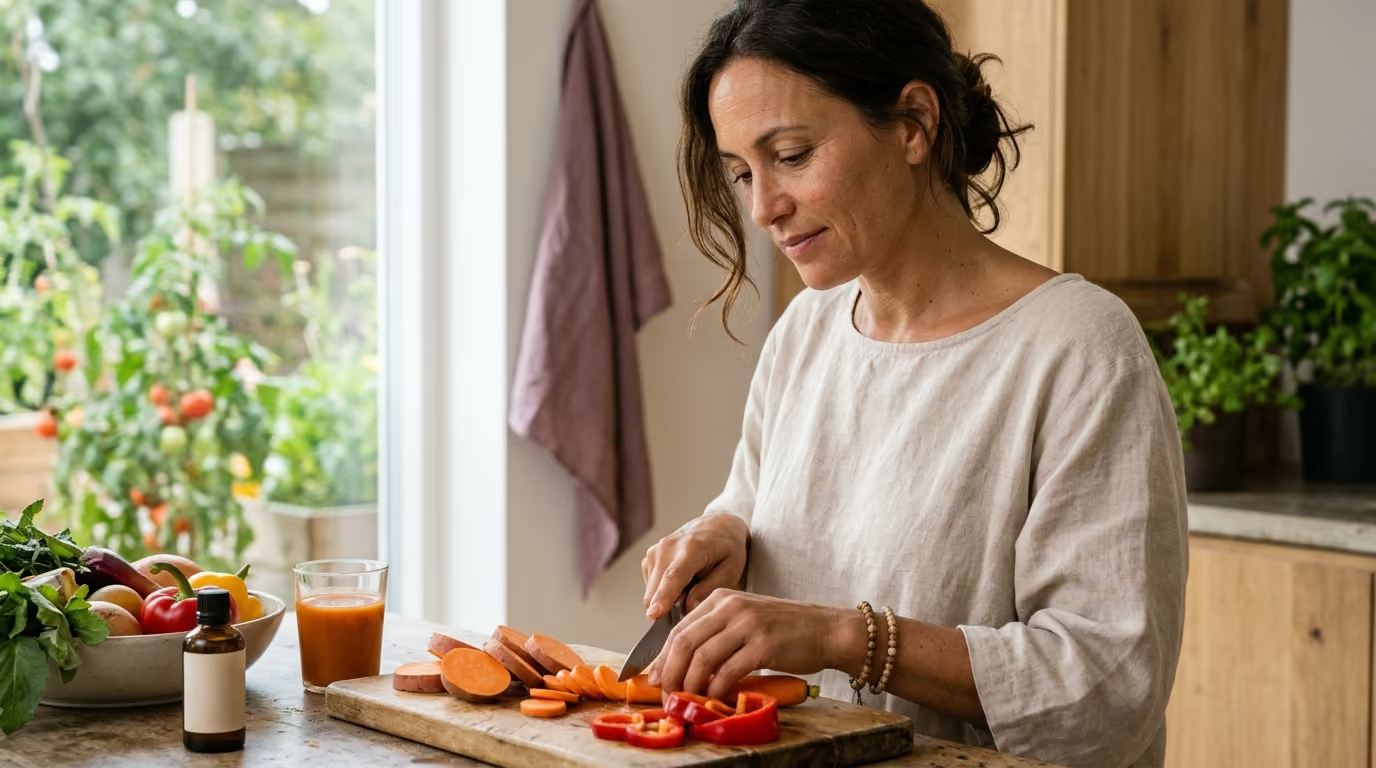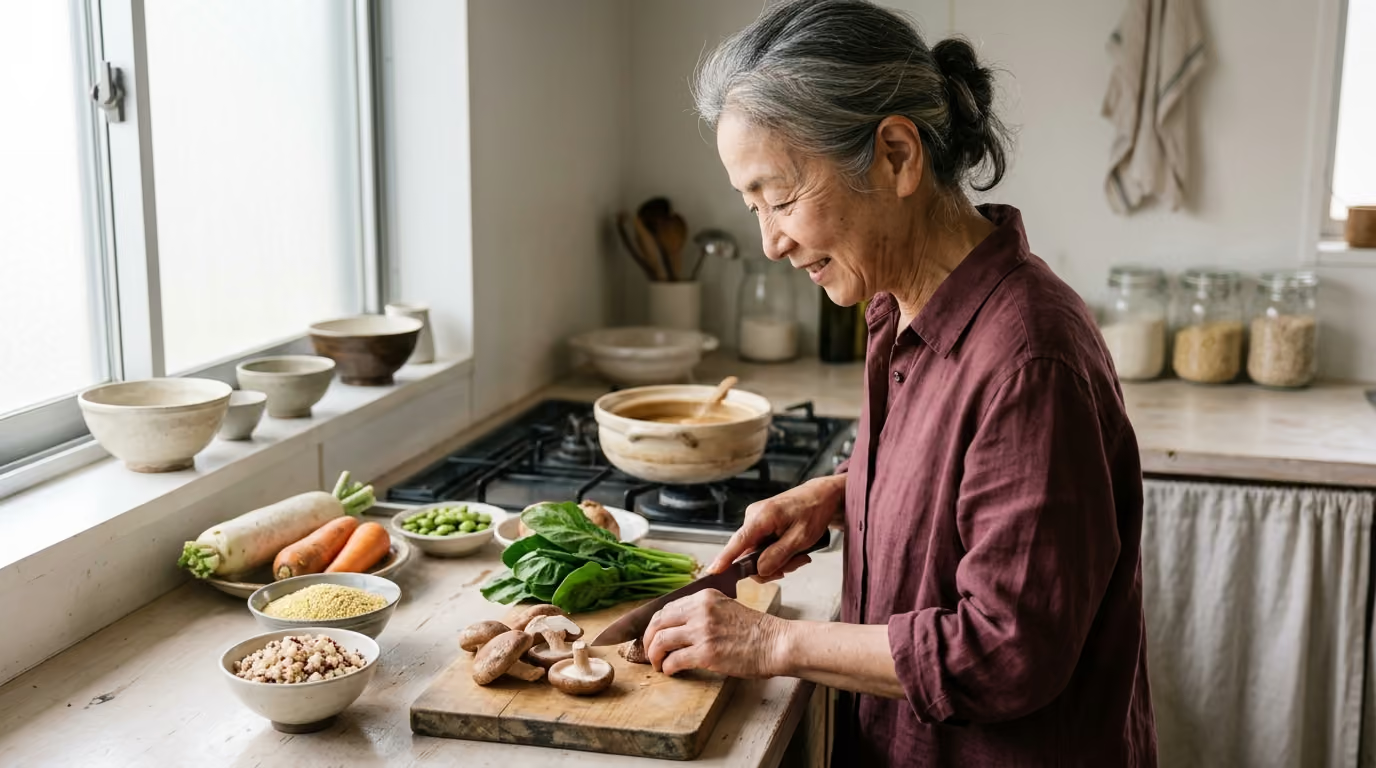

Traditional global cuisines provide essential nutrients, proteins, and plant compounds to support collagen synthesis, skin health.





Most mainstream beauty advice suggests that healthy aging requires abandoning traditional cultural recipes in favor of a narrow, Westernized dietary template. Popular media often insists that youthful skin depends entirely on expensive exotic powders or a rigid Mediterranean regimen. However, nutritional biology does not recognize culinary borders. Human physiology thrives on specific nutrients, dietary diversity, and metabolic balance rather than a single cultural cuisine.
Understanding nutrition through a biological lens allows you to preserve your heritage while supporting your skin, hair, and connective tissues. By examining how nutrients interact with cellular pathways, you can adapt any culinary tradition into a powerful framework for lifelong vitality.
Modern research shows that dietary variety and adequate nutrient density support physiological resilience as we mature. The core scientific findings include:
Skin is a dynamic, metabolically active organ requiring continuous structural remodeling. The dermal matrix relies primarily on type I and type III collagen, elastin fibers, and glycosaminoglycans like hyaluronic acid. These structures provide firmness, tensile strength, and internal hydration. Fibroblast cells produce these structural proteins, but their synthetic capacity depends directly on circulating amino acids, specific mineral cofactors, and vitamin availability.
When you consume protein, your digestive tract breaks it down into individual amino acids and small peptides. Amino acids like glycine, proline, and hydroxyproline serve as the physical building blocks for new collagen fibrils. Vitamin C acts as an indispensable enzymatic cofactor for prolyl and lysyl hydroxylase. Without sufficient vitamin C, the collagen triple helix cannot cross-link properly, leading to compromised structural stability.
Beyond the dermis, the outermost epidermal layer relies heavily on lipid metabolism to maintain its protective barrier. The stratum corneum consists of flattened corneocytes surrounded by an extracellular lipid matrix composed of ceramides, cholesterol, and free fatty acids. Dietary essential fatty acids, particularly linoleic acid and alpha-linolenic acid, integrate directly into these lipid membranes. A well-supplied barrier prevents transepidermal water loss, shields deeper layers from irritants, and preserves visible surface smoothness.
Cellular oxidation and non-enzymatic glycation also drive structural skin changes over time. When reactive oxygen species exceed endogenous cellular defenses, they degrade collagen bundles and damage cellular DNA. Dietary polyphenols and carotenoids accumulate in the epidermal and dermal layers, where they neutralize free radicals and modulate inflammatory signaling. Meanwhile, stable blood glucose regulation minimizes the formation of advanced glycation end-products. These sugar-protein cross-links stiffen collagen fibers and reduce skin elasticity, making steady metabolic control essential for tissue longevity. Exploring the broader field of beauty science reveals how these internal cellular interactions directly dictate visible skin resilience.
Large population datasets demonstrate that dietary diversity is a fundamental pillar of human longevity. A comprehensive 2025 systematic review of dietary diversity and healthy aging evaluated multiple international cohorts. The researchers found that 95.9% of the included studies demonstrated significant positive associations between higher dietary diversity scores and superior health outcomes in older adults. Participants with higher food variety experienced lower rates of physical frailty, fewer sleep disruptions, and better overall nutritional status.
A 2024 meta-analysis focusing on functional aging arrived at complementary conclusions. Older adults with low dietary variety were 1.60 times more likely to develop physical frailty compared to those who consumed a broader spectrum of whole foods. The biological explanation is straightforward. Consuming varied food groups ensures a steady supply of micronutrients, trace minerals, and distinct fiber fractions that support gut microbiome health and reduce systemic inflammation.
Crucially, this evidence is not confined to Mediterranean dietary patterns. A major systematic review analyzing 71 papers and 24 cohorts across Singapore, China, Japan, and Thailand examined healthy aging across distinct Asian food traditions. The findings confirmed that greater consumption of local vegetables, fruits, legumes, seaweeds, fish, teas, and fermented foods correlated with preserved physical independence and higher antioxidant capacity. Across these cohorts, longevity was driven by whole grains, plant diversity, and low intakes of ultra-processed items rather than adherence to European ingredients.
When examining protein intake, clinical data indicates that standard minimum guidelines may fall short for mature adults. The international PROT-AGE Study Group recommends that adults over 65 consume 1.0 to 1.2 grams of protein per kilogram of body weight daily. For individuals engaging in regular physical activity or managing chronic low-grade inflammation, the recommendation rises to 1.2 to 1.5 grams per kilogram daily.
Furthermore, position papers from the Academy of Nutrition and Dietetics highlight the value of protein distribution. Consuming 25 to 30 grams of high-quality protein per meal stimulates muscle protein synthesis more effectively than skewing protein intake entirely toward the evening meal. This steady amino acid delivery also supports the systemic maintenance of non-contractile connective tissues and skin structures.
Regarding visible skin biology, a systematic review on dietary interventions and skin aging analyzed human trials evaluating specific nutritional components. The researchers found that consistent intake of dietary lipids, unsaturated fatty acids, and plant polyphenols produced measurable improvements in skin hydration, elasticity, and barrier function. However, the data also shows that these nutrients work best through balanced whole-food patterns rather than isolated high-dose supplements. Readers interested in cellular tissue preservation can review detailed research on collagen and structural aging to understand how protein and micronutrients interact over time.
While nutritional science offers valuable insights, it is important to understand what the data does and does not prove. Most population-level studies examining dietary diversity rely on observational and prospective cohort designs. These studies demonstrate clear statistical associations between food variety and healthy aging, but they cannot prove direct causation. Individuals who consume diverse whole foods often engage in other supportive behaviors, such as physical activity, stress management, and adequate sleep.
Additionally, clinical studies specifically measuring visible skin changes from whole-food cultural diets remain sparse. Much of the dermatological literature focuses on short-term trials involving isolated supplements, concentrated extracts, or synthetic compounds. Supplement trials do not automatically reflect how complex whole-food meals behave inside the body over decades. A concentrated polyphenol pill acts differently than a traditional home-cooked stew containing herbs, root vegetables, fiber, and healthy cooking fats.
It is also vital to distinguish general physiological support from dramatic visual claims. No dietary intervention can completely halt biological aging or erase established wrinkles. Skin aging is heavily influenced by genetics, cumulative lifetime ultraviolet exposure, environmental pollutants, and natural chronological shifts in hormone levels. Nutrition provides the necessary biological substrate for cellular maintenance, but it cannot override basic human biology.
Finally, traditional diets are not universally optimal in every historical formulation. Some traditional cooking methods involve heavy salting, deep frying in degraded oils, or excessive consumption of refined starches with minimal protein. A thoughtful approach respects cultural heritage while adjusting specific cooking techniques and macronutrient balance to better support contemporary metabolic and skin health needs.
Nutrition and beauty culture are frequently clouded by oversimplified rules that create unnecessary anxiety. Examining these misconceptions alongside physiological facts helps clarify your dietary choices.
Popular wellness media often frames olive oil, tomatoes, and European fish as the only valid path to healthy aging. This perspective ignores global nutritional science.
The biological benefits attributed to the Mediterranean diet stem from basic biochemical inputs: monounsaturated fats, omega-3 fatty acids, polyphenols, fiber, and lean proteins. These exact nutrients exist across traditional foodways worldwide. Sesame oil, avocados, cold-water Asian mackerel, fermented soybeans, and leafy African greens provide identical physiological benefits without requiring you to abandon your family heritage.
Some fitness and beauty communities claim that diets centered around plant foods cannot provide sufficient amino acids to support collagen and muscle maintenance. This belief misinterprets how protein synthesis functions in the human body.
The Academy of Nutrition and Dietetics confirms that a varied intake of plant proteins consumed across the day easily provides all indispensable amino acids. Combining legumes, whole grains, nuts, seeds, and traditional soy products delivers ample substrate for tissue regeneration. Mature adults simply need to ensure that their plant-based meals are sufficiently dense in total protein rather than relying solely on refined starches.
Marketing campaigns frequently claim that rare berries, imported mushrooms, or exotic powders are necessary to protect skin from oxidative stress. These claims elevate novelty over nutritional substance.
Common, affordable staples across global cuisines often match or exceed the antioxidant capacities of trendy commercial superfoods. Red cabbage, dark leafy greens, sweet potatoes, onions, garlic, lentils, green tea, and traditional spices like turmeric or ginger provide robust polyphenol profiles. Consistent daily consumption of accessible whole foods creates far greater biological resilience than sporadic use of costly powders.
Creating meals that support healthy aging does not require specialized recipes or bland ingredients. You can apply a straightforward five-step architectural model to any culinary tradition:
Here is how this adaptable framework translates into varied regional foodways.
East and Southeast Asian cooking offers exceptional plant diversity, abundant seafood, and rich culinary uses of fermented ingredients.
To build a balanced meal within this framework, start with steamed tofu, edamame, grilled mackerel, chicken breast, or pork tenderloin as your protein anchor. Pair it with a modest portion of steamed brown rice, soba noodles made from buckwheat, or a mix of millet and white rice. Buckwheat provides rutin, a polyphenol that supports vascular elasticity and microcirculation.
Add generous servings of stir-fried or steamed vegetables such as bok choy, gai lan, shiitake mushrooms, and sliced bell peppers. Shiitake mushrooms contain beta-glucans and trace minerals that assist immune balance. Bell peppers deliver abundant vitamin C, which directly supports prolyl hydroxylase during collagen formation.
Incorporate toasted sesame oil, whole sesame seeds, or chopped peanuts to supply healthy fats and vitamin E. Complete the meal with a side of kimchi or fermented bean paste to support gut microbiome diversity.
Traditional South Asian cuisine possesses an extensive repertoire of legume preparations, vibrant spices, and vegetable dishes that naturally promote longevity.
Begin by building a robust protein foundation. Traditional dal made from yellow split peas or red lentils can be reinforced by pairing it with paneer, calcium-set tofu, hemp seeds, or a side of plain Greek yogurt. This combination ensures that the meal reaches the 25 to 30 gram protein threshold required for optimal tissue maintenance.
Pair your protein with complex carbohydrates such as whole-wheat roti, brown basmati rice, or cracked wheat dalia. These whole grains supply magnesium and B vitamins involved in cellular energy metabolism.
Incorporate vegetable sabzis featuring spinach, fenugreek greens, cauliflower, tomatoes, and okra. Dark leafy greens like spinach and fenugreek provide plant-based iron, folate, and lutein. Cook the vegetables with modest amounts of mustard oil or cold-pressed groundnut oil rather than excessive ghee.
Flavor the dish with generous amounts of turmeric, cumin, mustard seeds, and ginger. Curcumin from turmeric works synergistically with the black pepper in traditional blends, downregulating pro-inflammatory cytokines that can accelerate tissue breakdown.
Latin American food traditions excel at combining complementary plant proteins, root vegetables, and fresh produce rich in protective carotenoids.
Construct your protein base using simmered black beans, pinto beans, or lentils paired with shredded chicken, grilled white fish, or eggs. The classic combination of beans and corn provides a complete essential amino acid profile while delivering exceptional amounts of soluble and insoluble prebiotic fiber.
Use warm corn tortillas, boiled cassava, or quinoa as your primary carbohydrate staple. Corn tortillas processed through traditional nixtamalization provide bioavailable calcium, a mineral vital for epidermal cell cohesion and bone density.
Layer your plate with deeply colored vegetables. Shredded purple cabbage, charred zucchini, roasted poblano peppers, and fresh pico de gallo add substantial antioxidant value. Purple cabbage provides anthocyanins, which help protect vascular structures, while tomatoes supply lycopene, a carotenoid known for lodging in dermal tissue and mitigating UV-induced oxidative stress.
Add sliced avocado or a drizzle of cold-pressed sunflower oil to supply monounsaturated fats and fat-soluble vitamin E. Season with fresh cilantro, lime juice, and chili peppers. Capsaicin from hot peppers supports peripheral circulation, ensuring efficient nutrient delivery to dermal capillaries.
Middle Eastern and North African culinary traditions feature exceptional plant variety, generous use of fresh herbs, and olive-derived fats.
Select chickpeas, fava beans, stewed lamb, baked fish, or grilled poultry as your protein anchor. Traditional chickpea dishes like hummus or warm balila offer high-fiber protein that stabilizes postprandial glucose excursions.
Complement the protein with whole-grain bulgur, whole-wheat pita, or pearl barley. Bulgur retains the nutrient-rich bran and germ layers, supplying zinc and selenium. These trace minerals function as vital cofactors for antioxidant enzymes like glutathione peroxidase.
Add a large salad such as tabbouleh or fattoush, prioritizing flat-leaf parsley, mint, cucumbers, radishes, and pomegranate arils. Parsley is an extraordinary dietary source of vitamin C, vitamin K, and apigenin. Apigenin is a flavonoid that helps protect cellular matrix structures from premature degradation.
Dress the meal generously with extra virgin olive oil and unhulled sesame tahini. Tahini is exceptionally rich in calcium, copper, and sesamol, a potent lipid-soluble antioxidant. Enhance the dish with sumac, garlic, and preserved lemons for vibrant acidity and digestive support.
Sub-Saharan African and Caribbean foodways center on mineral-rich leafy greens, nutritious legumes, and fiber-dense root crops that strongly support sustained metabolic vitality.
Establish your protein base with pigeon peas, black-eyed peas, simmered goat meat, mackerel, or red snapper. Legumes like pigeon peas provide a sustained release of amino acids along with meaningful amounts of dietary potassium.
Pair your protein with boiled green plantains, yams, or whole fonio. Fonio is an ancient grain native to West Africa that is rich in sulfur-containing amino acids such as methionine and cystine. These amino acids are essential for synthesizing keratin, the primary structural protein in hair and nails.
Incorporate generous portions of cooked greens, such as callaloo, amaranth greens, cassava leaves, or bitter leaf. These greens are nutritional powerhouses, containing dense concentrations of lutein, beta-carotene, calcium, and magnesium. Pair the greens with okra, which contains prebiotic soluble mucilage that supports gastrointestinal barrier health.
Use crushed peanuts, egusi melon seeds, or modest amounts of unrefined red palm oil to provide fat-soluble nutrients. Red palm oil contains high concentrations of tocotrienols, an exceptionally active form of vitamin E that protects cell membranes from lipid peroxidation. Season with Scotch bonnet peppers, allspice, ginger, and fresh thyme.
Translating these broad food principles into daily life requires attention to meal pacing and specific micronutrient targets. Aging bodies experience slight reductions in digestive efficiency and anabolic sensitivity. Distributing your nutrient intake evenly across the day ensures steady cellular maintenance.
Rather than consuming a light breakfast, a rushed lunch, and an oversized dinner, aim to distribute your protein intake across three balanced meals.
This regular distribution keeps circulating amino acid pools steady, minimizing muscle breakdown and supporting ongoing structural repair. You can learn more about systemic vitality by browsing our extensive guides on nutrition and beauty from within.
How you prepare food affects its ultimate nutritional density. Prolonged boiling of delicate vegetables in large volumes of water can leach water-soluble vitamins like vitamin C and B-complex vitamins into the cooking liquid.
Whenever possible, use cooking methods that preserve delicate micronutrients and prevent the excessive formation of harmful compounds:
For a broader understanding of how daily habits influence longevity, explore our educational resources on skin longevity and healthy aging.
Yes, a vegetarian diet can fully support healthy skin and connective tissue if it is thoughtfully constructed. The key is ensuring adequate total protein and addressing specific micronutrients that are less concentrated in plants. Combine varied protein sources such as lentils, chickpeas, soy products, dairy, seeds, and nuts across the day.
Vegetarians should also monitor their intake of vitamin B12, iron, zinc, and long-chain omega-3 fatty acids. Consuming algae-based omega-3 supplements and fortified foods helps cover potential gaps, ensuring optimal cellular membrane health.
You do not need to eliminate white rice to maintain healthy skin. The goal is to moderate glycemic impact, which helps prevent sugar-induced collagen stiffening.
You can lower the glycemic response of a rice-based meal by adopting simple kitchen strategies. First, mix white rice with whole grains like millet, wild rice, or riced cauliflower. Second, always serve rice alongside substantial portions of fibrous vegetables, protein, and healthy fats. The fiber, protein, and fat slow gastric emptying, blunting rapid post-meal glucose spikes. Finally, cooling cooked rice before reheating creates resistant starch, which improves gut microbiome fermentation and further flattens the glycemic curve.
While bone broth is a traditional staple in many cultures and provides a comforting source of amino acids, it is not biologically mandatory for collagen synthesis. When you consume bone broth, your digestive enzymes break its collagen down into individual amino acids and short peptides. Your body pools these building blocks alongside amino acids derived from other dietary proteins like poultry, fish, eggs, tofu, or lentils.
As long as you consume adequate total protein and sufficient vitamin C, your body possesses all the raw materials required to produce its own collagen endogenously.
Fermented foods like kimchi, miso, tempeh, kefir, natural yogurt, and fermented vegetables support skin health indirectly through the gut-skin axis. These foods deliver active microbial cultures, organic acids, and bioactive peptides generated during the fermentation process.
A healthy, diverse gut microbiome strengthens the intestinal barrier and regulates systemic immune signaling. By minimizing low-grade systemic inflammation, a balanced gut environment supports epidermal barrier recovery, balanced sebum production, and general tissue resilience.
Nutritional biology thrives on variety, balance, and real food, giving you the freedom to nourish your skin and body through the cultural meals you truly love.
Stay connected for research and practical guidance on skin, hair, collagen, nutrition and beauty longevity. Clear ideas for people who want to understand how appearance changes with age and make better-informed choices over time.


Understand your skin, hair and body better without chasing every new trend, treatment or promise.
explore the Blog