
While often mistaken for lingering teenage blemishes, adult hormonal breakouts require specialized clinical treatments, endocrine evaluation.





Adult acne is a chronic inflammatory disorder of the oil gland and hair follicle, not a temporary teenage condition that lingered past its expected timeline. It is not an issue of poor hygiene, a lack of willpower, or a simple surface blemish. Instead, it is a complex biological state where cellular turnover, sebum composition, microbial activity, and immune responses intersect over years. This guide examines the pathophysiology of adult breakouts, breaks down clinical data on medical and topical treatments, and offers actionable strategies for maintaining a healthy skin barrier alongside a mature skin routine.
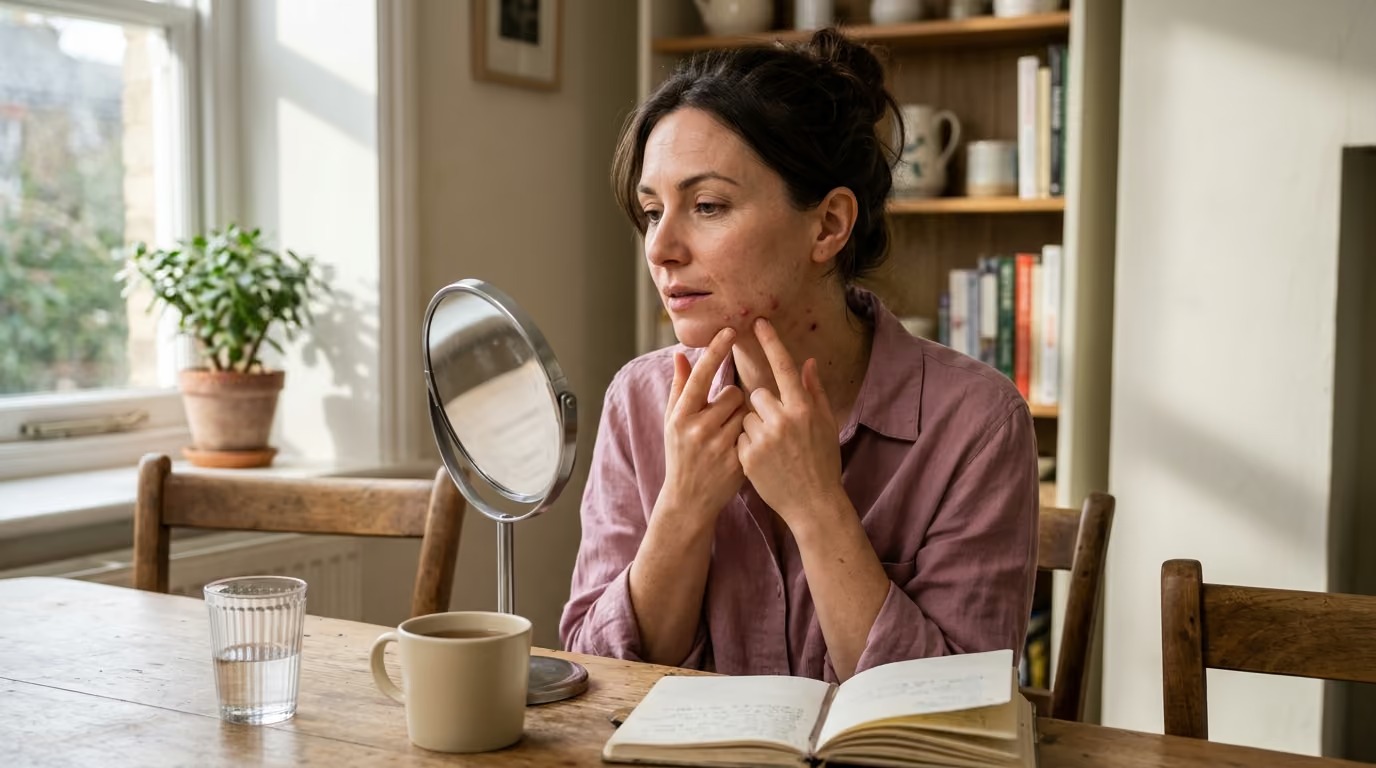
Adolescent acne typically appears in the T-zone across the forehead, nose, and central cheeks. It is primarily driven by the massive surge of pubertal androgens that rapidly enlarges sebaceous glands. In contrast, adult female acne concentrates around the lower third of the face, specifically the jawline, chin, and upper neck. These lesions present more frequently as deep, tender, inflammatory papules and nodules rather than open comedones.
Dermatologists classify adult acne into three distinct clinical presentations. Persistent adult acne begins during teenage years and continues steadily into the thirties and beyond. Late-onset adult acne appears for the first time after age twenty-five in individuals who experienced clear skin during their youth. Relapsing adult acne describes a pattern where skin clears for extended periods, only to return after discontinuing treatment, altering hormonal birth control, or navigating postpartum transitions.
Understanding these classifications matters because late-onset and relapsing presentations require a different therapeutic approach than adolescent breakouts. Mature skin has a slower epidermal turnover rate and lower baseline ceramide production. Using harsh, drying cleansers designed for teenage oil production damages the mature moisture barrier. This damage increases inflammation and prolongs the time required for post-blemish discoloration to fade.
It is equally essential to separate true acne from conditions that mimic its appearance. Perioral dermatitis produces small, red papules around the mouth and nose that worsen when exposed to traditional acne treatments. Papulopustular rosacea creates central facial flushing and inflammatory bumps without true comedones. Folliculitis stems from acute infection or inflammation of the hair follicle opening. Accurate identification prevents the application of irritating actives to an already compromised epidermal barrier.
The biological foundation of acne rests on four interconnected events within the pilosebaceous unit. First, sebaceous glands produce an excess volume of sebum with an altered fatty acid profile. Second, keratinocytes lining the pore canal proliferate abnormally and fail to desquamate, creating a microscopic plug called a microcomedone. Third, the local follicular environment shifts, allowing Cutibacterium acnes phylotypes to trigger immune alarms. Fourth, the surrounding tissue releases inflammatory cytokines that produce visible redness, swelling, and pain.
Hormonal signaling acts as a primary amplifier of this four-part biological sequence. Androgens like testosterone and dihydrotestosterone bind directly to androgen receptors on sebocytes and follicular keratinocytes. This binding stimulates intracellular lipid synthesis and thickens the follicular lining. In many women over thirty, circulating serum androgen levels fall well within standard reference ranges. The primary driver of flares is not an excess of hormones in the blood, but rather an elevated sensitivity of the local skin receptors to normal hormone fluctuations.
These biological interactions fluctuate across distinct reproductive and hormonal milestones. During the late luteal phase right before menstruation, estrogen levels drop while progesterone remains elevated, altering the local balance of androgenic activity. Stopping combined oral contraceptives removes external estrogen and progestin suppression, which unmasks underlying sebaceous activity. Perimenopause introduces wider swings in estrogen levels, leading to a relative androgen dominance that triggers sudden lower-face breakouts.
Inflammation is not merely a late response to trapped bacteria; it is present from the very inception of the microcomedone. Subclinical inflammation surrounds the follicle before any visible swelling appears on the skin surface. When an inflamed lesion resolves, it leaves behind vascular pooling known as post-inflammatory erythema or melanin deposits known as post-inflammatory hyperpigmentation. Managing adult acne requires calming this chronic inflammatory cycle rather than solely drying out surface oils. For deeper insights into managing systemic inflammation, you can review our beauty science articles on cellular skin health.
Epidemiological surveys show that adult acne is an extensive dermatological concern rather than an isolated anomaly. Clinical literature indicates that acne affects between 12% and 54% of adult women, depending on the diagnostic criteria and population studied. Prevalence trends downward with advancing age, shifting from roughly 45% among women in their twenties to approximately 12% among women in their forties. A substantial subgroup of adult women continues to experience persistent, relapsing disease throughout their thirties and beyond.
Topical retinoids represent the foundation of modern topical acne management. Clinical trials evaluating tretinoin, adapalene, tazarotene, and trifarotene demonstrate significant reductions in both inflammatory and non-inflammatory lesion counts over twelve-week treatment courses. Retinoids normalize cell turnover within the follicular canal, clear microcomedones, and reduce the downstream inflammatory cascade. Because they also support dermal matrix preservation, topical retinoids serve as a dual-purpose intervention for adults navigating both blemishes and visible photoaging.
The updated clinical guidance from the American Academy of Dermatology conditionally recommends spironolactone for adult female acne. Spironolactone is an aldosterone antagonist with antiandrogenic properties that blocks androgen receptors and suppresses 5-alpha-reductase activity in sebocytes. Published clinical trials indicate that spironolactone achieves a 50% to 100% reduction in inflammatory acne lesions among female patients. Combined oral contraceptives that blend ethinyl estradiol with non-androgenic progestins produce comparable improvements by elevating sex hormone-binding globulin and reducing free circulating testosterone.
Topical azelaic acid at 15% to 20% concentrations holds strong clinical validation for adult women. It provides direct antimicrobial effects against C. acnes, decreases follicular hyperkeratinization, and exerts potent anti-inflammatory actions. Azelaic acid inhibits tyrosinase, making it effective for fading dark post-blemish marks without causing skin bleaching. Studies confirm its high tolerability profile in skin of color, where the risk of secondary pigment alterations remains high.
While clinical trials offer clear guidance, substantial gaps remain in the broader adult acne literature. Many trials rely heavily on investigator global assessments and subjective lesion counts, which vary across clinical settings. Trial cohorts frequently aggregate adolescent and adult populations together, making it difficult to isolate age-specific biological responses. Women with diverse skin tones, fluctuating perimenopausal transitions, or overlapping inflammatory dermatoses remain underrepresented in foundational pharmaceutical trials.
Another significant limitation involves the diagnostic criteria for underlying endocrine disorders like Polycystic Ovary Syndrome (PCOS). Studies utilizing the Rotterdam criteria report PCOS prevalence rates between 17% and 27% among women presenting with adult acne. Acne alone, however, is not sufficient evidence to establish an endocrine diagnosis. Diagnostic criteria require at least two of three markers: ovulatory dysfunction, clinical or biochemical hyperandrogenism, and polycystic ovarian morphology on ultrasound.
Lifestyle and dietary studies contain similar research limitations. Nutritional trials often rely on self-reported food frequency questionnaires, which introduce recall bias and confounding variables. While diets with a high glycemic load can elevate insulin and insulin-like growth factor 1 (IGF-1), recent systematic reviews show mixed associations between dairy, specific fatty acids, and acne severity. Categorical claims that specific foods uniformly cause adult acne oversimplify a deeply nuanced physiological process.
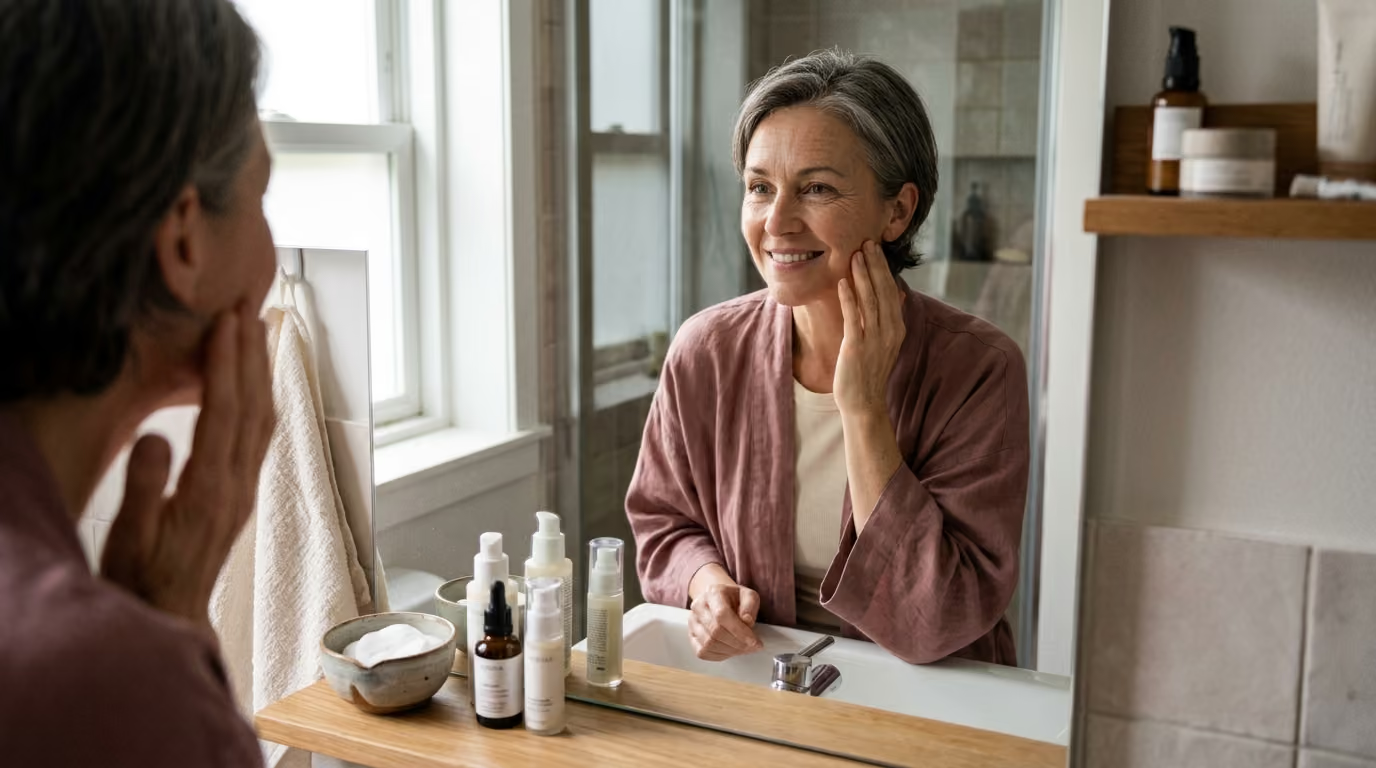
Adults managing acne often face a difficult routine conflict. They want to address skin longevity, fine lines, and firmness, but standard anti-wrinkle creams often contain heavy emollients that clog mature pores. Conversely, aggressive acne products formulated with drying alcohols and harsh clays strip the skin barrier, creating flaking, redness, and accelerated trans-epidermal water loss. The solution is creating a balanced regimen that supports barrier repair while using targeted active ingredients. Readers seeking broader guidance on maintaining resilient skin over time can explore our skin longevity resources.
Treatment stacking is one of the most common mistakes in adult skincare. Applying glycolic acid, vitamin C, salicylic acid, and a prescription retinoid in the same 24-hour window damages the stratum corneum. When the moisture barrier breaks down, irritant dermatitis develops, which triggers inflammatory pathways that generate new blemishes. Introduce one active ingredient at a time, increasing frequency slowly over several weeks.
Topical retinoids are the gold standard for simultaneous acne control and pro-aging care. To minimize peeling, use the sandwich technique by applying a thin layer of moisturizer, waiting ten minutes, applying the retinoid, and finishing with a second layer of moisturizer. Begin using the retinoid twice weekly, gradually increasing to every other night as your skin develops tolerance. Always apply retinoids to dry skin, as damp skin increases systemic absorption and local irritation.
If persistent redness, stinging, or peeling occurs, suspend active treatments for three to five days. Focus exclusively on barrier restoration using bland, non-comedogenic moisturizers containing ceramides, panthenol, and fatty acids. Once the skin barrier heals, reintroduce the active treatment at a lower frequency. Consistency with a gentle routine yields far superior long-term clinical outcomes than cycling through aggressive applications and barrier breakdowns. To learn more about gentle, science-backed skin routines, visit the Younell skin care editorial section.
Inflammatory acne lesions frequently leave behind persistent cosmetic marks that cause more emotional distress than the initial blemish. When an inflamed papule or nodule develops, inflammatory mediators damage the surrounding extracellular matrix. Post-inflammatory erythema occurs when microvascular capillaries dilate or break during the inflammatory phase, leaving pink or purple flat marks. Post-inflammatory hyperpigmentation occurs when inflammatory cytokines stimulate melanocytes, producing excess melanin in the epidermis or dermis.
In Fitzpatrick skin types IV through VI, post-inflammatory hyperpigmentation can persist for months or years after active lesions clear. The primary rule of pigment management is suppressing the upstream inflammation that causes melanocyte overactivity. Squeezing, picking, or applying harsh physical scrubs worsens tissue trauma, driving melanin deeper into the dermal layer where topical treatments struggle to reach. Consistent, daily broad-spectrum sun protection is mandatory, as ultraviolet radiation directly darkens resolving marks.
True textural scars represent permanent alterations in dermal collagen architecture rather than mere color changes. Atrophic scars occur when the inflammatory cascade destroys collagen bundles, elastolytic enzymes degrade the extracellular matrix, and fibroblasts fail to produce sufficient replacement tissue. Hypertrophic scars occur when fibroblasts deposit an overabundance of disorganized collagen during the wound-healing phase. Preventing active inflammatory nodules through medical therapy remains the most effective strategy for preventing textural scarring.
Topical retinoids, azelaic acid, and chemical exfoliants can improve epidermal post-inflammatory hyperpigmentation, but they cannot fully repair deep atrophic scars. Structural scar revisions require clinical in-office procedures such as fractional laser resurfacing, subcision, chemical reconstruction of skin scars (CROSS), or microneedling. These procedures should only be performed once active inflammatory acne is completely controlled under a dermatologist's supervision. You can explore how deep cellular structures age by reviewing our collagen and structural health resources.
Beauty marketing frequently oversimplifies adult acne, promoting products that fail to address the true biology of the disease. Examining these common claims against clinical evidence helps prevent wasted money and skin barrier damage.
Many over-the-counter products rely on high concentrations of denatured alcohol, astringents, and drying clays to eliminate surface oil. Stripping surface sebum does not stop internal follicular hyperkeratinization or microbial inflammation. Instead, severe dehydration impairs the skin's natural desquamation enzymes, causing dead corneocytes to clump together and form more microcomedones. Maintaining balanced hydration keeps follicular exits pliable and reduces inflammatory reactivity.
While emotional stress elevates cortisol and neurogenic inflammatory mediators, lifestyle modifications rarely resolve moderate-to-severe adult acne on their own. Systemic hormonal sensitivity, genetic follicular structure, and immune activity require targeted topical or medical interventions. Dietary adjustments can support overall metabolic health, but relying exclusively on diet often delays necessary medical care, increasing the risk of permanent scarring. Readers interested in balanced lifestyle science can review our lifestyle and longevity articles.
While mild adult acne can respond well to over-the-counter azelaic acid and non-prescription retinoids, persistent moderate-to-severe cases warrant professional dermatological and medical care. Dermatologists have access to targeted systemic medications, prescription-strength topicals, and in-office procedures that address complex pathophysiology. Coordinating care between a dermatologist, a primary care physician, or an endocrinologist ensures that potential systemic conditions are thoroughly investigated and properly managed.
A comprehensive endocrine evaluation is strongly recommended when acne occurs alongside signs of systemic androgen excess. These clinical signs include irregular or absent menstrual periods, excess facial or body hair growth (hirsutism), androgenetic alopecia (thinning hair at the crown), rapid weight gain resistant to lifestyle changes, or fertility challenges. A standard diagnostic workup may include measuring total and free testosterone, DHEA-sulfate, luteinizing hormone, follicle-stimulating hormone, fasting glucose, and pelvic ultrasound imaging.
Reproductive planning is a vital checkpoint in adult acne management. Many foundational prescription acne medications carry significant fetal risks and must be discontinued prior to conception. Oral isotretinoin is a potent teratogen that requires strict contraceptive adherence and regular clinical monitoring. Spironolactone is contraindicated during pregnancy due to the risk of antiandrogenic effects on a developing fetus.
Topical retinoids, including tretinoin, adapalene, and tazarotene, are routinely avoided during pregnancy and lactation as a clinical precaution. The American College of Obstetricians and Gynecologists identifies topical azelaic acid, topical erythromycin, and over-the-counter benzoyl peroxide as pregnancy-compatible options. Always review your entire topical and oral medication list with your healthcare provider when planning pregnancy, actively conceiving, or breastfeeding.
Oral antibiotics should always be used as a short-term bridge rather than an open-ended maintenance therapy. Extended antibiotic monotherapy encourages antimicrobial resistance and alters systemic microbiomes without correcting underlying follicular keratinization. Dermatologists pair oral antibiotics with topical benzoyl peroxide to minimize bacterial resistance and transition patients to topical retinoids or hormonal therapies for long-term maintenance. For more on the clinical principles guiding research analysis, visit about Younell.
Yes, but formulation choice is critical. L-ascorbic acid at high concentrations and low pH levels can irritate sensitive, acne-prone skin, potentially triggering inflammatory bumps. Consider gentler, non-acidic vitamin C derivatives such as sodium ascorbyl phosphate or tetrahexyldecyl ascorbate. Alternatively, use azelaic acid or niacinamide in the morning to obtain antioxidant support, calm redness, and brighten post-acne marks without compromising skin barrier tolerance.
Skin cells require roughly 28 to 40 days to complete a natural desquamation and renewal cycle, and this turnover rate slows with age. Topical retinoids, azelaic acid, and systemic therapies like spironolactone require a minimum of 8 to 12 weeks of consistent daily use before significant clinical improvements appear. Judging a product's efficacy after only two or three weeks often leads to premature discontinuation of treatments that would have succeeded over time.
Discontinuing combined oral contraceptives frequently triggers a temporary rebound flare in acne within three to six months. This post-pill surge occurs because synthetic estrogens and progestins are no longer suppressing ovarian androgen production or elevating sex hormone-binding globulin. For most women, this transition represents a temporary biological adjustment as endogenous hormone production normalizes, though underlying adult acne tendencies may reemerge.
Post-inflammatory hyperpigmentation is driven by internal chemical signaling, not just physical trauma. The inflammatory cytokines released during an acne flare naturally stimulate neighboring melanocytes to synthesize excess melanin. This pigment leaks into the surrounding epidermal and dermal layers as a byproduct of the inflammatory cascade. Using daily broad-spectrum sun protection, applying azelaic acid, and avoiding aggressive physical scrubs helps resolve these flat pigment deposits.
Stay connected for research and practical guidance on skin, hair, collagen, nutrition and beauty longevity. Clear ideas for people who want to understand how appearance changes with age and make better-informed choices over time.


Understand your skin, hair and body better without chasing every new trend, treatment or promise.
explore the Blog