Spain's menopause nutrition guidance underscores the need for sex-specific data. Learn how distinct protein and calcium targets support long-term tissue health.





In March 2026, Spain's food-safety agency, AESAN, published guidance covering nutrition during perimenopause and postmenopause. Members of the Spanish Association of Women Researchers and Technologists soon pointed out that some underlying reference studies involved exclusively male populations. AESAN acknowledged an omission of a warning and ordered a formal scientific review. Spain's Equality Minister Ana Redondo also criticized the use of the male body as a universal reference point for women's health.
To appreciate why sex-specific data matters, we must look at how the body actually changes during this time. A 2026 review in Metabolic Changes of Perimenopause and Nutritional Advice describes perimenopause as a distinct metabolic transition. During this phase, women experience an accelerated rate of skeletal loss and changes in how fat is stored. These internal shifts directly impact the structural integrity of the skin, hair, and overall body composition.
Because the perimenopausal transition reshapes metabolic function, generic dietary advice often falls short. The accelerated loss of bone density and lean tissue requires targeted nutritional support to prevent long-term structural degradation. When lean tissue decreases, the structural support beneath the skin weakens significantly. I remember speaking with a dermatologist who told me her patients were coming in with severe anxiety about their shifting body composition and changing hair density.
They felt frustrated because standard wellness advice was no longer working for their evolving bodies. That conversation became a cornerstone of our philosophy at Younell, reinforcing the need to understand how menopause impacts skin collagen, elasticity, and hair density. Nutrient absorption also changes with age, according to registered dietitian Amy Shapiro in an interview with the New York Post. The Spanish guidance highlighted these shifting needs, noting that women require 1,200 milligrams of calcium daily after age 51.
This is a notable increase from the 1,000 milligrams recommended for women up to age 50 and for men aged 19 to 70. The report also cited 18 milligrams of iron for women versus 8 milligrams for men. Differing reference amounts were also listed for vitamin A and potassium. For example, the AESAN report listed 900 micrograms of vitamin A for men versus 700 micrograms for women.
It also noted a requirement of 3,400 milligrams of potassium for men versus 2,600 milligrams for women. These distinct requirements illustrate why relying on male baselines can lead to inaccurate recommendations for female health.
The controversy in Spain reflects a much larger systemic issue in medical research. The New York Post cited a 2022 study showing that women made up approximately 40 percent of clinical-trial participants across studies of cancer, cardiovascular disease, and psychiatric disorders. These are three disease areas that significantly affect female populations. This broader context helps explain why researchers like Sonia de Pascual-Teresa Fernández and the AMIT spoke up about the AESAN report.
This chronic lack of representation means that medical interventions, nutritional targets, and general wellness protocols are frequently extrapolated from male baselines. When these extrapolated guidelines are applied to female populations, they often fail to address the specific biological needs of women. Despite the data gaps, established clinical guidelines do offer concrete targets for healthy older adults. The 2026 review reports that ESCEO and ESPEN recommend 1.0 to 1.2 grams of protein per kilogram of body weight daily.
This protein should be distributed evenly across meals, ideally offering 20 to 25 grams of high-quality protein per sitting. This approach helps maximize muscle protein synthesis throughout the day. For bone support, the review summarizes commonly cited postmenopausal intake ranges. These targets include 1,000 to 1,200 milligrams of calcium daily and 600 to 1,000 IU of vitamin D daily.
However, the review strongly emphasizes that routine calcium supplementation is not uniformly recommended for every postmenopausal woman. Dietary calcium is preferred because high supplemental doses may carry risks like kidney stones.
While the Spanish episode raises valid concerns about transparency, we must interpret the situation carefully. The available reporting clearly shows that some reference data used in the AESAN guidance came from male-only studies. However, it does not establish that every single recommendation was based exclusively on men. We must avoid the assumption that all menopause nutrition advice is fundamentally flawed.
Some nutrient recommendations naturally vary by age, body size, or reproductive status rather than by menopause alone. Spanish reporting noted that specific values for iron and vitamin C were drawn from male-only research. However, the accessible coverage does not provide a complete nutrient-by-nutrient audit of the entire AESAN evidence table. This leaves a level of uncertainty regarding exactly which other guidelines might be impacted.
The broader research base for menopause nutrition also remains highly incomplete. Much of the relevant evidence is observational, heterogeneous, or based on relatively small studies. The 2026 review specifically calls for larger prospective studies to identify stage-specific risks accurately. Researchers need to determine which interventions work best during perimenopause rather than waiting until metabolic changes are already established.
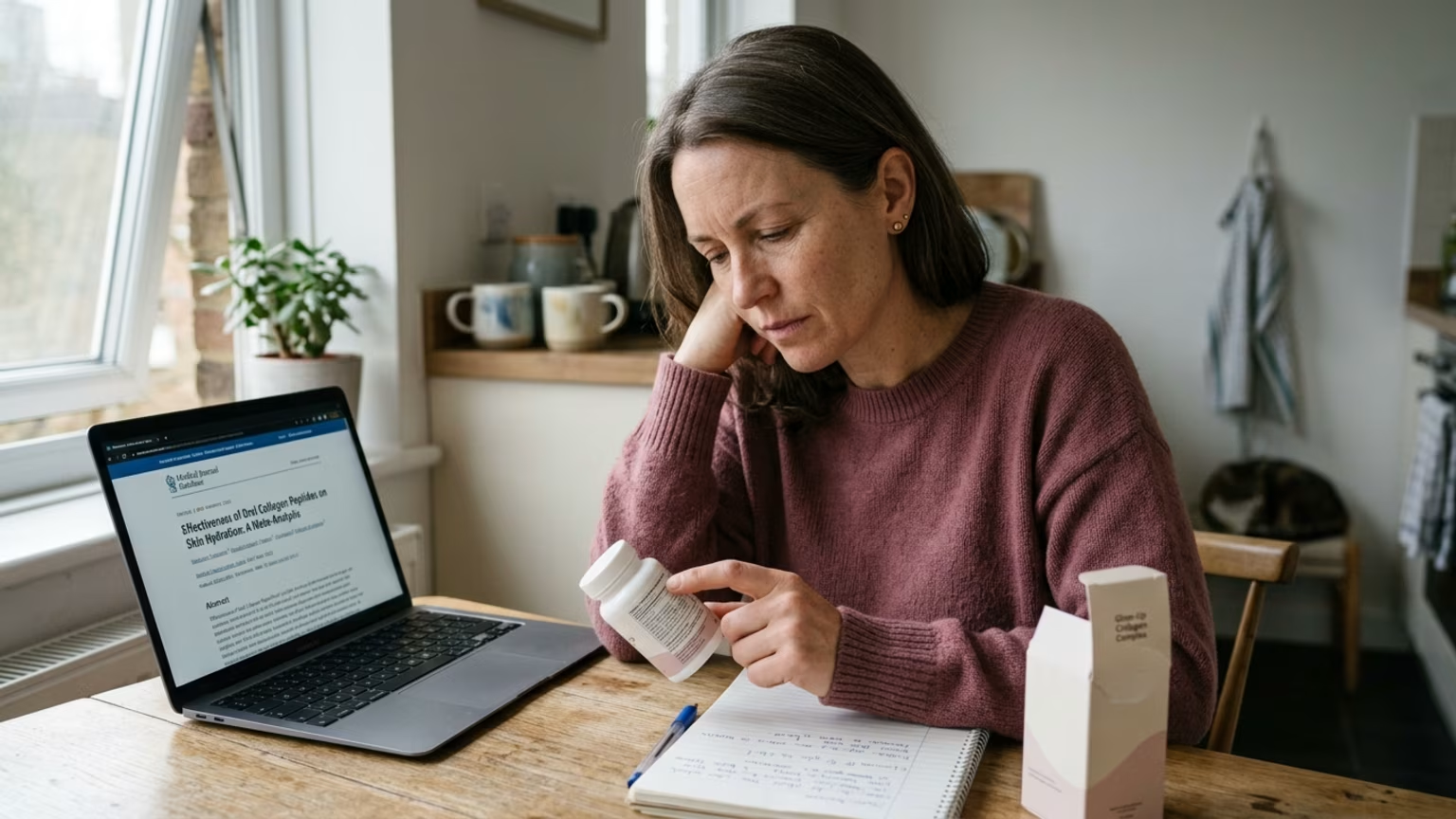
Furthermore, while scientists are actively studying complex biological mechanisms, many of these pathways remain under investigation. The evidence for effects on vasomotor symptoms, mood, metabolic health, and gut-mediated estrogen pathways is promising but not uniformly conclusive. Because these areas are still developing, they should not be presented as settled clinical facts. Consumers must remain critical of marketing that frames these emerging areas as definitive science.
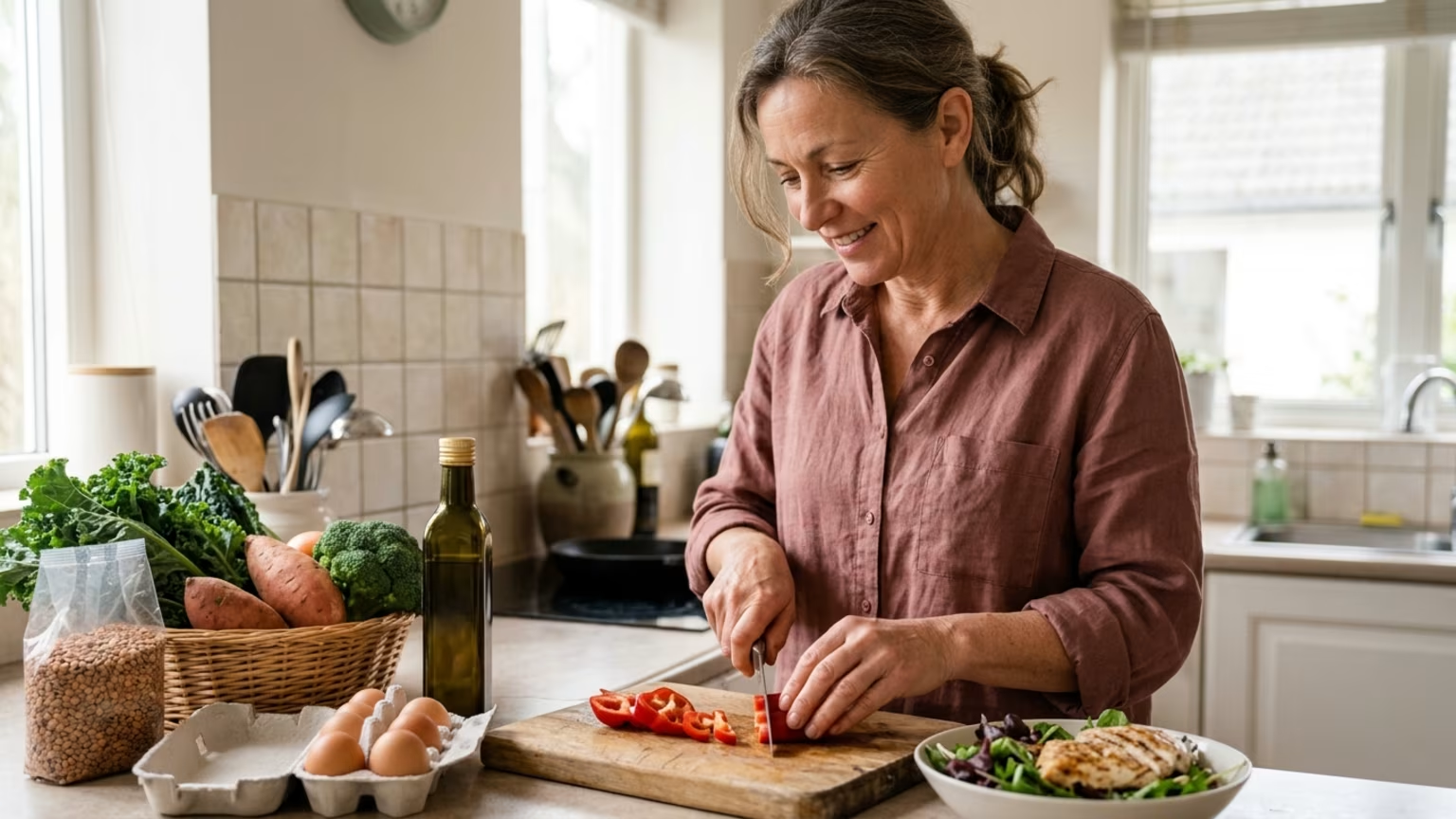
For women focused on healthy aging, this episode serves as a powerful reminder to build routines on foundational health. When evaluating new beauty longevity advice, always ask whether the underlying data actually applies to female physiology. Instead of seeking quick fixes, we can focus on plant-forward patterns for healthy aging that support long-term tissue resilience. The 2026 review identifies Mediterranean-style eating as one of the most consistently studied approaches during the menopausal transition.
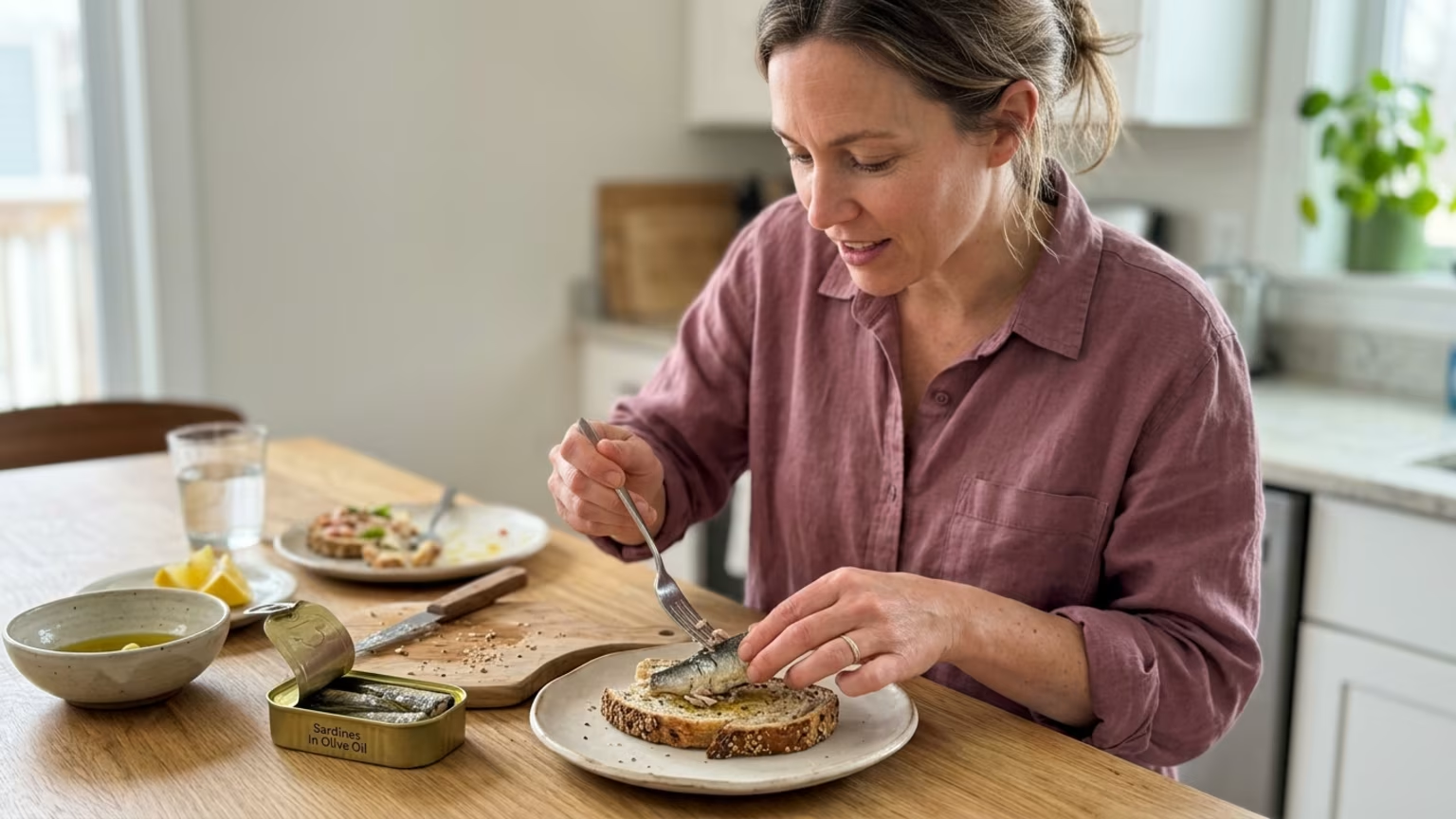
This dietary pattern supports diets higher in fiber, unsaturated fats, whole plant foods, and adequate protein. You can easily build these meals around legumes, fresh vegetables, whole grains and seeds. To meet your daily requirements, include a meaningful protein source like dairy, eggs, or fish at each meal. Spreading your protein intake throughout the day is much more effective than concentrating it in one large dinner.
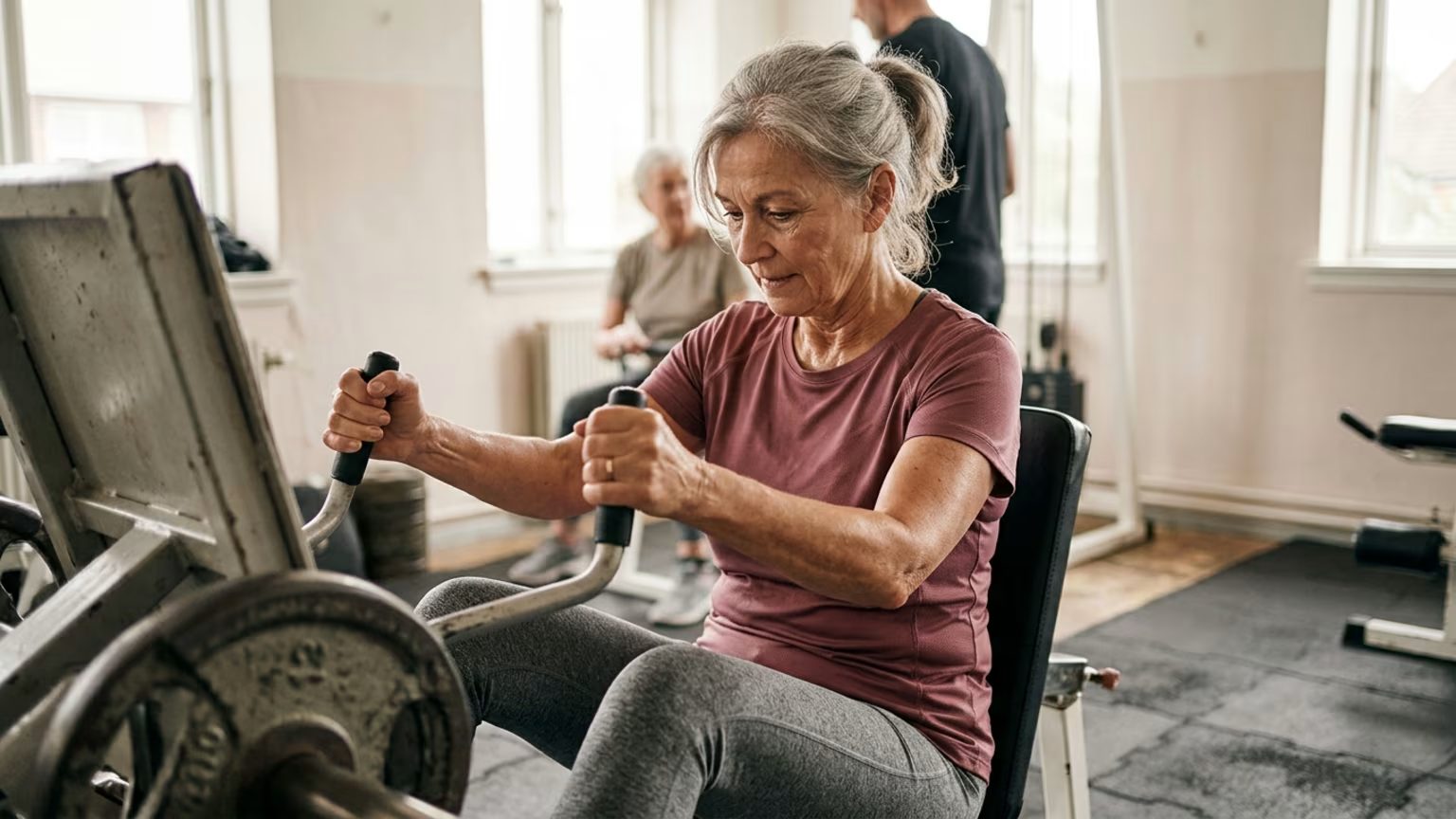
However, dietary changes alone are rarely enough to maintain lean tissue. The review emphasizes that adequate protein works best when paired with physical activity. Resistance exercise is particularly crucial because it strengthens the biological response to dietary protein. This combination helps preserve the muscle mass that supports overall metabolic function and structural vitality.
Finally, prioritize food-based nutrient sources before turning to concentrated pills. Obtain calcium from your diet whenever possible and discuss personal vitamin D or iron needs with a clinician. Avoid self-prescribing high-dose supplements based on media headlines or isolated studies. True tissue support requires a comprehensive approach to nutrition for hair growth and strength over time.
As consumers become more scientifically literate, the demand for transparent, sex-specific clinical data will only continue to grow. We are rapidly moving away from the era where the male body served as the default template for wellness protocols. The controversy in Spain highlights a critical turning point for how public health information is generated and shared. How quickly will the global health and beauty industries adapt their research methodologies to truly reflect the biological reality of women?
Stay connected for research and practical guidance on skin, hair, collagen, nutrition and beauty longevity. Clear ideas for people who want to understand how appearance changes with age and make better-informed choices over time.


Understand your skin, hair and body better without chasing every new trend, treatment or promise.
explore the Blog