A recent report highlights a potential link between sleep disruption and hair shedding. Learn what the clinical evidence says about telogen effluvium triggers.





On September 22, 2026, The Economic Times published a report highlighting a possible relationship between sleep disruption and hair shedding. The article referenced a systematic review in the journal Dermatology and Therapy. This review linked disrupted sleep with a pro-inflammatory state and raised markers associated with hair conditions like telogen effluvium and alopecia. The report presented sleep issues as a potential contributor to shedding rather than a standalone cause.
While the article was framed around the warning signs of sleeping late, its broader focus centered on sleep disruption. It suggested that a late bedtime might be worth considering when someone notices increased shedding and no other changes. However, this was presented as a practical suggestion rather than confirmed evidence that a late bedtime independently causes hair loss. The report carefully positioned sleep habits as one possible factor in a much larger biological equation.
To understand this connection, we must first look at how the body processes stress. The American Academy of Dermatology (AAD) states that shedding 50 to 100 hairs a day is entirely normal. However, significantly greater daily shedding is known as excessive hair shedding or telogen effluvium. The recent report suggests that sleep disruption might increase inflammation-related markers that are often present during these shedding phases.
This concept aligns with broader medical consensus on how the body reacts to physical and emotional strain. The MSD Manual lists physiologic and psychological stress among the possible causes of telogen effluvium. Other potential triggers include medications, endocrine problems such as thyroid disease, and nutritional deficiencies in zinc or biotin. The systematic review highlights that a lack of adequate rest could serve as another form of systemic stress.
Our team at Younell has seen the profound impact of daily habits on biological resilience. During our extensive review of environmental aging, we tested how various lifestyle factors impact skin barrier recovery. It was fascinating to see the data clearly show that simple habits like sleep and basic hydration often outperform the most expensive topical treatments. This reinforced our commitment to emphasizing foundational health over product hype.
Understanding telogen effluvium requires distinguishing it from permanent hair thinning. The AAD describes telogen effluvium shedding as usually temporary in nature. The shedding tends to stop as the body readjusts to normal conditions. Consequently, hair commonly regains normal fullness within six to nine months following the initial disruption.
It is important to view these findings with a measured perspective. The accessible text from The Economic Times does not provide the systematic review's methods, sample sizes, or specific inflammatory markers. While the article discusses sleeping late, the underlying data refers more broadly to general sleep disruption. The publication also includes an educational disclaimer stating the story is not professional medical advice.
Noting that markers are associated with hair conditions is not the same as proving direct causation. The AAD emphasizes that telogen effluvium has multiple potential triggers. Because shedding often appears months after a specific stressor, an apparent connection to recent sleep changes might not actually establish causation. Persistent stress can certainly prolong shedding, but poor sleep should not be assumed as the only explanation.
The underlying systematic review could not be independently checked from the available source material. Its citation details and specific clinical methods are absent from the retrieved article text. Therefore, readers should treat the characterization of the review as an attributed report. It is not an independently confirmed conclusion about the direct effects of sleep timing on hair follicles.
If you notice an increase in hair falling out, it is helpful to look at the larger picture. Readers can note sleep changes alongside other events in the preceding months without assuming sleep is the sole culprit. The AAD lists stressors such as high fever, surgery, childbirth, substantial stress, and losing 20 pounds or more. You can read more about how weight changes affect your body in our guide to weight loss and hair shedding.
I remember speaking with a dermatologist who told me her patients were coming in with severe anxiety about normal skin aging. That anxiety was driven entirely by social media filters and aggressive marketing. That conversation became a cornerstone of our philosophy at Younell. We decided right then that our publication would never frame natural changes like wrinkles or thinning hair as personal failures.
Instead of worrying over a few nights of late sleep, take a practical approach to your hair health. Consider reviewing your recent medical history for changes in medication, illness, or significant life stressors. The MSD Manual points out that stopping birth-control pills can also trigger a shedding phase. Tracking these events provides a much clearer picture of your overall physiological health.
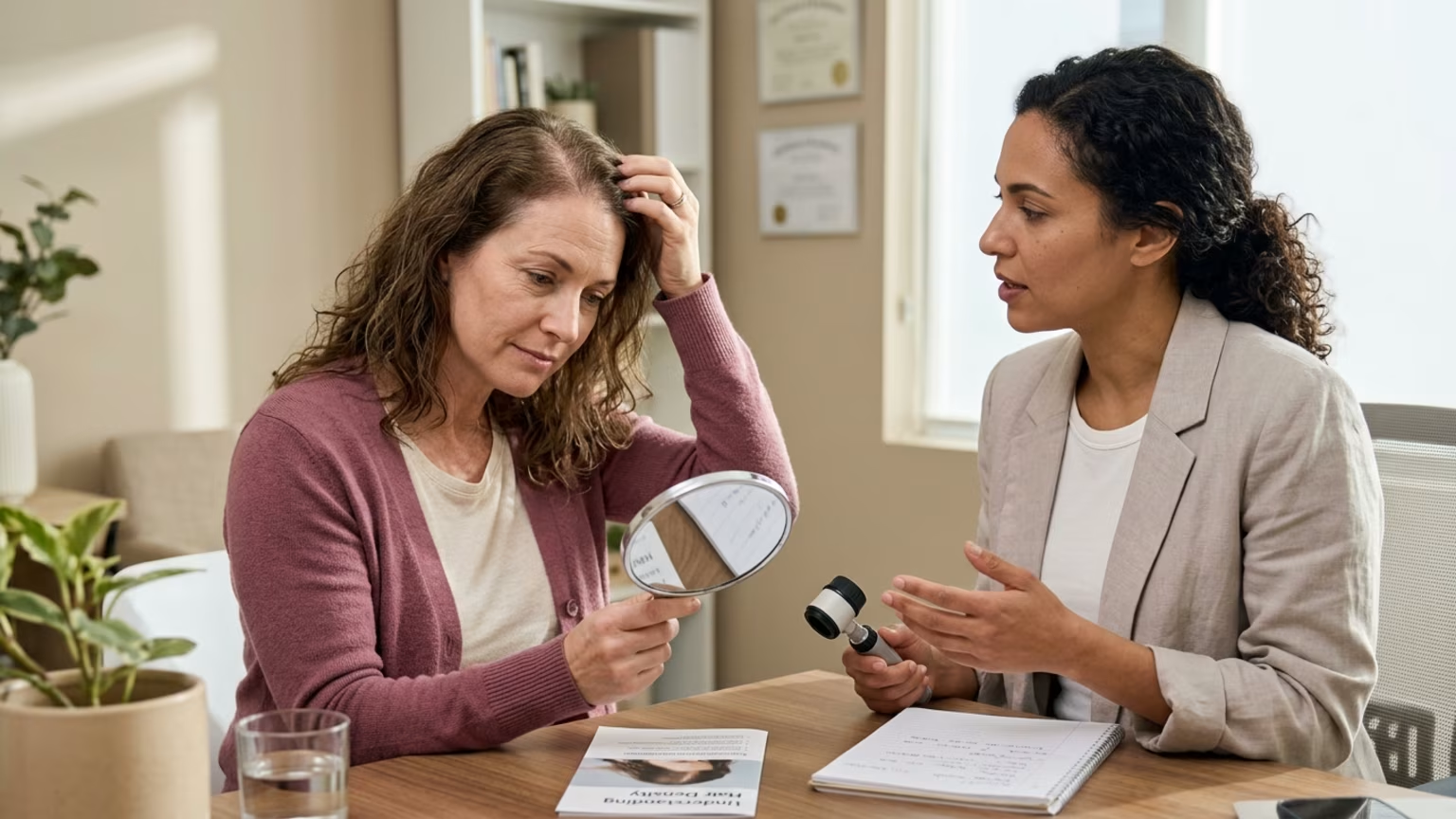
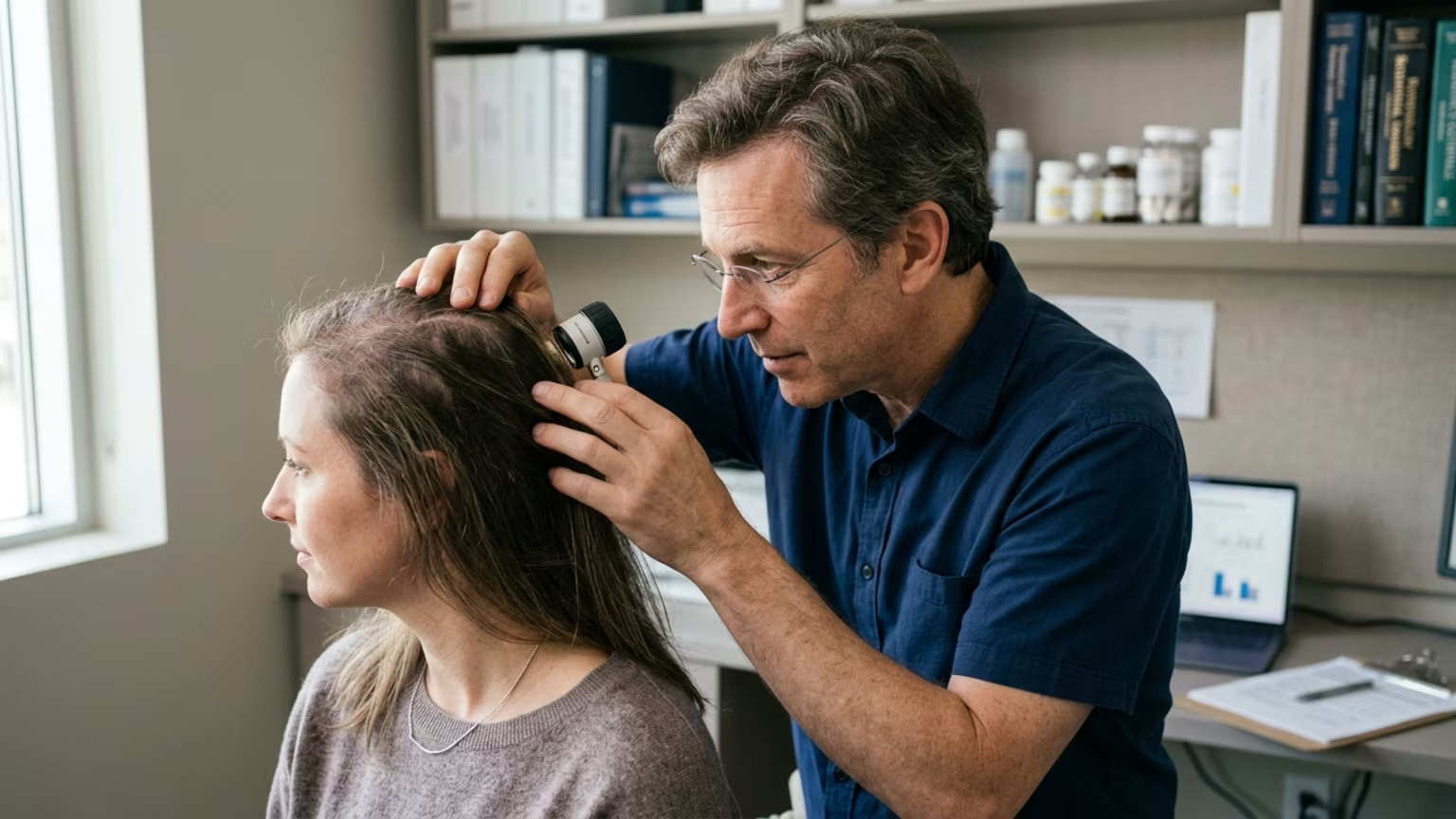
The AAD recommends consulting a dermatologist for concerns about the amount of hair falling out. A medical professional can accurately distinguish between temporary shedding and progressive hair loss. They can investigate the root causes and discuss appropriate treatment options tailored to your specific situation. This clinical evaluation is far more reliable than relying solely on a sleep-focused explanation.
This recent report adds another interesting layer to our understanding of the body's internal ecosystem. It reinforces the idea that biological systems and inflammatory responses are deeply interconnected. As researchers continue to study these inflammatory markers, will future clinical guidelines officially incorporate sleep quality into standard dermatologic assessments? We look forward to seeing how this area of beauty science evolves.
Stay connected for research and practical guidance on skin, hair, collagen, nutrition and beauty longevity. Clear ideas for people who want to understand how appearance changes with age and make better-informed choices over time.



Understand your skin, hair and body better without chasing every new trend, treatment or promise.
explore the Blog