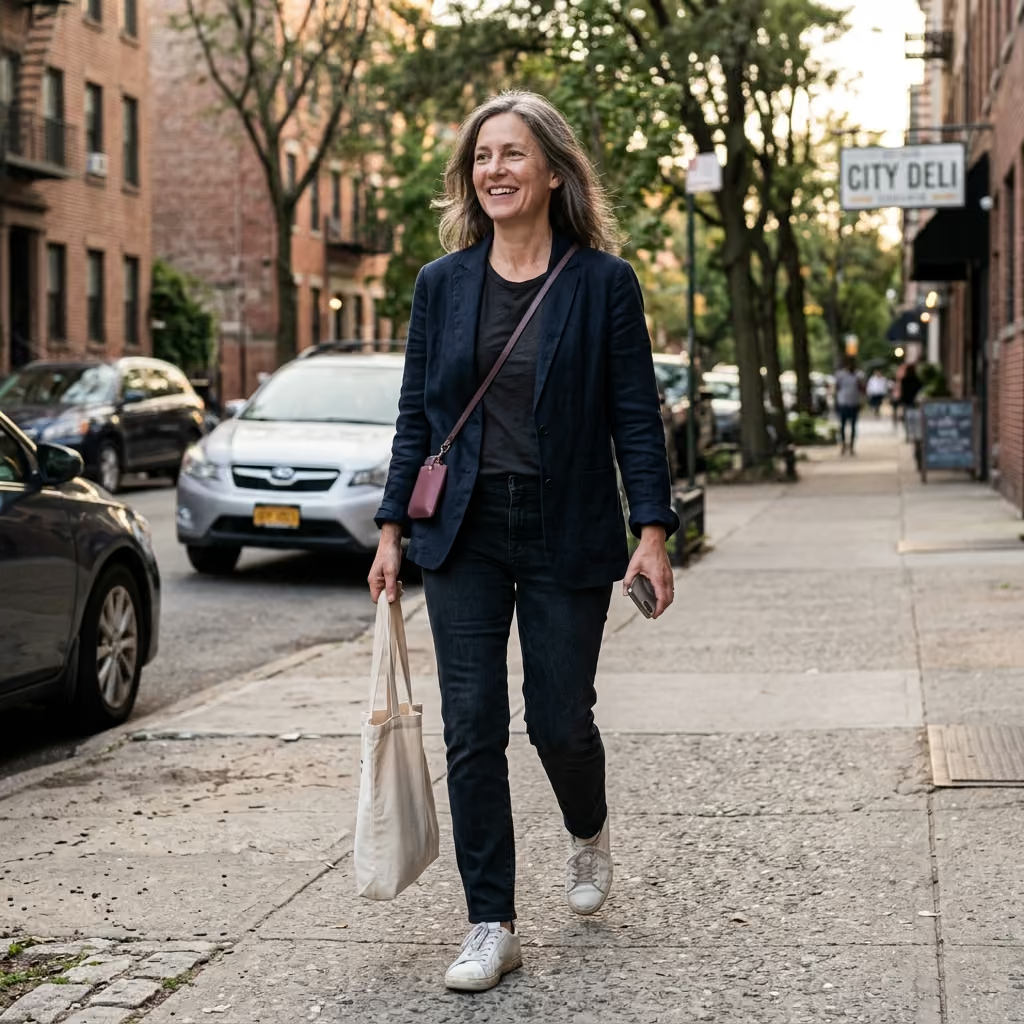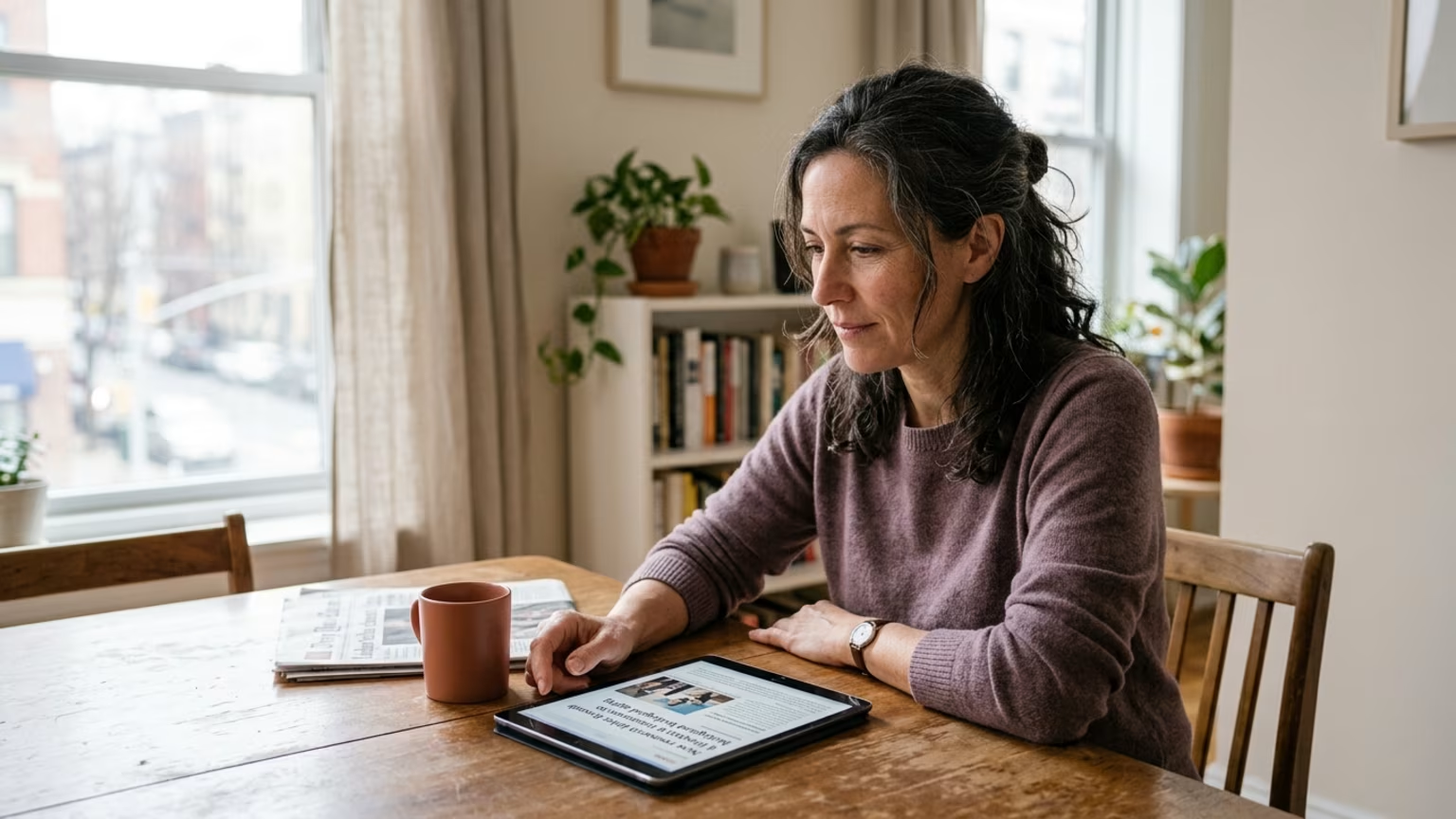

A 2026 healthy aging survey highlights four surprising lifestyle factors that accelerate biological aging and outlines daily habits for systemic longevity.





In 2026, EatingWell reported on the second annual U.S. News & World Report healthy aging survey. The publication detailed insights from 63 health professionals, including longevity experts, dietitians, and scientists, regarding the daily habits that influence our biological timelines. Rather than pointing to obvious lifestyle choices, the survey highlighted social isolation, circadian disruption, chronic micro stress, and everyday environmental exposures as primary accelerators of biological aging. This guidance shifts the focus from isolated commercial treatments to a comprehensive view of how daily choices affect systemic health.
The biological reality of healthy aging extends far beyond topical skincare and single ingredient supplements. Surveyed experts overwhelmingly identified social isolation as the most underrated potential accelerator of biological decline. According to David Katz, M.D., M.P.H., a survey participant quoted by EatingWell, loneliness can erode purpose and disturb mental health. This lack of connection compounds daily stress and sabotages sleep quality. These cascading effects demonstrate that lifestyle domains constantly interact with one another.
Chronic micro stress also plays a significant role in cellular health. This term refers to small, daily tensions that accumulate into unmanaged psychological strain over time. Prolonged stress can damage cells and contribute to chronic inflammation, which is a known disruptor of tissue repair processes throughout the body. While the primary EatingWell feature focuses on internal health, controlling systemic inflammation is biologically essential for maintaining healthy skin and hair over time.
Additionally, the experts pointed to circadian disruption and everyday environmental exposures as notable longevity concerns. Circadian disruption interferes with the natural cellular repair cycles that occur during rest. Meanwhile, environmental factors like microplastics and endocrine disrupting chemicals are currently under investigation. Researchers are examining how oxidative stress and mitochondrial dysfunction might connect these everyday exposures to the broader aging process.
A closer look at the survey data provides helpful context for women navigating longevity research. Out of the 63 professionals surveyed, only 35% suggested a multivitamin for healthy aging. Furthermore, just 22% recommended adding a vitamin D supplement to a daily routine. The experts prioritized basic behaviors over expensive biological interventions, recommending a consistent baseline of seven to nine hours of sleep per night. Physical activity, balanced nutrition, and restorative rest were identified as the top three general habits for systemic longevity.
Secondary dermatology research supports the connection between consistent movement and structural skin health. One cited study involving sedentary middle-aged women found that 16 weeks of exercise was associated with improvements in skin elasticity and upper dermis structure. Additionally, resistance training increased dermal thickness and affected extracellular matrix gene activity in the studied group. A 2026 peer reviewed review also describes exercise as the most consistently supported multisystem geroprotective intervention available today.
However, readers must view these survey findings with scientific caution and realistic expectations. The EatingWell feature is based on an aggregation of expert opinions, not a randomized clinical trial. Therefore, it cannot prove that any single factor directly causes accelerated biological aging in every person. Furthermore, the original article makes no specific claims about skin, hair, or collagen improvements resulting from these habits.
It is equally crucial to distinguish between cellular markers and cosmetic reality. A person might improve their internal inflammation metrics without seeing a predictable reduction in visible wrinkles or pigmentation. Additionally, a 2026 review notes that many advanced longevity strategies remain in early clinical stages. Interventions targeting metabolic modulation or stem cells are not yet proven solutions for everyday consumers. You cannot assume that understanding the lifestyle factors that influence biological aging will instantly reverse visible structural changes.
Translating these survey findings into daily life requires a focus on sustainable habits rather than dramatic overnight changes. The following expert recommendations offer a realistic framework for supporting your systemic health over time.
Building a mixed physical activity routine is highly recommended for long term physical resilience. Experts suggest combining cardiovascular work with dedicated strength training each week, rather than relying on one type of exercise. This varied approach supports different aspects of physical function, metabolic health, and muscle retention. A consistent fitness routine is a core component of practical lifestyle resilience strategies for modern adults.
Prioritizing consistent sleep quality is essential for cellular repair and hormone regulation. Aiming for seven to nine hours of rest is a strong target, but regular timing is equally critical for preventing circadian disruption. Changes in natural melatonin production can make consistent sleep patterns more difficult as we get older. Maintaining a steady sleep schedule helps regulate the body and mitigate the physical effects of accumulated stress.
Protecting your social health is just as important as managing your diet or exercise routine. The surveyed experts defined social isolation as a lack of meaningful community engagement, not just living alone. Scheduling regular interactions with supportive people is a recognized strategy for reducing psychological burden and lowering systemic stress. This approach aligns perfectly with emerging data on how meaningful social interaction supports healthy aging.
Engaging proactively with your healthcare provider is a highly effective longevity habit. For women in midlife, scheduling preventive care appointments allows you to track vital health markers before symptoms become severe. Experts recommend discussing bone density, muscle strength, blood pressure, and menopause symptoms with a qualified clinician. Always consult your doctor before starting new supplements, even if they are popular in longevity circles.
As healthy aging research continues to evolve, the conversation is clearly shifting away from single target interventions. Scientists are increasingly framing cellular longevity as a multisystem issue involving physical health, sleep, and mental well being. Will future clinical guidelines integrate social and emotional metrics directly into standard longevity assessments? As researchers uncover exactly how lifestyle choices influence our biological timelines, the foundation of lasting health remains rooted in consistent daily behaviors.
Stay connected for research and practical guidance on skin, hair, collagen, nutrition and beauty longevity. Clear ideas for people who want to understand how appearance changes with age and make better-informed choices over time.


Understand your skin, hair and body better without chasing every new trend, treatment or promise.
explore the Blog