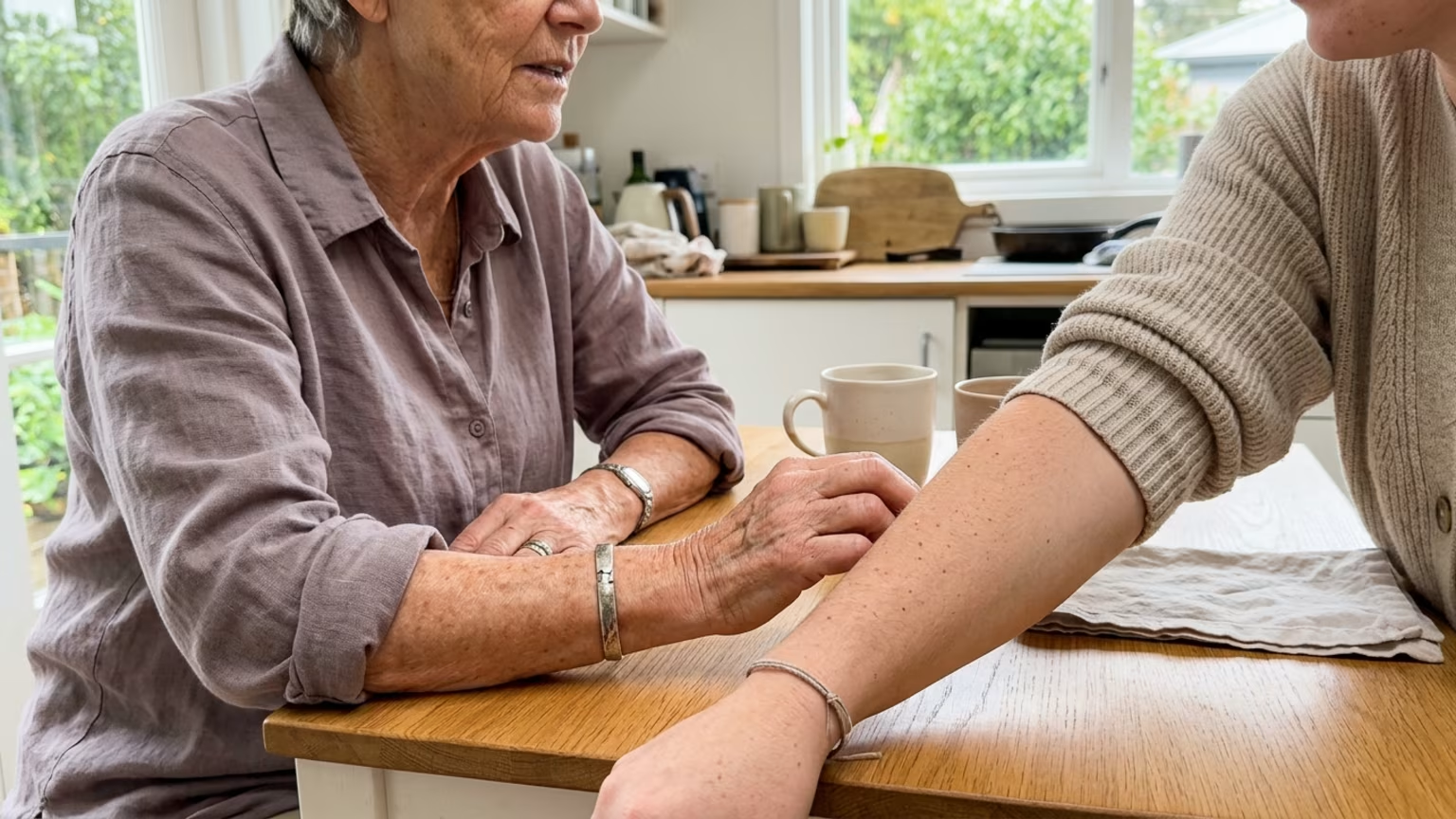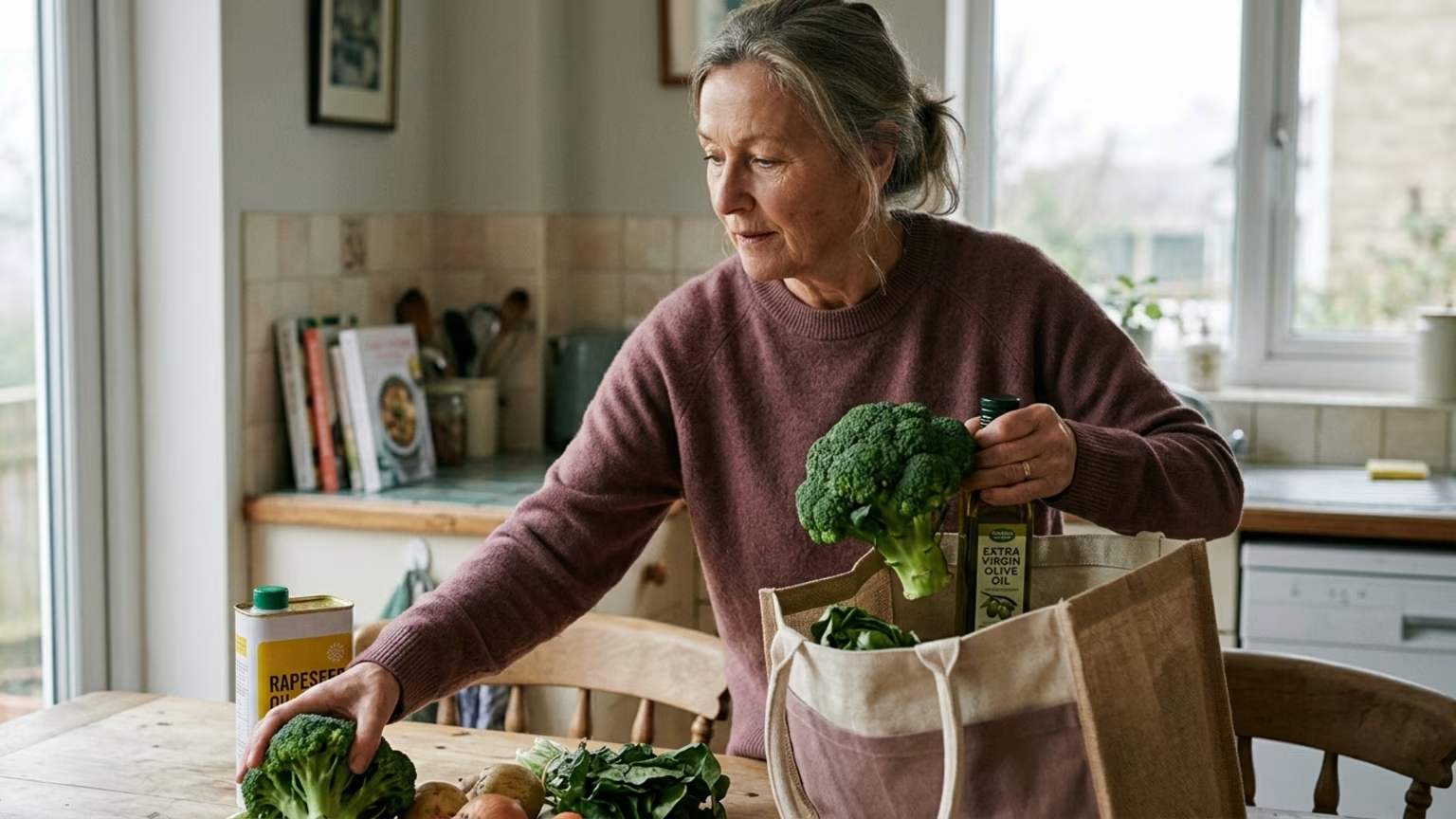

A 2026 survey found over 60 percent of patients reported aesthetic or physical concerns during medical weight loss. We translate the science and limitations.





In September 2026, a voluntary survey published in the International Journal of Women’s Dermatology revealed new insights about medical weight management. Santiago Mangual and colleagues assessed 1,226 people receiving pharmacologic weight-management treatments. The researchers found that more than 60 percent of respondents reported at least one aesthetic or physical concern. These reported concerns included skin laxity, facial volume loss, hair shedding, and reduced strength.
This survey offers a helpful starting point for patients and clinicians navigating modern obesity care. It highlights that profound weight reduction involves the whole body. Patients frequently notice changes that go beyond a number on the scale. We can use this data to frame more comprehensive conversations about healthy aging during major life transitions.
Losing substantial weight alters body composition across multiple systems. When a person reduces their body mass significantly, they lose fat alongside connective tissue and sometimes lean muscle. This physiological reality helps explain the physical shifts patients notice during pharmacologic weight management. Because the skin must adapt to a shrinking physical foundation, it can lose its previous structural tension.
A popular term has emerged in the media to describe this predictable facial volume loss. However, this catchy label is not a clinical diagnosis established by the recent survey. Facial volume naturally decreases when fat pads shrink during any form of major weight reduction. The survey does not show that these medications directly damage facial tissue on a cellular level.
Hair shedding is another common biological response to major physical changes. A severe caloric deficit or rapid weight reduction can cause a temporary shedding phase called telogen effluvium. During this phase, the body redirects energy away from hair production to support more critical systemic functions. A 2026 narrative review published in the Aesthetic Surgery Journal Open Forum added further context regarding these biological trade-offs.
The review proposed that reduced food intake and nutritional deficiencies may contribute to impaired dermal repair. These nutritional gaps can become prominent when suppressed appetite makes eating difficult for extended periods. The review identified deficiencies in vitamin D, iron, and protein as particularly relevant to maintaining skin resilience. It noted that without adequate building blocks, the body struggles to maintain healthy tissue turnover.
The data highlighted in the review provides a clearer picture of these nutritional risks. It reported a vitamin D deficiency in 13.6 percent of patients at 12 months. Furthermore, at least one documented nutritional deficiency occurred in approximately 22.4 percent of patients within a year. These findings reinforce the idea that successful weight management requires careful nutritional monitoring to preserve tissue health.
The patient survey provides clear data on how weight loss volume correlates with aesthetic concerns. Reported physical changes became noticeably more common as the amount of weight lost increased. A secondary report categorized these findings based on the total percentage of body weight lost. These specific numbers help clarify the likelihood of experiencing certain physical shifts as treatment progresses.
Among respondents who lost more than 20 percent of their body weight, the reporting rates were significant. Approximately 72 percent of this group reported skin sagging. Additionally, 52 percent reported hair loss and 50 percent reported decreased facial volume. These figures demonstrate how substantial mass reduction reliably impacts the visual markers of aging across a wide population.
The reported percentages dropped considerably for those who lost between 10 and 20 percent of their weight. In this middle group, roughly 44 percent reported skin sagging. About 30 percent noticed hair shedding and 37 percent observed decreased facial volume. These numbers show a direct correlation between the degree of mass reduction and visible tissue changes.
Finally, patients losing less than 10 percent of their body weight reported the fewest aesthetic concerns. Only 15 percent of this group experienced skin sagging. Hair loss was noted by 17 percent and decreased facial volume by just 13 percent. A separate 2026 Penn Medicine analysis found users of GLP-1 medicines with type 2 diabetes were 37 percent more likely to report hair loss than those using SGLT2 inhibitors.
While these statistics are compelling, we must interpret them with strict scientific caution. The central limitation of the survey is its complete inability to prove causality. The researchers could not determine if the reported changes were caused by the medication or the weight loss itself. Other factors like rapid shedding of pounds and underlying nutritional deficiencies likely play a primary role.
The voluntary nature of the survey also introduces a potential element of selection bias. People who experienced frustrating aesthetic changes might have been much more motivated to participate. Furthermore, the study population consisted predominantly of White women receiving care through a telemedicine platform. This specific demographic makeup severely limits how confidently we can apply the findings to other populations.
The survey structure also lacked important clinical variables for a complete medical picture. The researchers did not record the speed or rate at which participants lost weight. They also relied entirely on self-reported patient perceptions rather than objective clinical diagnoses from a physician. The reported percentages describe perceived concerns rather than confirmed medical conditions like sarcopenia or true alopecia.
When we first started reviewing clinical trials on collagen supplementation, I was struck by how often the media misinterpreted the data. A minor increase in skin elasticity was suddenly headlined as a massive breakthrough. This made me realize how desperately consumers need a clear translator for beauty science. We see a very similar media reaction happening right now with medical weight management outcomes, making accurate translation essential.
The first step for women navigating these treatments is initiating open medical communication. Ask your prescribing clinician to include skin and hair health in your routine follow-up visits. Instead of focusing solely on the scale, discuss how to protect your facial structure. This proactive approach ensures your healthcare team monitors your overall vitality rather than just your weight.
Nutrition is equally critical when managing a medically suppressed appetite over long periods. Work with a registered dietitian to prioritize adequate daily nourishment despite reduced hunger cues. Emphasizing quality protein for healthy aging can support your body as it adapts to caloric deficits. The narrative review recommended dietary optimization and targeted laboratory testing for at-risk patients.
You should also be prepared to investigate sudden physical shifts thoroughly with your doctor. Treat new hair shedding as a reason for medical assessment rather than blaming the medication automatically. Persistent shedding might require a broader evaluation to rule out thyroid issues or specific iron deficiencies. Understanding how to protect your hair during body composition changes helps you maintain a calm perspective.
Incorporate appropriately supervised resistance exercise to preserve muscle strength when medically suitable. This physical conditioning helps counter the lean mass reductions often seen during rapid weight reduction phases. Combining steady nutrition with strength training provides a strong foundation for long-term physical resilience. These foundational habits support your body safely as it adapts to its new shape.
The beauty science sector is responding rapidly to the changing needs of medical weight loss patients. We are seeing increased clinical interest in targeted skin quality care and advanced regenerative procedures. However, many current cosmetic claims remain completely untested in this specific patient population. Will future research finally separate the effects of rapid weight loss from the cellular impacts of the medications themselves?
Stay connected for research and practical guidance on skin, hair, collagen, nutrition and beauty longevity. Clear ideas for people who want to understand how appearance changes with age and make better-informed choices over time.





Understand your skin, hair and body better without chasing every new trend, treatment or promise.
explore the Blog