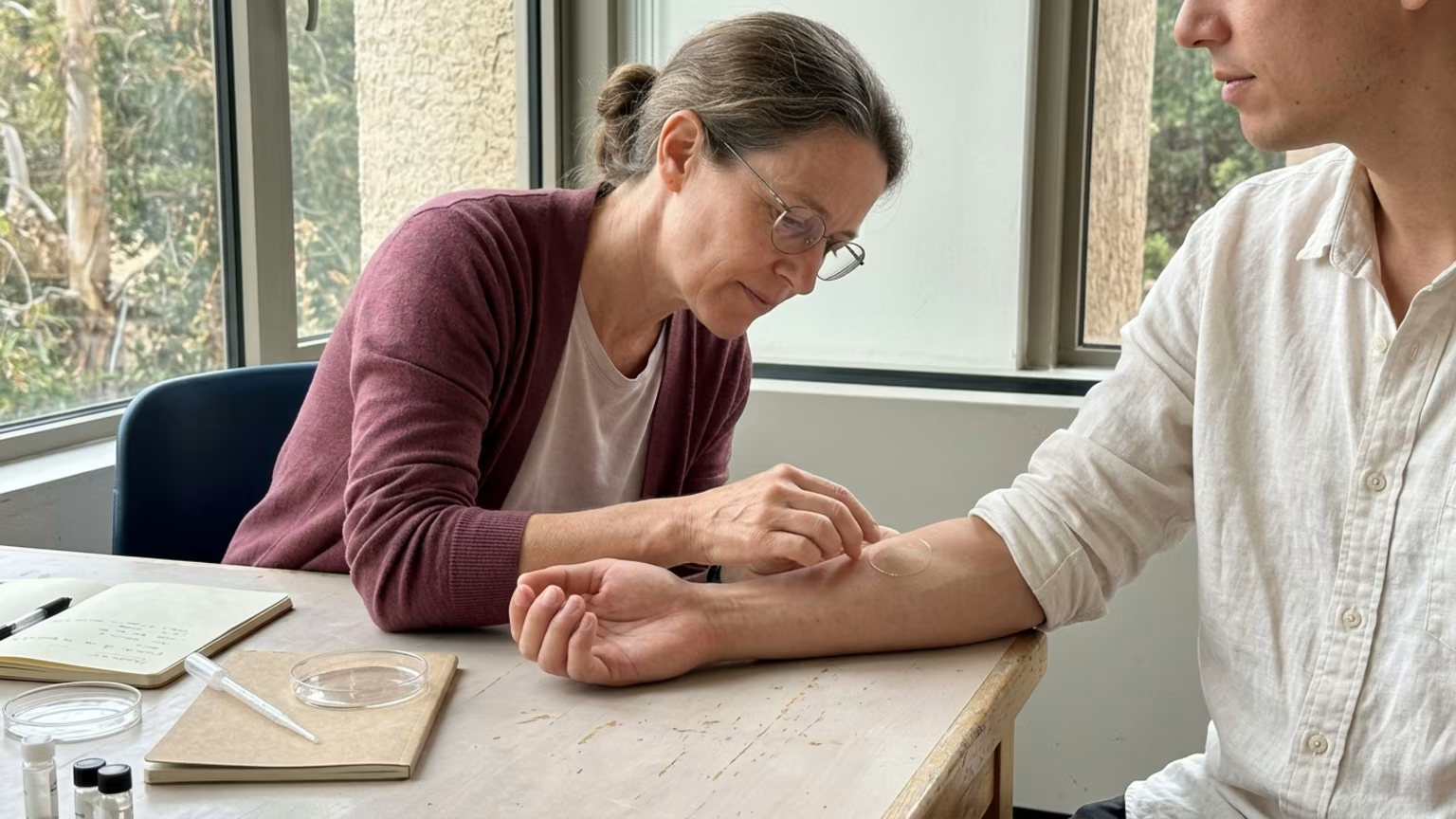

A longevity expert reveals why protein, sleep, and glucose control often outperform expensive cosmetic procedures for maintaining structural skin health over time.





Skincare products can take at least six weeks, and sometimes three months, before initial results become apparent. This extended timeline highlights a biological reality about tissue regeneration and cellular turnover. True structural changes rely heavily on internal health rather than solely on immediate topical interventions. While aesthetic medicine offers targeted solutions, daily nutrition and lifestyle choices form the necessary baseline for healthy aging.
During our extensive research into environmental aging, we tested how various lifestyle factors impact skin barrier recovery. It was fascinating to see the data clearly show that simple habits like sleep and basic hydration often outperform the most expensive topical treatments. This reinforced our commitment to emphasizing foundational health over product hype. We consistently see that the most resilient complexions belong to those who prioritize systemic well-being. Understanding skin longevity principles means recognizing that our outer layer is a direct reflection of our internal systems.
A recent interview highlights the growing consensus that everyday habits dictate physical appearance more than isolated cosmetic procedures. On August 31, 2026, the Spanish outlet Deia published an article featuring longevity specialist Dr. Rodrigo Arteaga. He outlined a clear philosophy for maintaining skin integrity.
The biological connection between metabolism and skin integrity is gaining well-deserved attention in medical literature. Recent dermatology research is examining how metabolic and insulin-related pathways may affect skin biology. Our outer barrier relies on a steady supply of internal resources to repair daily environmental damage. When glucose levels spike repeatedly, the resulting metabolic stress can influence structural tissues over time.
Protein plays a critical role in this continuous repair process. Arteaga notes that adequate protein participates in the formation and maintenance of body tissues. Without sufficient amino acids, the body struggles to sustain the structural proteins that provide facial elasticity and firmness. This makes nutrition for cellular health a non-negotiable factor in any routine.
Sleep is another vital biological mechanism for managing systemic inflammation. Arteaga suggests that securing seven to nine hours of rest helps the face look fresher, less puffy, and significantly less inflamed. During these sleeping hours, the body shifts energy toward cellular repair, moisture balancing, and recovery. Chronic sleep deprivation interrupts this restorative window, leading to visible signs of fatigue and accelerated wear over the years.
The specific recommendations provided in the Deia interview are refreshingly accessible for most adults. Arteaga suggests aiming for at least 30 minutes of daily walking. He notes that simply getting off a bus or metro stop early is an easy way to build this habit. These modest movement goals stimulate circulation and support metabolic function without requiring intense, exhausting workouts.
The American Academy of Dermatology provides complementary guidance that reinforces this balanced, lifestyle-centric approach. They state that eating a balanced diet, consuming fresh fruits and vegetables, and exercising most days can help prevent premature damage. The AAD also recommends daily broad-spectrum sunscreen with SPF 30 or higher, along with avoiding intentional tanning and stopping smoking. This comprehensive view proves that external protection and internal health are inherently linked.
It is crucial to understand how topical products interact with these internal habits. The AAD explains that a moisturizer traps water in the skin, which can temporarily reduce the appearance of some fine lines. Meanwhile, consistent sunscreen application protects the face against UV-driven premature aging. External care manages environmental exposure, while daily lifestyle choices support the underlying biological foundation.
While the longevity interview provides excellent foundational advice, it is a practitioner's checklist rather than a rigorous clinical trial. The Deia article does not supply participant numbers, control groups, effect sizes, or validated skin measurements. Readers should view these recommendations as practical guidelines rather than a clinically proven protocol for reversing established wrinkles. Individual responses to dietary and lifestyle changes will vary significantly based on genetics and existing health conditions.
The advice on macronutrients also lacks specific, individualized targets. The interview does not establish a universal protein requirement specifically for preventing wrinkles or boosting collagen. For context, a 2026 Frontiers in Aging editorial discusses general protein ranges of 1 to 1.2 grams per kilogram of body weight per day for healthy aging. It notes a higher range of 1.2 to 1.5 grams for individuals managing chronic conditions.
However, these figures are broad aging guidelines and should not be treated as exact cosmetic prescriptions for every woman. Similarly, the recommendations surrounding blood-glucose management require thoughtful nuance. The Deia article advises reducing ultra-processed carbohydrates, but it does not specify an optimal blood-glucose range. It also does not define exact parameters for the suggested healthy fats.
Because clinical specifics are omitted, consumers should focus on overall dietary patterns rather than tracking restrictive daily quotas. Start by building meals around high-quality protein and healthy fats. Add complex carbohydrates like legumes and vegetables to support tissue maintenance. Adopting sustainable lifestyle practices can help integrate these nutritional shifts smoothly over time without feeling deprived.
Movement and rest are equally critical components of this practical framework. Commit to a daily 30-minute walk, finding ways to incorporate it naturally into your commute or evening schedule. Protect your sleep window fiercely, aiming for the recommended seven to nine hours of uninterrupted rest. These free, accessible habits provide cumulative benefits that extend far beyond physical appearance, supporting your overall longevity and daily energy levels.
Finally, remember to integrate sensible topical protection to defend your skin from external stressors. A reliable broad-spectrum SPF 30 sunscreen and a gentle moisturizer are essential daily tools. Avoid using too many active ingredients at once, as the AAD warns that products causing burning or stinging can irritate the face and make signs of aging more noticeable. The goal is to gently support your natural barrier, not to overwhelm it with harsh treatments.
A persistent myth in the beauty industry is that aging can be entirely managed from the outside. Marketing campaigns often suggest that the right serum or aesthetic operation can reverse the impacts of poor sleep and poor nutrition. The reality highlighted by longevity experts is that visible aging is deeply intertwined with our overall metabolic health. Serums cannot replace the tissue-building power of dietary protein, nor can they replicate the restorative benefits of deep sleep.
Conversely, it is also a myth that topical skincare is completely useless. While lifestyle habits dictate structural integrity, evidence-based topicals remain highly relevant. Sunscreen is absolutely necessary to block UV radiation, and moisturizers successfully improve barrier function by trapping essential water. A truly effective routine seamlessly blends internal metabolic support with targeted external protection, acknowledging that both play distinct, valuable roles.
Emerging dermatology research suggests that metabolic and insulin-related pathways do affect skin biology. Replacing ultra-processed carbohydrates with vegetables, fruits, and legumes helps manage glucose levels, which may support overall tissue health and elasticity over time.
Biological shifts happen gradually, requiring patience and consistency. The AAD cautions that many skincare products require at least six weeks, and sometimes three months, before results become visible. Lifestyle changes often follow a similarly steady, long-term timeline before external improvements emerge.
No, provided your products do not cause irritation, burning, or stinging. Gently cleansing, moisturizing, and applying broad-spectrum SPF 30 or higher remain highly recommended practices for protecting your skin from daily environmental damage.
As beauty science continues to evolve, the most sustainable path forward often leads back to the basics of human health. The everyday choices we make regarding nourishment, movement, and rest leave a quiet, lasting imprint on our physical resilience. We build true longevity slowly, supporting our bodies with the fundamental care they require to thrive over the decades.
Stay connected for research and practical guidance on skin, hair, collagen, nutrition and beauty longevity. Clear ideas for people who want to understand how appearance changes with age and make better-informed choices over time.




Understand your skin, hair and body better without chasing every new trend, treatment or promise.
explore the Blog