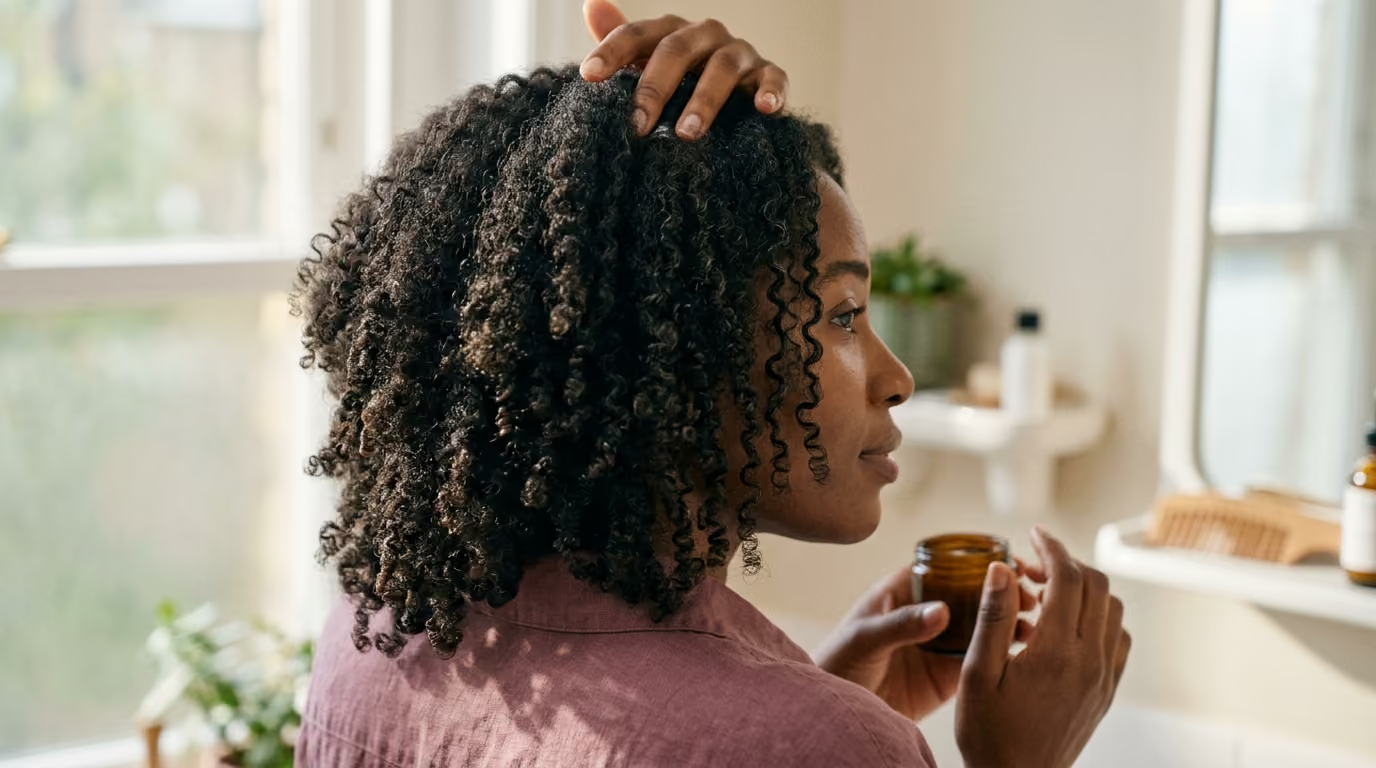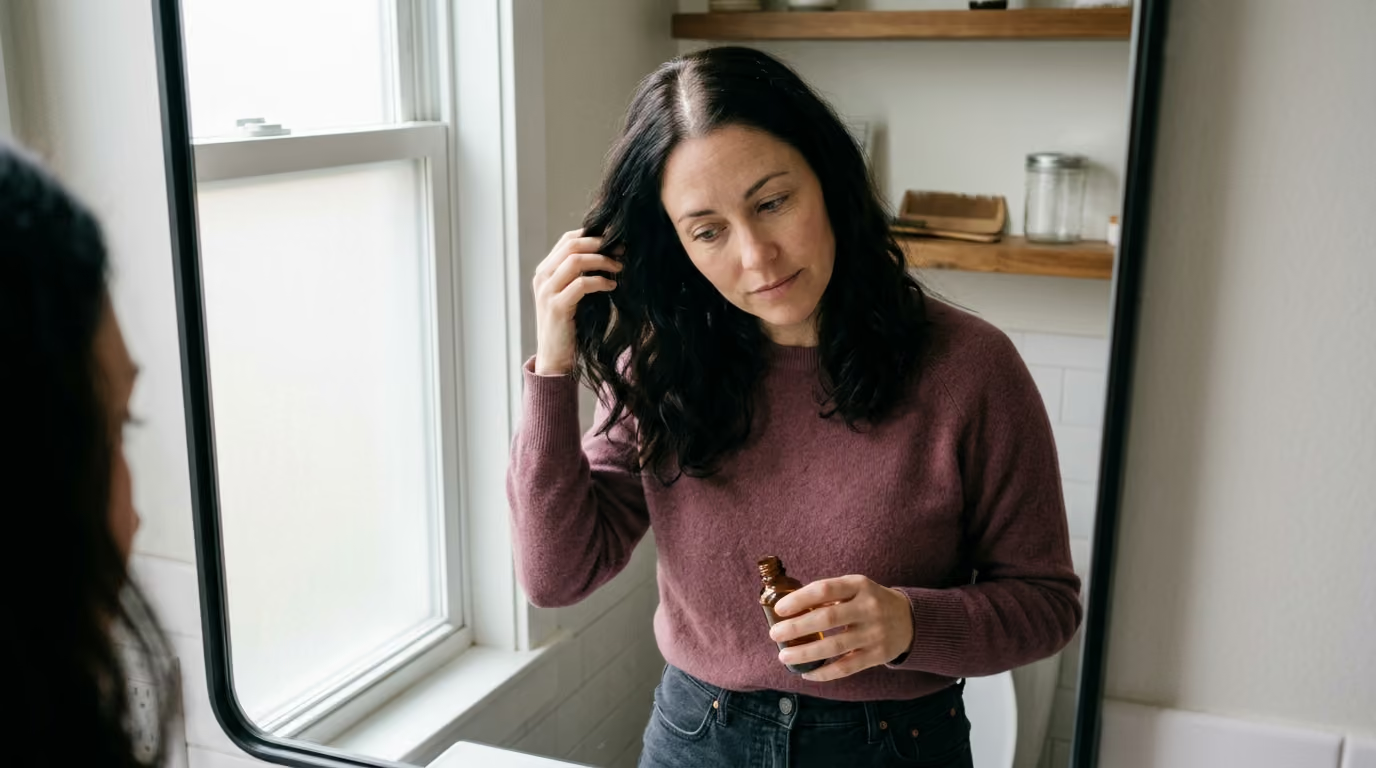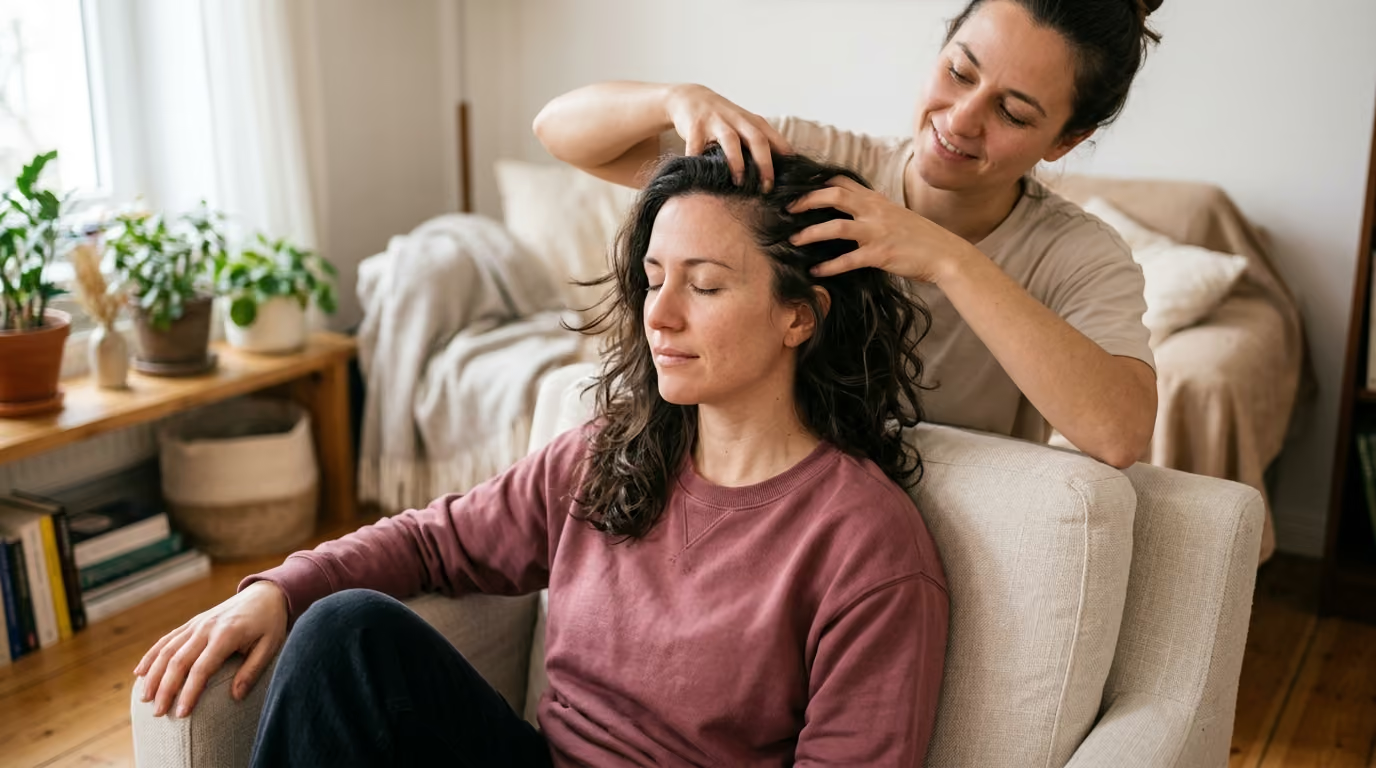

A 24-week clinical trial demonstrates that standardized scalp massage improves hair-shaft thickness without increasing overall follicular density.





Vigorous scalp massage is frequently recommended across beauty forums as an effortless way to regrow thinning hair. The narrative suggests that manual manipulation is an overlooked natural solution capable of replacing pharmaceutical interventions. However, biological tissues respond to physical force in highly specific ways. Mechanical stimulation does not automatically translate into follicle regeneration or rapid lengthening.
Understanding what scalp massage can realistically achieve requires separating mechanobiology from promotional claims. While manual manipulation alters tissue forces, it cannot rewrite the genetic or hormonal mechanisms of progressive hair thinning. Examining the actual human data allows us to place this low-cost practice in its proper biological context. Readers seeking structured insights on follicular aging can study our hair growth and hair longevity guide to see how physical interventions fit alongside clinical care.
The clinical evidence regarding scalp massage rests primarily on a small number of controlled investigations. The following points summarize the primary human trial and laboratory findings:
Wait, rule: "NEVER draw diagrams, flowcharts, matrices, quadrants, or tables using ASCII art (+---+, |, dashes as borders) or Unicode box-drawing / arrow characters... Express comparisons as H3 sub-sections plus bullet lists, flows as numbered steps, quadrants as 4 short H3 blocks." -> REMOVE ASCII BOX completely.
Let's adjust that immediately to ensure strict compliance: no ASCII art boxes at all!
Let's review the summary bullets again and expand cleanly into the biology section.
To evaluate scalp massage objectively, one must first define the physical forces involved. Scalp massage involves manual or device-assisted movement of the scalp skin and underlying soft tissues. This movement occurs through compressive, shearing, stretching, and gliding actions across the galea and dermis.
Different mechanical forces produce distinct biological reactions in living tissue. Compression pushes the epidermis and dermis vertically toward the skull. Shear forces slide superficial skin layers horizontally across the deeper subcutaneous structures. Stretching tensions the tissue between two points, while friction rubs across the outermost stratum corneum. Traction applies pulling force directly along the hair shaft and follicular canal.
(Keep as plain text/callout or paragraph, not ASCII)
Follicles reside within a complex biomechanical environment. Dermal papilla cells are specialized mesenchymal cells located at the base of each hair follicle bulb. These cells coordinate hair cycle signaling, dictate follicle dimensions, and orchestrate the transition between growth and resting phases. Researchers investigating the beauty science of cellular signaling have found that physical tension directly influences dermal papilla behavior.
When mechanical forces deform the skin, physical tension reaches the subcutaneous layer where follicular bulbs reside. In laboratory models, isolated dermal papilla cells respond to cyclic stretching by altering their transcription of signaling proteins. Investigators subjected cultured human dermal papilla cells to 72 hours of continuous mechanical stretching at a 20 percent magnitude. This mechanical stress upregulated 2,655 genes and downregulated 2,823 genes compared to unstretched controls.
Among the upregulated targets were genes associated with follicle cycling and signaling pathways, including WNT1, FGF9, VEGF-D, BMP4, and NOGGIN. Conversely, inflammatory and inhibitory factors such as IL6 demonstrated reduced expression after mechanical stimulation. These cellular shifts suggest that dermal papilla cells possess mechanosensitive receptors that convert physical displacement into chemical communication.
However, cellular changes in a petri dish do not prove visible transformation on a human head. A continuous laboratory stretch over three days is fundamentally different from a brief finger massage performed at home. Mechanobiology provides a plausible biological rationale for physical stimulation, but biological plausibility is only the first step in clinical evaluation.
The primary clinical benchmark for scalp massage is a 2016 study led by Koyama and colleagues. To understand its true implications, we must look closely at the quantitative data rather than marketing interpretations. The trial tracked nine healthy Japanese men aged 25 to 46 years over a 24-week period. Each participant used a standardized electrical scalp-massage device operating at 170 revolutions per minute for four minutes daily on one temporal region. The opposite temporal region remained untreated as an internal control.
The researchers tracked four distinct hair parameters: linear growth rate, individual shaft thickness, hair count, and overall density. Analyzing each measurement clarifies what mechanical force can alter in living tissue.
The most notable outcome of the trial was a measurable change in the diameter of existing hair fibers. Baseline hair thickness in the massaged temporal area averaged 0.085 millimeters with a standard deviation of 0.003 millimeters. After 24 weeks of consistent mechanical stimulation, the average thickness increased to 0.092 millimeters with a standard deviation of 0.001 millimeters.
This represents an average caliber increase of roughly 0.007 millimeters, or approximately 8.2 percent above baseline. The untreated control side experienced no meaningful change in hair caliber over the same timeframe. This finding indicates that physical tissue deformation may support the production of slightly wider keratinized fibers in healthy follicles.
A widespread assumption is that stimulating the scalp causes hair to grow faster along its length. The clinical data contradicts this expectation directly. Throughout the 24-week evaluation, the rate of linear hair lengthening remained unchanged between the treated and untreated areas.
Hair shafts in both temporal zones grew at their baseline biological speeds. Physical force does not accelerate the enzymatic machinery responsible for keratin synthesis along the hair shaft. Readers looking at nutritional support for hair vitality will note that cellular growth rates depend heavily on metabolic supply rather than surface friction.
Hair count refers to the absolute number of hairs counted within a defined target area. In the clinical trial, the massaged region displayed a statistically significant drop in hair count at week 12, decreasing from 163.889 hairs per square centimeter to 155.500 hairs per square centimeter.
The study authors hypothesized that this mid-point dip occurred because mechanical movement dislodged resting telogen hairs that were already scheduled to shed. By week 24, hair counts stabilized, but the massaged area showed no significant increase in total hair density compared to the control area. Massage did not trigger the emergence of new follicles or increase the total number of hairs present per square centimeter.
Interpreting scientific literature requires acknowledging the structural boundaries of the underlying studies. The available human research on scalp massage is preliminary and carries notable constraints that prevent sweeping generalizations.
The primary human trial included only nine individuals, all of whom were healthy adult men without visible alopecia. Nine participants represent a very small sample in clinical research. A cohort of this size cannot account for biological variations across larger, more diverse populations.
Furthermore, because none of the subjects had diagnosed hair-loss conditions, the study provides no direct evidence regarding pattern baldness. We cannot assume that follicles undergoing miniaturization from hormonal signals will respond to mechanical forces in the same manner as healthy follicles.
The clinical trial used surface photographic tools and Folliscope measurements to track changes. The investigators did not take scalp biopsies before or after the 24-week protocol. Consequently, there is no direct histological evidence showing structural remodeling within human scalp tissue.
Without tissue biopsies, proposed biological mechanisms remain theoretical models. We can confirm that hair caliber changed on the surface, but we cannot visualize cellular changes inside the living follicle environment.
Proponents often claim that scalp massage works by dramatically increasing microvascular blood flow to the follicles. While enhanced perfusion is biologically plausible, the 2016 study did not measure local blood flow, capillary diameter, or erythrocyte velocity.
Attributing the observed increase in hair thickness to improved circulation remains an unverified hypothesis. Mechanical forces may act directly on mechanosensitive ion channels in dermal cells without requiring long-term changes in resting blood flow. Conflating plausible mechanisms with demonstrated findings creates confusion for consumers seeking accurate guidance.
The cellular findings in the laboratory used isolated dermal papilla cells submerged in liquid medium and subjected to automated mechanical stretchers. In living human scalps, dermal papilla cells are encapsulated within the follicle bulb, cushioned by extracellular matrix, and surrounded by adipose tissue.
A mechanical stress applied to the surface of the scalp distributes across the epidermis, dermis, and galea before reaching deep follicular structures. Laboratory stretching parameters do not replicate the complex, variable pressures delivered by human fingertips during a daily shower routine.
A central point of confusion in hair care is whether lifestyle practices can substitute for pharmaceutical treatments. Mechanical stimulation and pharmacological therapies operate through entirely different biological pathways. Conflating them can cause individuals with progressive conditions to miss critical windows for effective intervention.
Topical minoxidil is an established pharmacological therapy with robust clinical validation. European evidence-based guidelines give high recommendations for topical minoxidil in managing androgenetic alopecia. Minoxidil acts on potassium channels, shortens the telogen phase, and prolongs anagen duration through chemical mechanisms.
In contrast, scalp massage provides a transient physical force to the extracellular matrix. Massage does not alter systemic or local androgen levels, nor does it block the conversion of testosterone to dihydrotestosterone by 5-alpha reductase enzymes. An individual with genetic pattern thinning faces hormonal signaling that physical massage cannot neutralize.
Some individuals believe that vigorously massaging topical medications into the scalp enhances their therapeutic outcome. Official pharmacological references state clearly that scalp massage is not required after applying topical minoxidil.
Applying minoxidil requires gentle distribution across the affected scalp so the liquid reaches the skin surface evenly. Forceful rubbing can cause medication to transfer onto the hands, irritate delicate scalp skin, or pull on fragile hair fibers. The objective is uniform topical delivery, not mechanical agitation.
To make practical sense of available hair interventions, we can organize them into a clear hierarchy based on clinical proof:
Scalp massage provides relaxation, eases muscular tension across the occipital and temporal regions, and promotes tactile scalp awareness. It serves as an accessible self-care practice with minimal downside when done gently.
Based on preliminary clinical data, standardized mechanical stimulation may support modest increases in existing hair-shaft caliber over several months. This cosmetic benefit alters fiber thickness rather than follicle density.
For diagnosed conditions such as androgenetic alopecia, guideline-backed treatments like topical minoxidil and prescription 5-alpha reductase inhibitors have substantial clinical trial support. These therapies directly target the biological drivers of follicular miniaturization.
Sudden patchy shedding, burning scalp pain, severe redness, or visible scarring demand immediate evaluation by a board-certified dermatologist. Mechanical manipulation has no role in managing active autoimmune or inflammatory scalp diseases.
While gentle mechanical stimulation carries low risk, aggressive or improper techniques can damage both the hair shaft and the follicle. Understanding physical safety ensures that manual scalp care does not unintentionally accelerate hair breakage or cause scalp disorders.
The primary goal of scalp massage is to mobilize the skin over the underlying bone. The goal is never to pull or tension the hair fibers themselves. Traction refers to tensile force applied along the hair shaft, which transmits mechanical stress directly to the follicular root.
Repeated traction is the direct cause of traction alopecia, a form of hair loss common in individuals who wear tight braids, weaves, ponytails, or heavy extensions. The American Academy of Dermatology highlights that chronic mechanical tension causes follicular inflammation and eventual scarring. Massaging the scalp while hair is tightly pulled, or gripping the hair at the base to create tension, converts a harmless practice into a harmful one.
Mechanical stress becomes destructive when it exceeds the physiological tolerance of the skin. The American Academy of Dermatology identifies clear physical signs that indicate harmful mechanical stress:
Scalp care should never cause discomfort. If touching your scalp produces soreness, burning, or visible bumps, you must stop the mechanical routine immediately. Persistent irritation can transform temporary inflammation into permanent follicular damage.
Many people mistakenly use their fingernails to scratch the scalp during washing, believing this cleanses the skin more thoroughly. Fingernails act as sharp, rigid edges that create micro-abrasions in the epidermis.
Abrading the skin disrupts the delicate stratum corneum, induces inflammation, and introduces environmental bacteria into vulnerable follicles. Safe mechanical stimulation must always be performed using the flat, soft pads of the fingertips. The fingers should remain planted against the skin while shifting the tissue in small, rhythmic circles without rubbing the surface.
If you choose to incorporate manual mechanical stimulation into your personal wellness regimen, follow these structured guidelines:
You can learn more about general skin and hair wellness routines in our lifestyle and environmental aging resource, which outlines how mechanical habits interact with overall tissue recovery.
Marketing campaigns around scalp brushes, wooden combs, and massage gadgets frequently make promises that outpace the underlying science. Comparing common claims with scientific evidence helps maintain realistic expectations.
Marketing claims frequently suggest that daily massage will make hair grow twice as fast. Clinical trials show that linear growth speed is determined by cellular genetics and metabolic activity in the hair matrix. In the 24-week clinical trial, the rate of hair growth remained completely unchanged between massaged and unmassaged regions. Massage does not make hair grow longer in a shorter timeframe.
Some wellness brands advertise that mechanical stimulation awakens dormant pores and creates brand-new hair follicles. Humans are born with a fixed number of follicles, approximately 100,000 on the scalp. New follicles do not spontaneously form in adult scalp tissue after mechanical manipulation. The clinical evidence showed no increase in total hair density or follicle numbers over 24 weeks.
Promotional content often claims that pattern hair loss is caused simply by poor scalp tension that massage can dissolve. Androgenetic alopecia is an inherited sensitivity to dihydrotestosterone, leading to follicular miniaturization. Massage does not alter systemic hormonal profiles or androgen receptor sensitivity. Relying solely on massage to treat progressive genetic hair thinning allows miniaturization to advance unchecked.
When individuals notice shedding after starting a massage routine, influencers often claim this indicates the scalp is purging weak hairs. In reality, rough manual manipulation can mechanically pull out resting telogen hairs prematurely or snap fragile fibers. While the clinical trial noted a temporary drop in hair count at week 12, the authors did not conclude that this shedding was therapeutically beneficial. Unexplained, persistent shedding should prompt caution rather than continued aggressive manipulation.
Hair loss presents in many different forms, each requiring a tailored approach. The following case patterns illustrate when scalp massage may be an acceptable adjunct and when it is medically inappropriate.
An individual notices gradual, diffuse widening of their central part over several years, without pain, itching, or scaling. This presentation often points toward early female-pattern hair loss or chronic telogen effluvium.
In this scenario, gentle scalp massage is harmless and may modestly support hair-shaft caliber. However, it should not replace a professional evaluation. Evidence-based medical treatments provide predictable preservation of follicle health, whereas massage offers only modest mechanical stimulation.
An individual notices thinning, tenderness, and small bumps along their hairline after months of wearing tight braids or heavy extensions. This scenario strongly suggests developing traction alopecia.
Applying scalp massage to this area is counterproductive and potentially harmful. The follicles are already inflamed from chronic tension. The appropriate course of action is to immediately remove or loosen the tension-producing style and allow the scalp to rest. Massaging an already irritated, tender hairline will exacerbate inflammation and increase the risk of permanent scarring.
An individual discovers a smooth, shiny area of hair loss where the normal follicular pores are no longer visible. A complete absence of follicular openings suggests a primary scarring alopecia, such as lichen planopilaris or frontal fibrosing alopecia.
Scarring alopecias are inflammatory conditions that permanently destroy hair follicles and replace them with fibrous tissue. Scalp massage has no therapeutic benefit here and may aggravate the underlying inflammatory cascade. A person presenting with these signs needs an urgent dermatology referral for a scalp biopsy and medical management.
An individual notices a smooth, coin-shaped bald patch that developed over just a few days without prior symptoms. This clinical pattern is classic for alopecia areata, an autoimmune condition where the body's T-cells target the hair bulb.
Because alopecia areata is an immune-mediated disorder, surface mechanical stimulation does not address the underlying disease process. Gentle massage will not harm the area, but it will not stop the autoimmune attack. Proper care involves clinical evaluation and targeted anti-inflammatory or immunomodulating treatments.
An individual experiences severe itching, thick greasy scaling, and yellowish crusts or pustules across the crown. This presentation indicates an active inflammatory or infectious scalp disorder, such as seborrheic dermatitis, psoriasis, or folliculitis.
Performing scalp massage under these conditions can worsen skin barrier breakdown, spread surface pathogens, and irritate inflamed tissue. The primary objective must be diagnosing and treating the scalp condition with medicated shampoos or topical therapies. Mechanical manipulation should be suspended until the skin barrier has completely healed.
An individual who has been prescribed topical minoxidil wishes to add scalp massage to their daily routine. This combination is acceptable provided the two practices are managed correctly.
The individual should apply minoxidil as directed by spreading the solution gently across the scalp without aggressive friction. If they wish to perform manual massage, they should do so at a separate time of day when the scalp is clean and dry. This prevents over-manipulating wet, fragile hair and avoids transferring medication to unintended areas.
No. Scalp massage cannot replace minoxidil or other guideline-supported medical therapies. Minoxidil has extensive clinical evidence demonstrating its ability to preserve follicle function and improve hair density in androgenetic alopecia. The evidence for scalp massage is limited to modest improvements in hair caliber in healthy individuals. Massage does not block the hormonal pathways that drive genetic miniaturization.
You should use light to moderate pressure that gently moves the skin over the skull without causing pain. The goal is to stretch and compress the soft tissue slightly, not to press forcefully into the bone. Scalp care should never cause soreness, redness, or tenderness. If your scalp aches after a session, you are applying too much force.
No specialized tools are required. The clinical trial used an electric device simply to ensure that every participant received an identical frequency of mechanical oscillation. Your clean finger pads provide excellent control, allowing you to gauge pressure and avoid snagging fragile hairs. Many handheld plastic brushes can catch and pull hair strands, increasing the risk of mechanical breakage.
No. If hair loss is caused by an underlying nutritional deficit, such as low ferritin, insufficient protein intake, or thyroid dysfunction, mechanical stimulation cannot correct the problem. Follicular matrix cells require adequate amino acids, vitamins, and minerals to synthesize keratin. You can review our complete nutrition and hair vitality resources to understand how metabolic balance supports the hair growth cycle.
Manual manipulation can distribute existing sebum from the base of the hair follicle along the length of the hair shaft. Additionally, pressing on the scalp can mechanically express small amounts of sebum from the sebaceous glands. While massage does not permanently increase baseline sebum production, it may make fine hair appear greasier immediately following a session. Performing your routine prior to washing can help manage this cosmetic effect.
Scalp massage is a gentle, low-cost habit that may modestly support the thickness of existing hair fibers, but it should always be viewed as a supportive self-care practice rather than a medical solution for hair loss.
Stay connected for research and practical guidance on skin, hair, collagen, nutrition and beauty longevity. Clear ideas for people who want to understand how appearance changes with age and make better-informed choices over time.


Understand your skin, hair and body better without chasing every new trend, treatment or promise.
explore the Blog