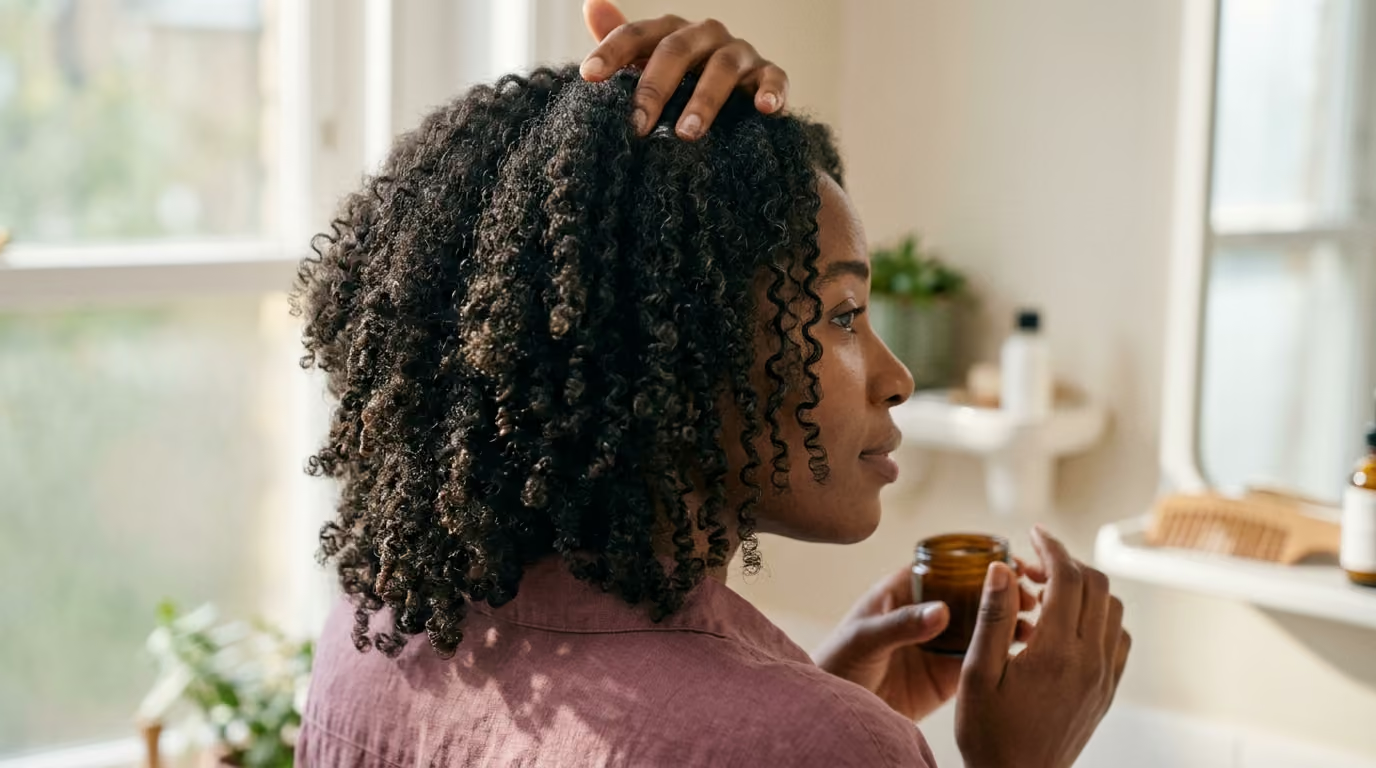

Two primary melanin pigments dictate hair color, while follicular oxidative stress, structural texture shifts, and targeted conditioning shape aging strand.





Gray hair is a biological process occurring at the base of the hair follicle, not a sudden transformation of the visible strand. The hair shaft itself is composed of non-living, keratinized protein that cannot change its internal cellular structure once it grows beyond the scalp surface. Visible graying reflects a gradual reduction in the synthesis and transfer of melanin pigment within the active follicular unit.
Understanding how and why hair loses pigment requires examining cellular biology, stem cell dynamics, and environmental exposure. It also requires separating physiological realities from popular cosmetic assumptions. This comprehensive guide reviews the mechanics of the follicular pigmentary unit, the oxidative pathways driving pigment loss, and the structural differences in unpigmented fibers. It also details practical, evidence-based care strategies for maintaining fiber integrity over time.
The process of hair graying, clinically termed canities, involves distinct cellular and biochemical events within the hair follicle:
Hair pigmentation depends on an intricate collaboration between melanocytes and keratinocytes in the bulb of the hair follicle. During the anagen phase of the hair cycle, mature melanocytes synthesize melanin packages called melanosomes. These melanosomes are transferred to rapidly dividing cortical keratinocytes, which build the primary mass of the hair shaft. As the keratinocytes move upward, they cornify and trap the pigment granules inside the hair cortex. When melanocytes reduce their metabolic activity, newly formed hair fiber emerges with less melanin, creating the visual appearance of gray, silver, or white hair.
Melanin exists in two main chemical configurations within human hair. Eumelanin provides black and dark brown tones through insoluble, highly polymerized granular structures. Pheomelanin produces red, yellow, and warm undertones through sulfur-containing benzothiazine derivatives. The exact ratio and total concentration of these two pigments determine an individual's natural hair color. Gray hair is not a distinct pigment color. Instead, gray hair is an optical illusion created when unpigmented or partially pigmented translucent fibers mix with remaining fully pigmented strands.
The ongoing production of hair color depends entirely on a renewable reservoir of melanocyte stem cells. These stem cells reside primarily in the follicular bulge, a specialized anatomical compartment located near the insertion of the arrector pili muscle. During the transition from the resting phase (telogen) to active growth (anagen), a subset of these stem cells migrates down to the hair bulb. Once positioned around the dermal papilla, they differentiate into functional, pigment-producing bulb melanocytes.
When this stem cell pool functions normally, hair color is replenished across repeated shedding and growth cycles. Early canities often begins with functional impairment or premature apoptosis of the differentiated bulb melanocytes. Over time, recurring cycles of cellular stress exhaust the regenerative capacity of the stem cell niche. When the reservoir of melanocyte stem cells is depleted, the follicle permanently loses its ability to generate pigment. Readers looking for deeper context on follicular regeneration can consult our hair growth and hair longevity guides for detailed biological overviews.
The visible hair shaft is non-living once it emerges from the scalp pore. A dark hair that has already emerged will not turn gray along its length through internal biological signaling. Any shift in shade along an existing fiber occurs either because the follicle altered its pigment output while synthesizing that specific segment, or because external environmental elements physically degraded the surface.
Melanocytes operate under challenging metabolic conditions because the biochemical pathway of melanogenesis is intrinsically oxidatively demanding. The synthesis of melanin begins with the amino acid tyrosine, which undergoes hydroxylation and oxidation catalyzed by the enzyme tyrosinase. These reactions generate reactive oxygen species, including superoxide radicals and hydrogen peroxide, as unavoidable metabolic byproducts. To protect themselves, follicular melanocytes rely on complex endogenous antioxidant networks. Key components of this defense system include superoxide dismutase, glutathione peroxidase, and the enzyme catalase.
As follicles age, the balance between metabolic oxidant production and endogenous antioxidant defense progressively shifts. Research published in peer-reviewed dermatology literature demonstrates that graying hair follicles exhibit significantly lower expression and activity of catalase. Without adequate levels of catalase, hydrogen peroxide accumulates within the hair bulb. This localized accumulation oxidizes sensitive amino acid residues on critical proteins, directly inactivating the tyrosinase enzyme. Furthermore, excess hydrogen peroxide promotes oxidative damage to cellular lipids and mitochondrial DNA within melanocytes.
The vulnerability of the follicular pigmentary unit is compounded by external environmental stressors. Ultraviolet radiation, atmospheric pollutants, and chemical processing generate secondary cascades of reactive oxygen species in the scalp tissue. These external insults interact with metabolic oxidants, creating cumulative oxidative stress that overwhelms the follicle's survival mechanisms. Research indicates that the anti-apoptotic protein BCL-2 plays an essential role in protecting melanocytes from stress-induced cell death. In aging follicles, declining BCL-2 expression accelerates the apoptosis of both mature bulb melanocytes and their supporting stem cells.
Genotoxic stress also activates specialized cellular sensors within the stem cell niche. Studies examining ATM-dependent DNA damage response pathways show that double-strand DNA breaks can trigger the ectopic differentiation of melanocyte stem cells while they still reside in the bulge. When these stem cells differentiate prematurely inside the niche rather than migrating to the bulb, they lose their stemness and fail to self-renew. This abnormal differentiation rapidly depletes the stem cell pool, permanently eliminating the cellular reserve needed for future hair cycles. For a broader look at systemic and follicular oxidation, our beauty science research examines these cellular mechanisms across various tissues.
The onset and progression of hair graying vary widely across human populations and are heavily influenced by genetic background. Epidemiological literature indicates that the average age of graying onset occurs in the mid-thirties for individuals of Caucasian descent. In Asian populations, initial graying typically presents in the late thirties, whereas individuals of African ancestry commonly notice initial gray strands in their mid-forties. Premature canities is clinically defined according to these population baselines. Dermatologists generally classify graying as premature when it appears before age 20 in Caucasian individuals, before age 25 in Asian individuals, and before age 30 in individuals of African descent.
A common commercial assertion is the "50 by 50 rule," which claims that 50 percent of the population has 50 percent gray hair by age 50. Comprehensive worldwide survey data has dismantled this generalized claim. A global epidemiological study evaluating diverse geographical and ethnic groups found that between ages 45 and 65, approximately 74 percent of individuals had some degree of gray hair. However, the mean gray-hair intensity within this group was only 27 percent. The actual proportion of 50-year-old individuals who possessed at least 50 percent gray hair coverage ranged from 6 percent to 23 percent, depending on geographical origin and natural baseline hair color.
The question of whether hair graying can be reversed has generated intense scientific and public interest. In 2021, a landmark human study published in eLife utilized high-resolution quantitative hair pigmentation mapping to track individual hair fibers along their longitudinal growth axes. Researchers measured microscopic variations in pigment density along individual hairs collected from diverse donors. The study documented real, naturally occurring episodes where gray or white hair fibers regained their natural pigmentation at the follicle level. These repigmentation events occurred across various ages, sexes, and ethnicities, and were observed in both scalp and body hair.
The same investigation tracked subjective psychological stress markers in study participants alongside hair growth rates. Researchers found that specific episodes of depigmentation correlated closely with periods of acute psychological stress. When the identified stressors resolved, certain hair follicles returned to producing fully pigmented fiber, resulting in a single strand that was dark near the root and white at the tip. Mathematical modeling of the proteomic data suggested that the follicular pigmentary system operates around a dynamic threshold. When cumulative biological stress exceeds this threshold, the follicle ceases pigment output, but if cellular viability remains intact, lowering the stress load can allow the system to drop back below the threshold and resume melanogenesis.
While quantitative pigmentation mapping provides valuable insights into follicular behavior, the research carries important limitations that prevent broad generalization. The 2021 study evaluated a relatively small cohort of human subjects and focused specifically on single-fiber dynamics. The findings do not show that generalized, age-related graying across the entire scalp can be reversed through ordinary stress management or relaxation techniques. In the vast majority of adults experiencing natural chronological canities, the underlying melanocyte stem cell population has undergone complete exhaustion. Once these stem cell reservoirs are depleted, functional melanocyte replacement is biologically impossible under current medical capabilities.
Much of our current understanding of melanocyte stem cell maintenance and ATM-dependent DNA damage sensing originates from rodent experimental models. Mouse hair follicles possess distinct physiological differences compared to human hair follicles, including different hair cycle durations and distinct stem cell niche markers. While murine studies clearly demonstrate that genetic ablation of protective proteins accelerates graying, translating these precise cellular mechanisms into human clinical applications remains challenging. Findings from mouse models cannot be assumed to function identically in complex, heterogeneous human scalp tissue.
The medical consensus regarding consumer products remains clear and unambiguous. According to the American Academy of Dermatology, there are currently no clinically proven topical medications, oral supplements, or device-based treatments that reliably restore natural pigment to established gray hair. Commercial products marketing botanical extracts, catalase supplements, or peptides as pigment-reversing agents lack robust, placebo-controlled human clinical trials. Oral catalase, for instance, is rapidly degraded by gastric acid and digestive enzymes in the gastrointestinal tract, preventing it from reaching the hair follicle in an active molecular form.
Scientific uncertainty also persists regarding the precise genetic architecture governing the onset rate of canities. While family history remains the single strongest clinical predictor of when an individual begins to gray, genome-wide association studies have identified only a limited number of specific genetic loci associated with hair color aging. Furthermore, population studies evaluating nutritional deficiencies such as low serum ferritin, vitamin B12, or copper show mixed statistical associations. Correcting an underlying nutritional deficiency may support overall follicular health, but clinical evidence does not support the premise that nutritional supplementation will recolor naturally graying hair in healthy adults.
Many individuals notice that their gray hair feels significantly more wiry, stiff, and resistant to styling than their pigmented hair. This textural shift is driven by a combination of physical, chemical, and optical factors rather than a uniform structural defect. Melanin granules embedded within the hair cortex do more than impart visual color; they also absorb ultraviolet radiation and reinforce the internal protein framework. When melanin is absent, the internal cortex becomes more optically translucent, allowing environmental light to penetrate deeper into the fiber core.
Cosmetic science research demonstrates that unpigmented hair is substantially more vulnerable to photochemical degradation than dark brown or black hair. When exposed to ultraviolet radiation, gray and white fibers experience accelerated loss of internal mechanical tensile strength and extensive outer cuticle erosion. Melanin acts as an internal free-radical scavenger; without it, ultraviolet photons directly target the disulfide bonds connecting keratin intermediate filaments. This photodegradation alters the hair surface from a naturally hydrophobic state toward an increasingly hydrophilic state. A hydrophilic fiber surface absorbs atmospheric humidity erratically, swells unevenly, loses natural moisture rapidly, and exhibits elevated inter-fiber friction that leads to severe tangling.
Aging scalp biology also plays a critical role in changing the tactile feel of gray hair. Chronological aging is accompanied by a natural reduction in cutaneous sebum synthesis within the scalp's sebaceous glands. Sebum is a specialized lipid mixture that coats the emerging hair shaft, smoothing down outer cuticle scales and preserving surface lubricity. With reduced sebum production, newly emerged gray hairs lack their natural protective lipid envelope, causing them to feel dry and rough. This loss of lubrication is compounded by cumulative cosmetic processing, such as heat styling and chemical coloring, which strips away the outermost lipid layer known as 18-methyleicosanoic acid (18-MEA).
The perception of wiriness is also heavily influenced by visual contrast and irregular growth patterns. A single gray strand growing alongside pigmented hairs often has a slightly different natural curl pattern, curvature, or growth rate due to localized variation in follicular architecture. Against a dark background, a solitary white hair reflects light intensely, making its unique direction and curvature stand out sharply to the eye. This visual prominence often leads people to assume the gray fiber is twice as thick or coarse, even when microscopic diameter measurements reveal that the fiber falls well within normal physiological ranges. Readers interested in the broader dynamics of how chronological changes affect scalp tissue can review our hair biology research for additional insights.
Caring for naturally gray and silver hair requires managing surface porosity, reducing mechanical friction, and preventing environmental discoloration. Because unpigmented fibers lack the photoprotective shielding of melanin, they require intentional protection from thermal, chemical, and ultraviolet stressors. A thoughtful daily routine focuses on preserving the outer cuticle layer while maintaining scalp health.
The primary objective of cleansing gray hair is removing sweat, sebum, pollution, and styling residue without stripping the fragile lipid barrier. The frequency of washing should be tailored to individual scalp oil production, climate, and exercise habits rather than the mere presence of gray strands.
Gray and white hair is highly prone to developing an unsightly yellow or brassy cast when exposed to environmental stressors. Photochemical studies show that full-spectrum solar radiation and high temperatures oxidize aromatic amino acids within the keratin protein, specifically tryptophan and tyrosine. The oxidation products of these amino acids, known as kynurenines, possess a naturally yellowish hue that shows clearly through unpigmented hair shafts. Furthermore, laboratory testing indicates that heating dry white hair above 81 degrees Celsius noticeably increases yellowing.
Physical protection represents the most reliable method for shielding gray hair from solar degradation. Wearing wide-brimmed hats or remaining in the shade during peak ultraviolet hours prevents both protein breakdown and photo-oxidation. When heat styling tools are necessary, keep the temperature settings as low as possible and apply a dedicated thermal protectant formulation beforehand. To explore how daily environmental recovery practices preserve protein structures, consult our guide to environmental aging and lifestyle factors.
Dissolved minerals in tap water, particularly copper and iron, can adhere to the porous surface of gray hair and catalyze rapid oxidative damage. Copper ions act as potent oxidation catalysts that accelerate ultraviolet-induced protein degradation. Cosmetic formulations containing chelating agents, such as ethylenediamine disuccinic acid (EDDS) or histidine, can bind and neutralize these metal ions, preventing them from accelerating fiber damage. Individuals living in hard water areas or swimming regularly in chlorinated pools benefit from periodic use of chelating or clarifying shampoos.
Violet and purple toning shampoos offer a temporary, optical solution for neutralizing brassy yellow tones. Because purple sits directly opposite yellow on the visual color wheel, depositing trace amounts of violet dye on the hair surface visually cancels out warm yellow reflections. However, purple shampoos are strictly cosmetic color-correcting tools; they do not repair internal keratin structures or restore melanin synthesis. Overusing purple shampoos on highly porous, white hair can cause the fiber to absorb excess pigment, resulting in a dull, muddy, or distinctly lavender appearance. Limit toning products to once weekly or bi-weekly use, alternating with deeply hydrating formulations.
Deciding whether to color gray hair or transition to a natural silver shade is a personal aesthetic choice that involves distinct trade-offs in fiber health and maintenance requirements. Understanding the chemistry behind different coloring methods helps minimize structural damage to the hair shaft and protects sensitive scalp skin.
Different coloring categories interact with the hair shaft through varied chemical mechanisms:
Whenever permanent chemical processing is used, protecting the scalp barrier is essential. Hair dyes contain reactive chemical compounds that can cause severe contact dermatitis and cutaneous allergic sensitization. The U.S. Food and Drug Administration (FDA) identifies p-phenylenediamine (PPD) and related aromatic amines as common contact allergens in permanent hair color formulations.
To maintain safety and scalp health during hair coloring, follow these established clinical recommendations:
To limit overall structural damage, the American Academy of Dermatology recommends staying within three shades of your natural baseline color and choosing darker color deposits rather than extensive bleaching. Bleaching strips away the protective cuticle layer and elevates fiber porosity, which can make graying hair feel exceptionally brittle and wiry. Those seeking broader coverage of clinical studies and aesthetic longevity can read our editorial articles on visible aging.
A wide range of persistent myths surrounds the causes, characteristics, and management of gray hair. Evaluating these beliefs against empirical scientific data helps prevent unnecessary anxiety and ineffective product purchases.
This belief is biologically impossible. Every hair follicle on the scalp exists as an independent, self-contained anatomical structure. The pigment state of one follicle has no direct cellular or neural communication that can alter melanin synthesis in neighboring follicles. Plucking a single gray strand removes that specific fiber, but the underlying follicle will simply produce another unpigmented hair during its next growth cycle. Repeatedly plucking hairs is nevertheless ill-advised, as mechanical traction can induce follicular scarring, localized inflammation, and permanent traction alopecia over time.
The commercial wellness market frequently promotes catalase capsules, antioxidant blends, and exotic herbal extracts claiming to restore natural hair color from within. As established by dermatological regulatory bodies, there are currently no oral dietary supplements shown to restore melanin synthesis in age-related canities. While resolving a severe clinical deficiency in copper or vitamin B12 may normalize metabolic processes in specific medical cases, high-dose supplementation in healthy individuals provides no color-restoring benefit. Catalase molecules ingested orally are broken down during digestion and do not reach the follicular pigmentary unit intact.
The narrative that acute fright or psychological trauma can turn an entire head of dark hair white overnight contradicts physical biology. Once a hair shaft emerges from the scalp, its melanin is bound within non-living, cornified keratin that cannot be physiologically decolored through systemic nervous signaling. A rare clinical condition called alopecia areata totalis can occasionally mimic this phenomenon. In this autoimmune disorder, the immune system selectively targets and sheds pigmented hair follicles while sparing unpigmented white hairs. When a person with mixed salt-and-pepper hair loses all their dark hairs over several days due to rapid shedding, they are left with only white strands, creating the visual illusion of overnight graying.
Many individuals assume that because gray hair has already lost its color, sun exposure cannot harm it. In reality, unpigmented hair requires substantially more photoprotection than dark hair. Because gray hair lacks melanin to absorb solar radiation, ultraviolet photons penetrate deep into the cortex, breaking structural keratin bonds, degrading mechanical strength, and inducing protein oxidation that leads to dull, yellow discoloration. Unpigmented hair requires careful physical shielding and gentle daily handling to preserve its elasticity and shine.
The visual appearance of an individual hair fiber depends on the total concentration of remaining melanin inside the cortex and the optical clarity of the outer cuticle. Bright white hairs contain absolutely no eumelanin or pheomelanin granules, reflecting light completely across the visible spectrum. Silver or ash hairs typically contain microscopic traces of dispersed eumelanin that absorb small amounts of light. Yellowish or brassy tones occur when the aromatic amino acids in the unpigmented keratin undergo photochemical oxidation from sun exposure, heat styling, environmental smoke, or mineral deposits from tap water.
While high-resolution single-fiber studies have captured temporary episodes of repigmentation in response to stress reduction, these events represent transient biological shifts rather than permanent reversal of chronological aging. Repigmentation can only occur if the follicle still retains a viable pool of melanocyte stem cells that temporarily fell below a metabolic signaling threshold. In generalized, age-related canities, the melanocyte stem cell reservoir is permanently exhausted through apoptosis and cellular senescence. Once this stem cell pool is fully depleted, the follicle loses its biological capacity to synthesize melanin permanently.
Some clinical in vitro studies have observed that unpigmented white hair fibers can exhibit a slightly higher elongation rate in laboratory culture compared to pigmented fibers from the same donor. However, across the living scalp, overall hair growth rates vary far more based on genetics, scalp blood flow, systemic hormones, and nutritional status than on pigment production alone. Any perceived difference in growth rate is typically an optical artifact: bright white roots contrast sharply against a pigmented scalp, making newly emerged growth far more noticeable to the human eye.
While isolated premature graying is frequently a benign, inherited genetic trait, sudden or atypical pigment loss warrants professional dermatologic and medical evaluation. You should consult a physician if graying occurs very rapidly in childhood or early adolescence, appears in sharply demarcated, isolated white patches (which may indicate vitiligo or piebaldism), or is accompanied by unexplained hair shedding, scalp redness, chronic fatigue, unexpected weight fluctuations, or cold intolerance. These symptoms can occasionally signal underlying autoimmune thyroid disorders, pernicious anemia, or systemic inflammatory conditions that require medical diagnosis.
Stay connected for research and practical guidance on skin, hair, collagen, nutrition and beauty longevity. Clear ideas for people who want to understand how appearance changes with age and make better-informed choices over time.


Understand your skin, hair and body better without chasing every new trend, treatment or promise.
explore the Blog