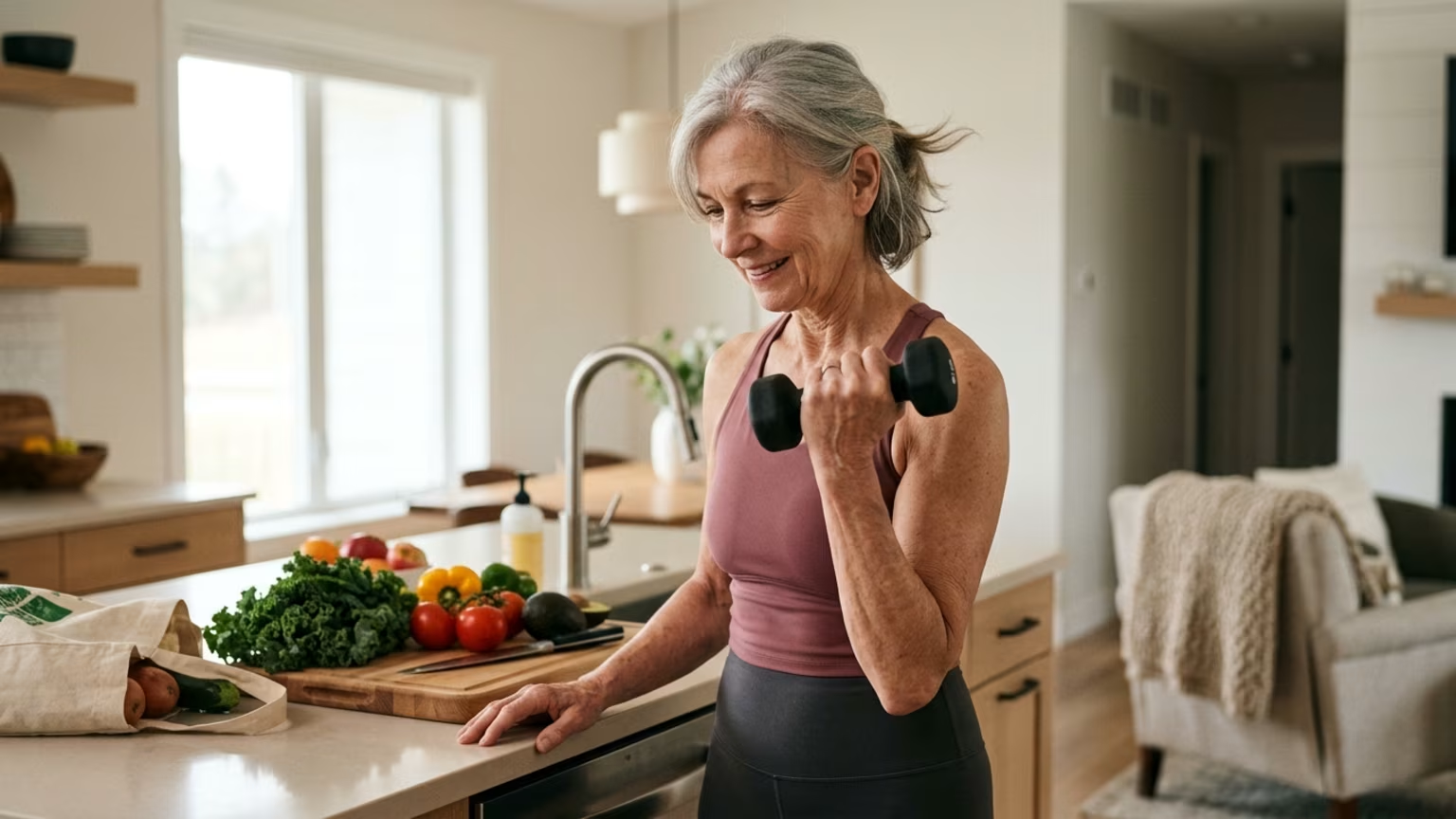

A 12-week trial in older adults shows self-selected vegan diets can reduce muscle mass unless paired with careful protein planning and resistance training.





In September 2026, a new study published in The American Journal of Clinical Nutrition revealed how a self-selected vegan diet affects skeletal muscle in older adults. Researchers from Wageningen University and Research evaluated 72 healthy adults aged 65 or older over a 12-week period. The trial compared a self-selected vegan diet to a habitual omnivorous diet and to a vegan diet paired with resistance training. These findings clarify the relationship between plant-based eating and muscle preservation during the aging process.
This recent clinical research highlights an important tension in the longevity conversation. Many women transition to plant-based diets for ethical reasons or perceived health benefits. However, the trial demonstrates that older adults selecting their own vegan meals experienced lower protein intake and reduced muscle synthesis rates. Understanding these outcomes can help women make informed decisions about their own nutritional planning.
Maintaining healthy muscle tissue requires a consistent supply of dietary protein. When we consume protein, our bodies break it down into amino acids to build and repair muscle fibers. This ongoing cycle of repair is known as muscle protein synthesis. As we get older, our bodies become less efficient at utilizing these amino acids for tissue maintenance.
This means the quality and quantity of the protein we eat becomes increasingly important for long-term health. The trial demonstrated that shifting to a self-selected vegan diet altered this delicate biological balance. Participants who chose their own plant-based meals naturally consumed less protein overall. This reduction in amino acid availability led to a measurable decline in daily muscle protein synthesis rates.
Over time, lower synthesis rates translate directly into physical changes in muscle volume and overall lean body mass. Resistance exercise acts as a powerful biological signal that forces the body to prioritize muscle repair. The researchers found that adding structured strength training helped preserve the muscle tissue. The physical stress of resistance exercise prompted the body to maintain lean mass even when dietary protein intake dropped.
The clinical data from this trial provides a precise look at how diet impacts body composition. The researchers measured a statistically significant decline in protein consumption among the vegan group. Protein intake fell by 27.7 grams per day in week one, 22.0 grams per day in week six, and 19.3 grams per day in week 12. In contrast, the participants eating their habitual omnivorous diet maintained their baseline protein intake throughout the 12-week study.
These dietary shifts resulted in distinct physical outcomes for the participants. Thigh-muscle volume fell by 0.61 liters in the vegan group, compared with a 0.01 liters drop in the omnivorous group. Appendicular lean mass decreased by 1.15 kilograms in the vegan group, while it actually increased by 0.05 kilograms in the omnivorous group. The trial also recorded daily muscle-protein-synthesis rates during the first 10 days of the intervention.
The synthesis rates were 1.09% per day in the vegan group, 1.27% per day in the omnivorous group, and 1.24% per day in the vegan-plus-resistance-exercise group. While the numbers highlight a clear trend, real-world outcomes depend heavily on individual lifestyle habits. Resistance exercise mitigated the physical losses significantly for those on the plant-based diet. In the group that combined a vegan diet with strength training, thigh-muscle volume declined by only 0.35 liters.
Similarly, appendicular lean mass declined by 0.62 kilograms in the resistance exercise group. This is notably less than the 1.15 kilograms lost by the group following the vegan diet alone. These statistics emphasize that lifestyle interventions can alter the trajectory of physical changes. Women looking to preserve their functional strength have actionable ways to influence their own outcomes.
While these findings are highly informative, it is crucial to recognize what this specific trial does not prove. The study focused entirely on healthy adults aged 65 or older. These results should not be automatically generalized to women aged 30 to 60 or to individuals with pre-existing medical conditions. The aging body processes nutrients differently, so a younger demographic might respond differently to identical dietary changes.
Crucially, the diets in this trial were not matched for total protein content. Because participants selected their own meals, the vegan group naturally consumed far less protein than the omnivorous group. The research shows what happens when older adults adopt an unplanned vegan diet. It does not reflect what happens during a carefully managed plant-based program with equivalent protein intake.
This study does not establish that animal-derived protein is biologically mandatory for maintaining muscle mass. Furthermore, the researchers measured muscle protein synthesis only during the first 10 days of the trial. These short-term synthesis rates should not be interpreted as a direct measurement of cumulative muscle growth over the full 12 weeks. Resistance training reduced the loss of muscle mass, but it did not completely prevent the decline.
The vegan group performing resistance exercises still lost 0.62 kilograms of appendicular lean mass. The trial also does not report on cholesterol outcomes or long-term cardiovascular metrics. Any claims regarding the broader metabolic benefits or drawbacks of this specific intervention remain outside the scope of this data. A complete understanding of diet requires looking at multiple aspects of human health over long periods.
Women considering a plant-based lifestyle must treat protein planning as a priority. This research highlights that simply removing animal products often leads to a significant drop in daily protein consumption. To support nutrition and beauty from within, a food-first approach requires deliberate choices at every meal. Including plant-based protein sources like tofu, tempeh, lentils and peas can help bridge the gap.
Beyond protein, women on vegan diets should monitor specific micronutrients carefully. The U.S. National Institutes of Health Office of Dietary Supplements notes that vegans have a higher risk of vitamin B12 deficiency. Natural food sources of B12 are primarily limited to animal foods, and the adult recommended intake is 2.4 micrograms per day. Iron is another vital consideration for women, particularly before menopause.
The NIH lists 18 milligrams of iron per day for women aged 19 to 50, and 8 milligrams per day for adults aged 51 and older. Calcium intake also requires attention, especially for women focusing on long-term longevity and structural support. For older women, the NIH lists 1,200 milligrams of calcium per day for those aged 51 to 70 and adults aged 71 or older. Vegans can meet these targets through calcium-fortified plant beverages, calcium-set tofu, and fortified cereals.
Finally, the evidence strongly supports a consistent routine of progressive strength training to preserve lean tissue. Adding regular resistance work can help protect muscle mass and support facial structural aging over time. Dietary pattern, protein adequacy, micronutrient planning, and exercise should be considered together for the best results. A well-planned lifestyle routine provides a strong foundation for physical resilience.
The intersection of plant-based nutrition and longevity continues to evolve as clinical research expands. While this trial highlights the immediate importance of structured protein planning, future studies will likely examine carefully matched vegan diets over longer periods. As nutritional science advances, how will researchers optimize plant-based eating patterns to fully support muscle preservation and functional aging?
Stay connected for research and practical guidance on skin, hair, collagen, nutrition and beauty longevity. Clear ideas for people who want to understand how appearance changes with age and make better-informed choices over time.


Understand your skin, hair and body better without chasing every new trend, treatment or promise.
explore the Blog


