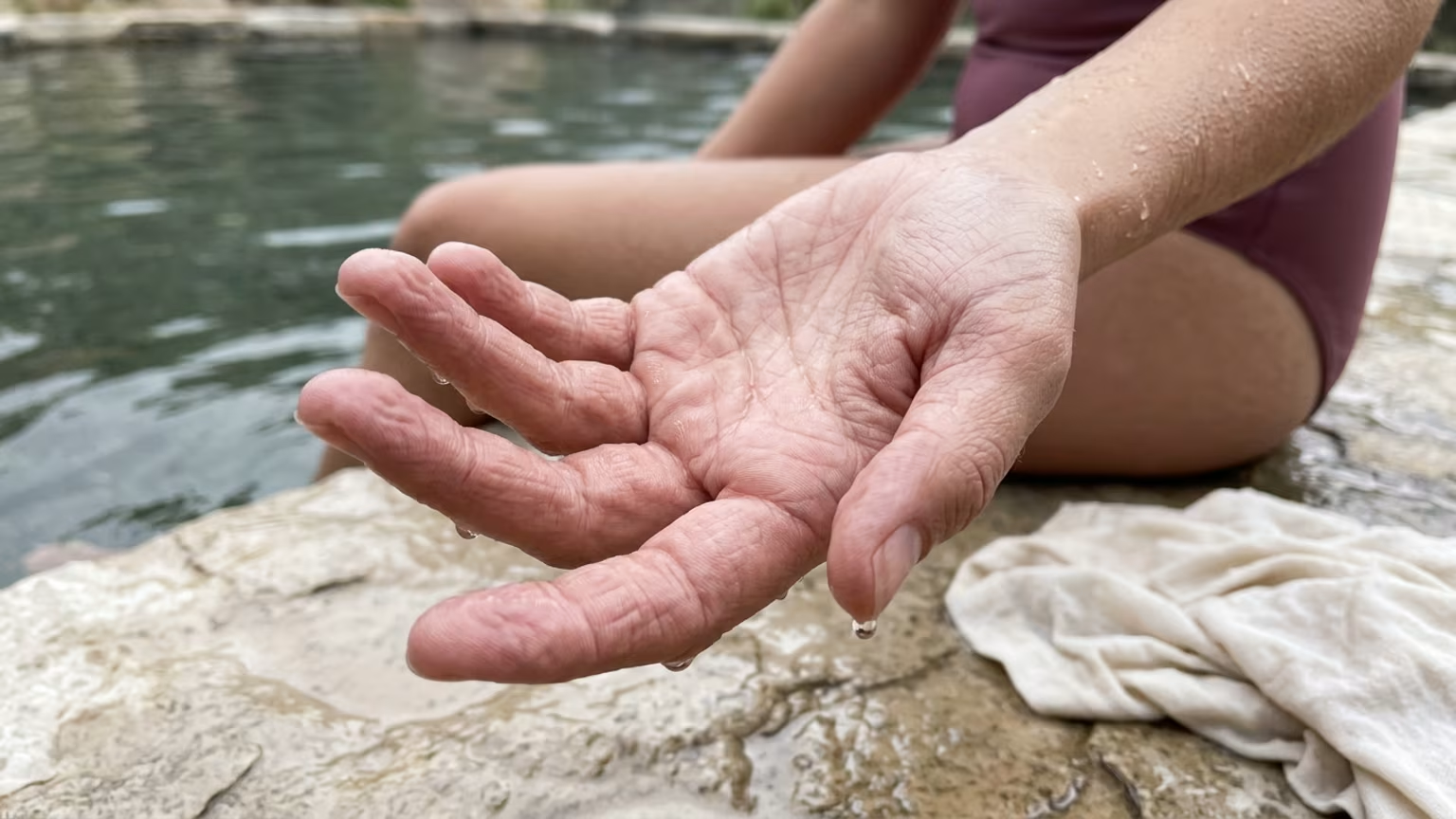

A recent Science News Today explainer clarifies that water-induced finger wrinkling is a nervous system response, not a sign of systemic skin dehydration.





In October 2026, a Science News Today explainer reviewed the biological reasons why fingers and toes wrinkle after prolonged water exposure. The article, originally published on October 3 and updated on October 7, examined the role of the autonomic nervous system in this common physical response. Rather than attributing the change to simple water absorption, the publication outlined a complex reaction involving nerve signals and blood vessels. This distinction helps separate temporary physiological responses from broader concerns about systemic skin dehydration.
At Younell, we prioritize translating dense clinical biology into practical insights for health-conscious adults. Understanding the actual mechanism behind immersion wrinkling helps clarify how the skin reacts to environmental changes. Many people misinterpret temporary surface changes as permanent signs of damage or severe dehydration. By examining the facts behind this common phenomenon, readers can better separate verified physical responses from common beauty myths. This approach reduces the anxiety often caused by conflicting skincare advice and aggressive marketing narratives.
Many people assume that skin swells and folds simply because it absorbs water during a long bath or swim. However, the Science News Today explainer clarifies that finger and toe wrinkling is actually an active response driven by the autonomic nervous system. When the body experiences prolonged water immersion, specific nerves send signals directly to the extremities. These signals prompt the small blood vessels inside the fingers and toes to narrow significantly.
This narrowing process is the true catalyst for the temporary texture change you see after swimming. As the blood vessels constrict, the volume of blood flowing directly beneath the skin decreases rapidly. This sudden drop in underlying fluid volume changes the overall shape of the tissue itself. The overlying skin is then forced to accommodate this reduced volume, which causes the surface to collapse inward and form visible folds.
This mechanism highlights the highly reactive nature of our skin and our internal nervous system. The wrinkling is not a sign that the outer layers of the epidermis are compromised. It is also not an indicator that the skin barrier is taking on too much external moisture. It is a targeted internal reaction designed to respond to a specific environmental condition.
The explainer notes a popular hypothesis that these temporary grooves might help improve human grip on wet objects. While this evolutionary idea is an interesting talking point, the publication frames it strictly as a hypothesis. It is not presented as a definitively settled explanation for the biological response. We must carefully distinguish between documented physiological mechanisms and theoretical evolutionary benefits.
While the biological sequence provides a clear picture of nerve activity, this explainer has specific boundaries. The Science News Today article is a consumer science review rather than a new primary clinical study. It does not provide new empirical data or independent verification of the underlying mechanism from a recent trial. We must recognize that understanding how a reaction happens does not automatically turn that reaction into a diagnostic tool.
Most importantly, the explainer does not validate the use of wrinkled fingers as a clinical test for whole-body dehydration. There is no evidence in the reviewed material suggesting that this temporary change measures a person's internal hydration status. The response is strictly a short-lived reaction to prolonged water exposure. Using this specific physical cue to judge internal water levels is an unverified leap that many consumers mistakenly make.
The article also frames the potential benefits of the wrinkling response with notable caution. The idea that these folds evolved to help humans grip wet surfaces remains an unproven theory within the scientific community. Readers should view the wet-grip concept as an interesting possibility rather than an established scientific fact. At Younell, our goal is to separate verified evidence from appealing narratives to ensure you understand exactly what the current literature can confirm.
Building a sustainable skincare routine requires separating genuine biological needs from temporary physical reactions. A major pain point for many consumers is the anxiety caused by conflicting skincare advice. When people see their fingers wrinkle in the bath, they often rush to apply heavy creams or increase their water intake dramatically. This intense reaction is entirely unnecessary for a temporary nerve response.
Instead of chasing quick fixes for short-lived phenomena, we promote looking and feeling well over time. Healthy aging is about consistent habits that protect the skin barrier and support natural physiological functions. You do not need to overhaul your entire routine just because your hands look different after washing dishes. Recognizing the limits of what these physical changes mean helps you avoid wasting money on ineffective products.
True skin longevity relies on understanding how your skin actually changes with age. By learning the difference between a neurological response and genuine tissue dehydration, you empower yourself to make better choices. We distinguish verified evidence from marketing claims so that our readers can build calm, effective routines. Consistency in gentle cleansing and appropriate moisturizing will always beat intense reactions to temporary environmental changes.
For adults focused on healthy aging, this biological distinction offers immediate practical value. You do not need to treat pruned fingers after a swim as proof that your body is dehydrated. This temporary nerve response operates completely independently of your systemic water intake. You can stop using your daily bath or shower habits as an impromptu hydration test. Instead, you can focus your routine on established methods for maintaining barrier health and long-term tissue resilience.
However, water immersion does still play a critical role in surface skin health. The American Academy of Dermatology warns that frequent or prolonged water immersion can worsen already dry hands. This is a separate concern from the temporary wrinkling mechanism described by the recent explainer. If you already struggle with dry or irritated skin, spending excessive time in the water can strip away necessary natural oils. This repeated exposure can leave the skin surface compromised long after the temporary wrinkles fade.
Protecting your hands requires a realistic and measured approach to daily water exposure. If you notice persistent dryness, you should limit unnecessary immersion and apply supportive moisturizers immediately after washing. You can learn more about how to support your skin barrier through our comprehensive educational resources. We strongly recommend reviewing the hydration science for skin to understand how different ingredients protect your outermost layers.
Taking these practical steps helps you maintain resilience without unnecessary anxiety over temporary physiological reactions. It is vital to separate your actual skin type needs from short-lived physical responses. Understanding how skincare priorities change from your 30s to your 60s also ensures you focus on the right habits for your current life stage. Our broader mission at Younell is to provide the clarity required to make these informed, long-term decisions.
As we continue to map the connections between nerve signals and skin behavior, new scientific questions naturally emerge. How might a deeper understanding of the autonomic nervous system influence the way we formulate topical skin treatments? Will future research uncover more ways our internal neurological responses shape the visible appearance of our skin over time?
Stay connected for research and practical guidance on skin, hair, collagen, nutrition and beauty longevity. Clear ideas for people who want to understand how appearance changes with age and make better-informed choices over time.




Understand your skin, hair and body better without chasing every new trend, treatment or promise.
explore the Blog