

A recent dietary study reveals that many older adults fail to meet protein recommendations. Learn what the clinical evidence actually says about muscle and collagen.





In September 2026, a new report published by MindBodyGreen highlighted a preliminary dietary study of older adults. The research revealed that a significant portion of participants failed to meet basic protein requirements, regardless of their preferred diet. While the headlines focused heavily on plant-based diets, the actual data presented a much broader challenge regarding healthy aging. The study prompts an important conversation about how nutritional gaps might impact tissue maintenance, muscle preservation, and connective structures over time.
The dietary study followed 26 adults aged 72 to 80 over a three-day period. Researchers carefully assessed everything the participants ate and drank. They found that 83% of vegans, 40% of vegetarians, and 25% of omnivores consumed less than the recommended dietary allowance for protein. MindBodyGreen notes this target is currently set at 0.8 grams of protein per kilogram of body weight per day, which equates to about 0.36 grams per pound.
We know that adequate protein is essential for cellular repair and structural maintenance throughout the body. Fibroblasts are the specialized cells responsible for producing new collagen and maintaining the structural matrix of our skin. When protein intake drops consistently, the body may struggle to support these demanding metabolic processes. Aging naturally causes collagen-fibril fragmentation, which alters how fibroblasts behave and slows down their repair work.
This fragmentation ultimately reduces the synthesis of crucial extracellular-matrix proteins. Without a steady supply of dietary amino acids, the body prioritizes essential organs over connective tissue. For a deeper look at these cellular shifts, you can review our detailed breakdown on how the skin's structural matrix evolves. Recognizing this biological reality helps us understand why nutritional foundations are so vital.
However, the study also identified examples of higher-quality vegan breakfasts that provided better amino acid coverage. Plant-based meals featuring tofu, soy yogurt, and soybeans performed much better nutritionally. Additional healthy options included nuts, seeds, and whole grains. This suggests that meal composition matters far more than broad dietary labels.
To understand how dietary shifts impact the body in real time, we can look at a separate randomized controlled trial published in the American Journal of Clinical Nutrition. This 12-week trial followed 72 healthy adults aged 65 and older. Participants assigned to a self-selected vegan diet saw their daily protein intake fall by roughly 19 to 28 grams. This group experienced an average loss of 1.15 kilograms of appendicular lean mass compared with those on a standard omnivorous diet.
The physical changes extended beyond overall mass. The self-selected vegan group experienced reductions in thigh muscle volume of 0.61 liters. Muscle protein synthesis rates also dropped to 1.09% per day in the vegan group, while the omnivorous group maintained a rate of 1.27% per day. The vegan participants combined with resistance exercise maintained a slightly better synthesis rate of 1.24% per day.
These figures illustrate the profound impact that acute dietary changes can have on muscle tissue. However, controlled trials rarely reflect the nuance of everyday meal planning. The researchers noted that adding resistance exercise mitigated these negative muscle effects significantly. For example, the exercise group saw their thigh muscle volume decline by only 0.35 liters.
A self-selected diet in a trial setting often lacks the deliberate nutritional strategy that an informed person might use at home. Relying entirely on self-selected meals without nutritional guidance can inadvertently lead to protein shortfalls. This is why intentional meal planning is highly recommended when transitioning to a plant-based routine.
Both of these studies carry significant limitations that require careful interpretation. The initial research reported by MindBodyGreen was extremely small, assessing only 26 older adults based on just three days of dietary records. A three-day snapshot cannot reliably establish a person's usual nutritional intake across weeks or months. Furthermore, the report did not specify the exact number of omnivorous participants, making it difficult to firmly weigh the comparative percentages.
I remember speaking with a dermatologist who told me her patients were coming in with severe anxiety about normal skin aging. That anxiety was driven entirely by social media filters and aggressive marketing. That conversation became a cornerstone of our philosophy. We decided right then that Younell would never frame natural changes like wrinkles or thinning hair as personal failures.
Instead, we focus on what clinical data actually tells us about supporting our bodies as we mature. Crucially, this dietary study measured nutritional intake rather than actual dermatological outcomes. It makes absolutely no claims about skin elasticity, collagen production, wrinkles, or visible facial changes. Stating that a low-protein diet directly causes immediate skin sagging would aggressively overstep the documented evidence.
Additionally, the 12-week randomized trial focused on adults over 65 who were placed on a self-selected vegan diet. Its findings might not apply to younger adults, highly active individuals, or those following carefully structured meal plans. We must also acknowledge that a broader review of adults aged 50 and older found generally similar outcomes between plant and animal protein interventions, though it highlighted significant study heterogeneity.
For women looking to support their long-term health, these findings offer practical lessons for daily meal planning. First, treat protein adequacy as a structural planning issue rather than a debate over diet identities. The MindBodyGreen report noted that plant-based meals often lacked sufficient lysine and methionine, with breakfast generally scoring the lowest in protein quality. Adding a concentrated source of high-quality protein to your morning routine can be highly effective.
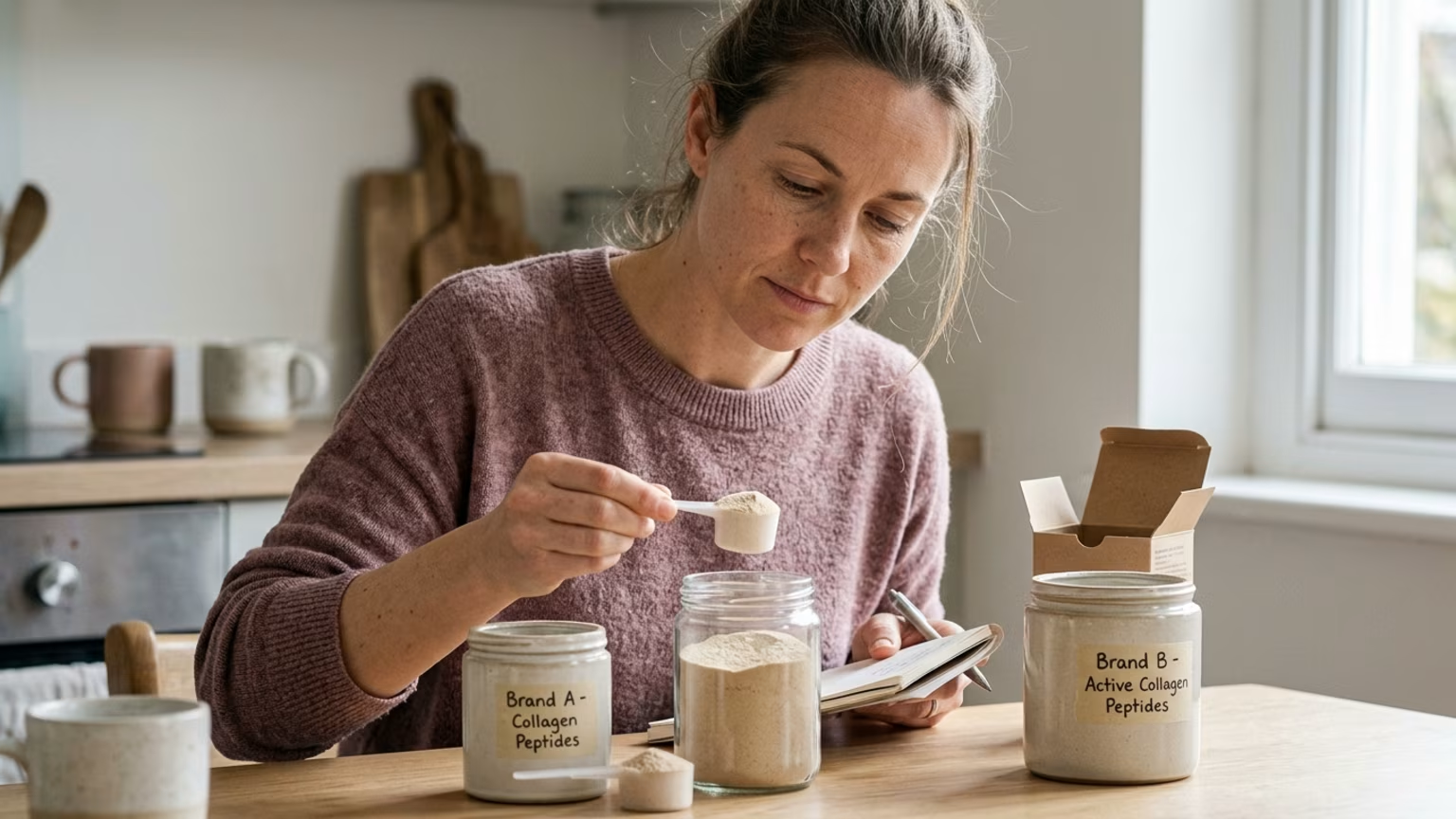
We also need to actively distinguish between structural collagen supplements and complete dietary proteins. As we noted in our analysis of protein separation for healthy aging, targeted supplements serve a specific function. A randomized trial involving older women found that whey protein successfully stimulated muscle protein synthesis, whereas isolated collagen peptides did not. Collagen products should not automatically replace complete protein sources in your meals.
Finally, consider your total energy intake and daily movement habits. The vegan participants in the dietary study consumed fewer overall calories, which can make it harder to meet baseline micronutrient needs. Pairing adequate caloric intake with regular resistance training offers the most robust support for preserving muscle mass.
While standard guidelines suggest 0.8 grams of protein per kilogram of body weight, this is not a universal prescription. Many adults over 65 may need closer to 1.0 or 1.2 grams per kilogram to prevent frailty, according to recent reviews. Protein needs vary significantly with body size, physical activity, kidney function, and total energy intake.
As researchers continue to map the complex relationship between our diets and our connective tissues, the focus is clearly shifting from restrictive rules to practical nutritional quality. The evidence shows us that maintaining strength and resilience requires consistent, thoughtful support rather than drastic interventions. As we look to future clinical trials, one must wonder: will the next phase of nutritional science finally establish a precise, measurable threshold for dietary protein that optimizes both muscle preservation and long-term dermal health?
Stay connected for research and practical guidance on skin, hair, collagen, nutrition and beauty longevity. Clear ideas for people who want to understand how appearance changes with age and make better-informed choices over time.



Understand your skin, hair and body better without chasing every new trend, treatment or promise.
explore the Blog