A Phase 2a study on investigational topical PP405 reports an increase in active follicular units. Learn what this early research means for hair thinning.





In September 2026, new Phase 2a clinical data on an investigational topical treatment called PP405 gained attention across the dermatology field. The trial enrolled 78 adults dealing with androgenetic alopecia. This condition is commonly known as pattern hair loss and affects millions of women and men globally. The reported findings suggest this new treatment aims to reactivate dormant hair follicles rather than simply slowing the rate of shedding.
These developments highlight an ongoing shift in how researchers approach cellular aging and follicle preservation. The preliminary data provides an interesting look at the early stages of regenerative hair science. The study focuses heavily on biological activity at the cellular level. This offers a clear view into how targeted topicals might evolve over the next decade.
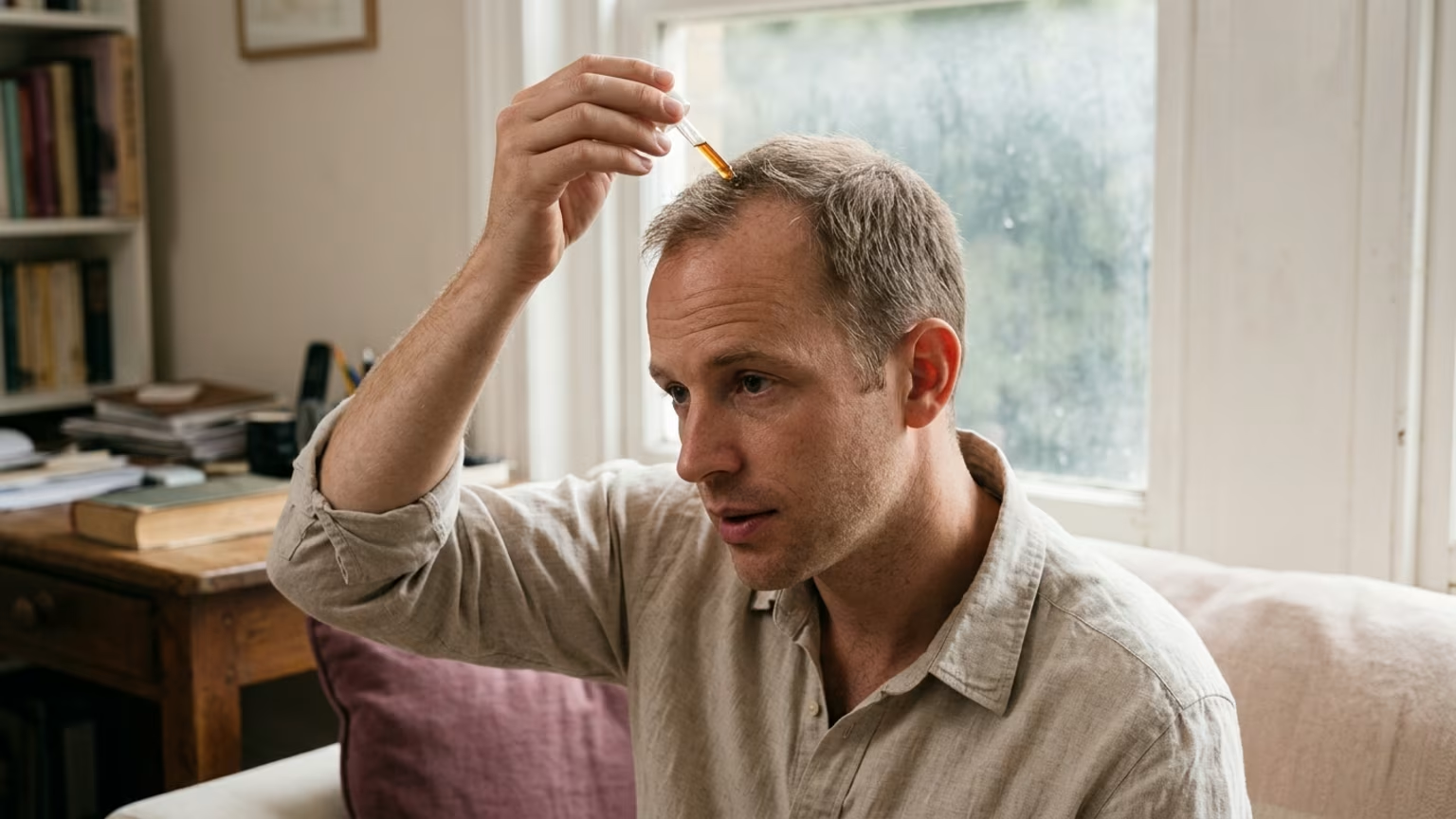
Pelage Pharmaceuticals is developing PP405 to address hair thinning through a very specific biological mechanism. According to chief medical officer Christina Weng and CEO Daniel Gil, the topical is designed to reactivate dormant follicle stem cells. This intrinsic approach differs conceptually from treatments that rely on androgen suppression. It also differs from traditional methods aimed at increasing scalp blood flow.
The primary goal is to stimulate metabolism within the follicle itself. The biological premise relies on the idea that stem cells remain present even when a scalp appears fully bald. This development rationale focuses on cellular behavior rather than external stimulation. By targeting the follicle directly, researchers hope to restore natural growth cycles that have stalled over time.
A crucial detail in the Phase 2a findings is the distinction between types of hair. The reported results associated PP405 with an increase in active follicular units and mature hair growth. Placebo-treated areas mainly showed fine vellus hairs during the same evaluation period. This distinction matters deeply because visible fine hairs do not equal the thicker terminal growth that patients actually want.
The 78-person study was double-blind and vehicle-controlled to maintain scientific rigor. Participants applied either the active topical or a placebo for four weeks. Researchers conducted their primary assessment at week eight. This timeline means the final evaluation occurred a full four weeks after the daily dosing ended.
Researchers assessed natural groupings called active follicular units rather than relying solely on total hair counts. These specific units typically contain roughly one to five hairs naturally grouped together. During the trial, the topical was reported to be well tolerated by the participants. Furthermore, no systemic exposure was detected in the blood of those using the treatment.
When reviewing the numerical results, one specific data point requires careful context. Secondary coverage cited Pelage-reported results showing that 31 percent of treated men in a higher-loss subgroup exceeded a 20 percent hair-density increase at week eight. The corresponding placebo group saw a zero percent response rate in this metric. It is important to note that this 31 percent figure came from an exploratory subgroup of men with more advanced hair loss.
The trial was designed primarily to assess safety rather than to definitively establish efficacy. This means the 78-person sample is small for drawing broad conclusions about effectiveness across all individuals with pattern hair loss. The four-week treatment period provides highly limited information about long-term maintenance. We do not yet know if continued treatment would be needed to sustain any positive visible results.
Currently, a comprehensive peer-reviewed publication of the Phase 2a efficacy dataset was not identified in the reviewed sources. The publicly available evidence is based primarily on company-reported topline results. Metrics like active follicular units and mature hair are encouraging visual measures for early research. However, they do not by themselves establish durable scalp coverage for every single patient.
When our team first started reviewing clinical trials on collagen supplementation, we saw early data frequently exaggerated by media outlets. We noticed that a minor finding in a small study was often framed as an immediate solution for everyone. That experience taught us to carefully separate exploratory signals from proven clinical realities. A small Phase 2a study is a stepping stone in scientific research rather than a final destination.
Women experiencing progressive thinning should view this technology as a development-stage tool to monitor over time. PP405 remains an investigational treatment and is not currently available to consumers. The most relevant question for women is whether future trials can reproduce meaningful mature-hair growth in female pattern hair loss specifically. Readers should patiently look for future reports that disclose female-specific outcomes and standardized hair-density measurements.
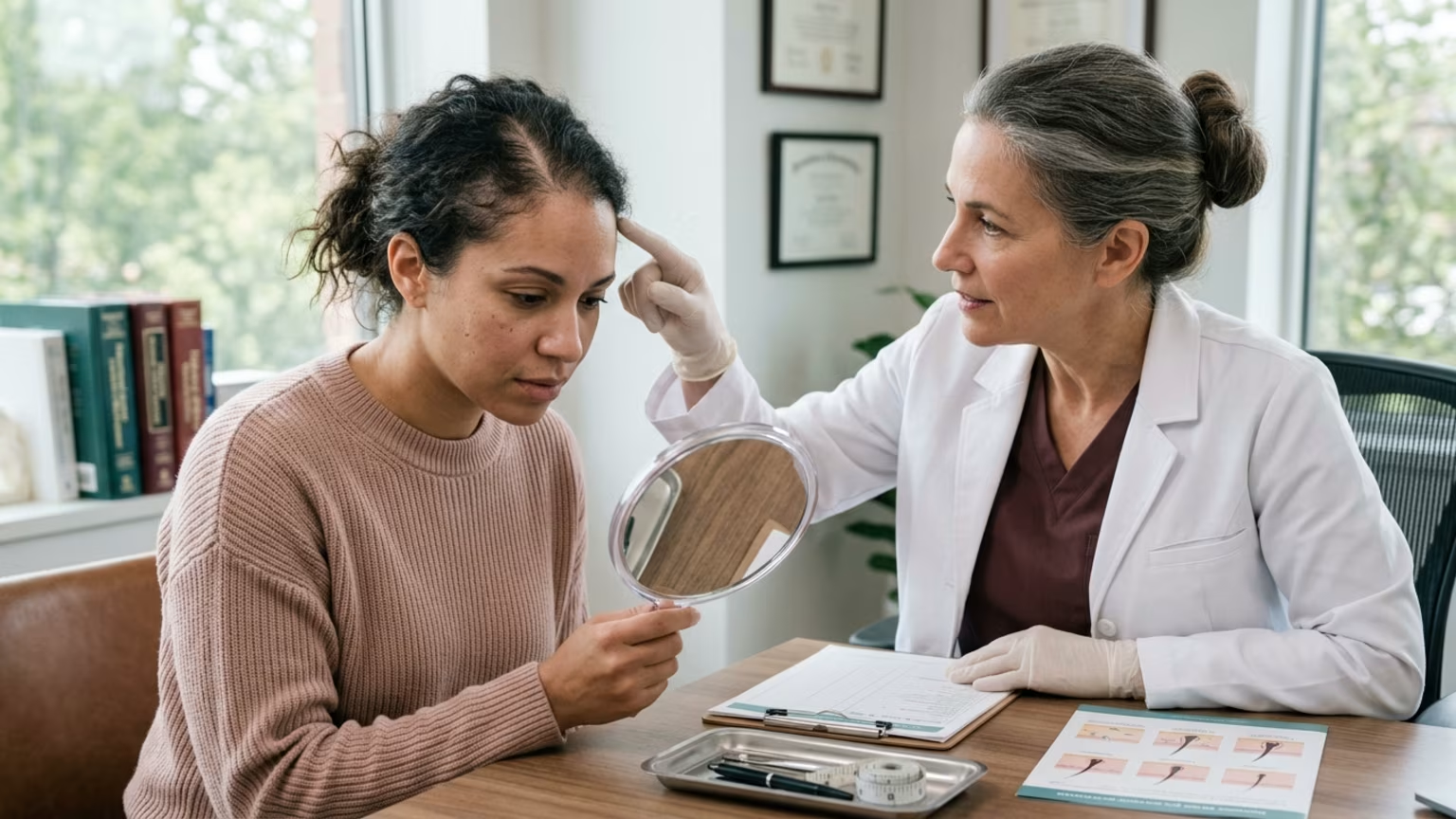
While waiting for larger trials, women experiencing sudden or severe thinning should seek a medical evaluation. Pattern hair loss can easily overlap with other treatable causes of shedding. An accurate diagnosis helps you build a routine based on consistent scalp health and proven clinical interventions. A well-rounded approach ensures your foundational habits remain strong regardless of what new products emerge.
Understanding hair regrowth timelines is essential for anyone starting a new care protocol. Biological changes at the follicular level take consistent time, patience, and realistic expectations. Focusing on foundational hair longevity remains the best strategy while waiting for emerging treatments to clear the clinical pipeline. Prioritizing proven care methods will always serve your long-term wellness goals.
The prospect of waking up dormant follicle stem cells represents a fascinating shift in dermatology. Moving away from purely preserving existing hair toward regenerative cellular activation could eventually expand our future options. The clinical focus on mature terminal growth over fine vellus hairs shows a clear understanding of what patients actually value. As researchers prepare for larger studies on these specific pathways, we have to ask: how will these targeted biological treatments eventually integrate into our daily longevity routines?
Stay connected for research and practical guidance on skin, hair, collagen, nutrition and beauty longevity. Clear ideas for people who want to understand how appearance changes with age and make better-informed choices over time.



Understand your skin, hair and body better without chasing every new trend, treatment or promise.
explore the Blog