
A 12-week study reveals a moisturizer with micronized Centella asiatica and mandelic acid improves crepey skin on knees and thighs. We analyze the clinical data.





The Journal of Drugs in Dermatology published a new study online on August 31, 2026. The research evaluated a topical cream for mature, fragile, crepey skin. The research was subsequently listed in the publication's September 2026 issue. It assessed a specific Galderma Laboratories moisturizer formulated with micronized Centella asiatica and mandelic acid. Researchers evaluated its effects on women and men aged 40 to 60 over a 12-week period.
Body skin aging often receives less clinical attention than facial aging, making new research in this area particularly interesting. Many people struggle with changes in tissue resilience on their knees and thighs as they age. This new report focuses precisely on those difficult-to-treat areas, offering fresh data on topical interventions. The core announcement highlights measured improvements in skin texture, firmness, and hydration following consistent application.
I remember speaking with a dermatologist who told me her patients were coming in with severe anxiety about normal skin aging. That anxiety was driven entirely by social media filters and aggressive marketing. That conversation became a cornerstone of our philosophy. We decided right then that our publication would never frame natural changes like wrinkles or thinning hair as personal failures.
This philosophy strongly applies to how we view structural changes on the body. Having crepey texture on your knees and thighs is a normal biological progression, not a problem requiring intensive correction. However, for those who simply want to support their skin health and comfort, evaluating new topical options is entirely reasonable. This recent moisturizer trial offers interesting data, provided we view it through a calm, realistic lens.
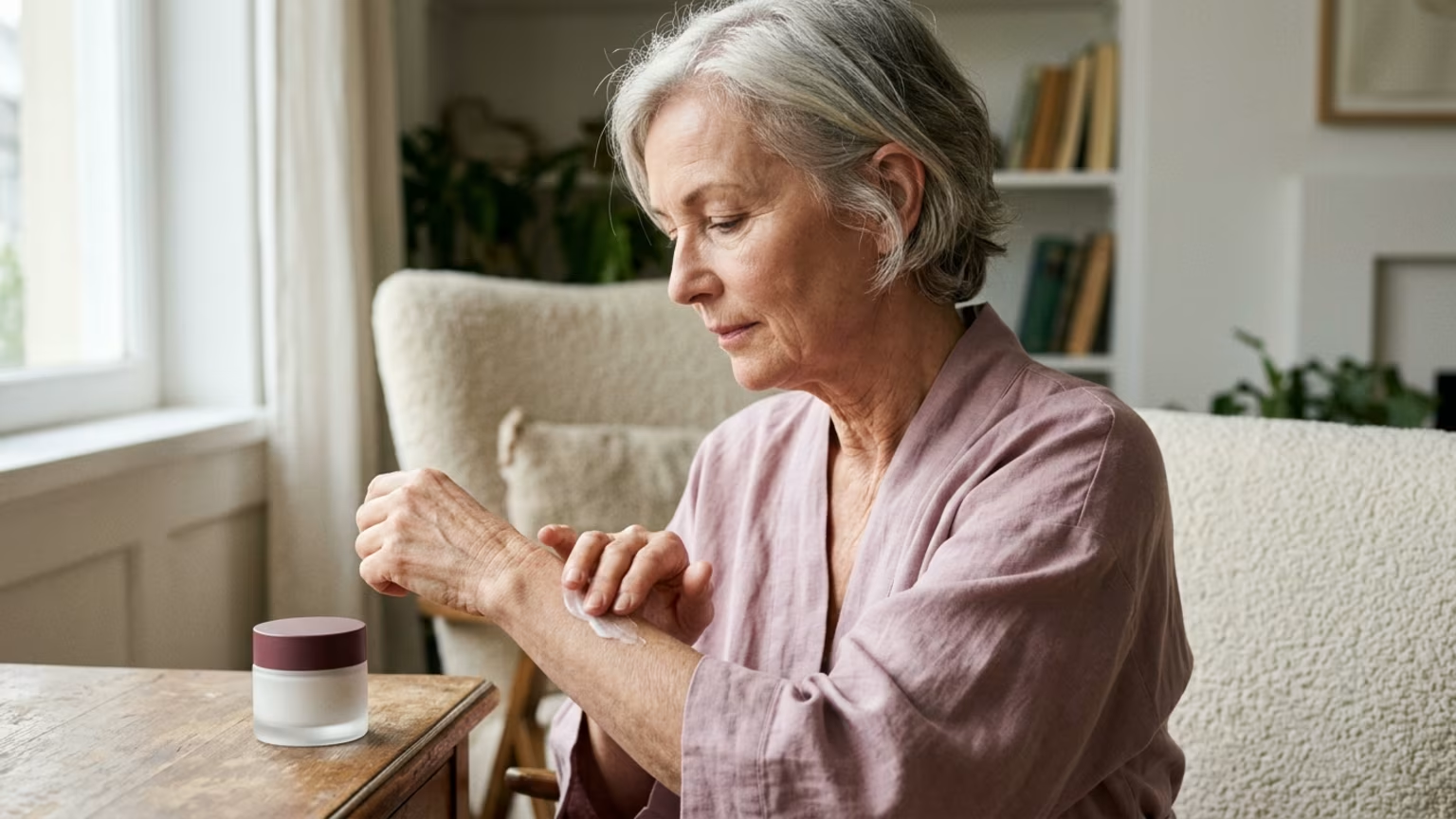
The 12-week study was conducted as a multicenter, randomized, blinded, in-use trial. Participants were specifically chosen because they had a history of fragile skin and a dry, crepey texture on their lower body. The researchers focused exclusively on women and men aged 40 to 60 to evaluate these specific tissue concerns. The study protocol required these participants to apply the designated cream to their knees and upper thighs twice daily.
Over the course of the trial, researchers utilized multiple assessment methods to track changes accurately. They used clinical grading, professional photography, and skin pH measurements to document visible and structural shifts. The authors reported significant improvements from baseline in crepiness, firmness, and visible photodamage. Participants also showed reduced skin pH alongside early improvements in both roughness and smoothness.
To measure moisture retention, the researchers utilized corneometer heatmapping, a standard dermatological tool. This heatmapping technique showed improved hydration across the tested areas over the duration of the study. Understanding how hydration science for skin supports the barrier gives context to why these specific moisture measurements matter so much. Sustained hydration is a fundamental component of improving the appearance of mature, fragile tissue.
In addition to the visible and measured changes, the study looked closely at user experience and overall safety. The report says no adverse events were reported during the entire 12-week testing period. The authors described the formulated cream as being well tolerated by the participants throughout the trial. Furthermore, the subjects involved in the study reported high satisfaction with the product and its daily application.
While these outcomes sound highly encouraging for mature skin, the parameters of the test remain incredibly specific. The evidence presented applies directly to this exact formula applied precisely twice a day on targeted areas. The assessment techniques focused heavily on surface-level improvements and short-term moisture retention metrics. This provides a helpful snapshot of what a strictly followed body care routine can achieve over three months.
While the findings sound promising, we must look closely at the study limitations. The accessible report does not provide a participant count, numerical effect sizes, or confidence intervals. Without detailed outcome tables in the abstract, we cannot determine the exact magnitude of the improvements. We also cannot see how this specific cream compares to a standard daily body lotion.
It is also important to note the affiliations of the researchers involved in the trial. The study authors include employees of Galderma Laboratories, and the article identifies Galderma as the cream’s manufacturer. This relationship is relevant context when describing the findings of any cosmetic publication. Industry-affiliated studies provide valuable data, but they require careful, objective reading by consumers.
Additionally, although the study is described as randomized and blinded, the available abstract lacks critical methodology details. It does not specify the comparator, the exact allocation details, or whether a traditional control group was used. Because of these omissions, we must avoid characterizing it as a placebo-controlled trial based on the accessible information. We can only evaluate the positive changes recorded against the participants' initial baseline conditions.
Finally, the evidence presented is strictly specific to the tested cream and the selected body areas. The report does not establish that other products containing Centella asiatica or mandelic acid will yield identical results. It also does not establish that this cream can prevent skin tears or other severe complications associated with fragile skin. The data simply shows improvements in measured appearance and hydration for this particular formula.
For someone considering a targeted body care product based on this research, the most defensible takeaway is intentionally narrow. One specific manufacturer-affiliated study reported improvements after twice-daily use of their cream on the knees and upper thighs. The findings do not tell readers how the product compares with another basic moisturizer available on the market. They also do not explain whether the textural results persist after you stop applying the formula entirely.
If you want to test these specific ingredients for yourself, consistency is clearly the critical factor for success. Applying a formula twice daily to specific areas requires genuine dedication to a long-term body care routine. You might consider evaluating your own skin over a similar 12-week period to see if a dedicated treatment makes a visible difference. However, it is essential to manage personal expectations regarding significant body skin texture changes.
These cosmetic formulations are designed to support hydration and temporary firmness rather than altering the fundamental structure of mature tissue. Understanding how natural collagen declines helps set realistic goals for topical treatments. You should view specialized body creams as supportive tools rather than complete solutions for tissue thinning. Continued hydration remains the primary, evidence-backed benefit of any comprehensive body care regimen.
Finding a daily moisturizer that suits your skin type and budget is the foundation of any lasting habit. Building a consistent routine is far more important than chasing the newest ingredient trend. If you experience persistent discomfort or severe dryness, you should consult a medical professional directly. Over-the-counter cosmetic creams are strictly intended for general maintenance and cannot replace personalized clinical guidance.
Taking care of crepey skin often requires a combination of gentle handling and consistent moisture application. You do not need to purchase the most expensive clinical formula to see basic hydration benefits. The simple habit of moisturizing damp skin every day often yields noticeable improvements in texture and overall comfort. Real skin longevity comes from establishing sustainable habits that protect your barrier over years, not just weeks.
The clinical evaluation of body skin treatments is slowly becoming more rigorous and specific. We are beginning to see targeted studies on areas like the knees and thighs, which experience unique wear and tissue thinning over time. As more brands invest in clinical grading and hydration mapping for body care, we hope to see larger, independent trials with transparent control groups. Will the beauty industry eventually provide detailed numerical data in all cosmetic abstracts, or will consumers continue having to read between the lines?
Stay connected for research and practical guidance on skin, hair, collagen, nutrition and beauty longevity. Clear ideas for people who want to understand how appearance changes with age and make better-informed choices over time.




Understand your skin, hair and body better without chasing every new trend, treatment or promise.
explore the Blog