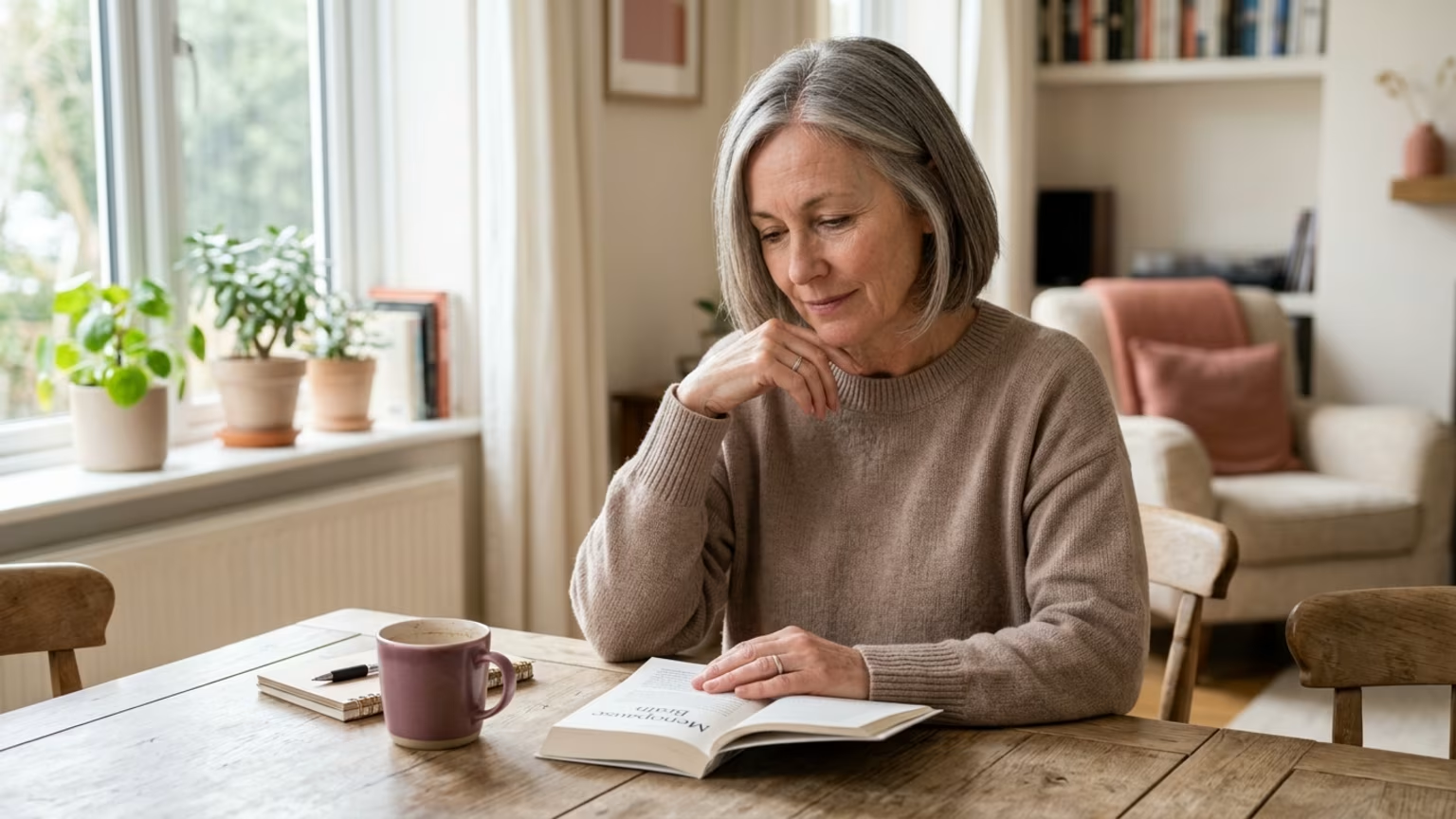

A September 2026 report highlights the role of sleep, movement and nutrition in midlife health. Learn how daily habits support women navigating menopause.





In September 2026, a new report from ITV News examined a Liverpool John Moores University study on menopause experiences. Researchers spoke with more than 1,000 women about depression symptoms, distress and suicidal thoughts. The coverage highlighted both the clinical challenges of hormone replacement therapy and the importance of foundational daily habits. This discussion reinforces how sleep, movement and nutrition play a crucial role in overall vitality during midlife.
Menopause introduces profound systemic shifts that affect the entire body over time. These changes often influence everything from bone density to visible tissue health. The ITV report included a personal account from the daughter of Helen McGraw. She described skin changes and hair loss among the difficulties her mother experienced. While these changes are common during midlife, they do not dictate exactly how our bodies must adapt.
The biological mechanisms of midlife require deliberate lifestyle support to function efficiently. The NHS advises people going through menopause to avoid smoking and drinking above recommended limits. These habits directly compromise cellular repair and structural integrity over time. Instead, supportive measures like a balanced diet help maintain the body's foundation. Focusing on biological needs through nutrition provides a clear path for understanding how dietary patterns support long-term health.
The Liverpool study data presented by ITV included several striking figures regarding mental health and medical access. ITV reported that suicidal thoughts among participants fell by 92% after they were prescribed HRT. LJMU researcher Dr Olivia Hendriks told the outlet that some participants felt better after taking the treatment. She also noted some women she spoke with had made multiple suicide attempts and faced admission to psychiatric wards.
Beyond individual outcomes, the coverage pointed to systemic challenges in menopause care. The ITV story stated that one in six women struggling with symptoms were either misdiagnosed or not offered HRT. LJMU researcher Professor Pooja Saini argued that outdated safety concerns and limited education contribute to this issue. In a follow-up report on 22 September 2026, ITV noted that medical graduates receive as little as one hour of menopause training. This gap in medical education leaves many women navigating their symptoms without adequate clinical support.
While these reported numbers sound definitive, clinical reality requires careful interpretation. ITV reported the 92% reduction in suicidal thoughts without providing detailed study methodologies. The broadcast lacked information on control groups, participant selection details or statistical confidence intervals. We must view this figure as a reported observation rather than established proof of a universal treatment effect.
Furthermore, Professor Saini described female-health research as broadly lacking and noted that study papers remain difficult to publish. The ITV report also does not claim that menopause universally caused the skin changes and hair loss mentioned in personal accounts. It is crucial to separate individual testimony from generalized medical guarantees. Clinical care always requires personalized assessment to weigh individual benefits and risks. We must not assume that one treatment path works identically for everyone.
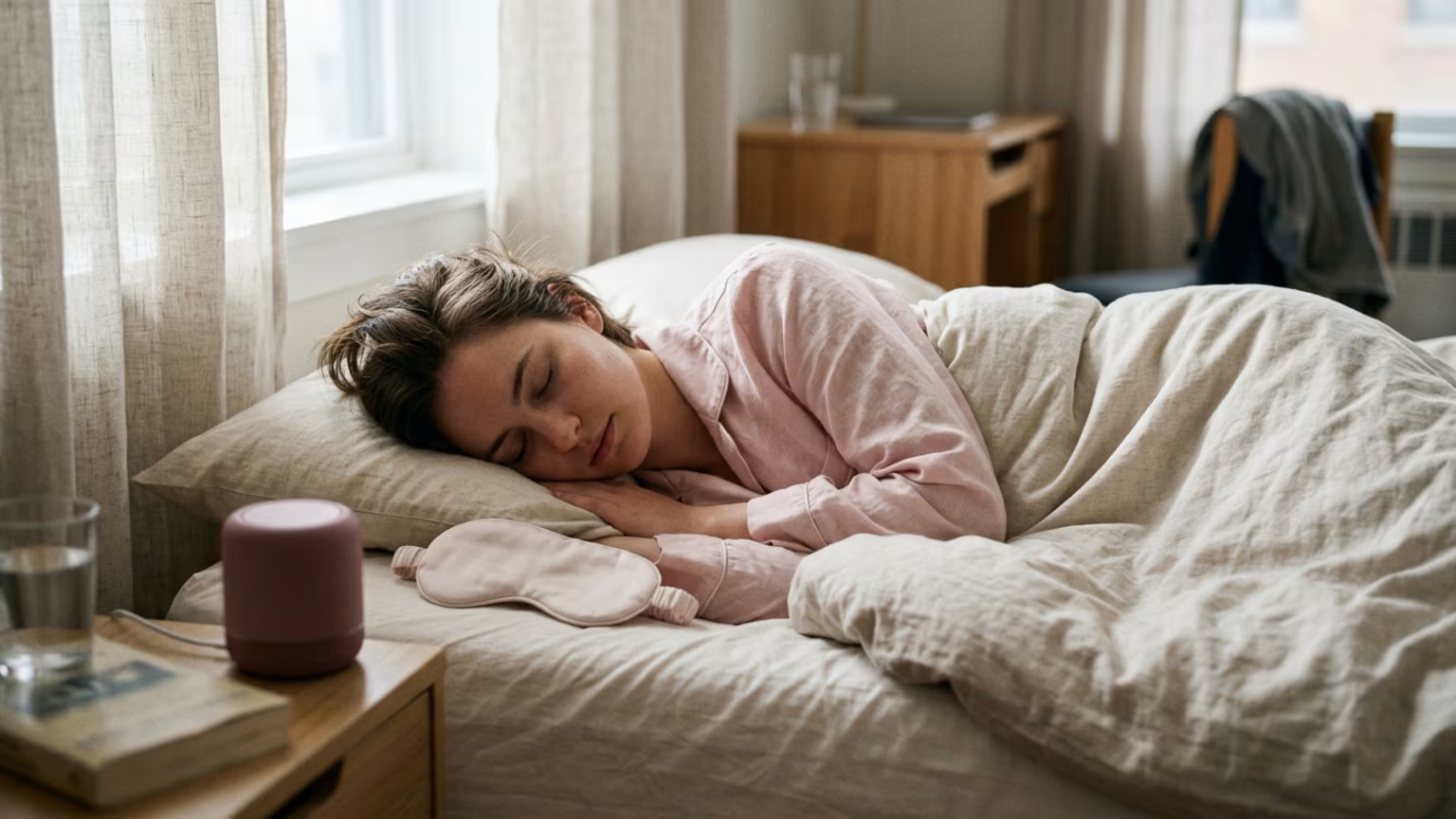
Women can actively support their health by combining clinical guidance with daily lifestyle practices. The ITV report lists regular rest and healthy sleep patterns among key supportive measures during this transition. Weight-bearing activities like walking or running are recommended alongside relaxation practices such as yoga, tai chi or meditation. Consuming calcium-rich foods like milk, yoghurt and kale further supports structural health. These habits form a strong foundation for managing physical changes.
Building a reliable daily routine does not require complicated interventions. Simple actions like prioritizing sleep hygiene and engaging in consistent physical activity offer cumulative benefits. These practices help regulate stress pathways and support overall resilience. Health-conscious women can start today by incorporating short walks or basic relaxation techniques into their schedules. A measured approach to lifestyle care builds confidence over time and provides a framework for adapting your routine to changing skin.
I remember speaking with a dermatologist who told me her patients were coming in with severe anxiety about normal skin aging. That anxiety was driven entirely by social media filters and aggressive marketing. That conversation became a cornerstone of our philosophy. We decided right then that our publication would never frame natural changes like wrinkles or thinning hair as personal failures.
Focusing on consistent rest and movement provides far more reassurance than worrying about minor cosmetic shifts. Connecting with others is also a valuable tool for managing midlife changes. The ITV coverage recommends speaking with other people experiencing menopause. This peer support can ease the mental burden of systemic transitions. Readers interested in managing their routines can learn more about navigating menopause and thinning hair.
The integration of foundational lifestyle habits into clinical menopause management marks a positive shift. Researchers and patients alike are recognizing the value of a comprehensive approach to physical health. It is encouraging to see movement, sleep and community support elevated in public health discussions. As research continues to evolve, how will future medical frameworks better integrate these daily habits into standard midlife care?
Stay connected for research and practical guidance on skin, hair, collagen, nutrition and beauty longevity. Clear ideas for people who want to understand how appearance changes with age and make better-informed choices over time.


Understand your skin, hair and body better without chasing every new trend, treatment or promise.
explore the Blog