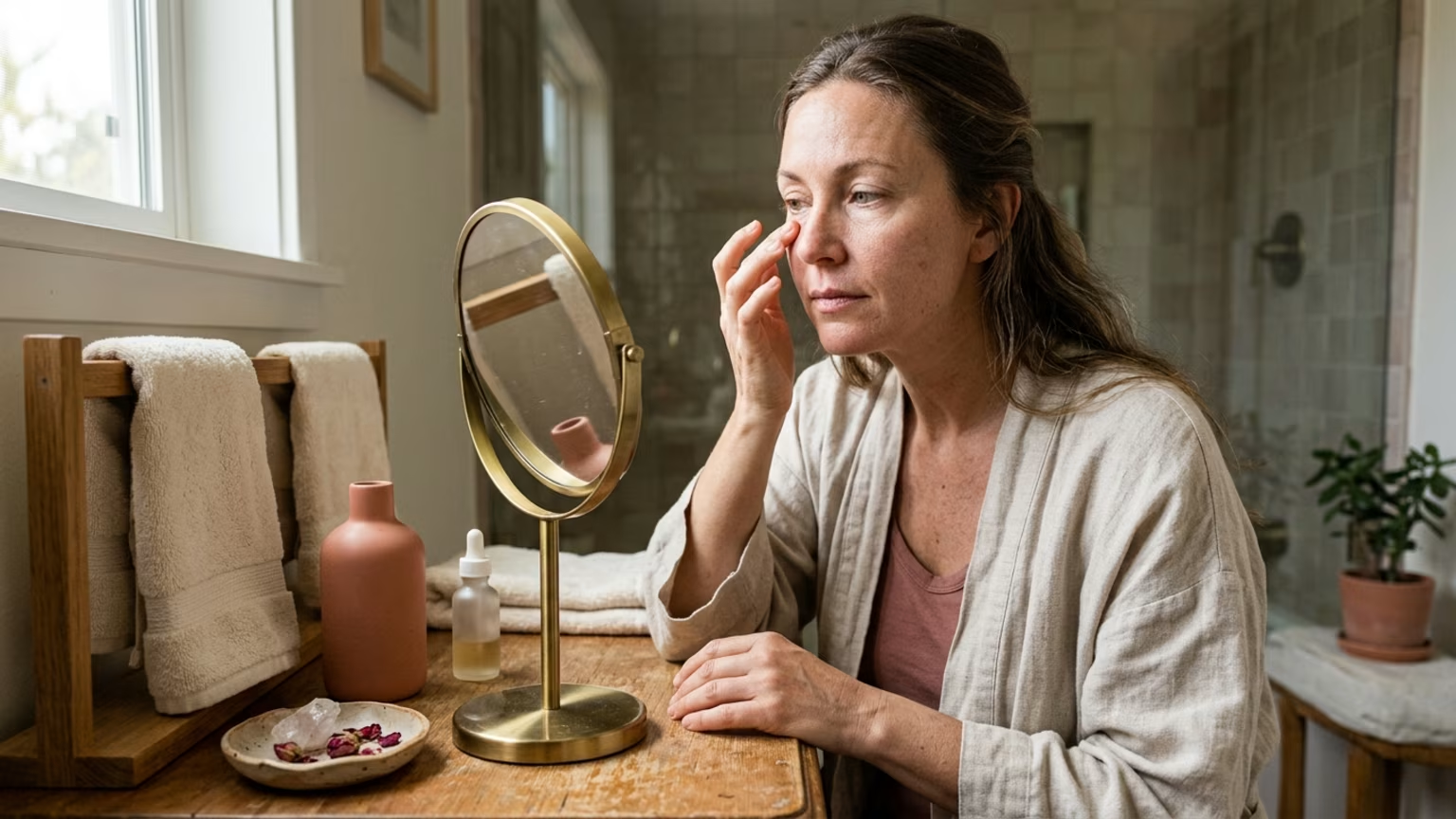

A clear translation of how acute skin irritation differs from chronic inflammaging. Examines the biology of oxidative stress and practical aging support.





Skin health discussions frequently blur the lines between a temporary product reaction and chronic biological aging. To understand how the skin responds to daily stress, we must differentiate between two distinct biological processes.
The fundamental difference between these two states comes down to resolution. Acute irritation is usually linked to a recognizable trigger. This could be a new harsh product, heavy friction, an allergen, or sudden sun exposure. The body activates a swift inflammatory response to manage this immediate threat.
Once the specific injury clears, the acute inflammatory signaling stops. In contrast, inflammaging describes a persistent biological environment. Researchers and dermatology educators use this term to describe a persistent, low-grade inflammatory background. This chronic state is associated with biological aging and lacks a single obvious trigger.
Skin aging reflects interacting biological and environmental processes rather than one isolated cause. Current research describes skin aging as the interaction of intrinsic aging, environmental exposure, and genetic susceptibility. It also involves metabolic status, hormonal changes, and regenerative capacity. Intrinsic aging can gradually affect epidermal thickness and dermal collagen.
Extrinsic aging can accelerate structural deterioration through oxidative stress and extracellular-matrix breakdown. Inflammaging also should not be confused with a clinical diagnosis. Persistent redness, itching, and scaling may indicate specific dermatologic conditions. Painful lesions or recurrent rashes also require professional medical evaluation.
The available scientific sources support a mechanistic framework rather than a consumer diagnostic test.
When the skin experiences an acute injury, inflammation acts as a coordinated defense mechanism. Acute inflammation is a necessary early phase of skin repair that helps clear debris and initiate healing. This early signaling controls potential infections and prepares the tissue for recovery. Inflammation is one of several overlapping wound-healing phases.
These phases are eventually followed by tissue proliferation and remodeling. Without this initial inflammatory response, the skin could not properly recover from environmental damage. The visible symptoms of acute irritation are typically recognizable and highly localized. A person might experience localized redness, burning, or itching.
Swelling and scaling are also common visible symptoms. These signs indicate that the body is actively managing a specific disruption. Treating this protective mechanism has scientific limitations. Acute inflammation is not a baseline state for healthy skin.
When a person uses skincare products that cause persistent stinging, the skin is signaling distress. The American Academy of Dermatology advises stopping products that sting or burn unless prescribed by a dermatologist. Indiscriminate suppression of this acute response is biologically undesirable. Normal inflammation is necessary for basic immune defense and cellular repair.
If a product burns or causes persistent redness, the best strategy is to simplify the daily routine. A compromised barrier can increase water loss and reactivity. For people experiencing irritation, a gentle cleanser and a well-tolerated moisturizer are defensible starting points.
Inflammaging operates through a much quieter, long-term biological shift. A recent review examines the broader biology of cutaneous aging. It highlights factors like impaired barrier recovery, altered hydration, and surface pH shifts. Oxidative stress, chronic low-grade inflammation, and extracellular-matrix changes also play critical roles.
Persistent inflammatory signaling may disturb the balance between matrix production and breakdown. This imbalance contributes to changes in texture, resilience, and visible structural aging. Oxidative stress plays a central role in driving this chronic environment. Oxidative stress occurs when reactive oxygen species overwhelm antioxidant defenses.
This process is implicated in skin aging and inflammation. This imbalance can damage cellular lipids, proteins, and DNA. A 2026 review on antioxidants in dermatology described oxidative stress as relevant to skin aging. It noted relevance to inflammatory disease and carcinogenesis.
Ultraviolet exposure and pollution are modifiable environmental contributors to oxidative stress, inflammation, and extrinsic skin aging. Reviews identify pollution as a potential source of oxidative and inflammatory stress for skin. This includes exposure to particulate matter, nitrogen dioxide, and ozone. A review of air pollution and atopic dermatitis described possible mechanisms.
These mechanisms involve barrier damage, microbiome disruption, and altered cellular signaling. Lifestyle factors such as sleep, psychological stress, nutrition, and alcohol consumption are also included in discussions of the skin exposome. Cellular senescence adds another layer of complexity to this chronic background. A 2026 review described a proposed feedback loop in chronic conditions.
This loop involves cellular stress, senescence, and inflammatory signaling. Senescent cells stop dividing normally but remain metabolically active. They release signaling molecules that contribute to the ongoing inflammatory state.
"When we first started reviewing clinical trials on collagen supplementation, I was struck by how often the media misinterpreted the data. A study showing a minor increase in skin elasticity was suddenly headlined as a fountain of youth. It made me realize how desperately consumers need a translator for beauty science, someone who can say exactly what a study proves and what it does not prove."
Similarly, science shows that inflammaging is a multifactorial reality rather than a simple cosmetic target. Both dietary and topical antioxidants are being studied for their ability to reduce oxidative stress. A recent dermatology review reports that topical and dietary antioxidants may support skin health. However, outcomes depend heavily on the specific intervention and formulation.
Managing inflammation and beauty aging requires a balanced approach to both types of biological stress. Acute irritation requires immediate soothing and a reduction in active ingredients. Chronic inflammaging requires consistent, long-term environmental protection and healthy lifestyle habits. For daily resilience, reducing exposure to known environmental stressors is practical.
The American Academy of Dermatology recommends daily broad-spectrum SPF 30 or higher. They describe sunscreen and moisturizer as the foundation of a healthy aging routine. Broad-spectrum SPF helps limit the oxidative stress that drives chronic inflammation and DNA damage. Supporting the skin microbiome and healthy aging means recognizing product limits.
Retinoids are evidence-backed topical options for photodamage, but they must be introduced carefully. A cautious routine should introduce one active at a time to prevent unnecessary acute inflammation. Products designed for sensitive skin may help reduce discomfort. Still, calming a visible flare is not the same as reversing age-related biology.
Health-conscious individuals should treat acute irritation as a signal to pause. Chronic inflammaging should be managed through daily protective habits, adequate sleep, and a varied diet. Acknowledging the true complexity of cellular aging and beauty allows for realistic expectations over time. We can protect the skin environment and support health without impossible promises.
Stay connected for research and practical guidance on skin, hair, collagen, nutrition and beauty longevity. Clear ideas for people who want to understand how appearance changes with age and make better-informed choices over time.


Understand your skin, hair and body better without chasing every new trend, treatment or promise.
explore the Blog